




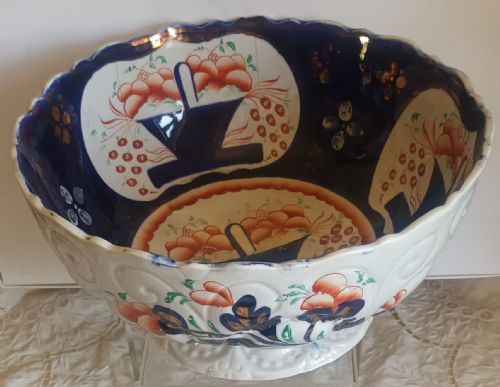
Decorative Ceramic Centerpiece
A decorative ceramic centerpiece commands a room, holding fruit or standing alone as a focal point of porcelain, earthenware, and glaze.
Decorative Ceramic Centerpiece
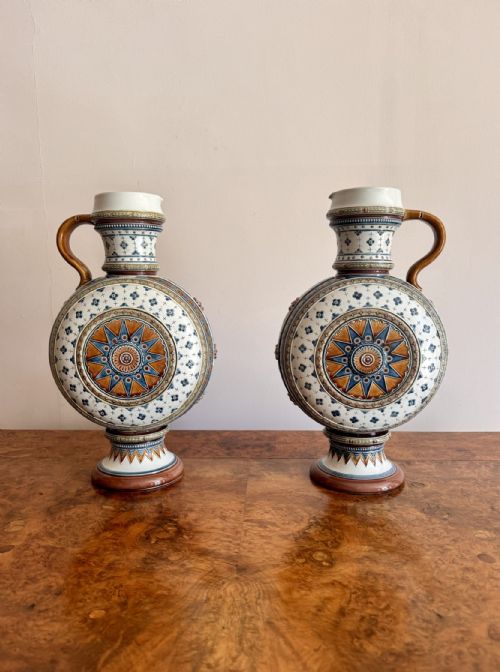
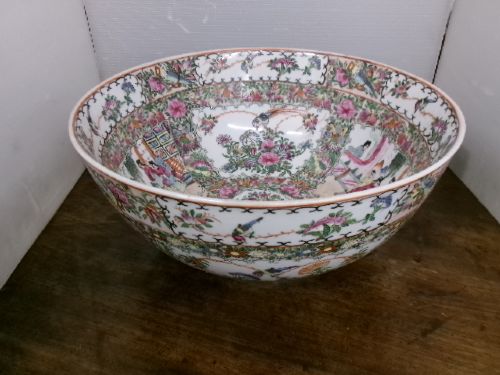
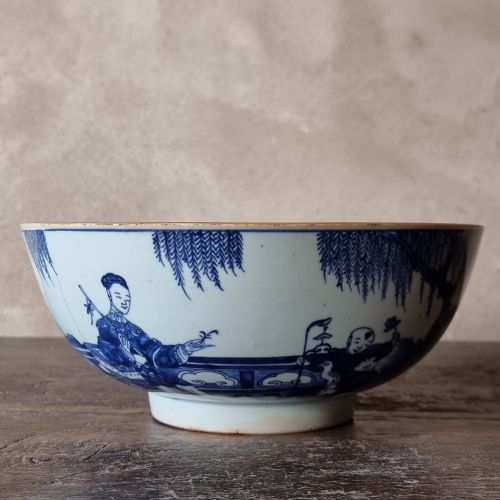
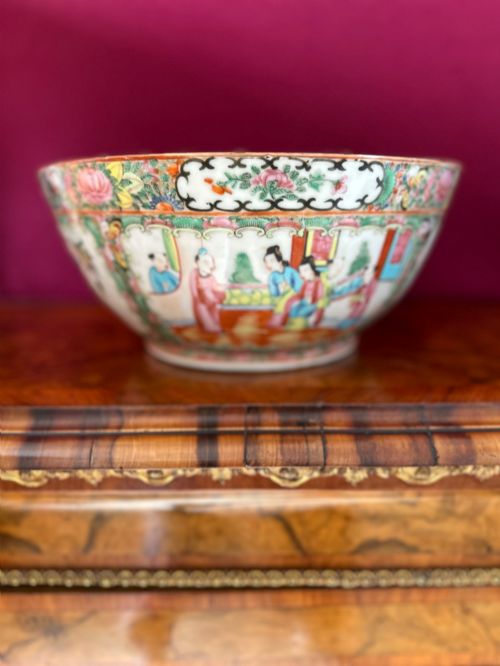
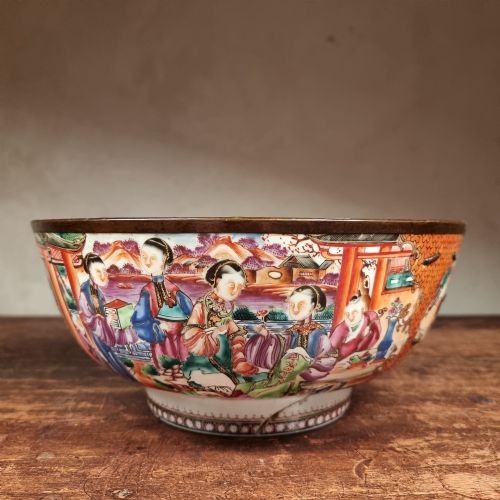
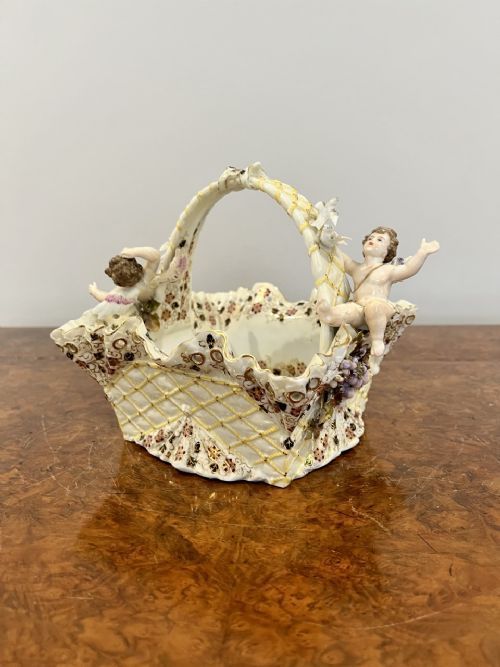
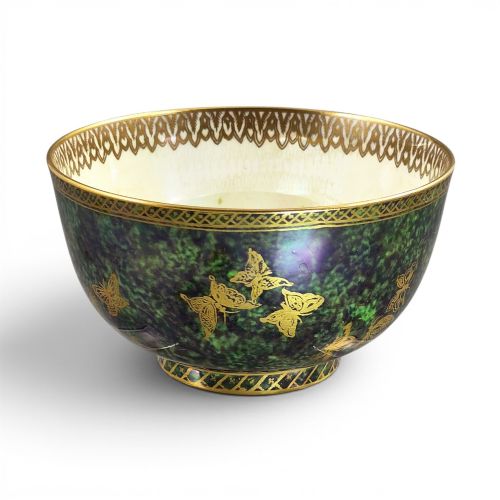
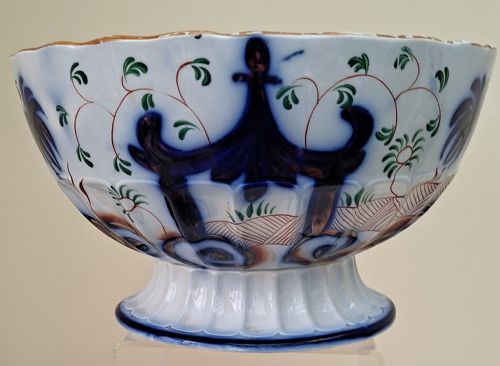
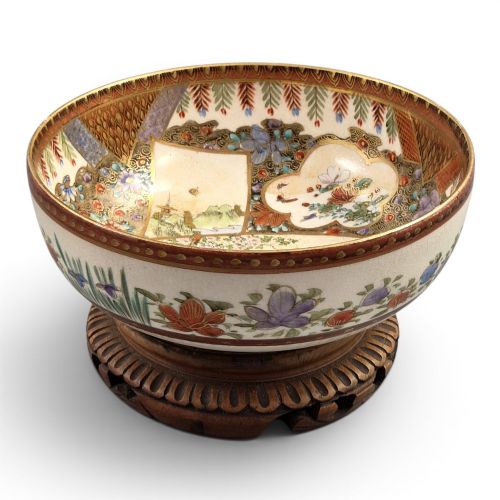
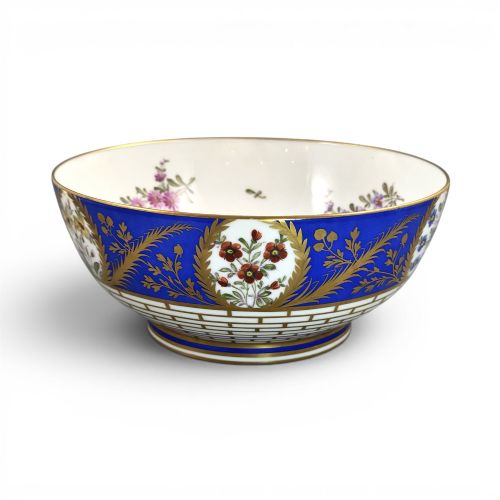
A decorative ceramic centerpiece is a prominent tabletop vessel designed to draw the eye, appearing frequently on this page as large bowls, punch bowls, footed basins, and jardinieres. These forms emerge across the eighteenth, nineteenth, and early twentieth centuries, spanning European factories and Asian export workshops.
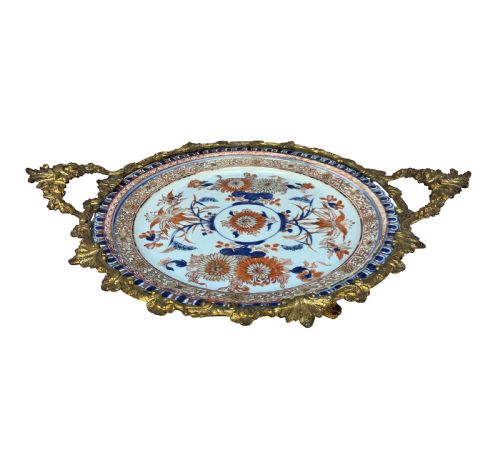
Buyers encounter items ranging from Japanese Imari and Satsuma porcelain to Victorian majolica, Chinese Canton wares, and English earthenware. The selection leans heavily toward substantial bowls and serving vessels created to anchor a dining table or sideboard.
Materials and methods
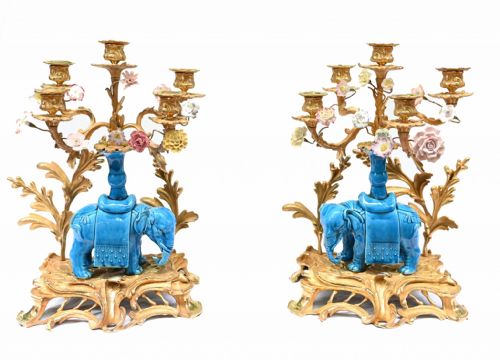
Makers shaped these objects using porcelain, earthenware, and ironstone, applying detailed hand-painted motifs, enamel, and underglaze cobalt blue. Many examples incorporate intricate gilding or metal mounts in ormolu and champlevé enamel.
Techniques combine thrown or moulded clay bodies fired at high temperatures with subsequent enamel decoration and gold leaf application. Master potters utilised specialised glazes, creating rich textures from crackled surfaces to deep lustres.
Decorative Ceramic Centerpiece Retail Price Guide 2026
Typical asking prices for decorative ceramic centerpiece among the pieces listed under this phrase on Sellingantiques today, from the lower quarter to the upper quarter. They describe what is for sale here now, not the wider market.
Makers occasionally hid playful ceramic frogs inside bowls to surprise guests when the punch was finally finished.
Evaluating craftsmanship
Quality rests in the precision of the hand-painted brushwork and the clarity of the ceramic body, where crisp details distinguish superior output from standard production. The weight of the porcelain or earthenware and the stability of footed bases signal disciplined workshop standards.
The sophistication of secondary materials, such as fire-gilded ormolu mounts and champlevé enamel work, elevates certain vessels significantly. Superior pieces balance ambitious scale with refined control over glaze application and decorative composition.
Villeroy and Boch·Minton·Wedgwood·Doulton Burslem·Meissen
The Decorative Ceramic Centerpiece Glossary
- Majolica
- A type of earthenware covered with an opaque tin glaze and painted with bright metal oxide colours. This technique gained immense popularity during the Victorian era for sculptural vessels and animal figures.
- Imari
- A style of Japanese export porcelain decorated in underglaze blue and contrasting iron red, accented with gold. These wares travelled widely to European markets from the Edo period onwards.
- Ormolu
- Gilt bronze mounted onto furniture and ceramic vessels as decorative feet, handles, or rims. This brass alloy receives a fine layer of gold to create a bright metallic finish.
- Jardiniere
- A large ornamental pot or bowl intended to hold growing plants or cut floral arrangements. They appear in heavy ceramics and porcelain across the nineteenth century.
- Champlevé
- An enamelling technique where troughs are gouged into a metal surface and filled with vitreous enamel paste before firing. The resulting coloured patterns sit flush with the surrounding metal borders.
Decorative Ceramic Centerpiece: Frequently Asked Questions
How were ceramic centerpieces used originally?
These vessels stood at the centre of dining tables during formal meals to hold fruit, flowers, or iced punches. Wealthy households utilised them to display exotic porcelain and signal social standing.
Over time, many transitioned into permanent decorative displays on sideboards, mantelpieces, or dedicated stands within grand reception rooms.
How do I care for an antique bowl?
Dust surfaces gently with a soft, dry cloth to prevent the accumulation of dirt within painted recesses or gilt details. Avoid harsh cleaning solutions or submersion in water, particularly on pieces with exposed ormolu mounts or delicate enamel work.
Keep ceramic vessels away from direct sunlight and sudden temperature shifts to protect fragile glazes and historical adhesives from deterioration.
How do I distinguish nineteenth-century styles?
Victorian examples often embrace heavy moulded forms, botanical majolica glazes, or elaborate historic revival motifs. Pieces from the later Meiji period showcase intricate Satsuma earthenware with dense millefleur or figurative painting.
Examining the foot ring, glaze texture, and any workshop signatures helps anchor a piece within its specific regional production era.