

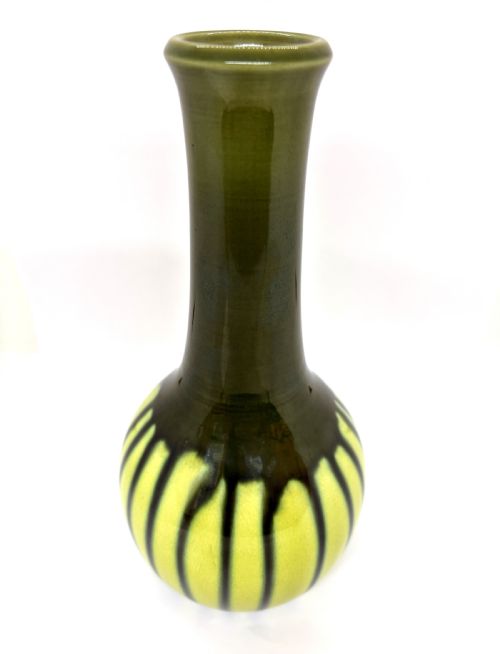


Decorative Ceramic Bottle
These decorative ceramic bottle pieces span centuries of international kiln traditions, offering buyers striking forms shaped by skilled potters.
Decorative Ceramic Bottle
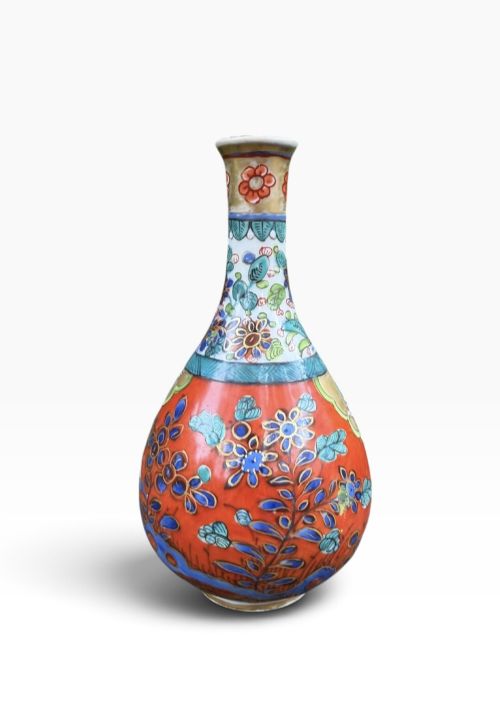
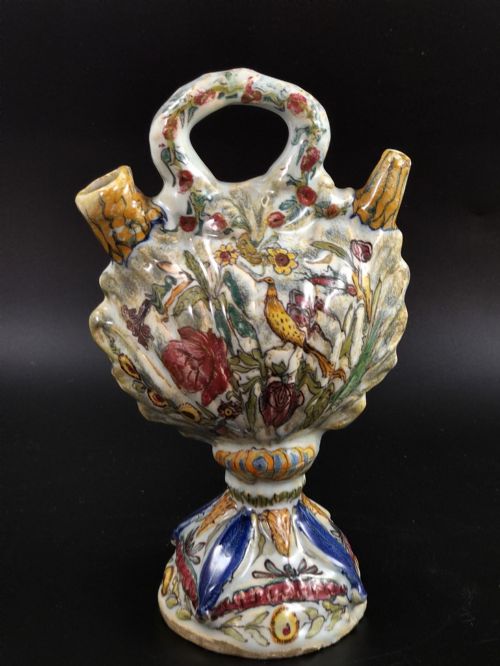
A decorative ceramic bottle encompasses a diverse assortment of vessels, flasks, vases, and sprinklers originating from varied global traditions. Buyers seeking a decorative ceramic bottle will encounter forms ranging from Chinese porcelain and Japanese imari wares to European majolica and studio pottery.
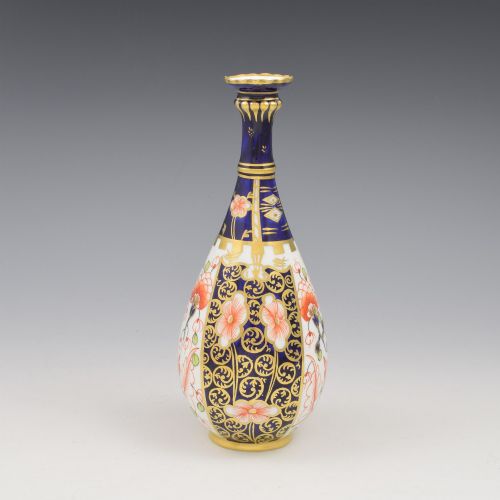
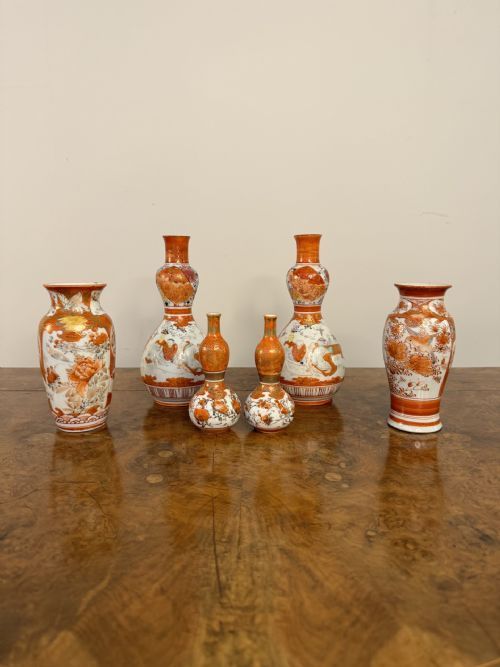
Chinese export porcelain and Japanese Kutani or imari pieces appear frequently among the offerings. Collectors also find British productions from factories such as Doulton, Royal Crown Derby, and Minton alongside continental European works.
Materials and production techniques
Potters utilised earthenware, stoneware, and porcelain as the foundational bodies for these vessels, shaping them on the wheel or in moulds. Surface decoration relied heavily on tin glaze, overglaze enamel, and standard ceramic glaze to seal and colour the clay.
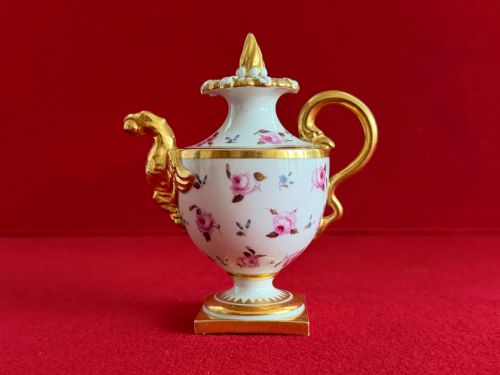
Many pieces incorporate fine details such as gold leaf application and hand-painted enamel work depicting figures, botanical motifs, and abstract patterns. Firing techniques varied from traditional kiln methods for Chinese blue and white porcelain to specialised lustre finishes developed by later studio potters.
Decorative Ceramic Bottle Retail Price Guide 2026
Typical asking prices for decorative ceramic bottle among the pieces listed under this phrase on Sellingantiques today, from the lower quarter to the upper quarter. They describe what is for sale here now, not the wider market.
Listings feature porcelain, stoneware, and earthenware pieces decorated with tin glaze, enamel, and gold leaf.
Factors determining quality
The sophistication of the painted or enamelled decoration largely separates standard vessels from exceptional examples. Precision in brushwork, particularly on detailed figural or floral scenes, distinguishes skilled studio output.
The crispness of the moulded form and the stability of the glaze during firing contribute significantly to a piece's standing. Intricate additions like applied flower encrustations or specialised lustre finishes also elevate the standard of the vessel.
Royal Crown Derby·Flight Barr And Barr·Doulton Lambeth·Minton·Royal Lancastrian·Roger Guerin
The Decorative Ceramic Bottle Glossary
- Majolica
- Tin-glazed earthenware produced in Italy and other European regions, typically featuring colourful opaque glazes.
- Imari
- A style of Japanese export porcelain characterised by a palette of underglaze blue, iron red, and gold.
- Famille Rose
- A palette of Chinese porcelain decoration distinguished by opaque pink enamel, introduced during the Qing Dynasty.
- Pilgrim Flask
- A flattened bottle form derived from traditional leather or metal containers used by travellers and pilgrims.
- Lustre
- A type of ceramic glaze that imparts a metallic sheen through a reduction firing atmosphere.
Decorative Ceramic Bottle: Frequently Asked Questions
What is an imari pattern?
Imari refers to Japanese export porcelain decorated in a distinctive palette dominated by cobalt blue and iron red, frequently accented with gold. This style originated in the Edo period and influenced European potteries.
Pieces bearing this style display dense, colourful geometric and floral arrangements across the ceramic surface.
Where were moon flasks made?
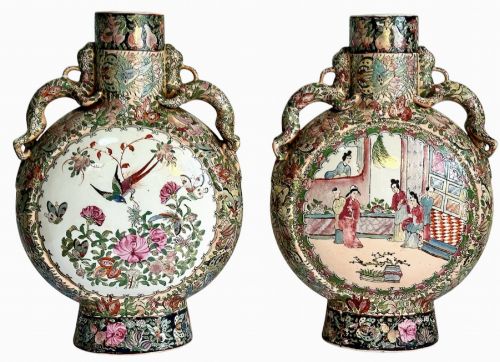
Moon flasks are characterised by their circular, flattened bodies resting on small bases, a traditional Chinese ceramic form. Potters often applied famille rose enamels to decorate these vessels.
These pieces were produced during the Qing Dynasty and later imitated by European manufacturers.
How should I display these vessels?
These ceramic bottles and vases suit placement on mantelpieces, cabinets, or dedicated display tables where their glazes catch the light. Ensuring stable placement away from high traffic areas protects their delicate surfaces.
Pairing individual bottles or arranging matching garniture sets creates a balanced visual display within a room.