







Decorative Ceramic Bird
A decorative ceramic bird brings the vitality of the natural world indoors through enduring kiln-fired pigment and glaze.
Decorative Ceramic Bird
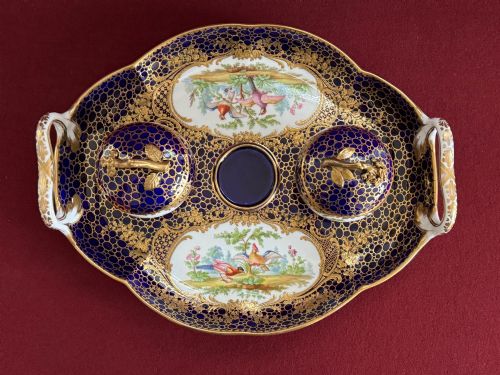
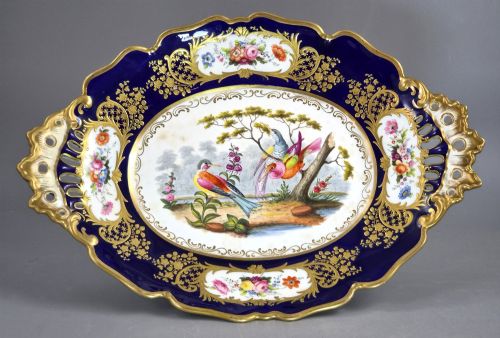
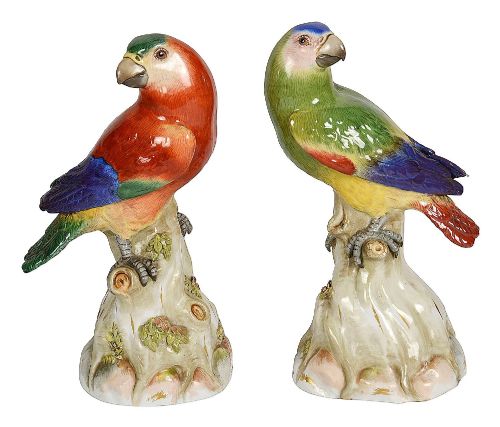
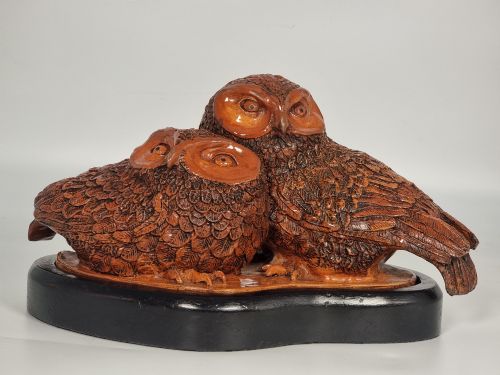
Buyers frequently encounter larger chargers and plates painted with exotic birds alongside modelled figures of parrots, owls, cockerels and cranes. European revival styles sit alongside Meiji period Japanese porcelain and earthenware within this selection.
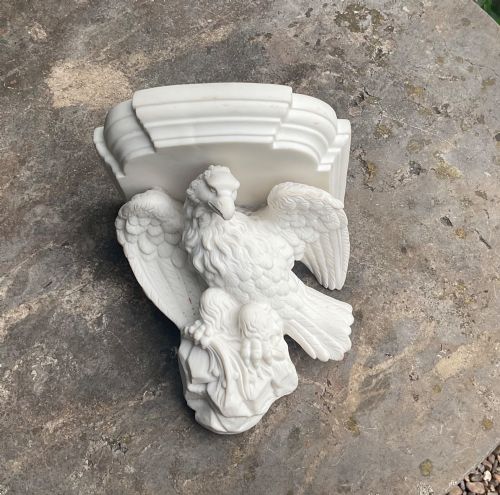
The objects serve primarily as ornamental focal points, ranging from wall brackets and jardinières to mantle-worthy ginger jars and pedestal vases. Each piece reflects the specific decorative preoccupations of its period of origin.
Materials and technique
Makers shaped these avian forms using ceramic bodies such as fine porcelain, earthenware, terracotta and ironstone. Workers then applied coloured glazes, enamel pigments and occasionally metallic elements like gold leaf or silver plate to build the surface design.
Techniques combined hand-sculpting with precise hand-painting, underglaze decoration and transfer printing. Firing processes fixed the vitreous colours permanently into the glaze, securing the vibrant plumage details seen across the objects.
Decorative Ceramic Bird Retail Price Guide 2026
Typical asking prices for decorative ceramic bird among the pieces listed under this phrase on Sellingantiques today, from the lower quarter to the upper quarter. They describe what is for sale here now, not the wider market.
Object forms span chargers, ginger jars, wall brackets, and figural models across diverse international manufactories.
Factors of quality
Quality rests upon the precision of the modelling and the artistic execution of the painted or enamelled feathers. Superior examples demonstrate careful attention to anatomical detail and subtle tonal variation in the colour palette.
The reputation of the manufactory and the complexity of the kiln work distinguish finer items from simpler production pieces. Well-preserved surfaces with minimal wear to the enamel and gilding indicate higher preservation status.
Minton·Meissen·Coalport·Mason·Royal Worcester
The Decorative Ceramic Bird Glossary
- Imari
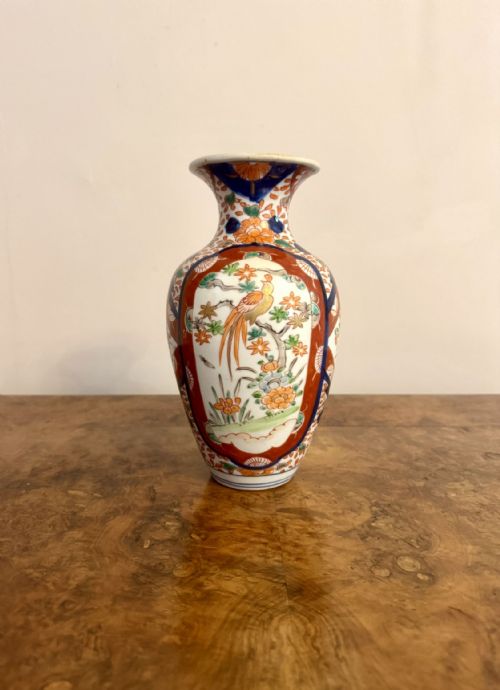
- A style of Japanese porcelain featuring a distinct palette of underglaze blue, iron red and gold, often depicting birds and floral motifs. This aesthetic became highly popular in European decorative arts during the nineteenth century.
- Cloisonné
- A metalwork technique adapted to ceramics where thin wire compartments are soldered to a base and filled with coloured enamel paste. These fired cells create intricate patterns that frequently delineate bird plumage and landscape backgrounds.
- Majolica
- A type of earthenware coated with an opaque tin-lead glaze and painted with metallic oxide colours. It produces rich, glossy surfaces that suited colourful depictions of birds and foliage.
- Ironstone
- A durable type of British pottery patented to combine the strength of stoneware with the refined appearance of porcelain. It provided a robust ground for brightly coloured exotic bird transfers and hand-enamelled designs.
- Jardiniere
- A large ceramic pot or vessel designed to hold live plants or floral arrangements. These often feature avian reliefs or painted bird panels suited to interior display.
Decorative Ceramic Bird: Frequently Asked Questions
How were these ceramic birds originally used?
Most of these pieces served as decorative interior ornaments placed on mantelpieces, side tables or walls within Victorian and Edwardian homes. Jardinières and vases combined utility with avian decoration to display plants or pot pourri.
Larger chargers and plates were primarily intended for visual display on buffets or walls rather than for daily dining service. Their bright enamels brought exotic motifs into formal domestic spaces.
How do I care for antique ceramic bird figures?
Dust these items gently with a dry, soft brush to prevent the accumulation of dirt within crevices and painted details. Avoid using liquid cleaners or chemical agents, particularly on pieces featuring delicate enamel work, gilding or lacquer.
Keep ceramic and porcelain objects away from direct sunlight and areas subject to sudden temperature fluctuations. Stable indoor conditions protect the glaze and prevent stress to the underlying ceramic body.
How do I distinguish between Japanese and European styles?
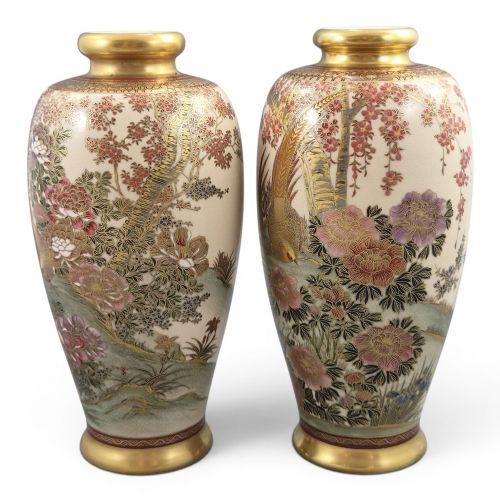
Japanese pieces from this selection typically display characteristics of the Meiji period, such as Satsuma earthenware or Imari palettes featuring birds integrated into naturalistic landscapes. These often incorporate distinct motifs like mon symbols or detailed cloisonné wirework.
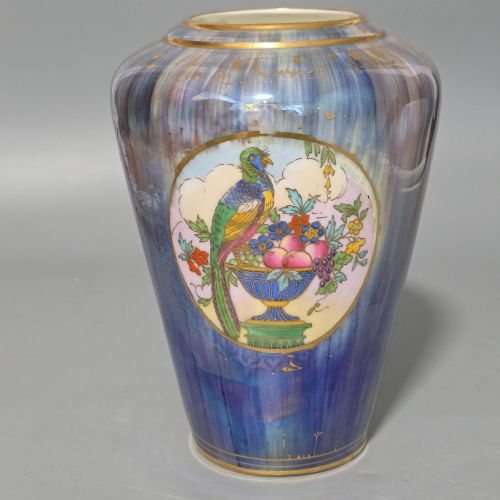
European interpretations, including those from British and continental factories, generally follow revivalist aesthetics or Victorian naturalism. They frequently employ porcelain bodies with hand-enamelled exotic birds or classical modelling.
What is the difference between earthenware and porcelain?
Earthenware is a porous, opaque ceramic fired at lower temperatures, commonly found in majolica and terracotta bird figures. It requires a glaze to become impermeable to liquids and typically has a heavier, more rustic feel.
Porcelain is a dense, vitrified ceramic fired at much higher temperatures until it becomes non-porous and sometimes translucent. It forms the refined body for fine nineteenth-century cabinet plates, vases and inkstands.