





Decorative Center Table
A decorative centre table anchors a room, drawing the eye with varied woods, metals and porcelain.
Decorative Center Table
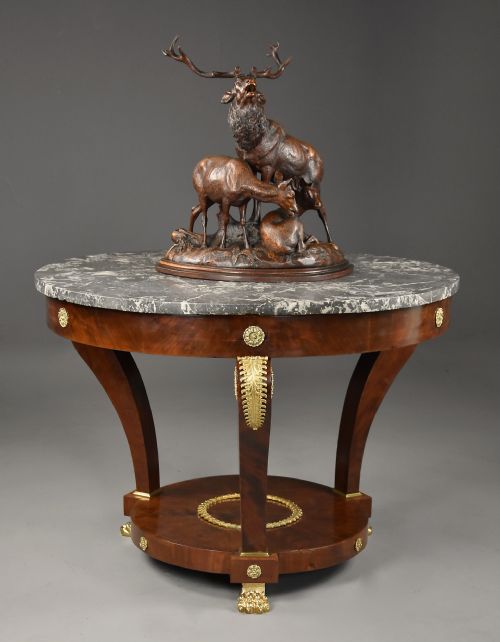
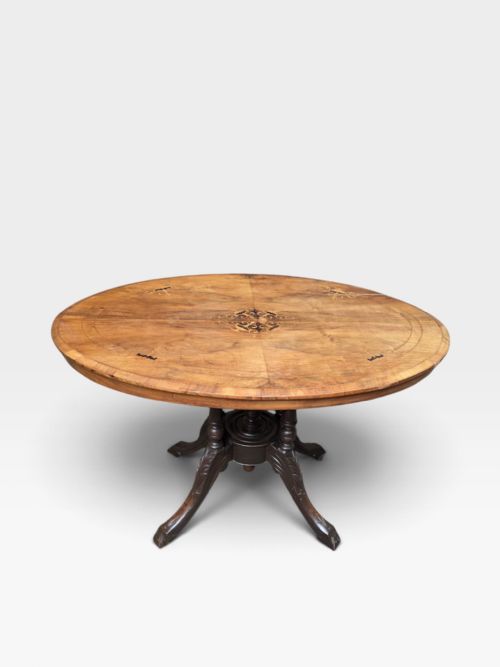
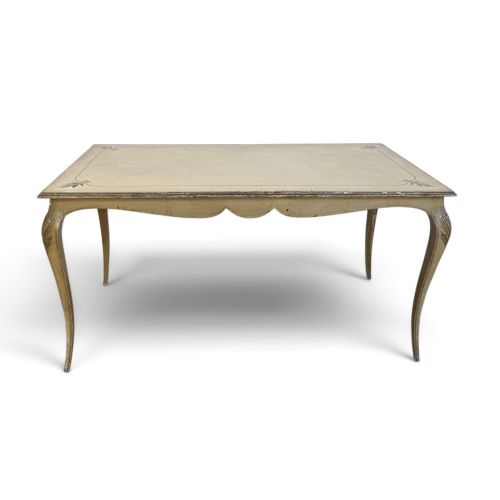
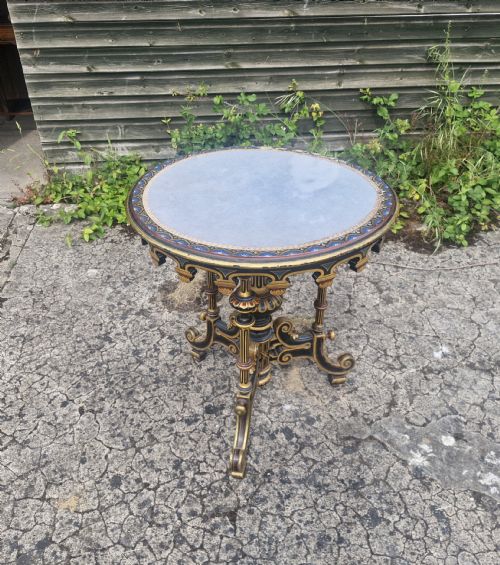
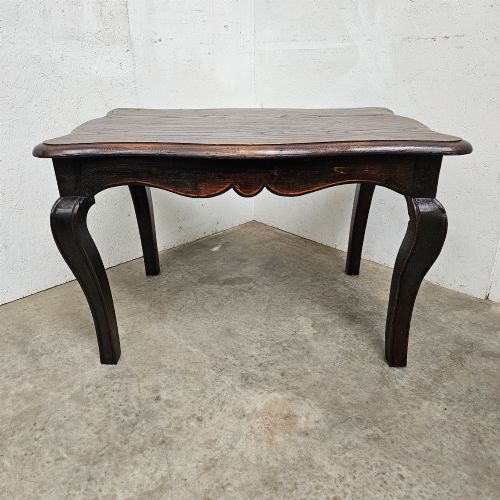
A decorative centre table serves as a focal point within a room, designed to be viewed from all sides rather than pushed against a wall. The examples here span periods from the nineteenth century into the twentieth, encompassing Victorian, Edwardian, and French revival styles.
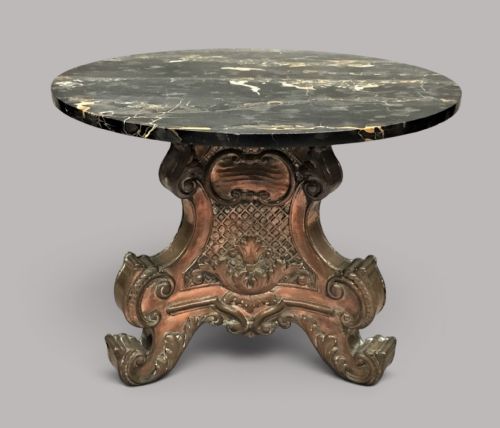
Buyers will encounter various forms, including traditional centre tables, low tables, occasional tables, and coffee tables. Materials range from walnut and hardwood to marble, bronze, and silver plate, often featuring inlaid woods or painted finishes.
How they were made
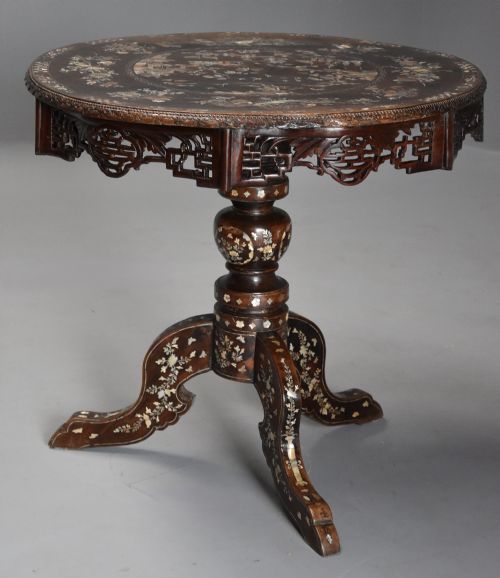
Cabinet makers utilised dense hardwoods such as walnut, chestnut, rosewood, and satinwood, frequently applying decorative veneers like laburnum and oyster cut. Inlaid surfaces incorporate mother of pearl, marquetry, and contrasting timbers to create intricate geometric and floral patterns.
Metalwork and ceramics form a distinct group, utilising cast bronze, silver plate, copper, and hand-painted porcelain or enamel. Giltwood, gold leaf, and hand-applied paint finishes further enhance the decorative surface ornamentation across French and Victorian pieces.
Decorative Center Table Retail Price Guide 2026
Typical asking prices for decorative center table among the pieces listed under this phrase on Sellingantiques today, from the lower quarter to the upper quarter. They describe what is for sale here now, not the wider market.
One unusual Victorian table conceals a working clock right in the middle of the surface.
What varies in quality
The refinement of the surface decoration defines the upper tiers of quality, seen in precise marquetry, tightly fitted oyster veneers, and intricate mother of pearl inlay. Lesser examples rely on simpler painted finishes or plain timber without supplementary embellishment.
The choice and execution of materials also dictate distinction, separating standard production from skilled craftsmanship. Heavy cast bronze mounts, fine cut glass, and hand-painted Sevres style porcelain elevate a piece far above utilitarian items.
B Battioli Varese·Royal Dux
The Decorative Center Table Glossary
- Marquetry
- Decorative veneer work arranged in intricate patterns or pictures using various woods. It provides ornate surface decoration on Victorian table tops.
- Oyster veneer
- Cross-sections of small branches cut to resemble the shape of oysters, arranged in clusters. This technique creates a distinctive repeating pattern across the timber surface.
- Giltwood
- Wood that has been treated with gold leaf or gold paint to give a metallic sheen. It appears frequently on French revival and nineteenth-century frames and tables.
- Tazza
- An ornamental shallow cup or vase on a pedestal, often used as a table centrepiece. These items sit upon surfaces to display fruit or flowers.
- Epergne
- A large table centrepiece featuring multiple branches for holding dishes, fruit, or glass trumpets. Victorian examples often incorporate cranberry glass.
Decorative Center Table: Frequently Asked Questions
Where should a centre table go?
These tables belong in the middle of a room where people can walk around them and view the decoration from every angle. They work well in entrance halls or large reception rooms as a focal point.
Ensure there is adequate space to circulate around the piece without blocking pathways. Placing a lamp, vase, or tazza on top completes the arrangement.
How do I clean wooden tables?
Dust the surface regularly with a soft, dry cloth to prevent dirt accumulation. Avoid harsh chemical cleaners that can strip delicate finishes and gold leaf.
Feed the wood periodically with appropriate wax to maintain the lustre of walnut, rosewood, or satinwood. Protect surfaces from moisture by using coasters under any objects.
Can I use a centre table as a coffee table?
Lower variations and specific low tables function well as coffee tables in modern seating arrangements. Taller centre tables suit hallways or large open spaces rather than seating areas.
Consider the height of your seating before pairing it with a Victorian or antique table. Ensure the surface finish can withstand daily use if placing cups or books on the wood or marble.