

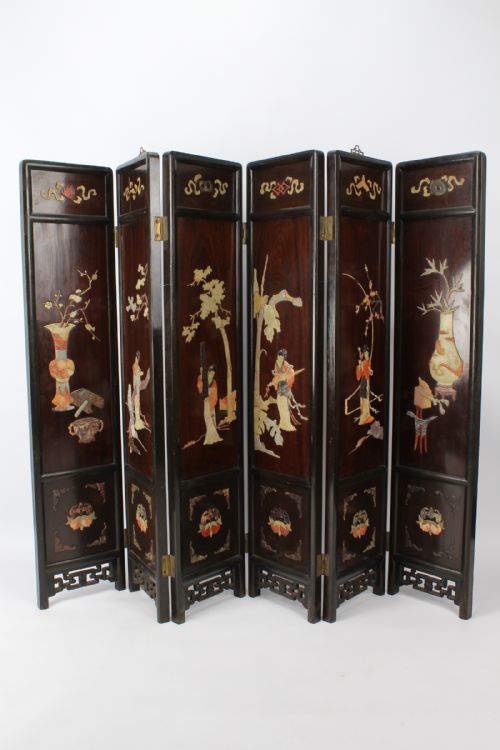


Decorative Carved Wood Panels
Decorative carved wood panels bring architectural weight and texture to a room, ranging from French boiserie and Chinese hardwood screens to English oak fragments.
Decorative Carved Wood Panels
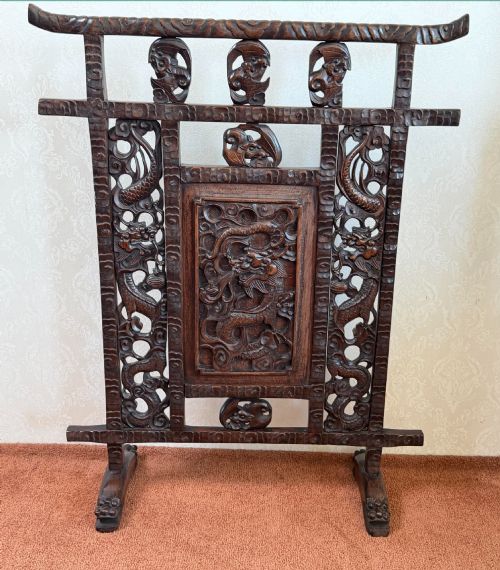
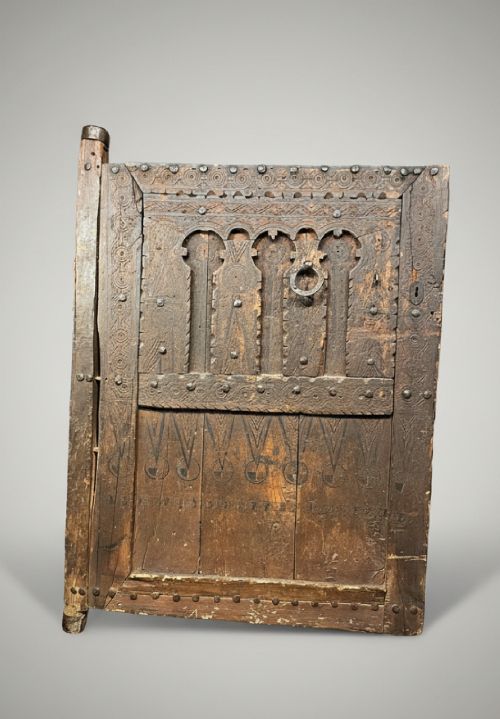
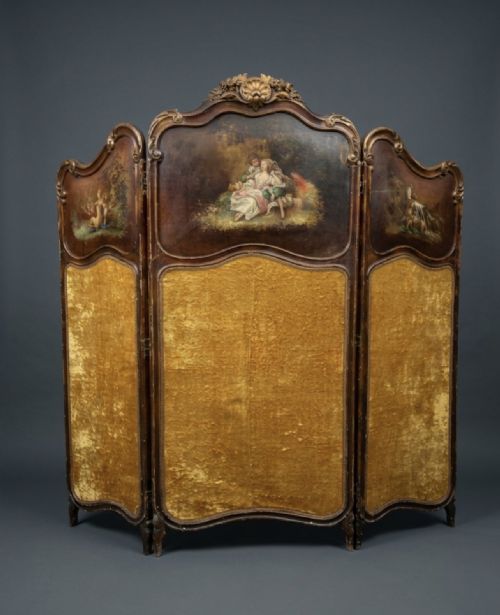
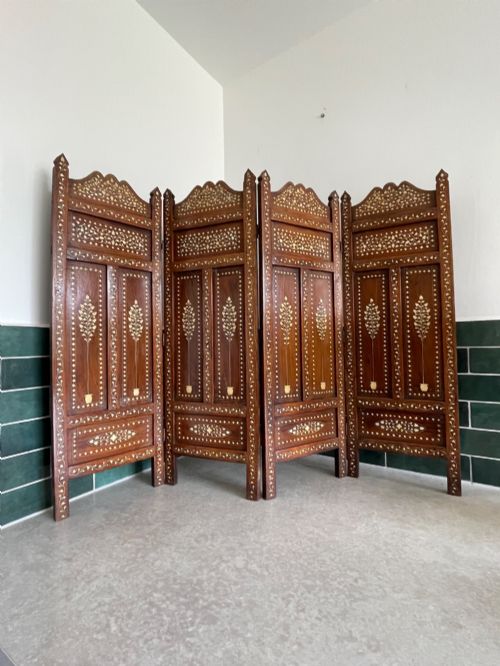
When you search for decorative carved wood panels, you encounter a varied group of architectural salvage, wall plaques, and folding screens spanning several centuries. The selection leans heavily towards nineteenth-century examples, alongside earlier oak panels and Asian folding screens.
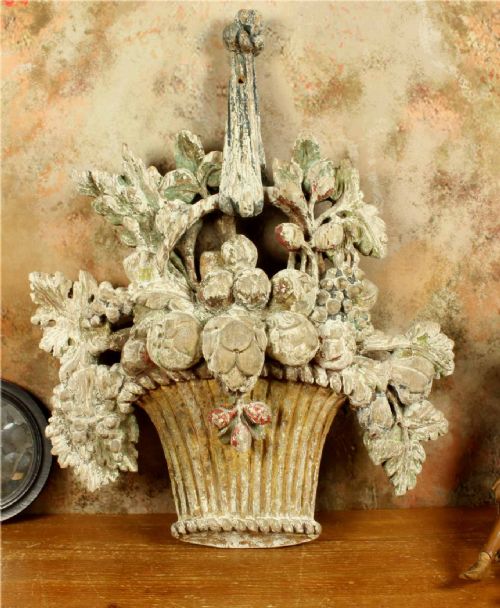
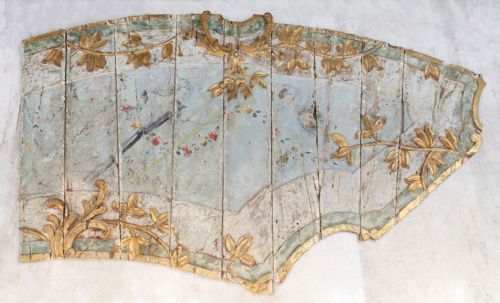
Forms vary from architectural fragments and ceiling rose panels to complete folding screens and French trumeau mirrors. Materials include traditional European hardwoods like oak, walnut, and fruitwood, alongside lacquered and painted finishes.
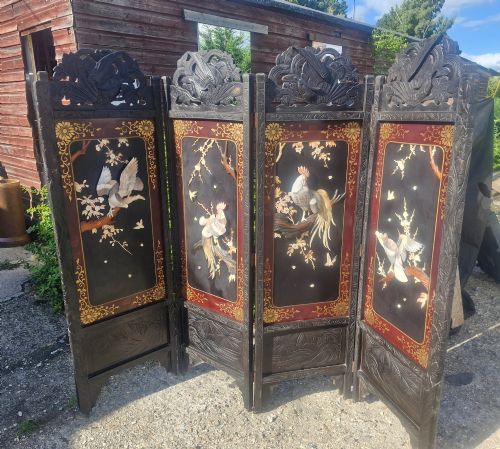
Origins stretch from regional European workshops to Meiji period Japan and Qing Dynasty China, offering everything from heavy structural panels to delicate table screens.
How they were made
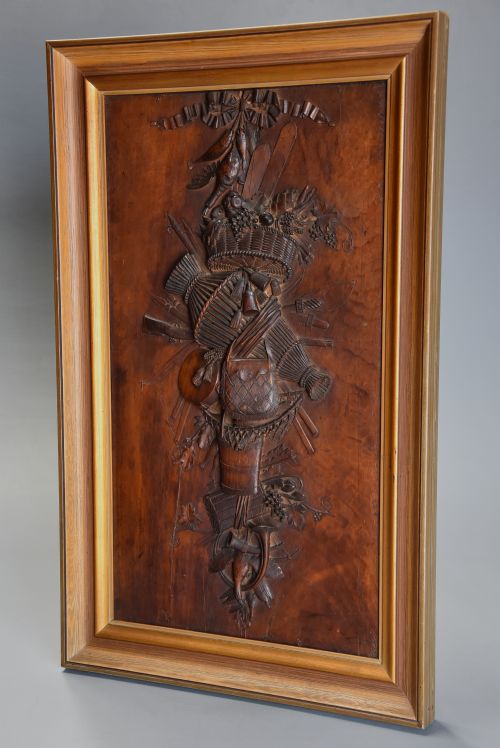
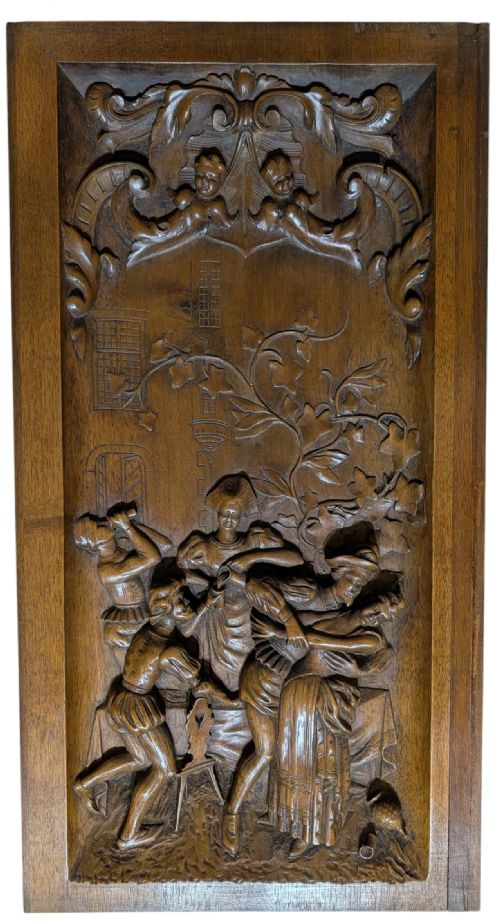
Carpenters and carvers shaped these pieces using native and exotic timbers, applying hand-chiseled relief work to oak, walnut, fruitwood, and dense Asian hardwoods. Many surfaces received supplementary treatments such as paint, gold leaf, lacquer, or lime washing to accentuate the carved details.
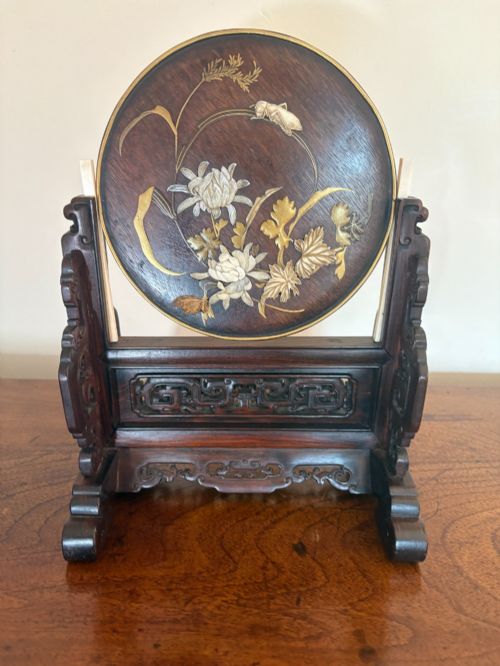
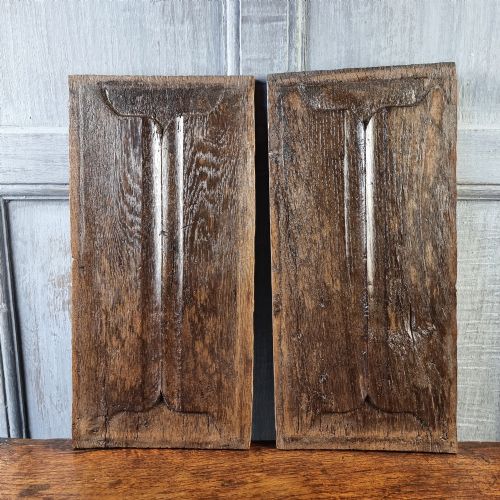
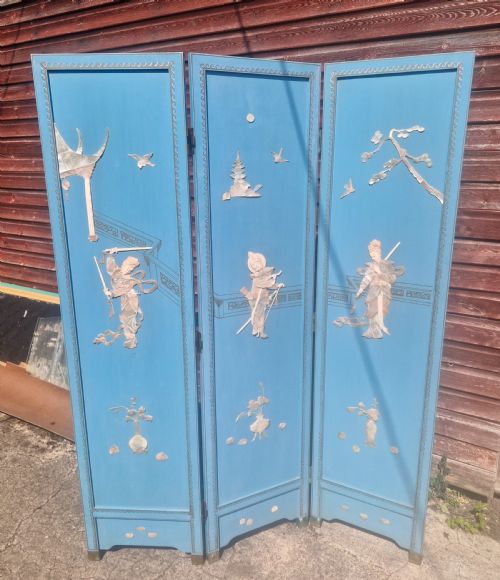
Specialised techniques distinguish regional works, from the crisp linenfold patterns of early European joinery to the intricate bone inlay and Shibayama work found on Japanese screens. Architectural fragments often combine carved wooden reliefs with parcel gilt or mirror glass components.
Look closely for hidden bone figures and delicate Shibayama insects tucked away inside nineteenth-century Japanese table screens.
What varies in quality
The distinction between standard decorative items and exceptional pieces lies in the depth and precision of the carving. Crisp, spirited toolwork with distinct relief brings life to figures and foliage, whereas mechanical or heavy-handed recutting flattens the surface.
Integrity of materials and finish also determines standing. Original paint, untouched patination, and intact gilding or inlay command greater respect than later surface alterations or mismatched repairs.
The Decorative Carved Wood Panels Glossary
- Boiserie
- French interior wood panelling, often carved with classical motifs and painted or gilded. These panels typically adorn the walls of formal nineteenth-century rooms.
- Trumeau
- A decorative wall mirror or panel featuring a painted or carved scene above the glass. They frequently incorporate French Rococo Revival or neoclassical styles.
- Linenfold
- A style of wood carving that imitates folded linen cloth. This technique appears commonly on sixteenth and seventeenth-century panels.
- Coromandel
- Chinese incised lacquer work where designs are cut into a dark ground and filled with colours. Pieces in this style often form folding screens.
- Parchemin
- A type of fifteenth or sixteenth-century wood panelling carved to resemble parchment scrolls. It provides a tactile, textured surface to architectural timber.
Decorative Carved Wood Panels: Frequently Asked Questions
How do I hang a heavy wood panel?
Heavy panels require secure wall fixings anchored directly into studs or masonry rather than plaster alone. Use robust metal brackets or hidden French cleats capable of supporting the full weight of the hardwood.
Ensure the wall mount matches the specific hanging points on the back of the panel to prevent warping or accidental slips over time.
Can folding screens be used as wall art?
Folding screens work well mounted flat against a wall or suspended in sections as architectural decoration. This approach displays painted lacquer or carved panels without requiring a floor-standing layout.
Take care to support each panel evenly across its structure when transferring a screen from a floor hinge to a wall display.
How do I clean carved wooden panels?
Dust the carved recesses regularly with a soft, dry brush to prevent dirt buildup in the intricate relief work. Avoid harsh chemical cleaners or excess water, which can damage aged painted surfaces, lacquer, or exposed wood.
Apply a microcrystalline wax sparingly only if the wood appears dry, following the natural grain of the carving.
What is architectural salvage?
Architectural salvage consists of rescued elements from older buildings, such as doors, pediments, ceiling roses, and wall panels. These fragments preserve historical craftsmanship and provide character when integrated into modern interiors.
Many pieces show signs of previous installation, which adds authenticity and a distinct narrative to the woodwork.