





Decorative Bronze Pot
A decorative bronze pot brings weight and texture to a room, offering a tactile focal point shaped by centuries of metalwork traditions.
Decorative Bronze Pot
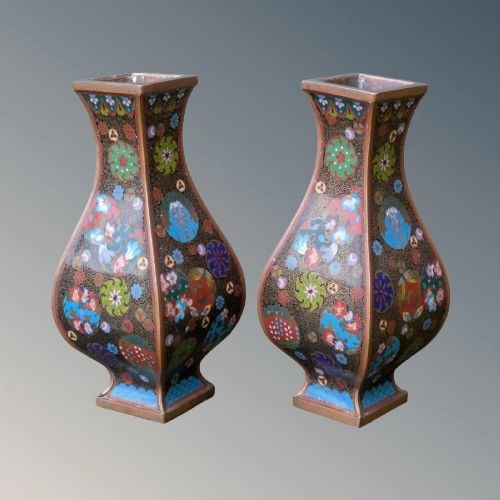
When you search for a decorative bronze pot, you encounter an array of vessels designed for display, planting, and desk use across multiple continents and centuries. The selection spans Japanese Meiji and Edo period bronzes, Chinese Qing dynasty vases and jardinières, French gilt and patinated pieces, and African Benin ceremonial containers.
You are most likely to meet Victorian-era imports and European interpretations alongside Asian metalwork. Forms range from small desk inkwells and posy vases to large floor planters, jardinières, and ceremonial pots, reflecting both utilitarian origins and purely decorative ambitions.
How they were made
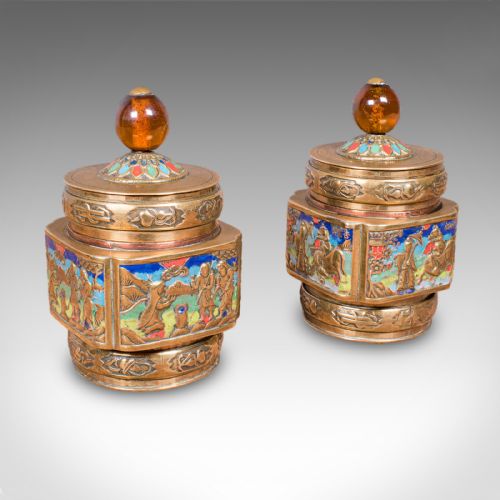
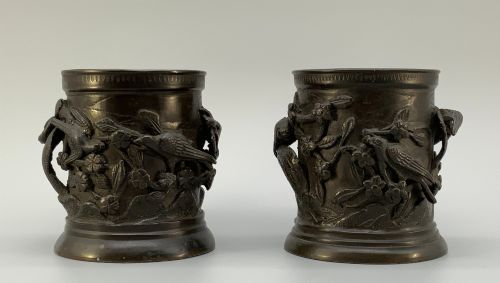
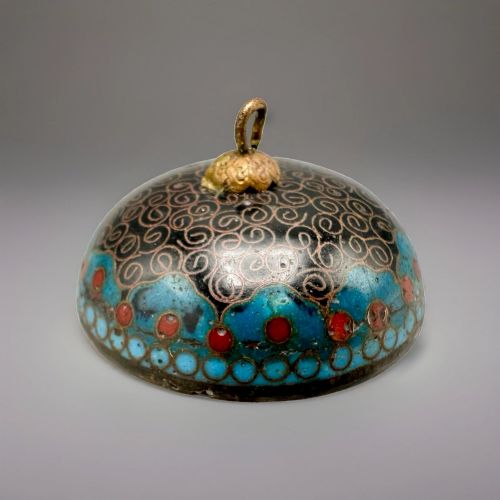
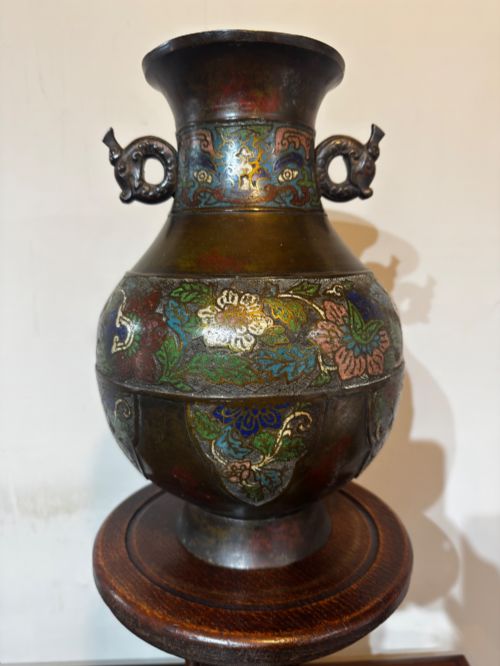
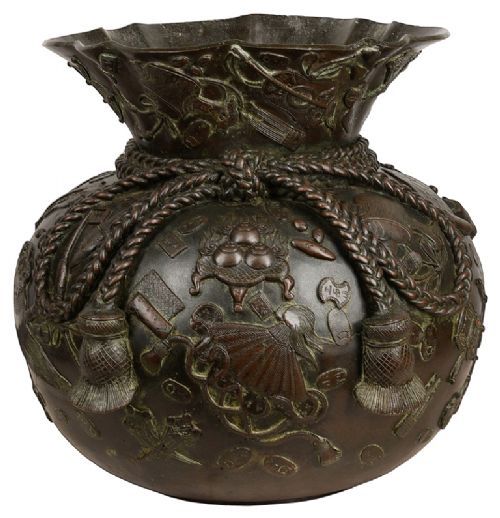
Makers utilised bronze, brass, and copper, often combining metal casting with intricate surface work. Many pieces employ cloisonné and champlevé enamel to introduce vibrant colour into the metallic body, while others rely on deep hand carving and chasing to define birds, blossoms, and abstract motifs.
French workshops integrated gilt bronze with porcelain and marble, whereas Japanese and Chinese pieces frequently showcase patinated finishes or intricate cloisonné enamel work. African examples, such as Benin tribal containers, demonstrate traditional casting methods resulting in heavy, textured forms.
Decorative Bronze Pot Retail Price Guide 2026
Typical asking prices for decorative bronze pot among the pieces listed under this phrase on Sellingantiques today, from the lower quarter to the upper quarter. They describe what is for sale here now, not the wider market.
Listings feature items spanning the Georgian, Victorian, and Edwardian periods, alongside specific cultural eras including the Meiji, Edo, and Qing dynasties.
What varies in quality
Quality rests in the crispness of the chased decoration, the depth of the casting, and the preservation of the original patina or enamel work. Finer examples display precise hand-carved detail and secure, clean inlays, whereas lesser pieces show softer contours and less disciplined surface finish.
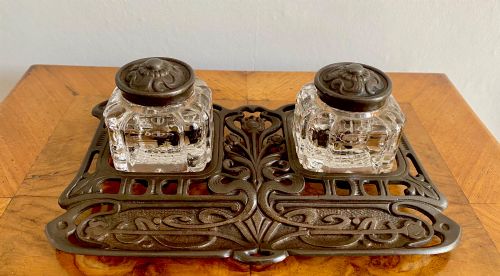
The integration of mixed materials also defines the hierarchy, seen in the clean alignment of gilt bronze mounts with marble or porcelain versus simpler, purely cast metal vessels. Weight, balance, and the integrity of internal components like ink bottles further separate standard production from superior examples.
The Decorative Bronze Pot Glossary
- Cloisonné
- An enamelling technique where flat wire is soldered to a metal base to create compartments filled with paste and fired. This method produces intricate, colourful patterns across the surface of vases and jardinières.
- Champlevé
- A technique where troughs or cells are hollowed out directly into the metal surface and filled with enamel before firing. It yields bold, recessed patterns distinct from wired cloisonné.
- Chasing
- The manual process of refining and texturing metal surfaces from the exterior using hammers and small punches. It brings depth and definition to cast motifs like foliage and animals.
- Jardiniere
- A large ornamental pot or bowl designed to hold growing plants or flower arrangements. They frequently appear in bronze, ceramic, and cloisonné enamel.
- Patina
- The natural or induced surface coloration and sheen that develops on bronze over time and through chemical treatment. A stable patina preserves the underlying metal and indicates age.
Decorative Bronze Pot: Frequently Asked Questions
How were these pots used?
These vessels served diverse functions ranging from holding cut flowers and housing potted plants to burning incense and storing ink on desks. Many larger examples functioned purely as decorative display urns within period interiors.
Over time, utilitarian objects like desk inkwells and tea pots transitioned into purely decorative items valued for their craftsmanship and material presence.
How do I date a bronze pot?
Dating relies on stylistic markers, manufacturing techniques, and any associated period stamps or stylistic influences like Meiji, Qing, or Art Nouveau. Examining the method of casting and the wear of the patina helps align pieces with nineteenth-century or early twentieth-century production.
Records often tie specific decorative styles, such as French Rococo Revival or Japanese export work, to distinct decades within the Victorian and Edwardian eras.
Where should I place a bronze pot?
These pots suit tabletops, mantelpieces, and dedicated display surfaces where their weight and finish can be appreciated at close range. Smaller posy vases and inkwells fit naturally on desks and side tables.
Larger jardinières and planters work well as floor-standing accents or centrepieces on sturdy sideboards, especially when paired with greenery or left empty as sculptural forms.
What is the difference between bronze and brass?
Bronze is an alloy primarily composed of copper combined with tin, yielding a darker, richer tone that takes patination readily. Brass is an alloy of copper and zinc, which typically displays a brighter, more golden hue.
Both materials were utilised extensively across the listed periods, often finished with gilt, paint, or chemical patinas to achieve specific decorative effects.