

Decorative Bronze Lighting
Decorative bronze lighting spans centuries of foundry work, bringing heavy cast metal, gilt finishes, and structural glass into domestic interiors.
Decorative Bronze Lighting
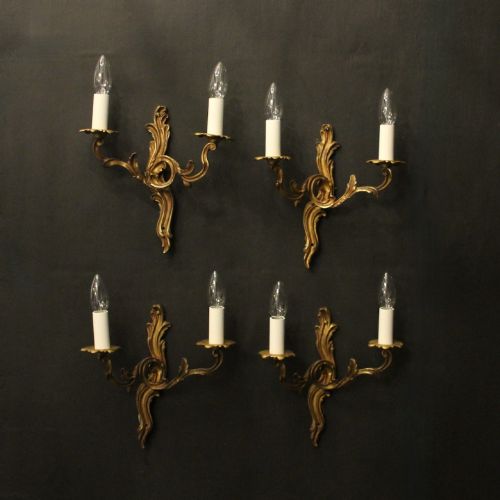
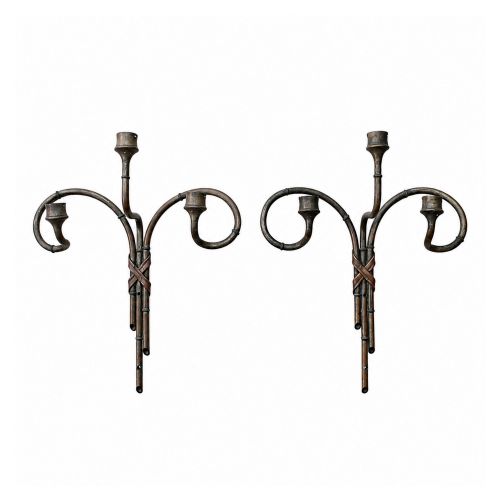
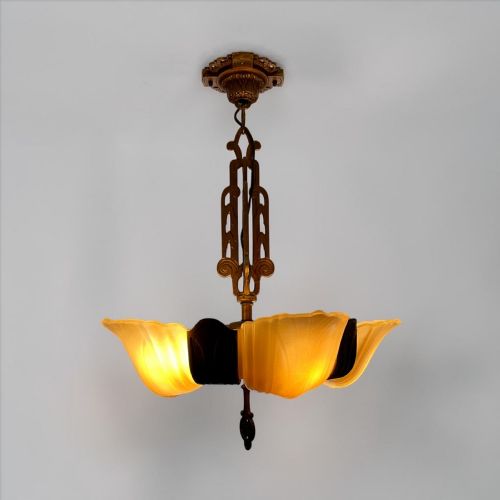
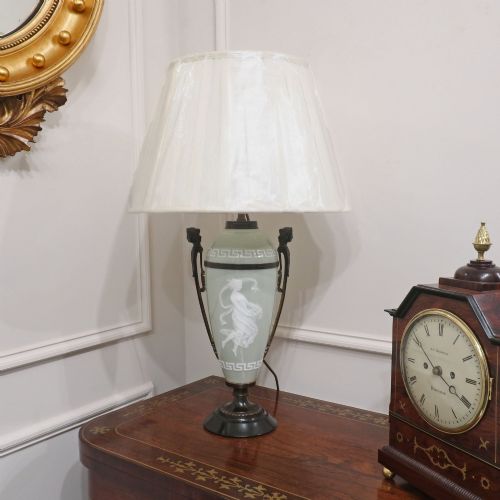
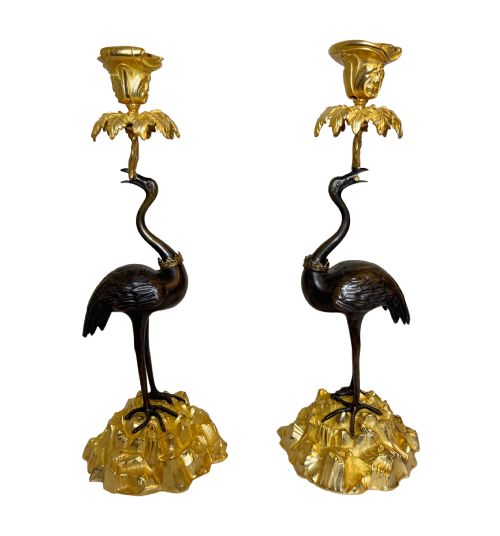
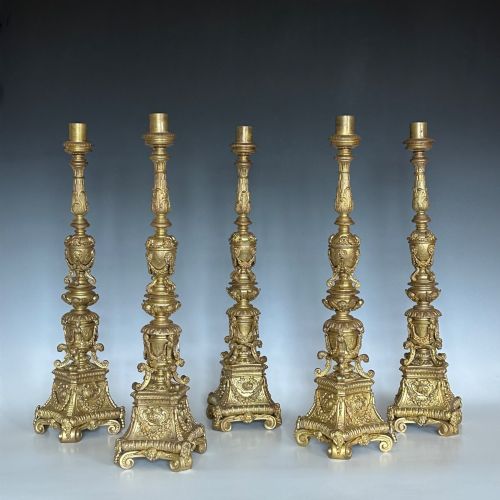
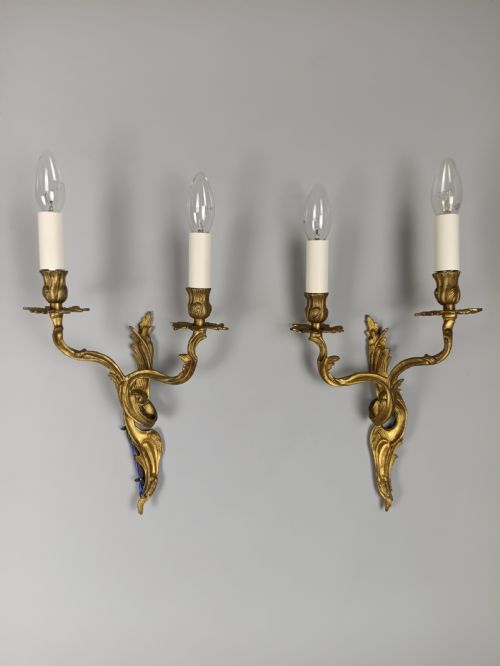
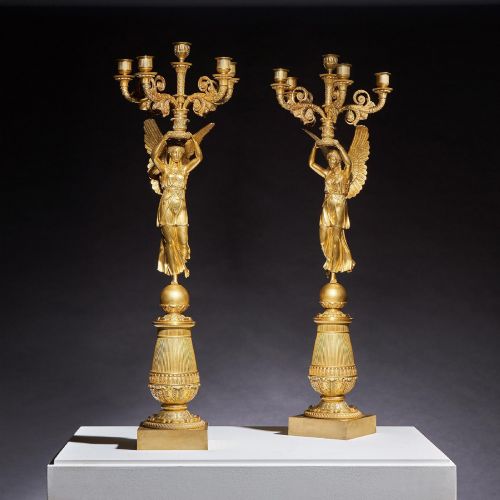
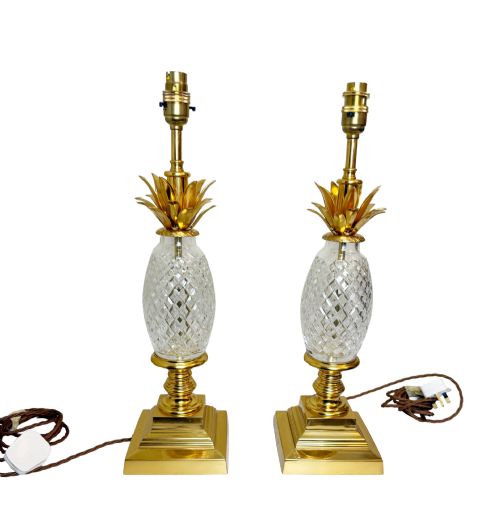
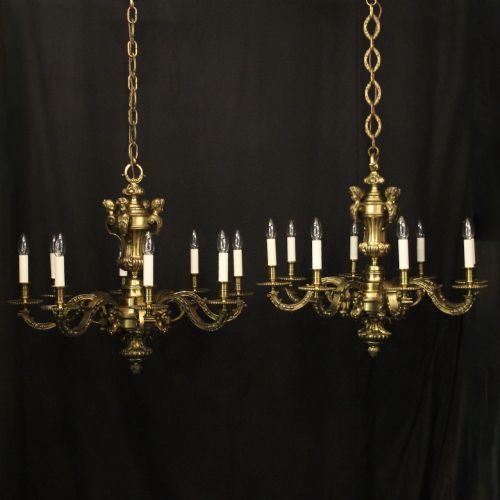
Decorative bronze lighting encompasses functional illumination cast and forged from metal alloys, appearing primarily as table lamps, wall lights, and multi-armed chandeliers. Buyers seeking this phrase encounter pieces ranging from compact single candlesticks to monumental pairs designed for high ceilings.
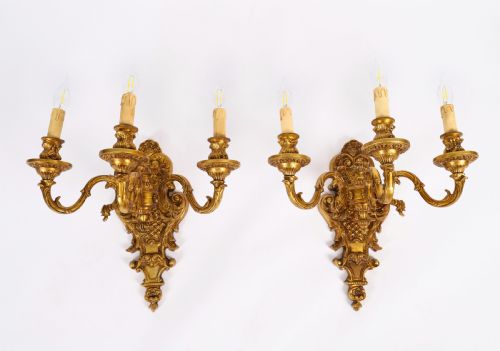
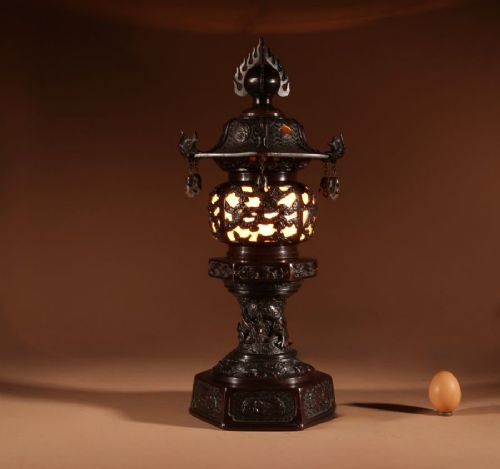
The selections span distinct historical periods, with French Neoclassical, Louis XVI style, and Art Nouveau designs appearing alongside 19th-century works and 1930s productions. Foundries utilised patinated surfaces, gilt bronze, and ormolu to catch ambient light within domestic settings.
How they were made
Foundries shaped these items using traditional metal casting techniques, frequently combining cast bronze and brass with applied fire gilding or ormolu. Artisans chased the cooled metal surfaces by hand to sharpen details like foliage, animal motifs, and architectural mouldings.
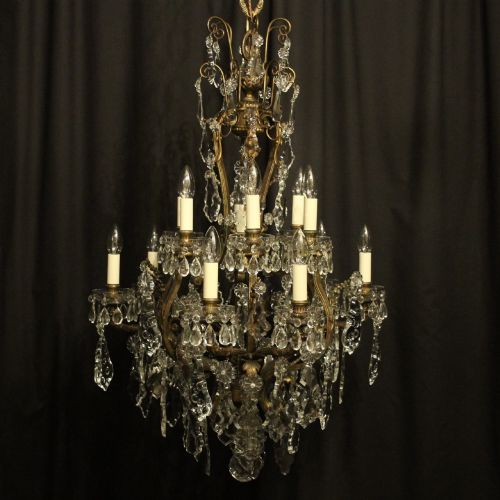
Many structural fixtures incorporate secondary materials including cut crystal drops, marble bases, fabric shades, and moulded glass panels. Cold painting or patination was often applied directly to the bronze or spelter armature to achieve specific colour depths.
Listings feature items dated from the 18th century through the 1930s, encompassing Victorian, Art Deco, and Meiji period aesthetics.
What varies in quality
The crispness of the chased surface detail separates standard production items from superior foundry work. Master artisans spent hours refining cast elements by hand, ensuring sharp edges on acanthus leaves and animal masks.
The weight of the metal and the purity of the gilt bronze or ormolu application determine longevity. Heavier mountings indicate substantial bronze thickness rather than thin hollow casting.
Pierre Philippe Thomire·Barbedienne·Georges Leleu·Abel Landry·Emile Picault·Maison Baguès·Liberty
The Decorative Bronze Lighting Glossary
- Ormolu
- Finely ground high-carat gold applied to a bronze base using a mercury amalgamation technique. This historic process creates a durable, warm golden sheen characteristic of French decorative arts.
- Champlevé
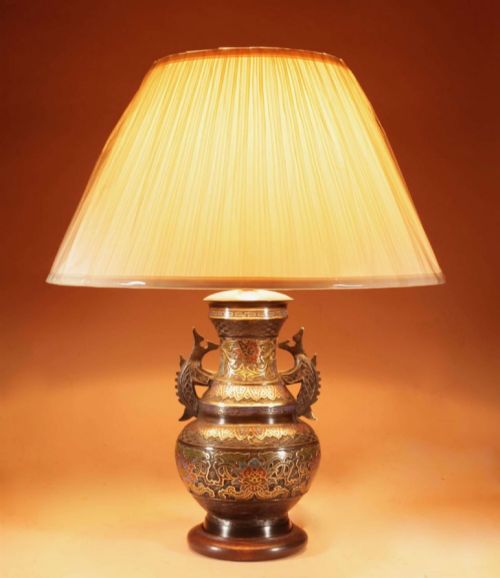
- An enamelling technique where troughs are dug into the bronze surface and filled with vitreous paste before firing. This decorative method creates colourful patterns across the metal body.
- Candelabra
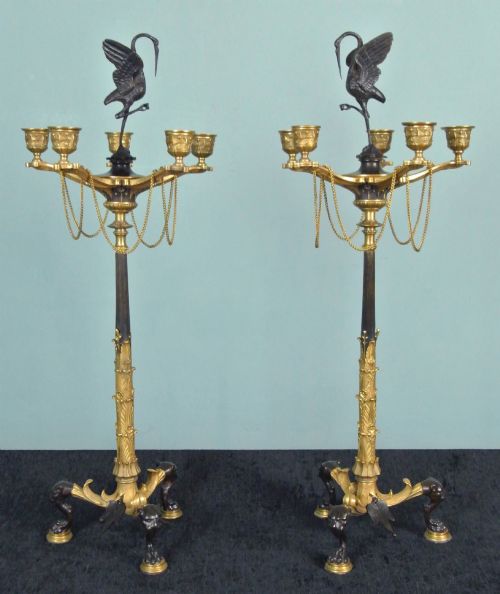
- A branched lighting fixture designed to hold multiple candles or electric bulbs. These substantial pieces frequently feature matching wall brackets or table bases.
- Spelter
- A zinc alloy frequently utilised as a less expensive substitute for bronze. It accepts cold painted finishes readily while remaining lighter than true copper alloys.
- Pate sur pate
- A ceramic decorating method where liquid white porcelain clay is painted in successive layers onto a coloured body. These plaques are occasionally integrated into lamp bases.
Decorative Bronze Lighting: Frequently Asked Questions
How do I wire antique bronze lighting safely?
Professional rewiring preserves internal channels while updating old brass lamp holders to modern safety standards. Rewiring ensures that heavy metal bodies are properly earthed.
Qualified restorers thread modern flexible cords through original stems without altering the exterior patination or structural integrity of the casting.
How do I clean gilt bronze and ormolu?
Dusting surfaces with a soft, dry brush prevents the accumulation of grime within chased recesses. Avoid harsh chemical cleaners that strip historical gilding.
Gentle wiping with a damp cloth followed by immediate drying protects the fragile gold surface layer from moisture damage over time.
Are these pieces converted from candles?
Many antique chandeliers, sconces, and table lamps began life holding wax candles before undergoing conversion to gas or electricity. These adaptations often occurred in the early twentieth century.
Traces of original drip pans or wick holders inside the nozzles frequently indicate whether a fixture started as a candleholder.
How do I identify Louis XVI style lighting?
Louis XVI style pieces display neoclassical symmetry, straight fluted columns, ribbon twists, and classical motifs like ram heads. This aesthetic favours geometric restraint over earlier curved asymmetry.
Foundries reproduced these balanced proportions extensively during the nineteenth century to satisfy demand for formal interior schemes.