





Decorative Black Lamp Table
These decorative black lamp table pieces bring surface interest and utility to a corner, combining dark finishes with practical illumination.
Decorative Black Lamp Table
When you search for a decorative black lamp table, you encounter a variety of forms including occasional tables, wine tables, side tables, and table lamps themselves. These items span periods from the 1800s through the Victorian era up to 1930, reflecting diverse origins.
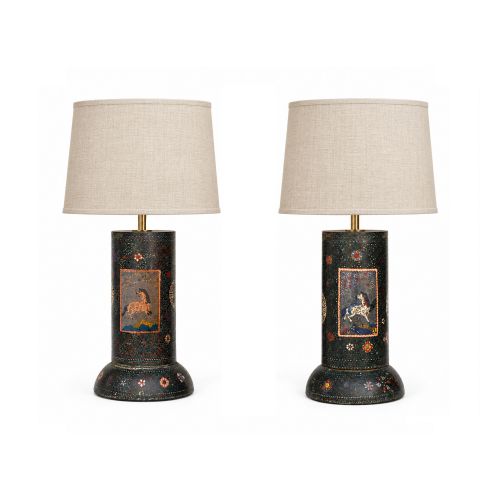
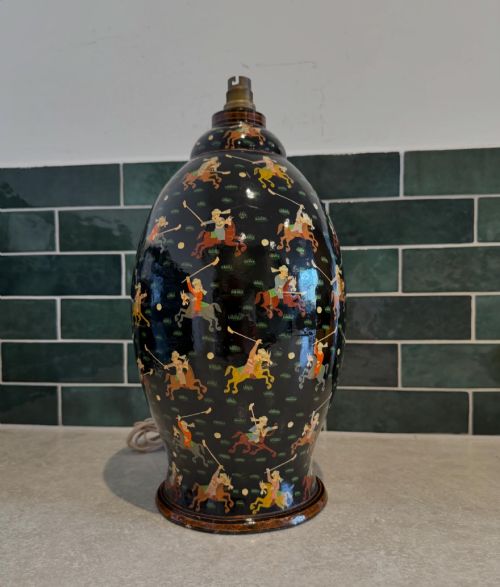
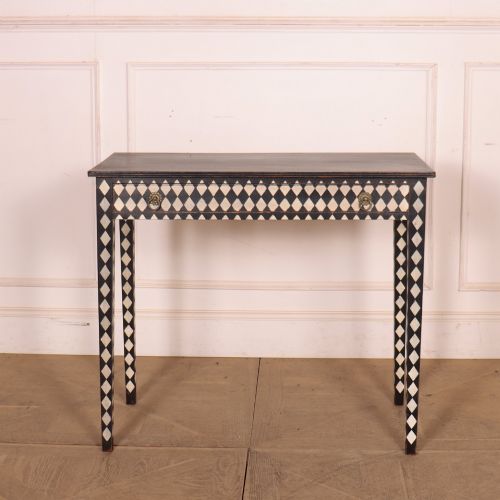
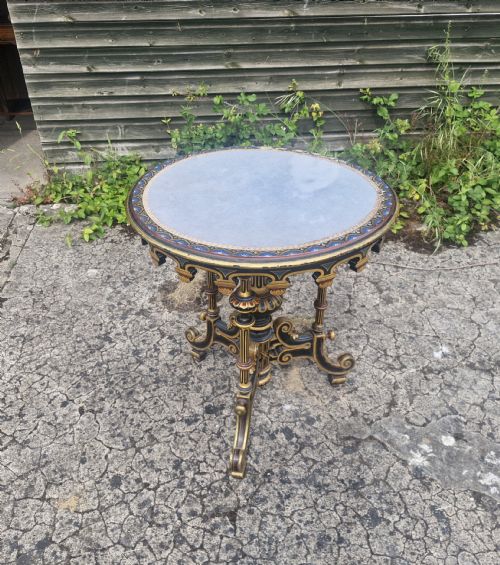
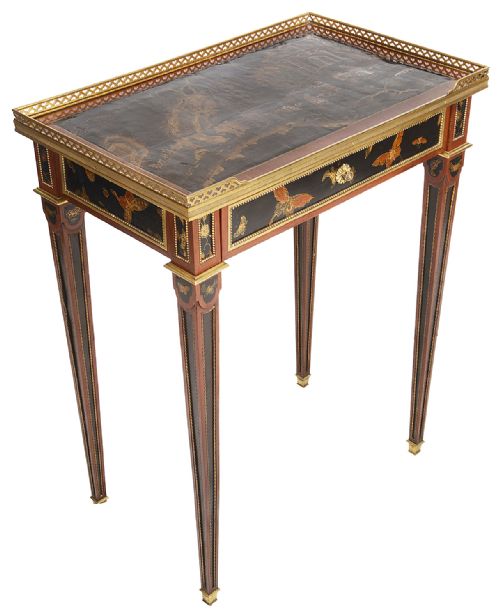
The selections on this page lean heavily towards painted and lacquered finishes, often displaying styles such as Chinoiserie, Kashmiri Folk Art, and Victorian Gothic Revival. Many examples function as small stands or converted vessels serving ambient lighting needs.
Form and decoration take precedence in these objects, whether through papier-mâché, cast iron, or ebonised wood bases. Buyers often select them to anchor a room with dark tones and intricate surface detail.
How they were made
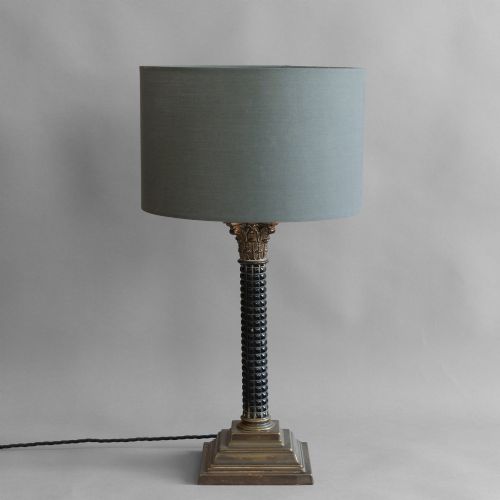
Construction relies on traditional woodworking, cast metal, and papier-mâché, shaped into columns, tiered stands, and occasional tables. Artisans utilised woods, brass, bronze, and iron as structural foundations for subsequent decorative treatments.
Surface ornamentation is paramount, featuring black paint, lacquer, and gold leaf applied to create rich visual depth. Chinoiserie and folk art motifs are hand-applied, sometimes paired with fabric elements or marble components for added weight and texture.
Decorative Black Lamp Table Retail Price Guide 2026
Typical asking prices for decorative black lamp table among the pieces listed under this phrase on Sellingantiques today, from the lower quarter to the upper quarter. They describe what is for sale here now, not the wider market.
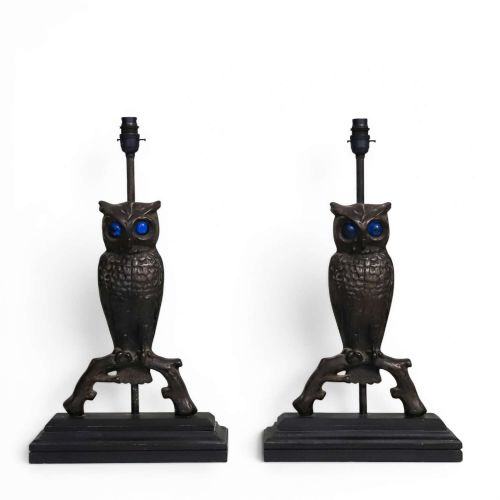
Some nineteenth-century lighting solutions began life as heavy iron fireplace andirons before finding a second career as owls.
What varies in quality
Quality rests in the execution of the surface decoration, where hand-painted details, lacquer depth, and gold leaf application dictate the visual impact of the piece. Finer examples display crisp motifs and harmonious proportions across tripartite bases and tiered structures.
The choice of underlying material also separates tiers of production, with solid bronze, cast iron, or carefully shaped papier-mâché offering greater substance than simpler secondary woods. Original conversion work, such as repurposed tea canisters or andirons, depends entirely on the integration of the components.
The Decorative Black Lamp Table Glossary
- Chinoiserie
- European decorative style reflecting Chinese artistic influences, frequently featuring painted black lacquer and gilt motifs. It appears prominently on tables and lamp bodies from the nineteenth century.
- Ebonised
- Wood finished to resemble ebony, typically through dark staining or black paint. This treatment creates a uniform, dark surface popular on nineteenth-century table bases.
- Lacquer
- A durable resin finish applied in multiple layers and polished to a smooth sheen. It forms the protective and decorative surface on Asian and European inspired decorative furniture.
- Papier-mâché
- A composite material made from paper pulp or layers of paper bound with adhesive, then moulded and painted. It provides a lightweight yet sturdy base for decorative trays and tables.
- Tripartite base
- A support structure featuring three distinct feet or legs, often arranged symmetrically. This configuration is commonly found on small occasional and wine tables.
Decorative Black Lamp Table: Frequently Asked Questions
What is a decorative black lamp table?
It is a small piece of furniture or lighting fixture finished in dark or black paint, lacquer, or ebonised wood. These items serve both as functional stands and decorative focal points.
They encompass occasional tables, wine tables, and integrated lamp columns dating from the nineteenth and early twentieth centuries.
How do I identify Chinoiserie style?
Chinoiserie style is marked by European interpretations of East Asian artistic traditions, often showing figures, landscapes, or floral patterns in gold upon a dark background.
On these tables, the technique appears as hand-painted lacquer work that emphasises ornamental motifs over natural wood grain.
Were these tables used for lighting originally?
Many items designed as occasional tables or tea canisters were adapted later for electrical lighting, while others were built specifically as lamp bases.
Conversions from objects like andirons or tea vessels reflect a historical practice of repurposing decorative metalwork and containers into functional household lighting.
What materials are common in these pieces?
Common materials include wood, brass, bronze, cast iron, glass, and papier-mâché, frequently finished with paint, lacquer, and gold leaf.
Combination pieces often pair heavy metal bases or marble sections with lighter wooden structures or fabric lampshades.
How do I care for lacquered surfaces?
Lacquered and painted surfaces require gentle dusting with a soft, dry cloth to prevent scratching the polished finish.
Keep these items away from direct sunlight and excessive moisture to preserve the integrity of the paint, gold leaf, and lacquer layers.