




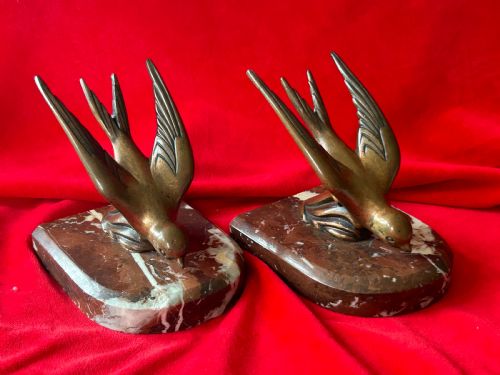

Decorative Bird Statue
A decorative bird statue brings life and character to a room, capturing avian form in bronze, wood, porcelain and stone.
Decorative Bird Statue
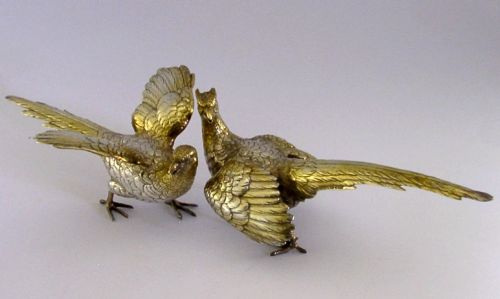
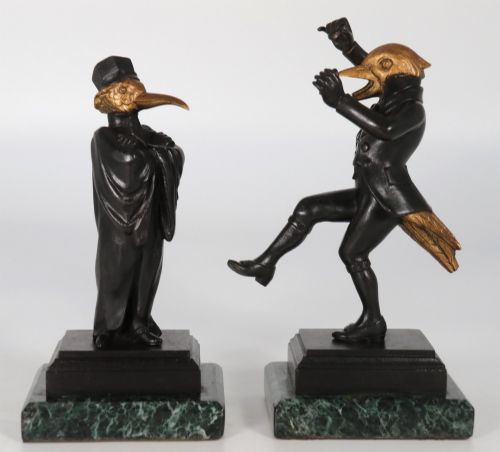
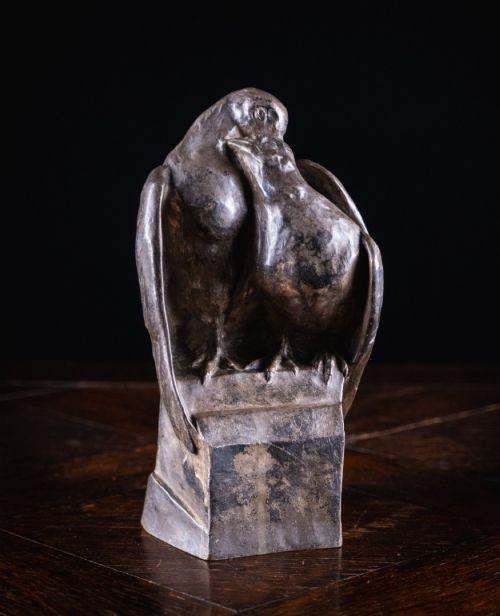
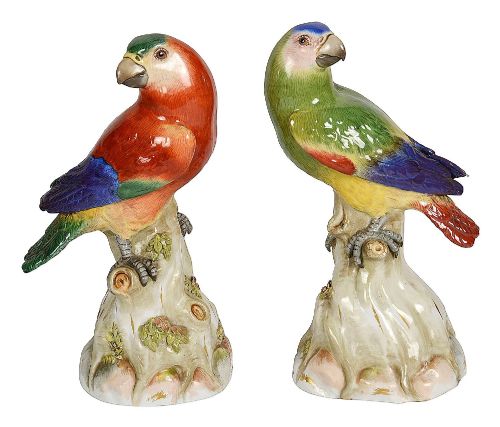
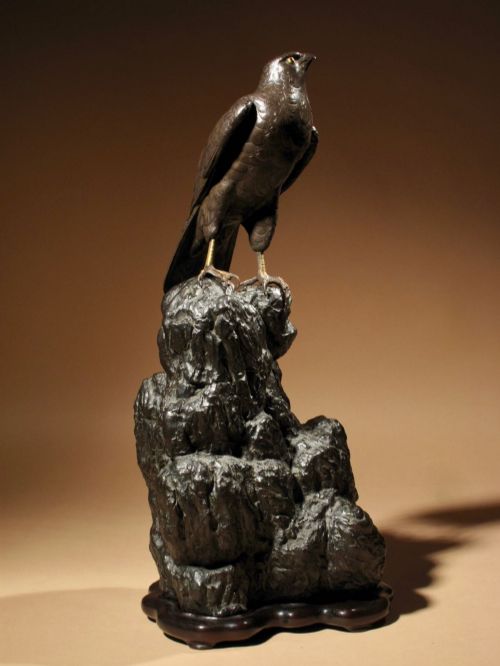
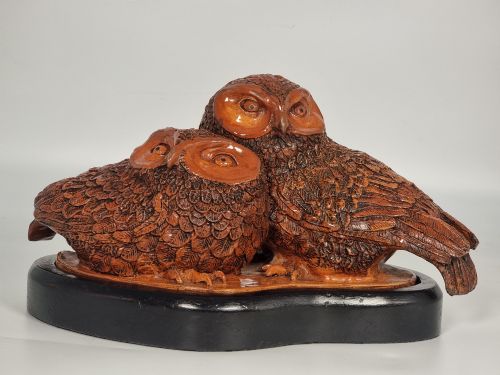
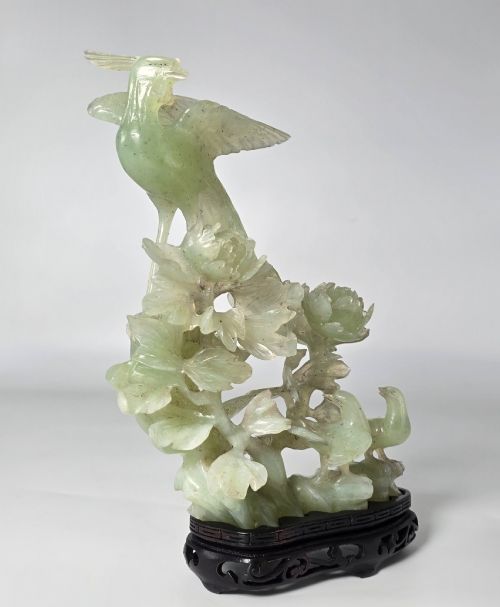
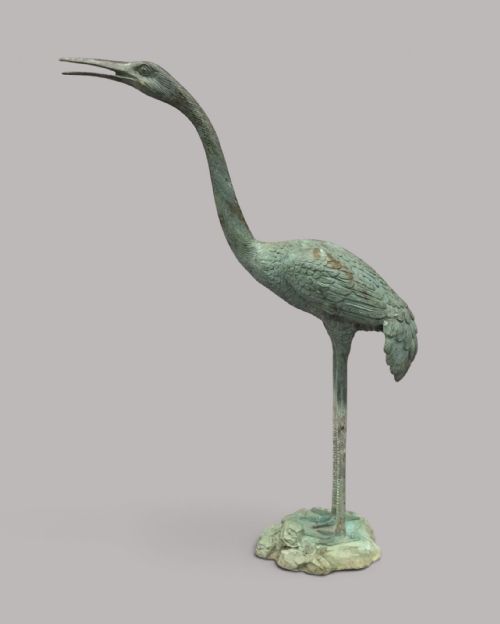
A decorative bird statue encompasses sculptural figures of parrots, cranes, owls, hawks, ducks, cockerels, quails, eagles, herons, curlews and pheasants. These figures span the nineteenth century through the mid twentieth century, drawing on European folk art, Chinese imperial traditions, Art Nouveau and Art Deco styles.
The objects appear as single sculptural models, imposing pairs, bookends and table ornaments. Materials range from cast bronze and giltwood to carved hardwood, earthenware, porcelain, cloisonne enamel and sterling silver.
Buyers will encounter Victorian carved wooden models, Chinese porcelain and cloisonne figures, and Continental bronze groups. These sculptures function as decorative focal points for mantelpieces, desks and side tables.
How they were made
Sculptors utilised metal casting for bronze, brass and sterling silver figures, often finishing the surfaces with patination, gilding or enamel work. Cloisonne pieces incorporate wire cells filled with enamel paste and fired to create detailed plumage patterns.
Wooden statues rely on hand carving in pine, hardwood and giltwood, sometimes enhanced with penwork or mounted on brass and ebonised bases. Ceramic and porcelain examples involve hand sculpting, earthenware casting, and the application of sancai or famille rose glazes.
Decorative Bird Statue Retail Price Guide 2026
Typical asking prices for decorative bird statue among the pieces listed under this phrase on Sellingantiques today, from the lower quarter to the upper quarter. They describe what is for sale here now, not the wider market.
Listings feature avian sculptures cast in bronze, brass, silver and copper, alongside carved wooden and stone examples.
What varies in quality
Quality rests upon the naturalism and anatomical precision of the carving or casting. Master makers capture the tension in a hawk, the delicate feather overlap of a quail, or the fluid movement of fighting cockerels.
Material finish and base composition also define the tier of the piece. Fine examples feature crisp chasing on bronzes, vibrant and intact cloisonne enamels, rich polychrome glazes on porcelain, and substantial mounts in brass or mahogany.
Meissen·Gabriella Binazzi
The Decorative Bird Statue Glossary
- Cloisonne enamel
- A metalwork technique where fine wires are soldered to a metal body to create compartments that are filled with enamel paste and fired.
- Sancai glaze
- A three colour lead glaze tradition used on Chinese ceramics, typically combining green, amber and cream tones.
- Famille rose
- A palette of opaque enamel colours dominated by pink, introduced to Chinese porcelain decoration during the Qing dynasty.
- Giltwood
- Timber, such as pine or hardwood, that has been coated with a thin layer of gold leaf.
Decorative Bird Statue: Frequently Asked Questions
Where should I place a decorative bird statue?
These sculptures suit prominent spots like mantelpieces, sideboards, or library shelves where their forms can be appreciated at close range. Pairs often anchor symmetrical arrangements on console tables.
Smaller figures and bookends work well on desks or flanking collections of books, while larger bronze or wooden statues command attention as floor or tabletop centrepieces.
How do I care for bronze and metal bird figures?
Dust metal sculptures regularly with a soft, dry cloth to prevent grime accumulation. Avoid harsh chemical cleaners that can strip original patination or damage delicate enamel work.
For pieces with mixed media like wood or sea shells, keep them away from direct sunlight and excessive humidity to preserve the integrity of the materials.
How can I tell the period of a wooden bird sculpture?
Examine the tooling marks and the type of wood utilised, as Victorian pieces often feature dense pine, mahogany or giltwood with hand carved details. Nineteenth century folk carvings display distinct hand tool signatures compared to later twentieth century production methods.
Base construction and mounting materials, such as ebonised wood or brass stands, also offer clues to the era of manufacture.
What is the difference between porcelain and earthenware bird figures?
Porcelain figures are fired at higher temperatures, resulting in a vitrified, non porous body that often shows fine translucent qualities and smooth glazed surfaces like famille rose or Meissen styles. Earthenware is a lower fired ceramic that is porous unless glazed.
Earthenware bird statues, such as terracotta cockerels or studio pottery owls, present a heavier, more tactile matte or sancai glazed finish.