

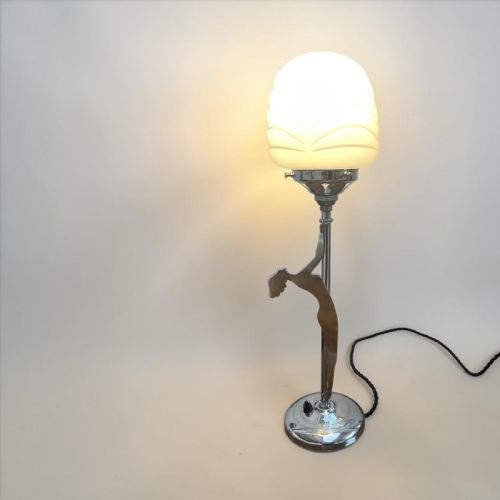
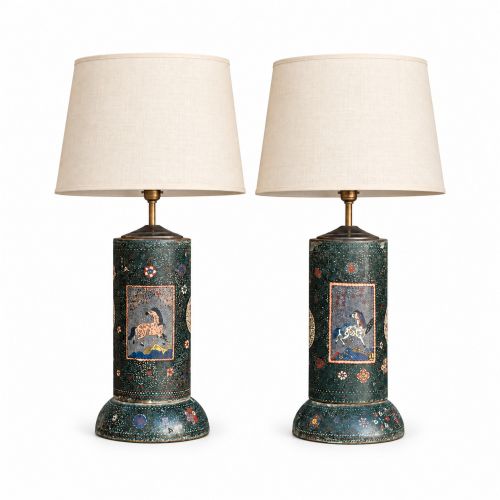
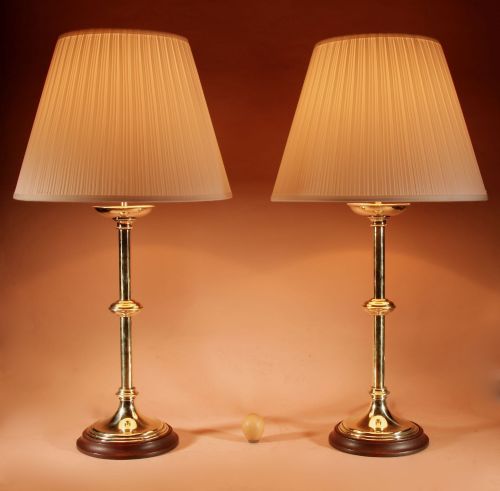
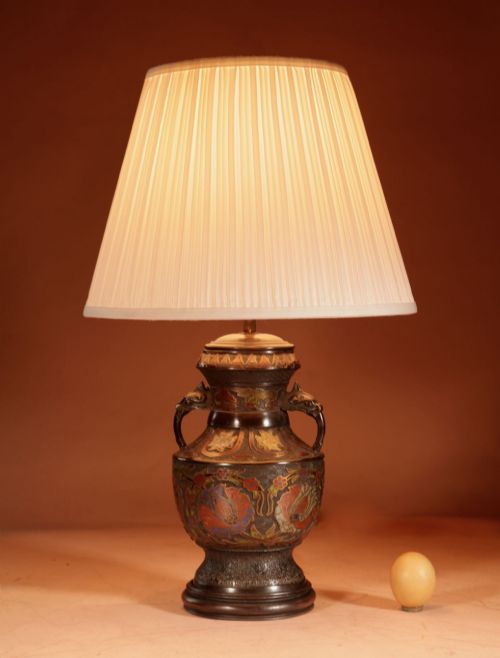
Decorative Bedside Light
A decorative bedside light provides focused illumination and character, bringing warmth and texture to a bedroom scheme.
Decorative Bedside Light
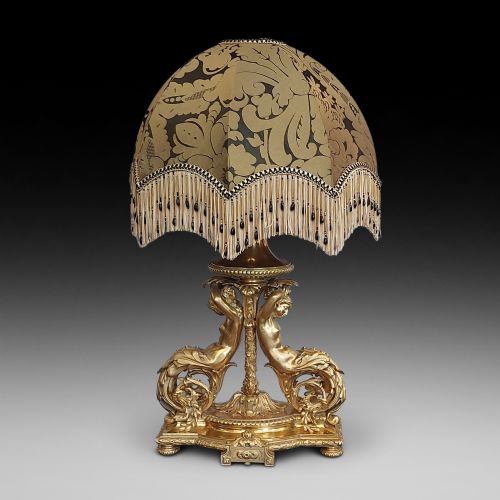
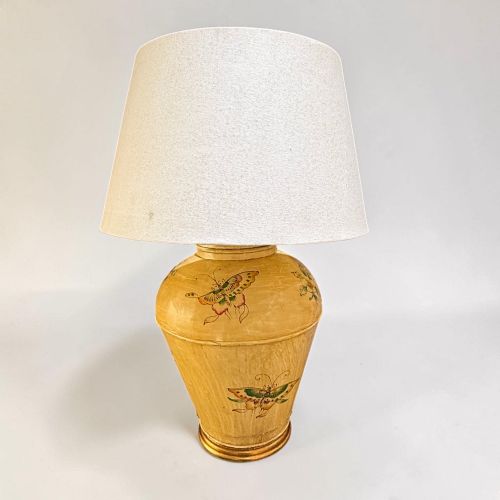
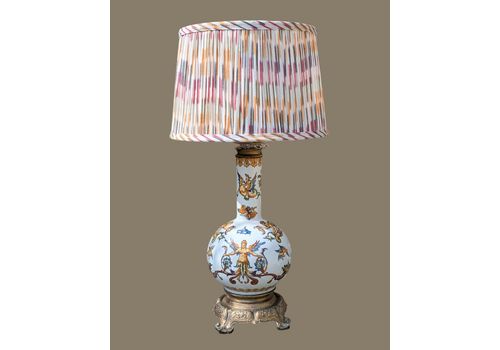
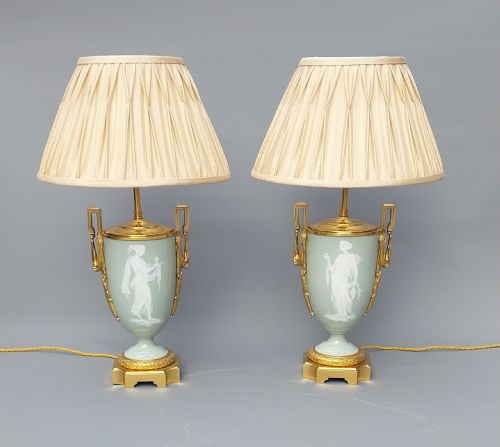
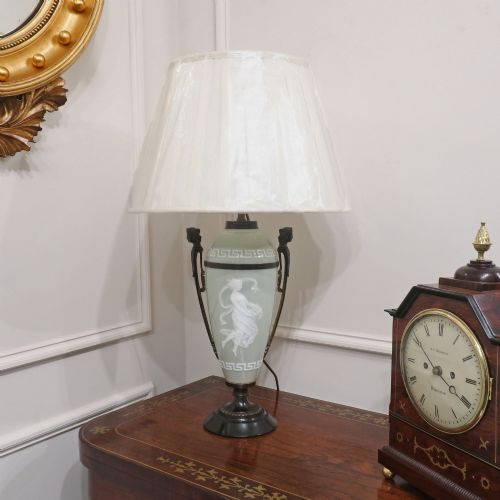
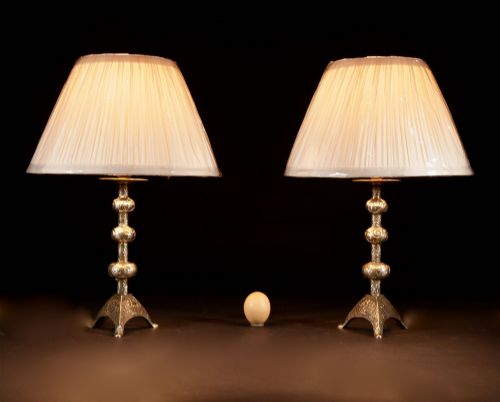
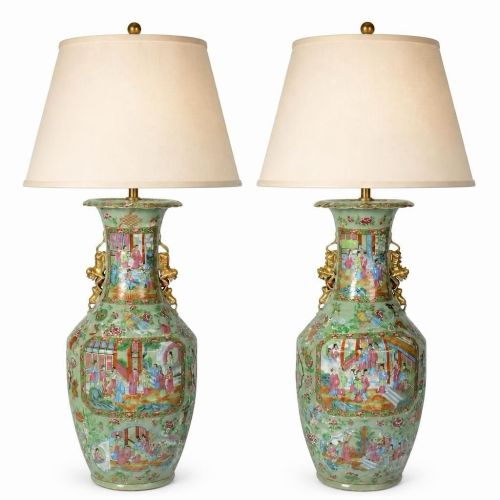
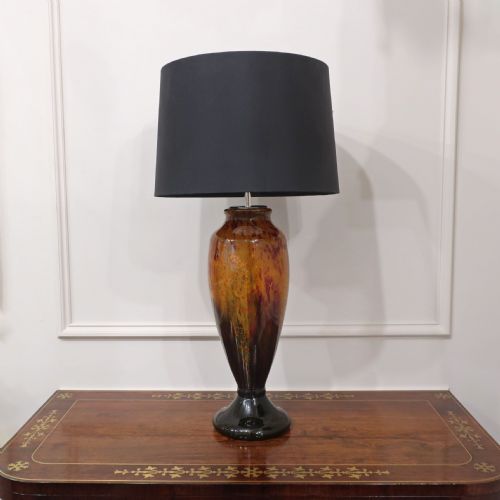
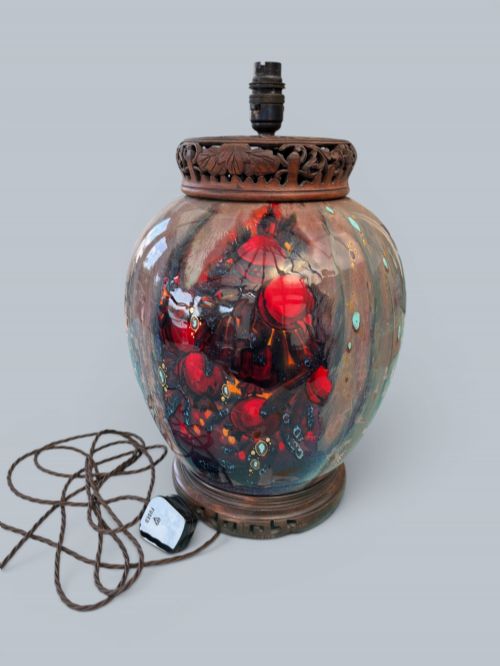
A decorative bedside light encompasses table lamps and candle holders sourced from periods spanning the nineteenth century through the mid twentieth century. These pieces often originate from conversions of earlier vases, ewers, and tea canisters into functional illumination.
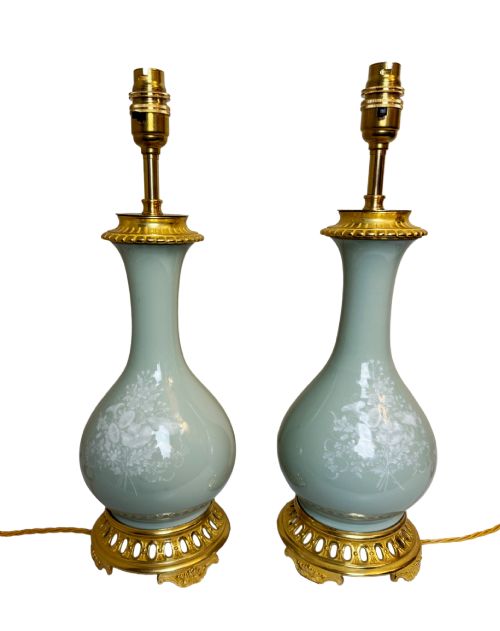
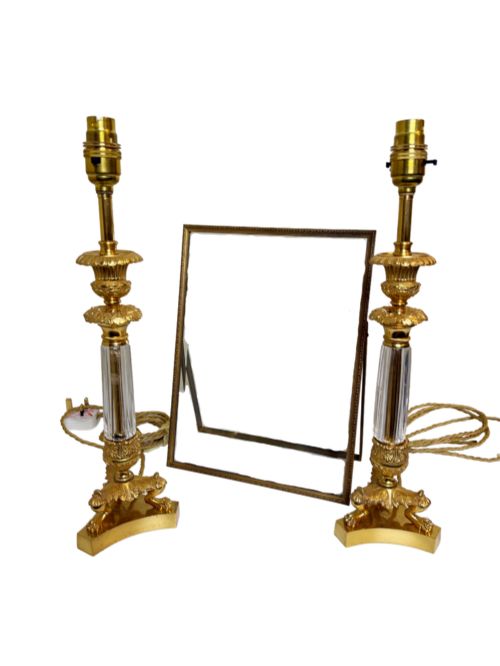
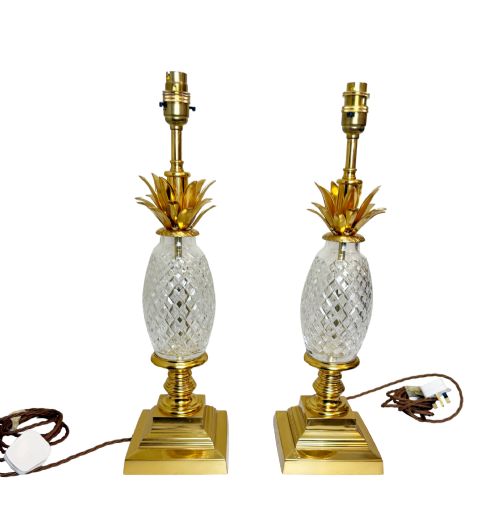
The selection ranges from neoclassical column designs in brass to rich ceramic bodies, including Satsuma and Paris porcelain. Pairs frequently appear alongside single monumental examples.
Stylistic influences draw heavily from French, Japanese, and Chinese traditions, incorporating motifs such as Chinoiserie and Anglo-Indian details.
Materials and construction
Maker construction frequently combines cast brass, ormolu, and bronze mounts with delicate porcelain or glass bodies. Surfaces display intricate hand-painted details, champleve work, or pâte-sur-pâte techniques.
Many items utilise converted vessels, integrating electrical wiring into older metalwork, carved marble, and cut crystal structures.
Decorative Bedside Light Retail Price Guide 2026
Typical asking prices for decorative bedside light among the pieces listed under this phrase on Sellingantiques today, from the lower quarter to the upper quarter. They describe what is for sale here now, not the wider market.
Materials across these listings include brass, porcelain, fabric, wood, gilt bronze, metal, bronze, and lacquer.
Assessing quality and design
Quality rests upon the crispness of metal chasing in ormolu and bronze mounts alongside the fidelity of hand-painted ceramic decoration. Superior examples demonstrate precise assembly where mounts align securely with porcelain or glass bodies.
Material selection divides standard utilitarian pieces from exceptional decorative items, particularly where fine cut crystal, specialised glass types, or imported Asian porcelain are employed.
The Decorative Bedside Light Glossary
- Ormolu
- Gilded bronze applied as decorative mounts on furniture and lamps. It provides a rich golden finish that catches ambient light.
- Pâte-sur-pâte
- A ceramic decorating technique where liquid clay is applied layer upon layer to create a raised relief design. This method produces subtle tonal variations against a contrasting background.
- Champlevé
- An enamelling technique where troughs are dug into a metal surface and filled with vitreous enamel before firing. It creates vibrant patterns on bronze lamp bases.
- Paris Porcelain
- High quality porcelain produced by various independent factories in Paris during the eighteenth and nineteenth centuries. Pieces are noted for bright colour palettes and gilding.
- Satsuma
- Japanese earthenware featuring a crackled cream glaze decorated with enamels and gilt. These vessels are frequently adapted into striking table lamps.
Decorative Bedside Light: Frequently Asked Questions
Can antique vases be safely used as lamps?
Many antique lamps originate from vessels like vases or ewers that were adapted for electrical fittings later in their lifespan. These conversions allow historic objects to serve modern domestic functions without losing their decorative presence.
Wiring methods vary, so buyers often inspect the internal fittings to ensure the original ceramic or metal body remains undamaged by the electrical conversion.
How do I identify French neoclassical style?
French neoclassical style draws inspiration from classical antiquity, featuring symmetrical forms, architectural columns, and restrained ornamentation. You will often see bronze mounts, marble bases, and classical motifs like acanthus leaves.
These pieces prioritise balance and proportion, distinguishing them from the more exuberant rococo styles or the geometric patterns of later decades.
What maintenance do antique metal lamps need?
Antique brass, bronze, and ormolu surfaces require gentle dusting with a soft cloth to prevent dust accumulation in recessed details. Avoid harsh chemical polishes that can strip away historic patination and original gilding.
Periodic checks of the wiring by a qualified professional ensure safe domestic operation while preserving the integrity of the antique base.