





Decorative Asian Enamel Dish
A decorative asian enamel dish brings intricate artistry into a room, capturing centuries of meticulous craft in copper, porcelain and bronze.
Decorative Asian Enamel Dish
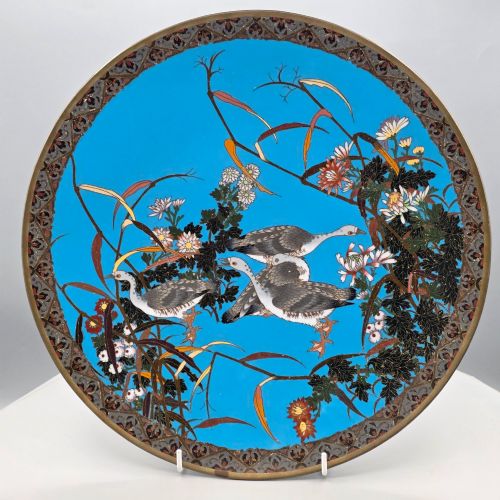
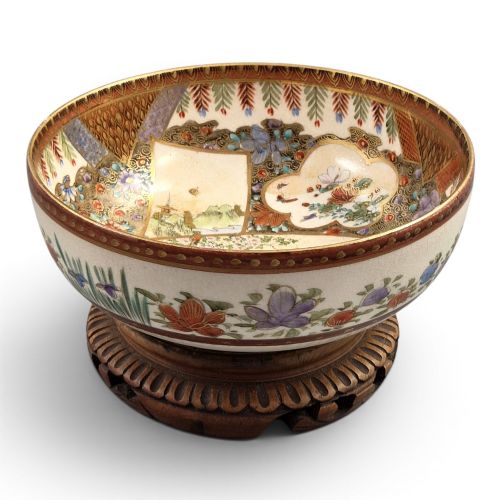
A decorative asian enamel dish encompasses large chargers, plates, bowls and trays originating from Japanese and Chinese workshops. When exploring this selection, a buyer encounters numerous pieces from the nineteenth century, particularly the Meiji and Edo periods.
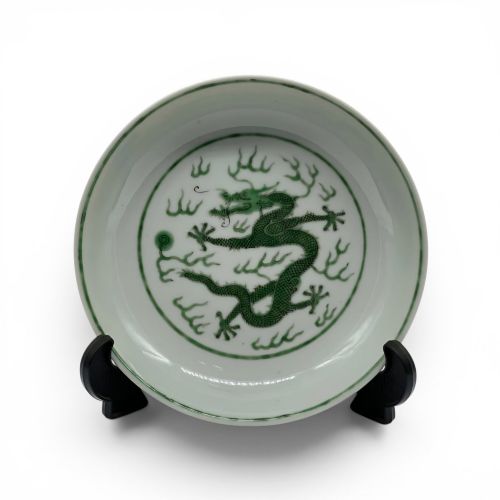
Motifs span the natural world and mythology, depicting birds such as ho-o phoenixes, ibises and geese, alongside leaping koi, dragons, samurai and auspicious symbols. Many examples display the distinctive aesthetic of Japanese Meiji production or Chinese Canton traditions.
Materials and construction techniques
Cloisonne pieces utilise thin metal wires soldered onto copper or bronze bases to form compartments, which artisans then fill with coloured enamel paste before firing and polishing. This wirework technique creates precise borders for detailed imagery like feathers, scales and floral tendrils.
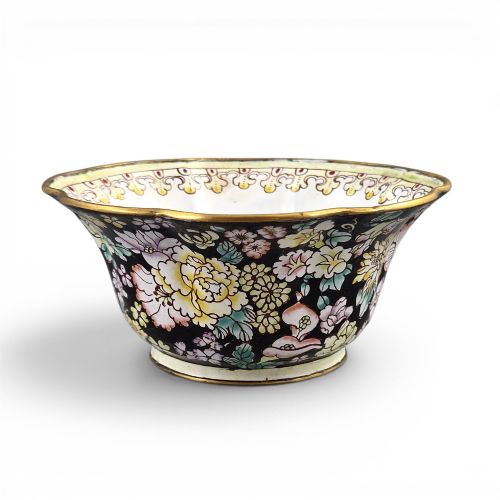
Other creations employ painted enamel directly onto copper vessels, while ceramic alternatives rely on earthenware and porcelain bodies decorated with pigments, gold leaf and glaze. Workshops applied these diverse methods to achieve durable surfaces capable of holding vibrant, permanent colour.
Decorative Asian Enamel Dish Retail Price Guide 2026
Typical asking prices for decorative asian enamel dish among the pieces listed under this phrase on Sellingantiques today, from the lower quarter to the upper quarter. They describe what is for sale here now, not the wider market.
Listings incorporate nineteenth-century production alongside eighteenth-century pieces, spanning copper, bronze, porcelain and cloisonne enamel.
Evaluating craftsmanship and execution
Quality rests upon the precision of the metalwork and the control demonstrated during the enamel firing process. Finer pieces display exceptionally delicate wire cells, smooth polished surfaces free of pitting, and intricate shading within the pictorial subjects.
The complexity and scale of the design further distinguish exceptional examples from standard production, particularly when artists incorporate dynamic perspectives, such as leaping koi or detailed avian plumage. Signed works by recognised makers demonstrate superior individual artistry compared to unsigned commercial output.
Kozan·Meizan·Kinkozan
The Decorative Asian Enamel Dish Glossary
- Cloisonne Enamel
- A technique where metal wires are affixed to a base to create cells filled with enamel paste. These compartments keep different coloured pastes separated during the firing process.
- Charger
- A large decorative plate or dish intended for display rather than dining use. These substantial pieces frequently measure over thirty centimetres across.
- Meiji Period
- The era in Japanese history spanning from 1868 to 1912, characterised by a flourishing of decorative arts for export. Works from this time often show extraordinary technical refinement.
- Qing Dynasty
- The final imperial dynasty of China, lasting from 1644 to 1912. Enamels and porcelains from this period frequently exhibit imperial styles and rich symbolic decoration.
- Imari
- A style of Japanese export porcelain featuring underglaze blue and overglaze red, gold and green. It takes its name from the port where items were shipped to Europe.
Decorative Asian Enamel Dish: Frequently Asked Questions
How do I date a japanese enamel dish?
Dating relies on stylistic markers, materials and workshop signatures that connect pieces to specific periods like the Meiji era or late Edo period.
Nineteenth-century examples frequently combine meticulous cloisonne wirework with naturalistic motifs such as birds, dragons and mount Fuji.
Where were chinese painted enamel bowls made?
Chinese painted enamel vessels were notably produced in centres such as Canton during the Qing Dynasty, particularly around the late nineteenth century.
These pieces utilised copper bases painted directly with colourful enamel designs rather than relying on metal wire cells.
How should I display a decorative dish?
These dishes suit prominent placement on sturdy plate stands or secure wall mounts where their intricate surface patterns remain visible.
Their substantial scale and vibrant imagery allow them to serve as focal points within traditional or contemporary interiors.