



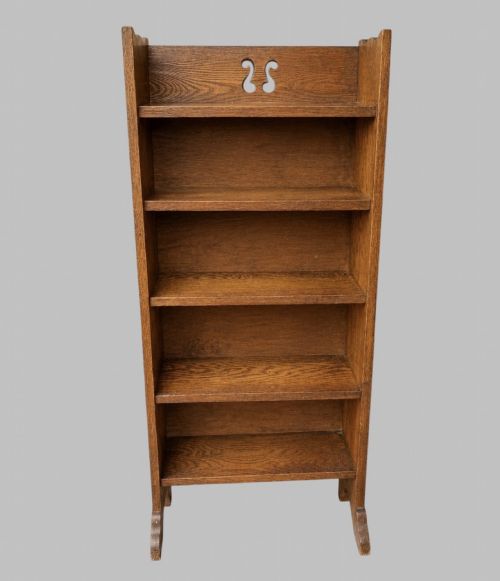


Decorative Art Stand
A decorative art stand gathers the functional furniture and display hardware of the nineteenth and twentieth centuries.
Decorative Art Stand
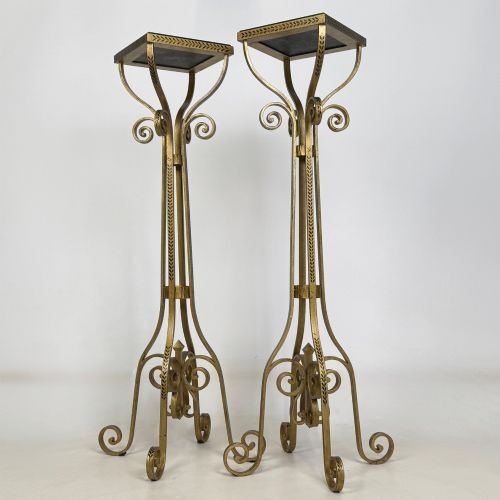
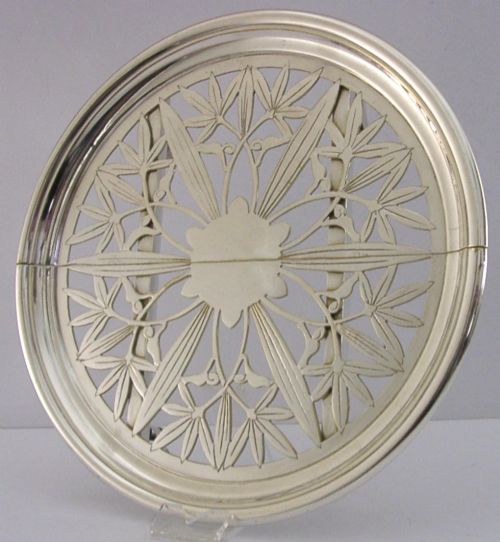
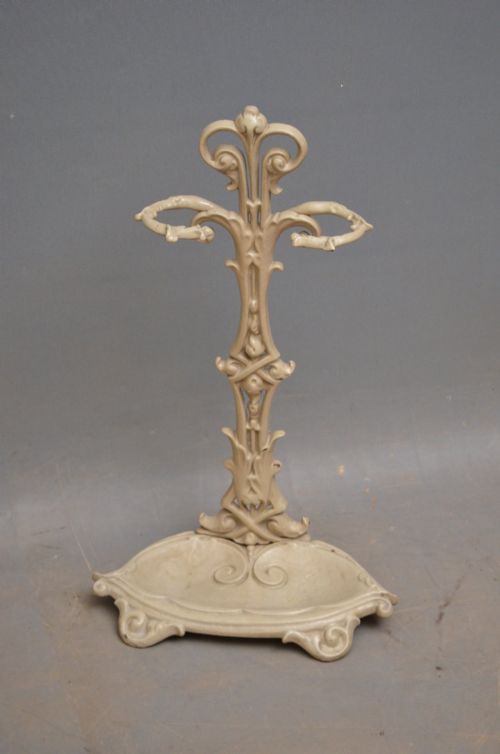
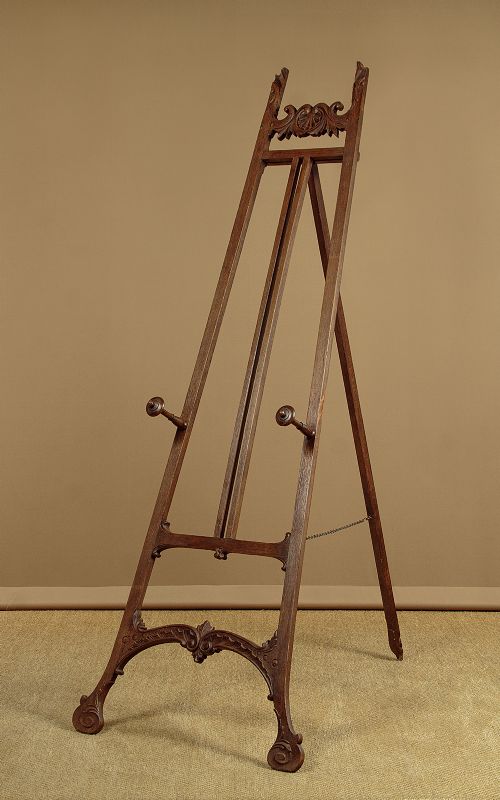
A decorative art stand encompasses items designed to support, elevate, or frame domestic objects across periods spanning the nineteenth century through the nineteen-thirties. Buyers searching this phrase encounter plant stands, pedestals, torchiere columns, and display easels alongside smaller tabletop frames, epergnes, and inkstands.
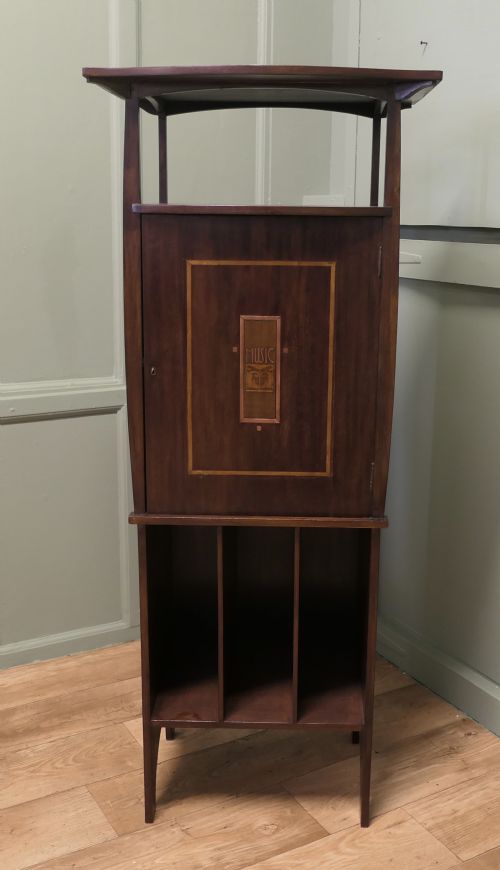
The material record leans heavily toward the stylistic movements of the era, notably Art Nouveau, Art Deco, and Arts and Crafts designs. Pieces range from architectural Amsterdam School metalwork and French bronze candlesticks to oak music cabinets and carved wooden pedestals.
Origin points vary widely, including English workshops, Scottish cabinets, French silver-plate manufacturers, and Dutch design schools. The selection merges utilitarian furniture with ornamental household accessories.
Assessing the work
Quality rests upon the integrity of the materials and the crispness of the execution, whether in the carving of a wooden easel or the casting of a brass standard lamp. Superior examples display thoughtful integration between the supporting stand and the object it displays, maintaining proportion and balance.
Artistic authorship and distinct stylistic attribution elevate certain pieces, particularly those bearing the hallmarks of recognised designers or specific regional schools like the Amsterdam School. The retention of original components, such as ink bottles, glass inserts, or specific metal patination, distinguishes the best surviving examples.
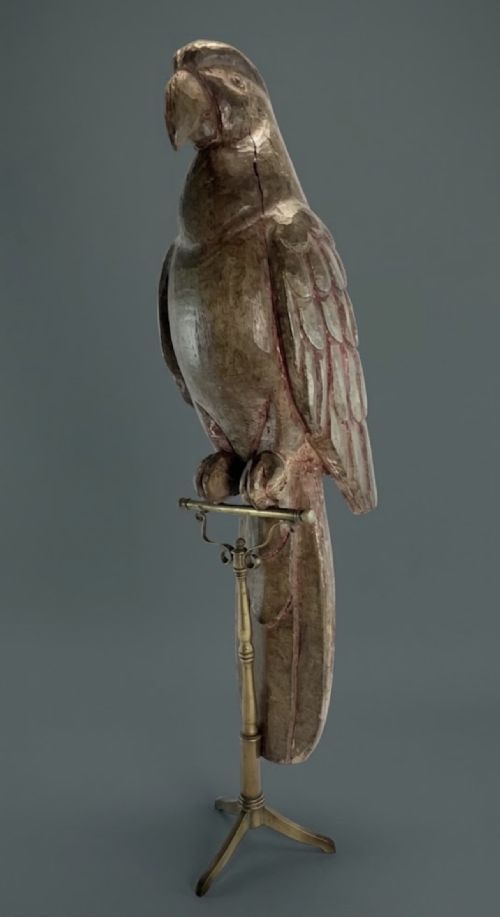
A carved wooden parrot keeps watch from a brass perch.
GM Elwood·JS Henry·Rene Lalique·Maison Krieger·Abel Landry·Decoro England·Liberty and Co·Christofle
The Decorative Art Stand Glossary
- Epergne
- A tabletop centrepiece featuring multiple branching holders, typically used for fruit, sweets, or floral arrangements.
- Torchiere
- A tall stand or floor lamp designed to hold a light source high, often taking the form of a slender column or pedestal.
- Pricket
- A candlestick featuring an upright spike upon which a candle is impaled, rather than sitting inside a socket.
- Faience
- Tin-glazed earthenware popular in decorative pottery and jardinières during the nineteenth century.
- Spelter
- An alloy of zinc and other metals cast to imitate bronze, frequently utilised for decorative figures and frames in the early twentieth century.
Decorative Art Stand: Frequently Asked Questions
What is a decorative art stand used for?
These pieces serve to elevate, frame, or support other decorative objects within an interior space. Items range from floor-standing plant pedestals and torchiere columns to tabletop easels and inkstands.
They combine utility with strong stylistic design, acting as functional furniture that also displays art, photographs, or botanical specimens.
How do I identify Art Nouveau stands?
Art Nouveau pieces typically display organic, flowing lines inspired by natural forms, featuring whiplash curves and floral motifs. Materials often include cast brass, copper, and patinated bronze.
Look for stylized plant tendrils, female figures, and asymmetrical designs characteristic of the period around nineteen hundred.
What materials are common in these pieces?
Construction materials vary according to the period and style, encompassing hardwoods like oak, walnut, and ebony. Metals such as brass, wrought iron, copper, and silver plate appear frequently.
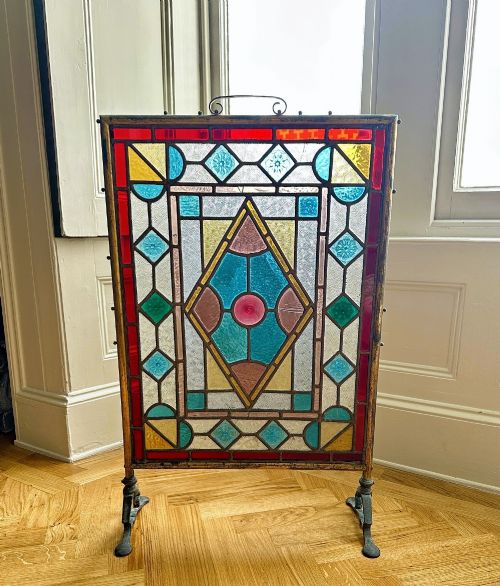
Many pieces incorporate contrasting elements like marble tops, ceramic jardinières, stained glass, or mirrored panels to enhance their decorative impact.
How do I style these stands at home?
Placing a plant stand or pedestal in a corner adds vertical height and architectural interest to a room. Tabletop easels and frames suit mantelpieces or desks for displaying artwork and photographs.
Pairing items like copper coal buckets or dinner gongs with complementary period furniture helps maintain a cohesive aesthetic.