




Decorative Art Deco Bronze
Decorative art deco bronze pieces bring the bold, streamlined energy of the early twentieth century straight into your interior.
Decorative Art Deco Bronze
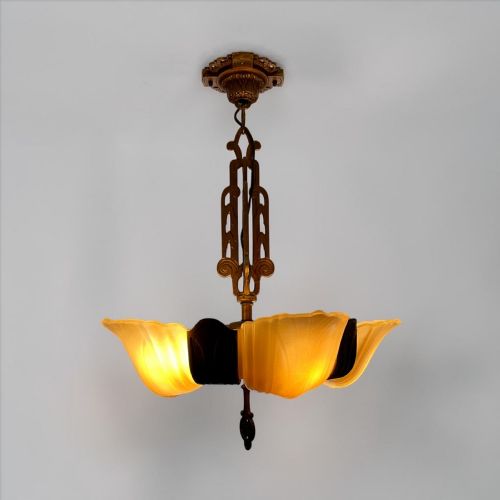
When you search for decorative art deco bronze, you encounter figures, bookends, lamps, and architectural pieces that capture the dynamic spirit of the period. Most examples originate from the 1920s and 1930s, reflecting the sleek aesthetic and machine-age optimism of those decades.
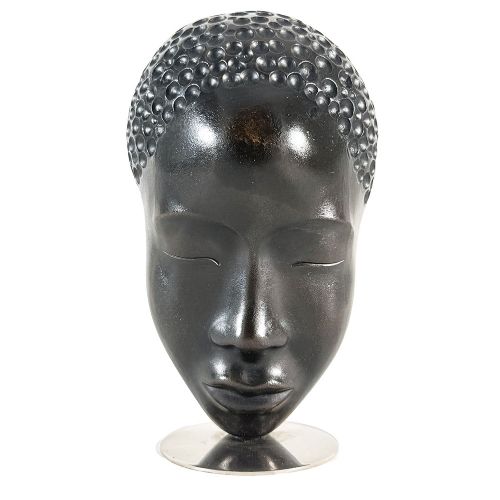
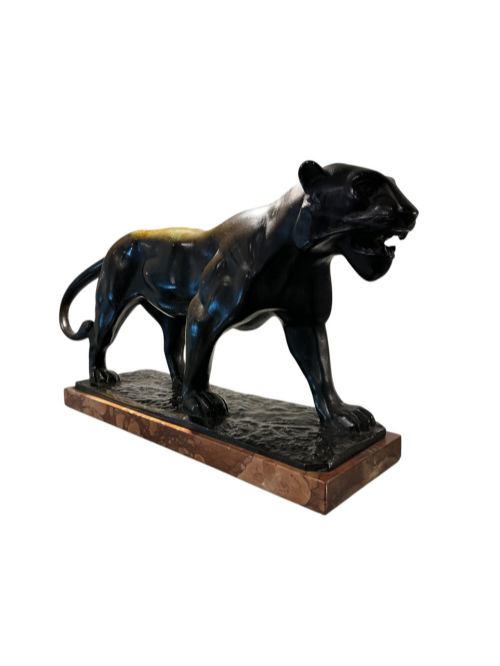
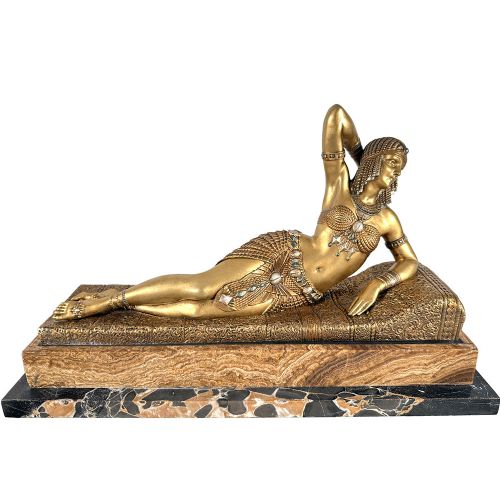
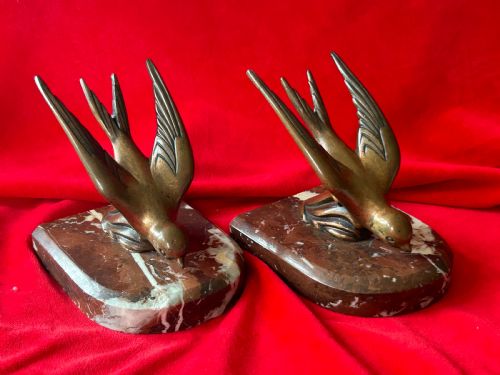
The objects take many forms, from reclining dancers and animal studies to functional desk accessories and lighting. Figures often stand upon contrasting stone bases, while sculptural groups portray dancers, children, and animals with characteristic stylisation.
How they were made
These pieces rely on metal casting techniques, utilising bronze, silvered bronze, patinated metal, and alternative alloys such as spelter or brass. Metalwork is frequently combined with dense natural supports like marble, onyx, alabaster, and glass.
Surface finishes involve cold painting, patination, or gilding to enhance the linear details and garment folds typical of the style. Heavier elements are mounted securely to stone plinths using threaded bolts and pins.
Listings feature items primarily dated to the 1920s and 1930s, alongside occasional pieces from the mid nineteenth century and later decades.
What varies in quality
The choice and execution of the base material also indicate grade. Fine pieces use richly veined marble or onyx cut to precise geometric proportions that complement the metal sculpture above.
Ferdinand Preiss·Raymond Subes·Demetre Chiparus·Josef Lorenzl·Alexandre Kelety·Ugo Cipriani·Pierre le Faguays
The Decorative Art Deco Bronze Glossary
- Patinated metal
- Metal treated with chemical solutions to produce a specific surface colour and tone. This process highlights sculptural contours and protects the underlying material from oxidation.
- Spelter
- A zinc-based alloy frequently used as a cost-effective alternative to bronze in figural casting. It is softer than bronze and typically carries a painted or patinated finish.
- Cold painted
- A method where paint is applied to a bronze object without being fired in a kiln. This technique allows for vibrant polychrome details on garments and hair.
- Onyx
- A banded variety of chalcedony used extensively for decorative sculpture bases during the period. Its translucent layers provide a substantial and polished footing.
Decorative Art Deco Bronze: Frequently Asked Questions
What materials make up these sculptures?
The objects combine cast metals such as bronze, silvered bronze, and spelter with heavy natural stones like marble, onyx, and alabaster.
Some pieces incorporate additional elements of glass and brass to complete the design.
How do I care for marble and bronze?
Dust the bronze gently with a soft cloth and avoid abrasive cleaning products that might strip the original patination.
Wipe the marble base with a damp cloth and dry it immediately to preserve the polished surface.
Where should I display these pieces?
Place figures and bookends on sturdy mantelpieces, sideboards, or desks where their weight and form are fully supported.
Keep them away from direct sunlight and excessive moisture to protect the metal patination and stone bases.
How can I tell a bronze from spelter?
Bronze objects feel heavier, ring with a distinct tone when struck lightly, and show a warm golden brown beneath any surface wear.
Spelter is lighter, softer, and often reveals a dull grey metal underneath chipped paint or patination.