


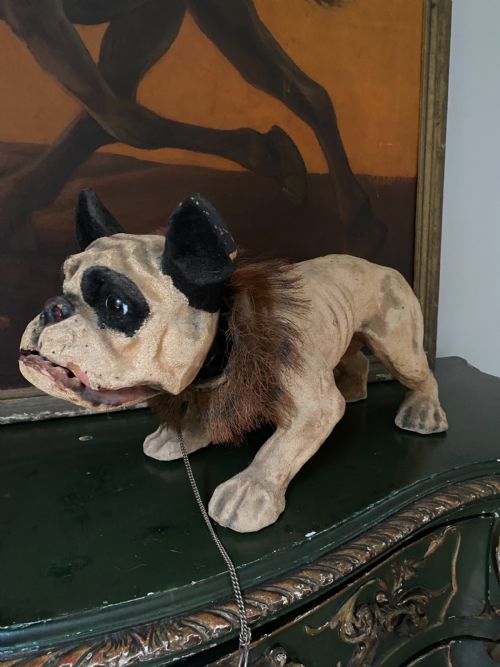

Decorative Dog Figure
These decorative antique dog figure examples span bronze, ceramic, and carved wood, bringing canine character and period craft directly into a room.
Decorative Dog Figure
A decorative antique dog figure encompasses sculptural representations of hounds, terriers, bulldogs, and mythological temple beasts shaped across the nineteenth and twentieth centuries. When searching for a decorative antique dog figure, collectors encounter diverse interpretations ranging from naturalistic Animalier studies to stylized Art Deco forms.
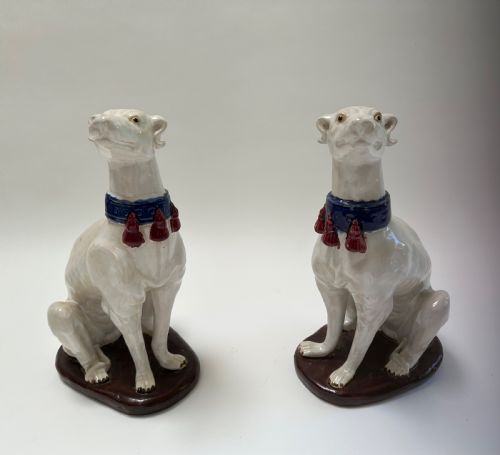
The materials span bronze, parian ware, glazed earthenware, porcelain, papier-mâché, and carved wood. Animalier bronzes, Staffordshire ceramics, and Austrian cold-painted or cast figures frequently appear within this category.
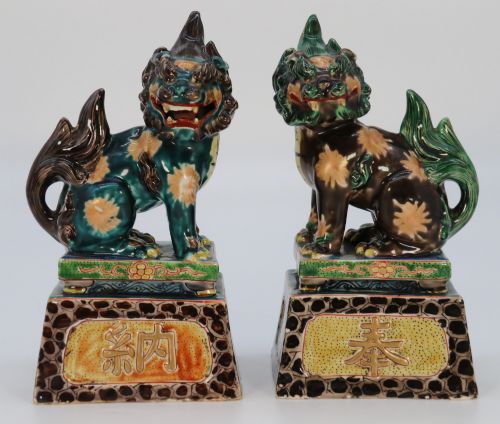
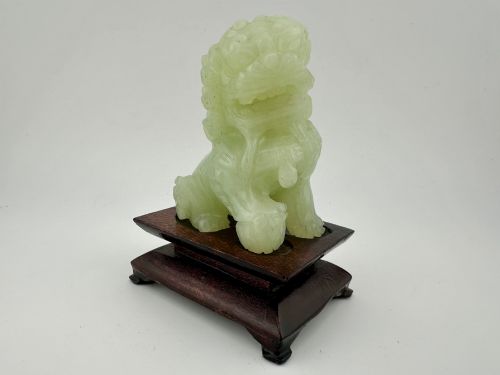
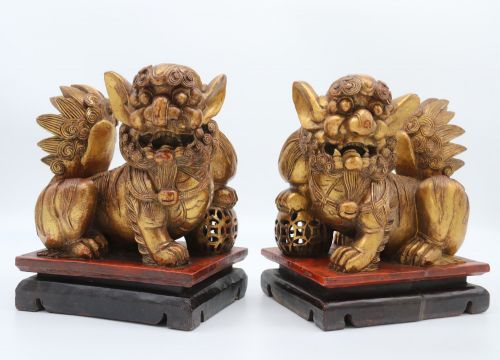
Origins stretch across Britain, France, Austria, and China, reflecting both European domestic pets and traditional Asian Foo dogs or Buddhist lions. These objects served purely ornamental roles on mantelpieces, desks, and cabinet displays.
How they were made
Makers utilised traditional casting, carving, and ceramic moulding techniques appropriate to each medium. Bronze figures were cast using the lost-wax method, often finished with patination, gilding, or cold-painted pigments.
Ceramic and earthenware pieces involved slip-casting or hand-moulding followed by glazing and firing. Wood and papier-mâché examples required meticulous carving, lacquer application, or layered paper pulp construction before surface detailing.
Parian ware relied on a fine-grained unglazed porcelain mixture that mimicked carved marble, cast in multi-part moulds to capture delicate anatomical precision.
What varies in quality
The integrity of the material finish distinguishes superior examples, such as stable patination on bronzes, well-preserved gilding on carved wood, or smooth, unblemished glazes on earthenware and parian figures. Maker signatures or foundry stamps add tangible provenance to cast metals and ceramics.
Edith Parsons·Alexandre Kelety·F Winterhalter·Royal Dux
The Decorative Dog Figure Glossary
- Animalier
- A nineteenth-century artistic movement focusing on the realistic depiction of animals, particularly predators and domestic dogs in dynamic poses.
- Parian Ware
- A fine-grained type of bisquit porcelain developed in Britain that resembles carved white marble, frequently utilised for Victorian portrait and animal busts.
- Foo Dog
- A traditional Chinese guardian lion, often styled as a dog in Western decorative arts, frequently modelled in pairs with one paw resting on a ball or cub.
- Papier-mâché
- A composite material consisting of paper pieces or pulp reinforced with glue, moulded and dried to create lightweight decorative objects and figurines.
Decorative Dog Figure: Frequently Asked Questions
What materials were used for these figures?
Makers fashioned these pieces from bronze, parian ware, glazed earthenware, ceramic, papier-mâché, and carved gilt wood. Each material reflects the prevailing manufacturing techniques of its specific period.
Foundries handled metal casting, while potteries utilised specialised moulds and glazes to achieve durable decorative surfaces.
How do I identify a Victorian piece?
Victorian examples often display the characteristic weight and dense material use of nineteenth-century manufacturing, including Staffordshire ceramics and early bronze casts.
Stylistic cues such as formal posing, classical patination, and specific Victorian registry marks help separate them from later twentieth-century iterations.
Where were these figures made?
Origin points span across European workshops in Britain, France, and Austria, alongside Chinese export pieces representing traditional Buddhist lions.
Each region applied local material preferences, resulting in distinct sculptural traditions for domestic and temple display.
How should I display them?
These decorative objects suit placement on mantelpieces, bookshelves, and designated display cabinets where their materials remain protected from excessive moisture and direct sunlight.
Pairing symmetrical forms like Foo dogs creates balance on either side of a fireplace or central decorative arrangement.