




Decorative Accent Tables
Decorative accent tables span diverse global traditions, offering compact surfaces that integrate utility with intricate craftsmanship.
Decorative Accent Tables
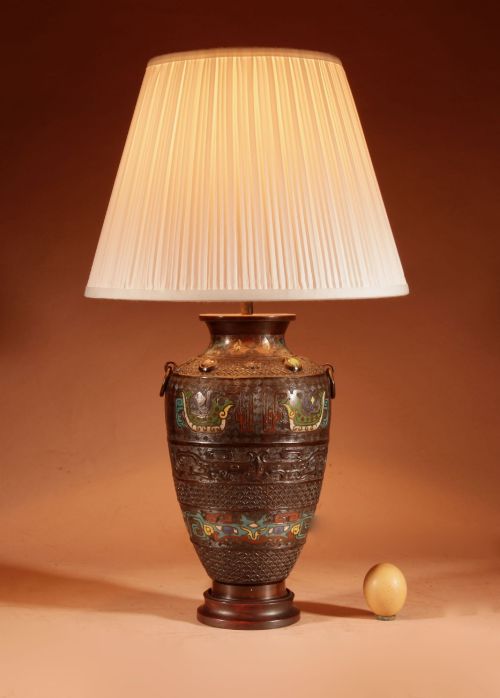
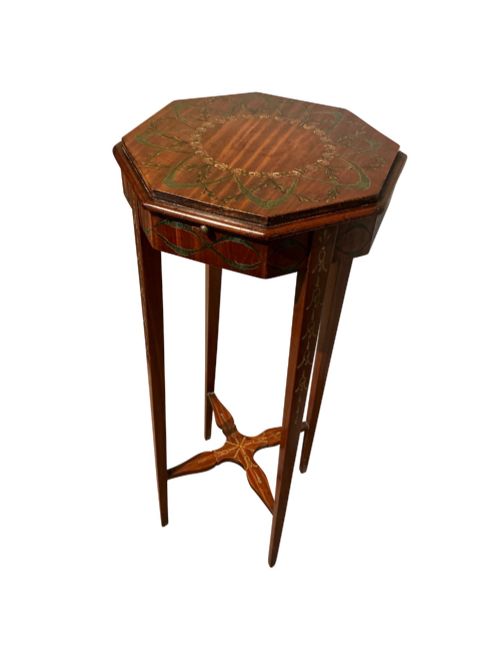
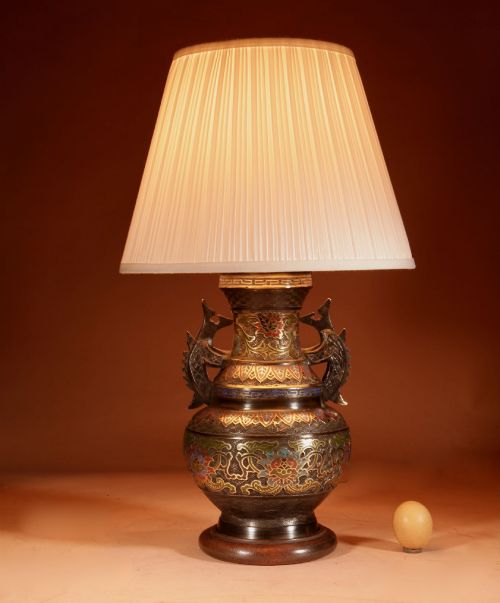
When you search for decorative accent tables, you encounter an array of small occasional furniture designed to catch the eye while serving practical domestic roles. These pieces range from low side tables and tripod lamp tables to tiered occasional furniture and centre tables placed in reception rooms.
The selections span distinct cultural expressions, including Anglo-Indian, Kashmiri, Chinese Export, and French Chateau styles. Nineteenth-century examples often display regional carving or inlay traditions alongside standard European forms.
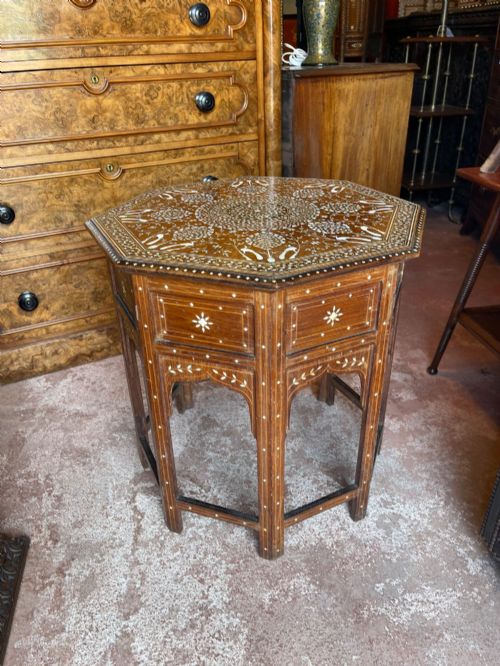
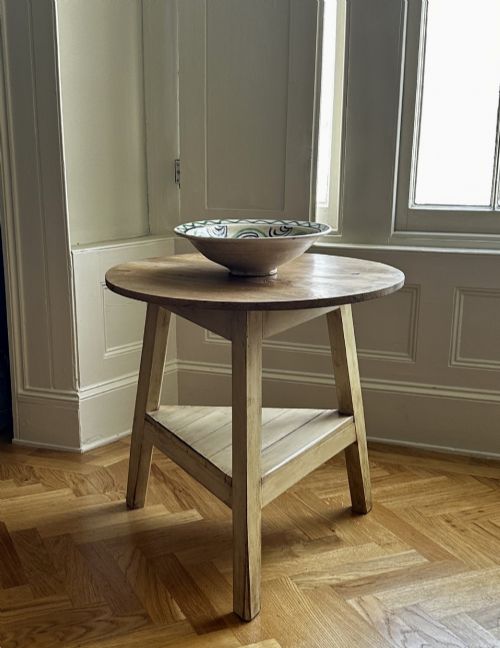
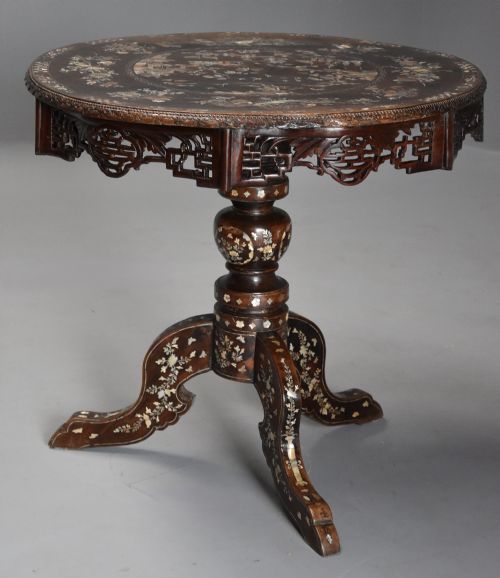
You are most likely to meet mahogany occasional tables, inlaid side tables, and painted surfaces dating from the nineteenth and early twentieth centuries. These encompass everything from simple elm cricket tables to elaborate mother-of-pearl inlaid creations.
How they were made
Cabinetmakers utilised various timbers such as mahogany, elm, satinwood, and hardwood, frequently combining structural woods with decorative veneers. Surfaces often received hand-painted decoration, polychrome finishes, or elaborate gilding to enhance their visual appeal.
Inlay and carving define many examples, featuring mother-of-pearl, brass, and bone embedded into dense woods or chiselled directly into the material. Construction methods range from traditional tripod supports to stable four-legged frames joined with stretchers.
Specialist regional workshops employed distinct techniques, such as the pierced carving associated with Hoshiarpur tables or the lacquer and gilt work found on chinoiserie pieces. Brass, copper, or bronze mounts further embellished French and Victorian designs.
Decorative Accent Tables Retail Price Guide 2026
Typical asking prices for decorative accent tables among the pieces listed under this phrase on Sellingantiques today, from the lower quarter to the upper quarter. They describe what is for sale here now, not the wider market.
Listings feature items from the 19th Century, 1900, 1920, and 1930, utilising materials such as mahogany, satinwood, marble, brass, and fabric.
What varies in quality
Quality rests principally in the depth and precision of the hand-carving or the intricacy of the inlay work. Pieces displaying crisp detail in mother-of-pearl, bone, or brass without missing elements represent superior execution.
The selection of timber and the integrity of the original painted or gilded surface dictate the standing of an item. Superior examples retain their original patination and decorative finishes intact, showing minimal disruption over decades of use.
Liberty and Co·Charles Schneider
The Decorative Accent Tables Glossary
- Occasional table
- A small, movable table designed for intermittent use in sitting rooms or hallways. These items function as display surfaces rather than primary dining furniture.
- Tripod table
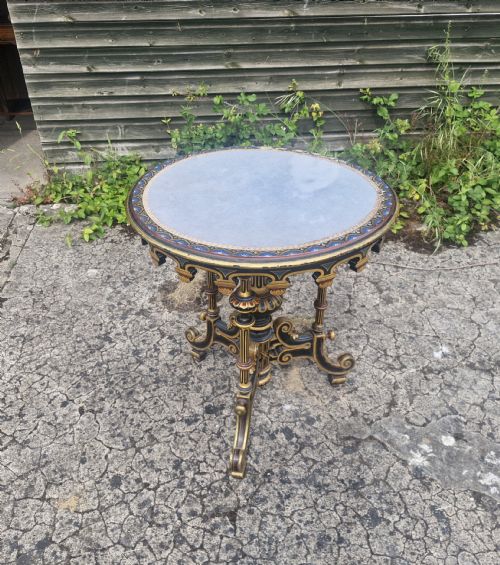
- A small circular table supported by three pillar legs radiating from a central column. This design became popular during the nineteenth century for domestic lamps and decorative objects.
- Chinoiserie
- European decorative style reflecting Chinese artistic influences, typically featuring painted lacquer scenes and gilded motifs. This technique appears on various nineteenth-century lamp tables.
- Satinwood
- A lustrous, durable hardwood native to India and Sri Lanka, prized for its golden yellow colour and fine grain. Cabinetmakers used it for contrasting veneers on Victorian furniture.
- Padouk
- A heavy tropical hardwood known for its deep reddish hue and durability. Nineteenth-century Anglo-Indian carvers favoured this dense material for intricate relief work.
Decorative Accent Tables: Frequently Asked Questions
What is a decorative accent table?
A decorative accent table is a small piece of furniture built to hold lamps, display objects, or fill empty corners in a room. These items prioritise artistic detailing over heavy functional use.
Craftsmen often added hand-carved motifs, inlaid mother-of-pearl, or painted scenes to transform basic surfaces into striking focal points.
Where were these tables used?
Historically, these tables found placement in drawing rooms, parlours, and hallways where owners entertained guests. They served as convenient spots for reading lamps, calling cards, or small decorative ornaments.
Their portable nature allowed staff or residents to reposition them easily according to daily domestic requirements.
How do I style an accent table?
Living with these tables involves balancing their decorative surfaces with simple items that do not obscure the woodwork or inlay. Pairing a carved wooden table with a contrasting lamp or ceramic piece highlights its craftsmanship.
Placing them beside seating areas creates functional focal points that draw the eye toward regional carving or painted finishes.
How do I identify the period?
Identifying the period involves examining the wood species, construction joints, and decorative style relative to known historical eras. Nineteenth-century pieces frequently display heavier timber frames, hand-cut joinery, and distinct regional carving techniques.
Later pieces from the early twentieth century often incorporate simpler silhouettes, machine-assisted elements, or specific artistic movements like Art Deco.