



Decorated Porcelain Dish
A decorated porcelain dish brings painted scenes, gold leaf, and vibrant glaze to a table or cabinet, spanning centuries of global artistry.
Decorated Porcelain Dish
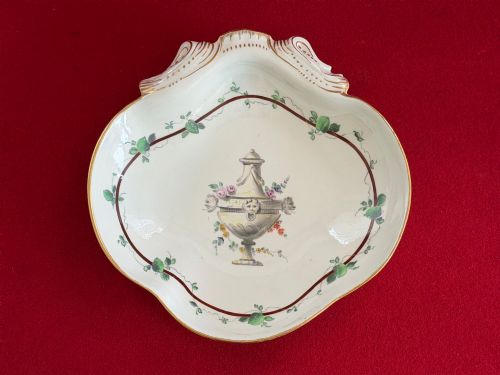
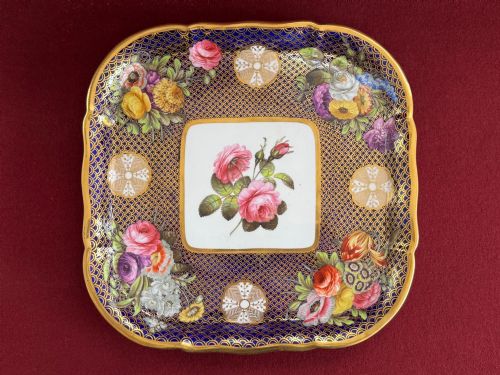
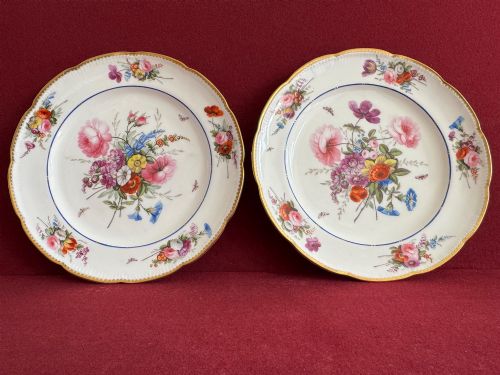
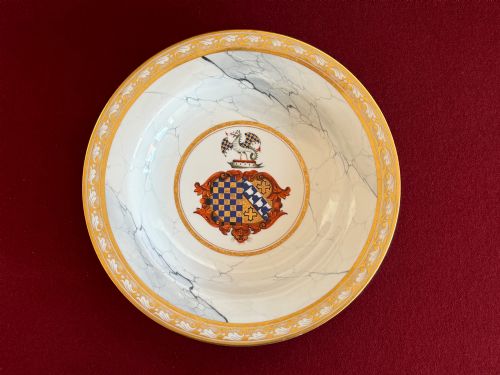
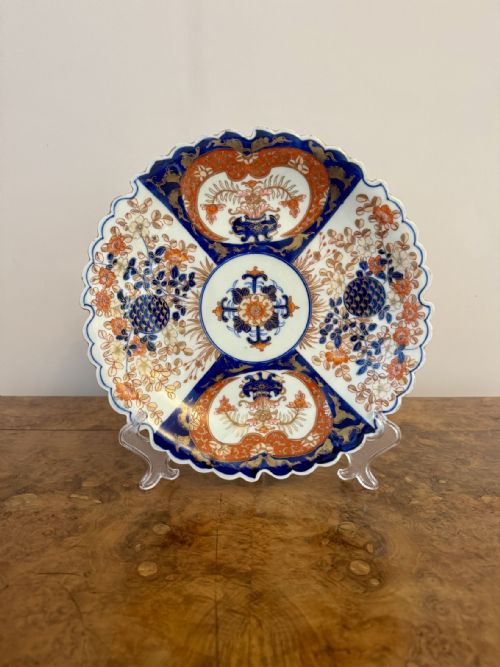
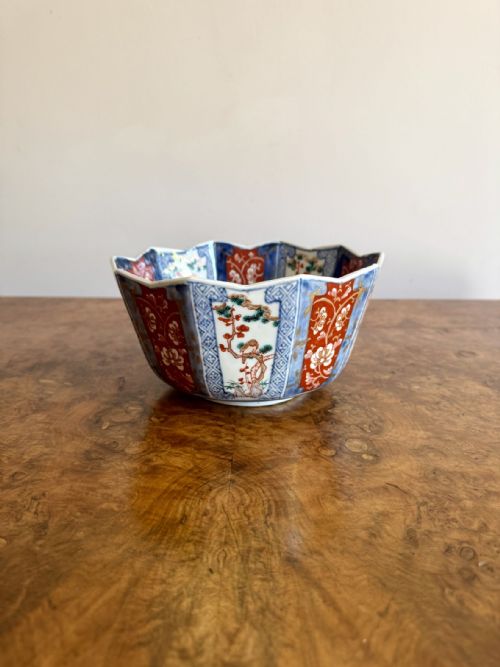
A decorated porcelain dish encompasses cabinet plates, tea bowls, chargers, and serving bowls created across global ceramic traditions. When you search for a decorated porcelain dish, you encounter examples ranging from seventeenth-century Japanese Imari and Chinese Ming cargo bowls to eighteenth-century English works by factories like Chelsea-Derby and Nantgarw.
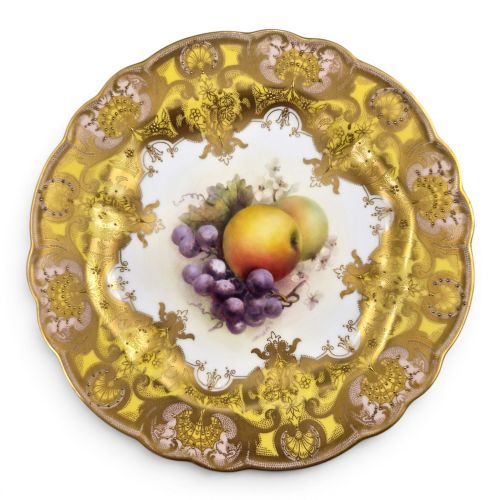
The pieces on this page appear in various forms, from deep chargers and octagonal bowls to dessert plates and work baskets. European factories such as Royal Worcester, Spode, and Meissen sit alongside traditional Asian pieces, reflecting centuries of stylistic exchange and hand-painted artistry.
How they were made
These pieces rely on fine ceramic bodies shaped from porcelain or bone china, often finished with a smooth glaze before painting. Artisans applied detailed enamel colours, iron red, black pigments, and gold leaf or gilding by hand.
Many works received secondary decoration in specialised workshops, such as London-decorated Nantgarw or Amsterdam Bont painted Chinese porcelain. Firing fixed the complex palettes, while moulding in shallow relief occasionally added sculptural depth to cranes or floral motifs.
Decorated Porcelain Dish Retail Price Guide 2026
Typical asking prices for decorated porcelain dish among the pieces listed under this phrase on Sellingantiques today, from the lower quarter to the upper quarter. They describe what is for sale here now, not the wider market.
Listings span multiple eras, encompassing seventeenth-century Ming cargo bowls, eighteenth-century Chinese export porcelain, and twentieth-century bone china.
What varies in quality
The distinction between standard production and top-tier pieces rests on the precision of the hand painting and the renown of the artist or factory. Signed works by noted painters like Richard Sebright or Samuel Astles elevate a piece well beyond ordinary factory output.
The complexity of the enamel palette, the crispness of the gilding, and the historical importance of the period determine the standing of an item. Early forms, such as seventeenth-century Edo period chargers or eighteenth-century Chinese export wares, show varying degrees of artistic control and glazing refinement.
Royal Worcester·Coalport·Müller Volkstedt MV Co·Wedgwood·Chelsea-Derby·Flight Barr And Barr·Worcester·Nantgarw·Spode·Meissen·Royal Doulton
The Decorated Porcelain Dish Glossary
- Imari palette
- A traditional Japanese colour scheme typically combining underglaze blue, iron red, and gold leaf. It heavily influenced European ceramic decoration.
- Cabinet plate
- A decorative plate intended for display in a cabinet or on a wall rather than for dining. These often feature elaborate hand-painted scenes by named artists.
- Enamel
- Opaque glass fused to the surface of porcelain during secondary firing to create vibrant painted imagery. It allows for rich polychrome designs.
- Gilding
- The application of gold or gold leaf to ceramic surfaces to highlight rims, handles, or decorative borders. This technique ranges from simple lines to raised burnished gold.
- Charger
- A large decorative dish or plate used historically for ceremonial service or grand display. They frequently showcase expansive painted scenes across a broad surface.
Decorated Porcelain Dish: Frequently Asked Questions
How do I identify an eighteenth-century piece?
Eighteenth-century pieces often display hand-potted bodies with distinct glaze pooling, hand-mixed enamel pigments, and specific baseline styles such as Chinese export or early Chelsea-Derby productions.
Examining the foot rim and the specific weight of the porcelain helps separate these early items from later nineteenth-century revivals and twentieth-century cabinet plates.
Were these dishes meant for daily use?
Many forms, including tea bowls, saucers, and dinner service dishes, served practical dining functions in period households. Over time, finer decorated examples transitioned into cabinet pieces or chargers kept primarily for display.
Using them today requires care to protect fragile enamel and gold leaf decoration from modern detergents and abrasive cleaning.
What is London decorated porcelain?
London decorated porcelain refers to white ceramic bodies - such as Nantgarw - shipped to independent workshops in London where renowned artists painted them. Independent studio decorators applied elaborate floral or scenic compositions before a final low-temperature firing.
This practice allowed distinct artistic hands to finish porcelain produced at regional manufacturing sites.
How do I care for a painted porcelain dish?
Protect these pieces by washing them by hand in lukewarm water using mild soap, avoiding all dishwashers and harsh scrubbing. Store or display them securely away from heavy foot traffic or direct heat sources to preserve the glaze and gilding.
Frequent handling can wear delicate gold leaf, so stable placement in a cabinet or on a padded hanger is ideal.