


Deco Bedside Lamp
A deco bedside lamp brings geometric clarity and rich materials to a quiet corner, combining period forms with warm functional light.
Deco Bedside Lamp
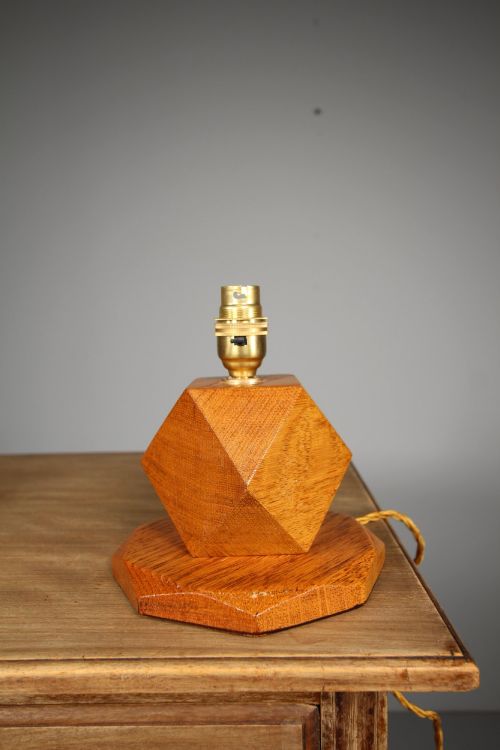
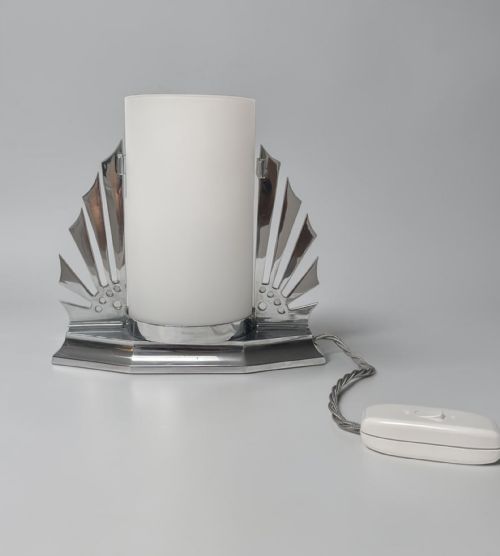
A deco bedside lamp is a focused table light originating primarily from the 1920s, 1930s, and 1940s, embodying the characteristic geometric and figurative motifs of the period. Buyers seeking this style will encounter various iterations designed for domestic spaces, from simple sculptural figures to tiered illumination.
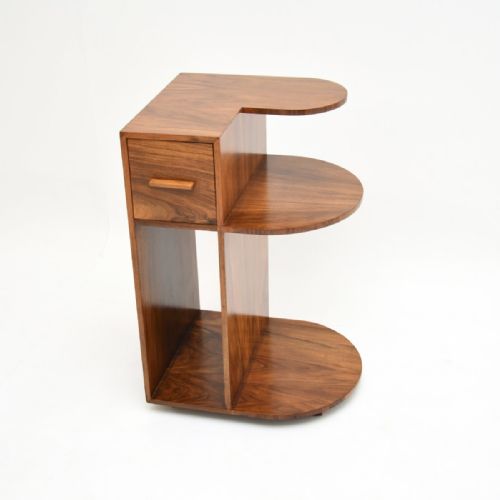
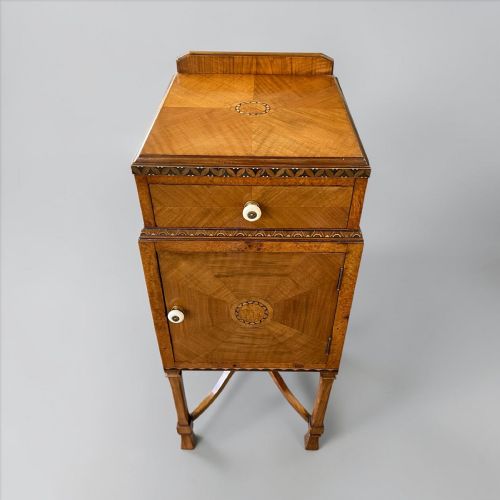
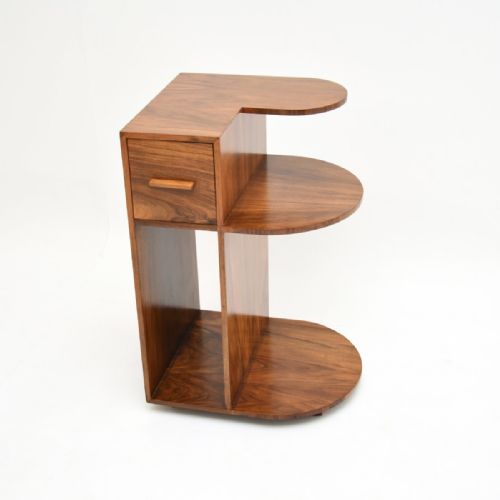
The selections available here span diverse object types that capture the era, encompassing direct table lamps alongside accompanying side tables and bedside cabinets. Many pieces reflect French and English origins, showcasing the international spread of the aesthetic during the interwar years.
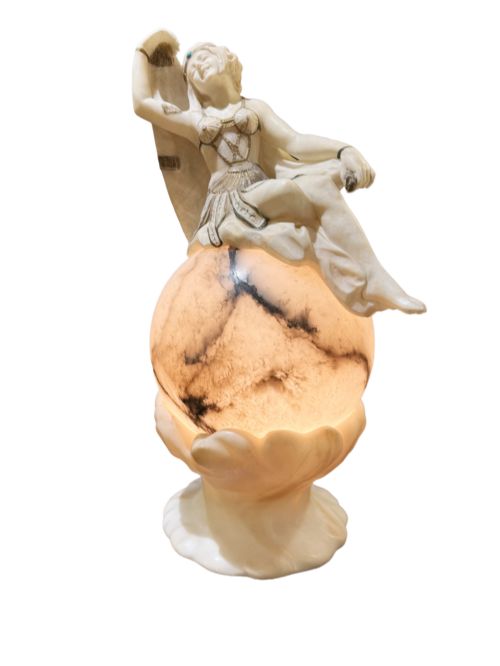
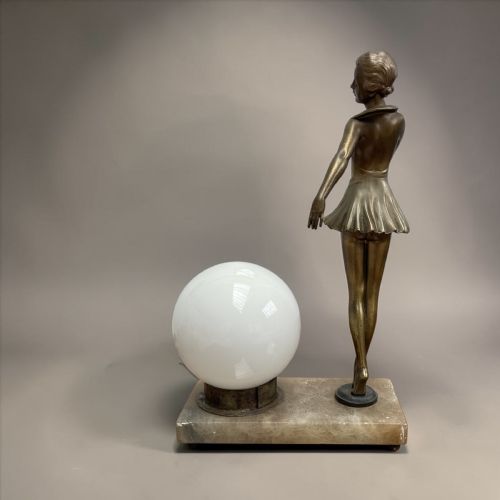
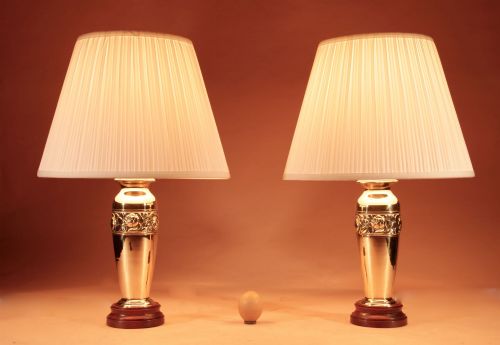
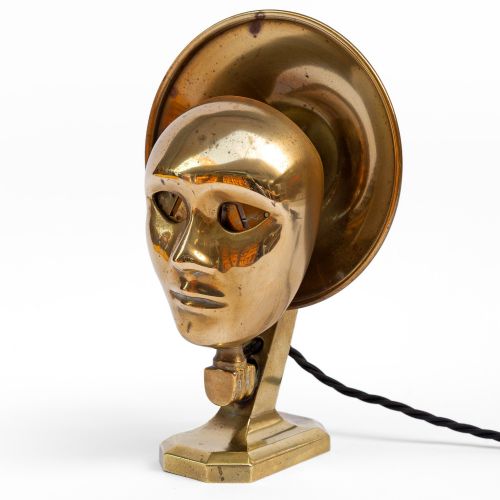
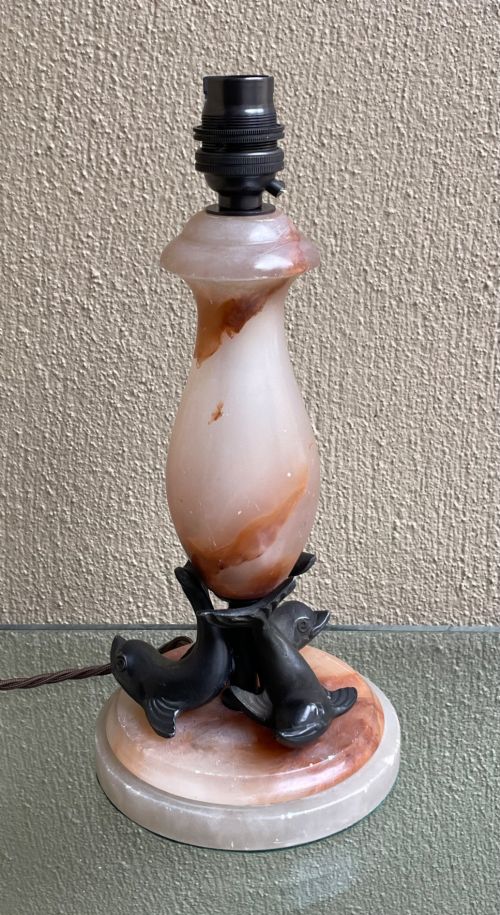
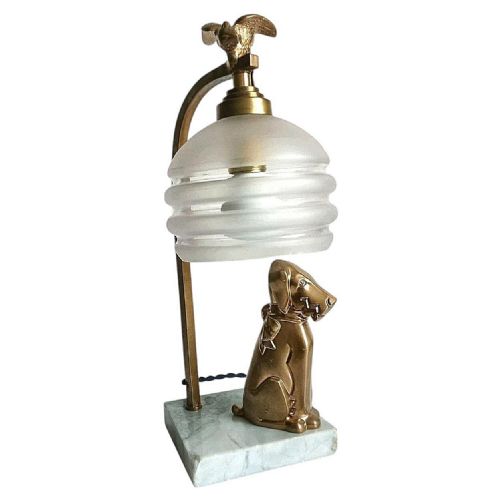
Common configurations include figural designs featuring dancers, animals, or neoclassical revival subjects mounted on sturdy bases. Collectors also frequently find matching pairs and functional combinations incorporating clocks or dual tiers for bedside convenience.
Materials and construction
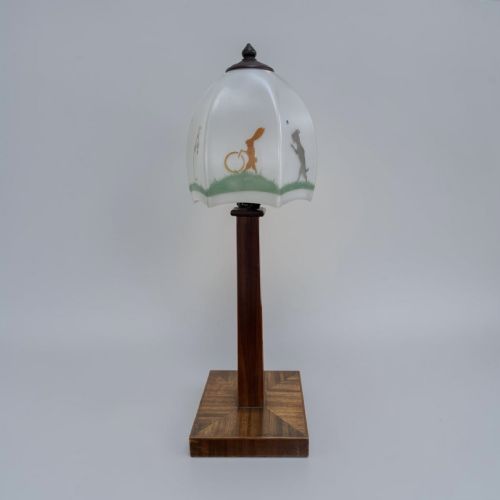
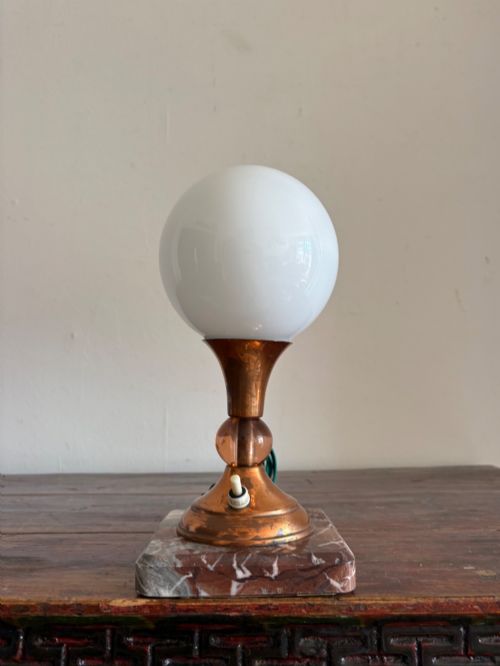
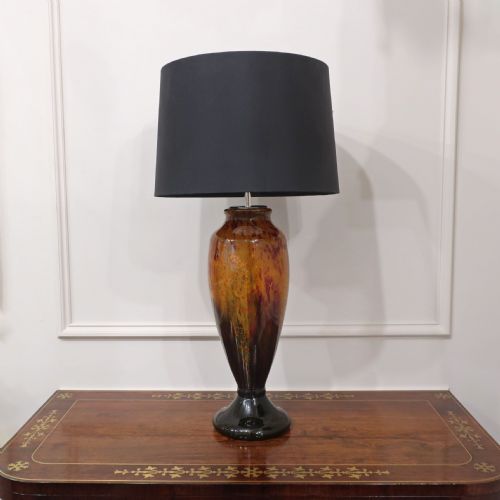
These lamps rely on a distinct palette of period materials, combining metals such as brass, chrome, and copper with glass elements like opaline, frosted glass, and mottled finishes. Bases frequently incorporate marble, onyx, or alabaster to add substantial weight and visual contrast.
Woodwork on associated furniture and wooden lamp elements utilises figured veneers, walnut, bird's-eye maple, and rosewood. Surface decoration often employs enamelling or porcelain components, demonstrating the period's diverse manufacturing techniques.
Deco Bedside Lamp Retail Price Guide 2026
Typical asking prices for deco bedside lamp among the pieces listed under this phrase on Sellingantiques today, from the lower quarter to the upper quarter. They describe what is for sale here now, not the wider market.
The listings encompass both direct lighting and complementary bedside furniture from the 1920s and 1930s.
Judging quality in period lighting
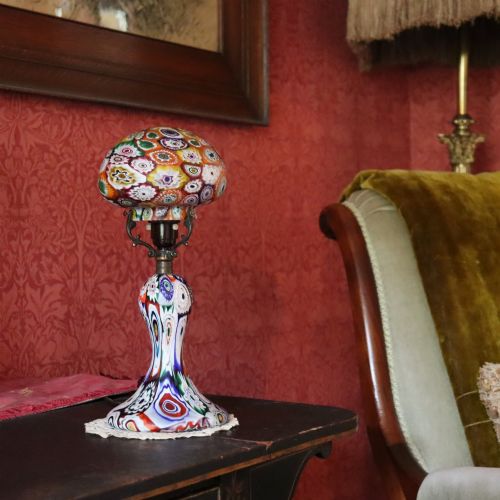
Quality rests in the precision of the casting and the choice of base materials, distinguishing heavy cast metals and genuine stone from lighter substitutes. The integration of specialty glass, such as layered millefiori or moulded frosted panels, elevates the standard of a piece significantly.
Proportion and finishing details dictate the upper tier of the range, visible in finely rendered figurative sculptures and well-preserved surface patination. Original pairings, such as matching sets of lamps or unified bedside cabinets, demonstrate superior provenance.
Fratelli Toso·Charles Schneider·Eileen Grey·Denby Ware·Baccarat
The Deco Bedside Lamp Glossary
- Opaline glass
- A semi-translucent white glass often utilised for lamp shades to diffuse light softly. It gained widespread popularity during the early twentieth century for its clean appearance.
- Alabaster
- A fine-grained mineral stone used for carved figures and lamp bases. Its natural translucency allows light to pass through the material gently.
- Ormolu
- Gilded bronze or brass applied to decorative mounts and bases. This technique provides a rich metallic finish characteristic of high-end period pieces.
- Bakelite
- An early form of synthetic plastic prized for its durability and deep colour. It frequently appears on switches, bases, and desk accessories from the period.
- Millefiori
- A glasswork technique producing distinctive patterned mosaics. Pieces utilising this method display intricate coloured canes fused together within the glass.
Deco Bedside Lamp: Frequently Asked Questions
How do I identify a genuine period lamp?
Examine the materials used in the construction, noting the presence of period metals, genuine marble or onyx bases, and traditional glass-forming techniques rather than modern synthetic substitutes.
Check for construction methods appropriate to the early twentieth century, including heavy casting, traditional wiring channels, and authentic wear consistent with age.
Were these lamps originally intended for bedrooms?
Many examples served various interior functions, acting as desk lamps, occasional table lighting, or dedicated bedside companions depending on their scale and switch placement.
Their compact footprints made them suitable for smaller surfaces alongside beds or on matching side cabinets of the same era.
What glass types are common on these pieces?
Shades and bodies frequently feature frosted glass, opaline white glass, or mottled finishes that diffuse light evenly across a room.
Some exceptional examples incorporate specialised art glass techniques such as layered millefiori or moulded figural elements.
Can I find matching pairs of lamps?
Matching pairs do appear within the selection, often preserved together from French or English homes of the interwar period.
These paired examples usually share identical metalwork, shade styles, and base dimensions, making them ideal for symmetrical placement.