



Deco Bedroom Mirror
A deco bedroom mirror brings distinct geometric lines and rich wood veneers into any dressing space.
Deco Bedroom Mirror
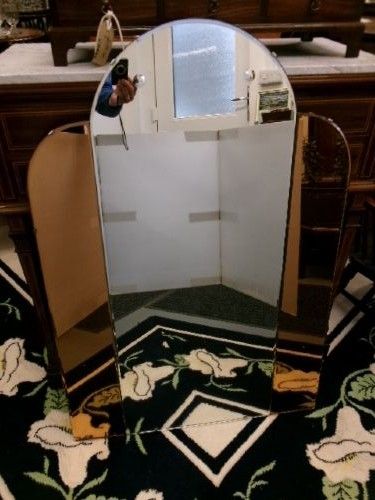
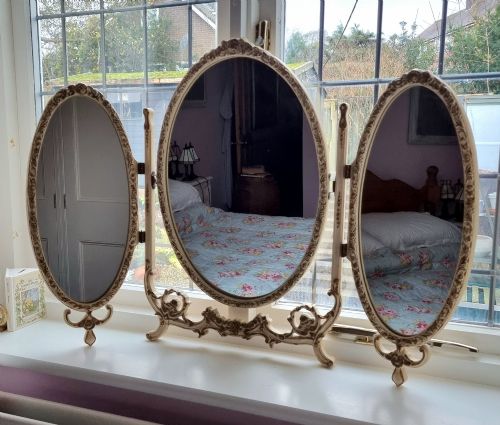
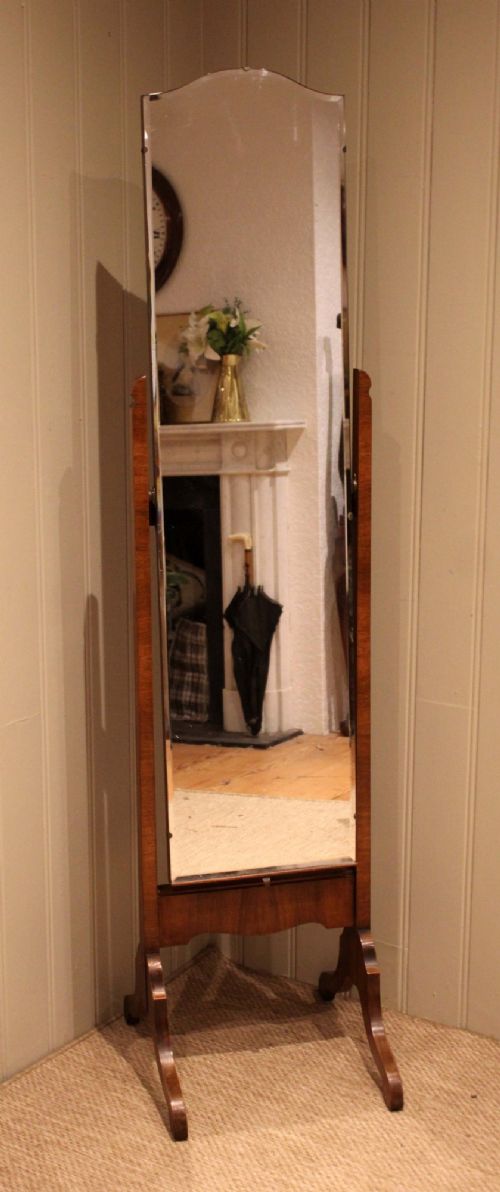
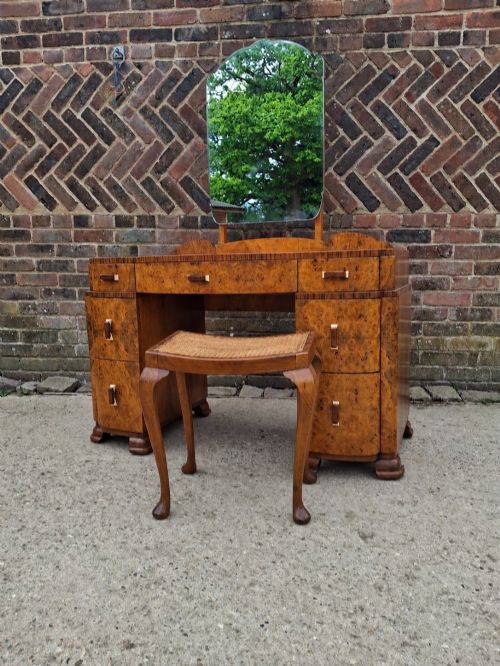
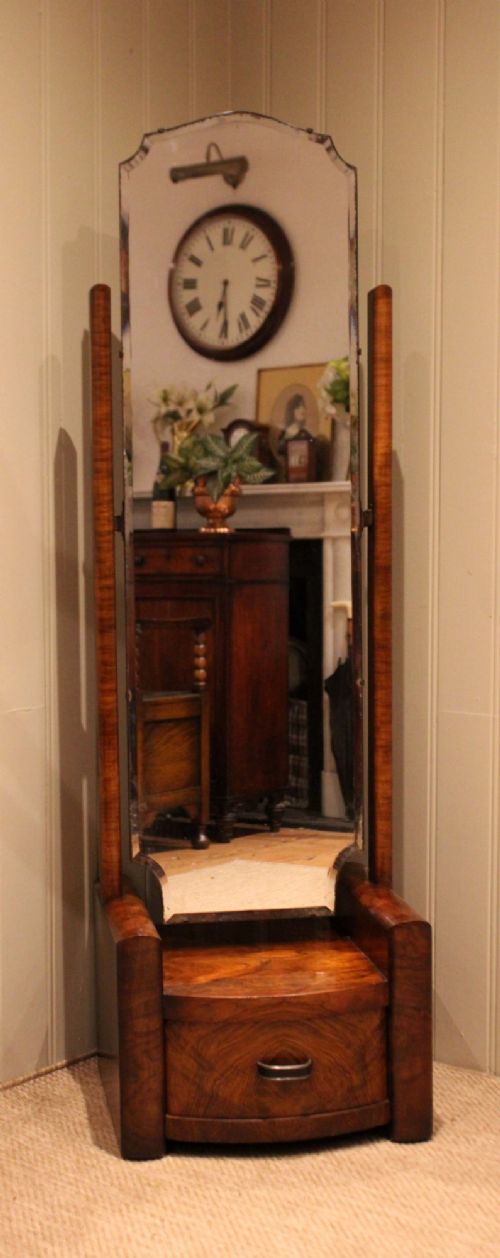
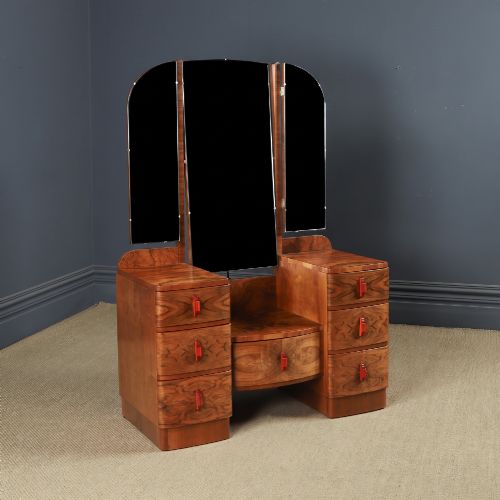
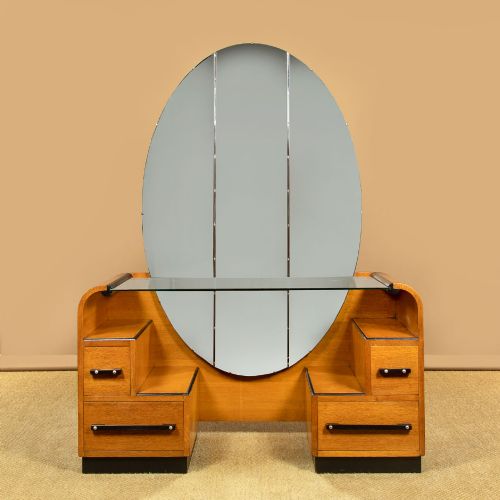
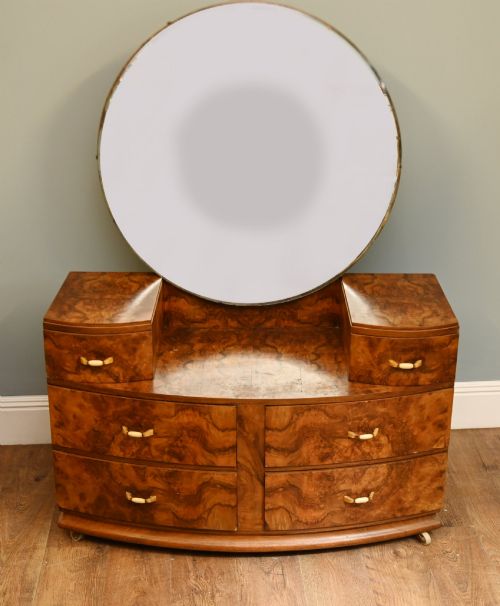
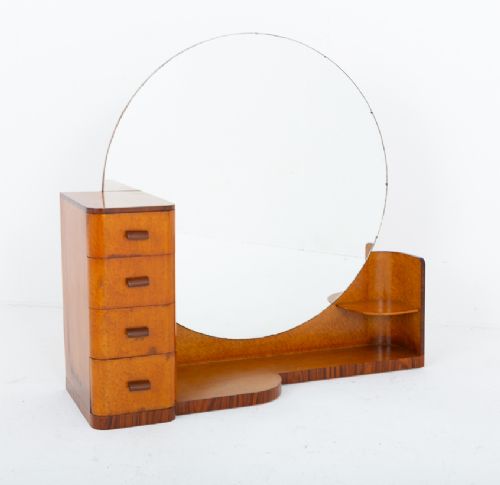
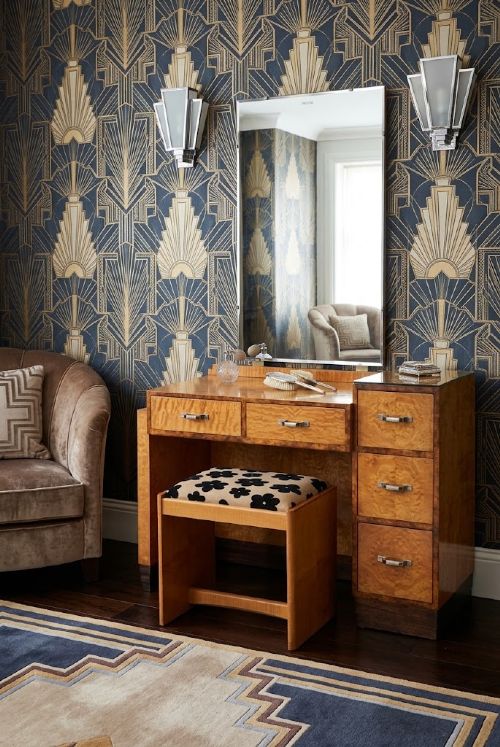
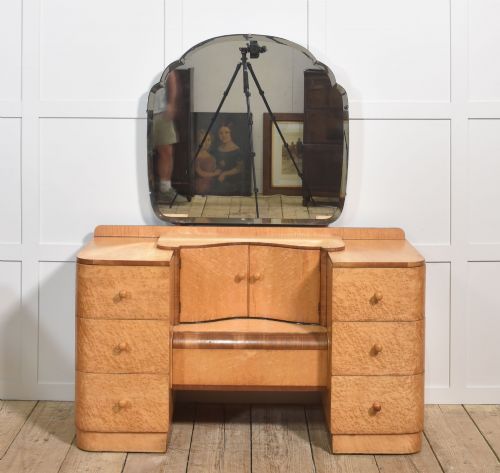
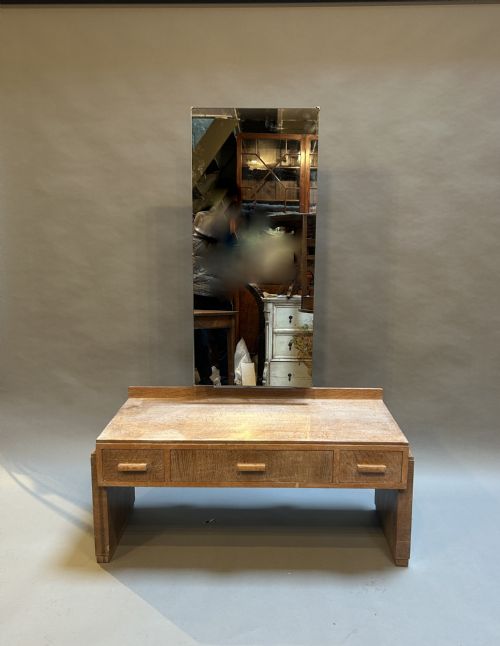
When you search for a deco bedroom mirror, you encounter pieces originating primarily from the 1920 and 1930 periods, executed in the Art Deco style and French Art Deco style. These items frequently appear integrated into dressing tables, vanity tables, and dressing chests, alongside dedicated cheval mirrors.
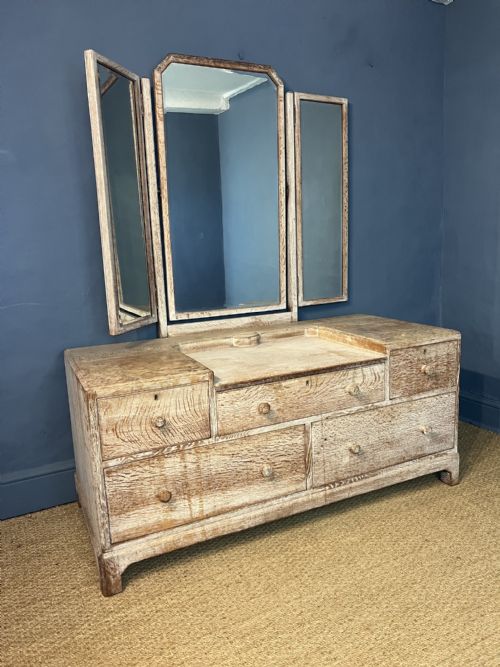
The most common version met on this page is the dressing table mirror, often configured with tripartite plates or asymmetrical geometry. Makers mounted these glasses above pedestal drawers or built them directly into larger bedroom suites.
Materials and construction
Craftsmen built these mirrors and their supporting furniture using solid timbers and decorative veneers such as walnut, burr walnut, birds eye maple, and limed oak. Workshops applied meticulous marquetry and grain matching to achieve the characteristic visual rhythm of the period.
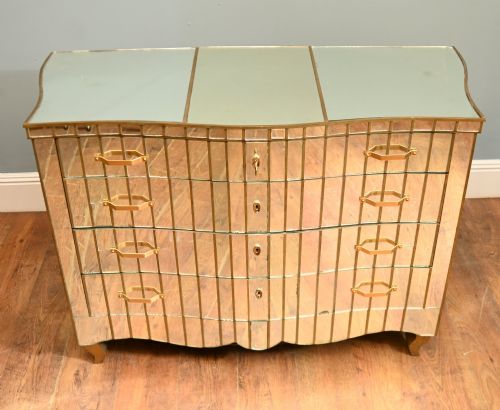
Makers integrated brass hardware, bakelite details, and specialised metal fittings into the framework. The glass itself ranges from standard mirror glass to panels set within brass and wooden frames.
Deco Bedroom Mirror Retail Price Guide 2026
Typical asking prices for deco bedroom mirror among the pieces listed under this phrase on Sellingantiques today, from the lower quarter to the upper quarter. They describe what is for sale here now, not the wider market.
Listings feature items spanning the 1910, 1920, and 1930 periods, constructed in oak, walnut, maple, and brass.
Quality variations
The distinction between standard examples and exceptional pieces rests upon the choice of veneer and the complexity of the cabinetwork. Figured walnut, burr walnut, and birds eye maple distinguish the finer works from simpler oak or standard timber constructions.
Attribution to notable workshops and specific designers elevates the standing of an item. Pieces bearing signatures or strong stylistic links to recognised makers demonstrate superior proportion and joinery.
Heals·Harry and Lou Epstein·Jean Faure·B Cohen and Sons·Rowley Gallery·Betty Joel
The Deco Bedroom Mirror Glossary
- Art Deco
- A design style characterised by streamlined forms, geometric patterns, and modern industrial materials that emerged in the early twentieth century. It dominated decorative arts throughout the interwar period.
- Burr Walnut
- A wood veneer harvested from the deformed growths on walnut trees, showing swirling, intricate grain patterns. Cabinetmakers prized this material for high-end furniture surfaces.
- Cheval Mirror
- A full-length mirror hung in a frame that allows it to tilt. This freestanding form gained popularity for bedroom use during the nineteenth and twentieth centuries.
- Limed Oak
- Oak timber treated with a white pigment or lime to lighten the natural tone and accentuate the grain. This finish appeared frequently in modernist and interwar British cabinetmaking.
- Marquetry
- The art of applying pieces of veneer to a structure to form decorative patterns and pictures. Artisans combined various exotic and domestic woods to achieve striking contrasts.
Deco Bedroom Mirror: Frequently Asked Questions
What periods do these mirrors date from?
The pieces span the early twentieth century, with primary representation from the 1920 and 1930 decades. Examples also date from the 1910 period.
Most items align with the interwar Art Deco movement, displaying characteristic geometric styling.
What woods were used in these frames?
Workshops utilised walnut, burr walnut, birds eye maple, and oak. Veneers received careful placement to highlight natural grain patterns.
Designers also incorporated materials like brass, bakelite, and mirror glass into the overall construction.
Are these mirrors attached to dressing tables?
Many examples form an integral part of dressing tables, vanity tables, and dressing chests. These are fixed directly to the wooden carcase or pedestal base.
Freestanding cheval mirrors also occur within the selection, designed to stand independently on the floor.
How do I identify a designer piece?
Certain items bear signatures or attributions to established workshops and makers from the period. Construction quality, unusual configurations, and choice veneers often point to specific ateliers.
Documentation or known stylistic traits help connect pieces to notable interwar cabinetmakers.