




Daum Nancy Cameo Glass
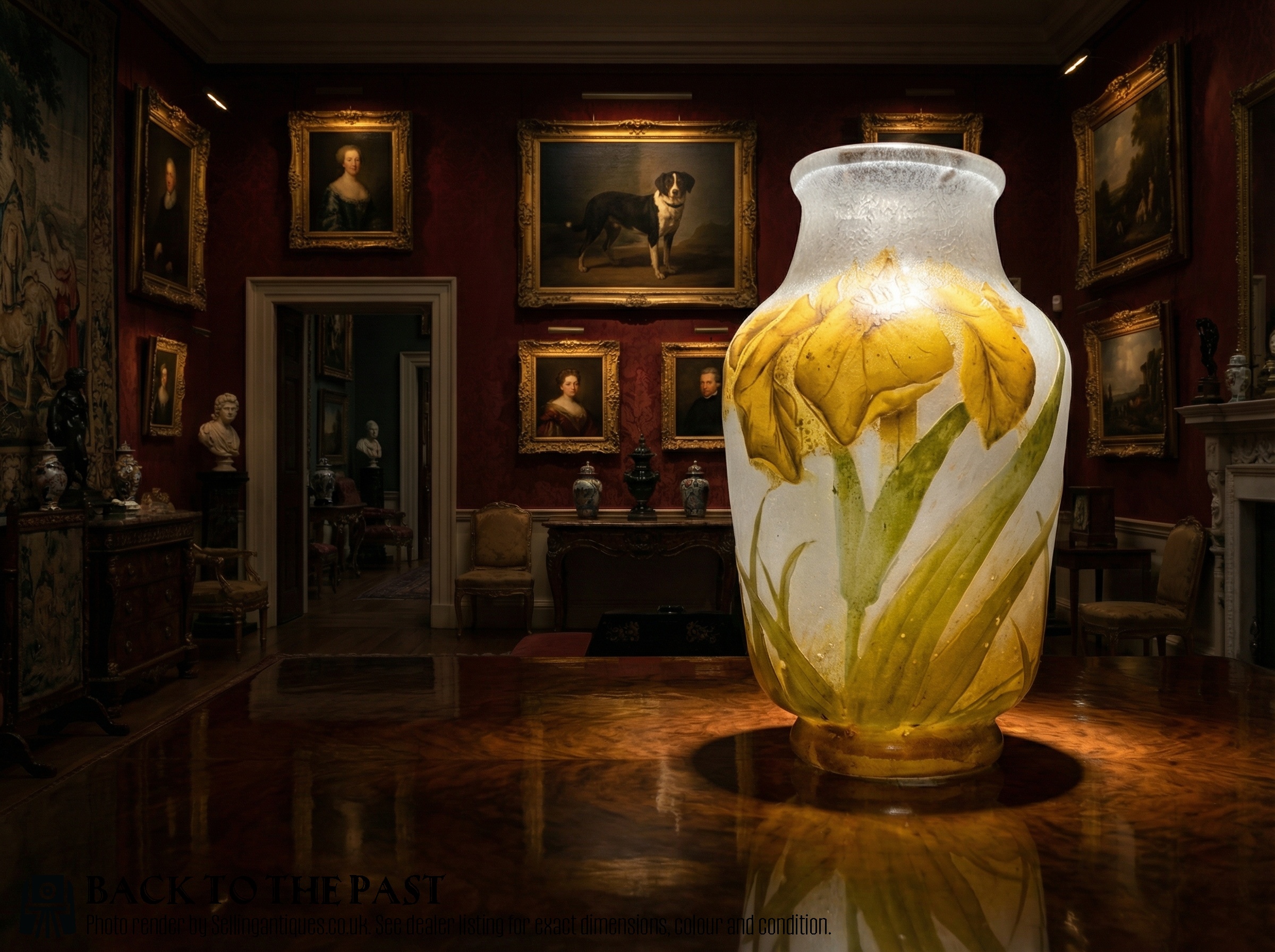
Daum Nancy cameo glass pieces are distinctive French vessels that bring rich floral and landscape motifs into any room.
Daum Nancy Cameo Glass
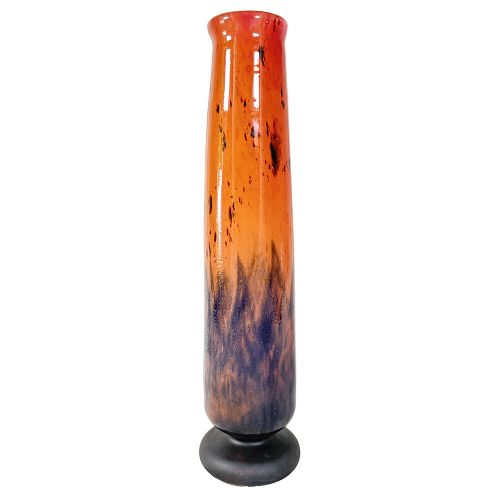
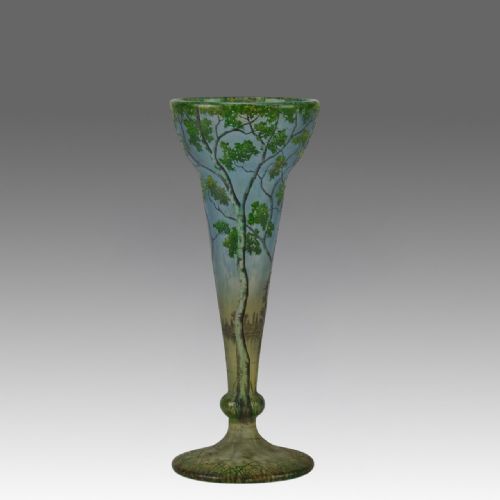
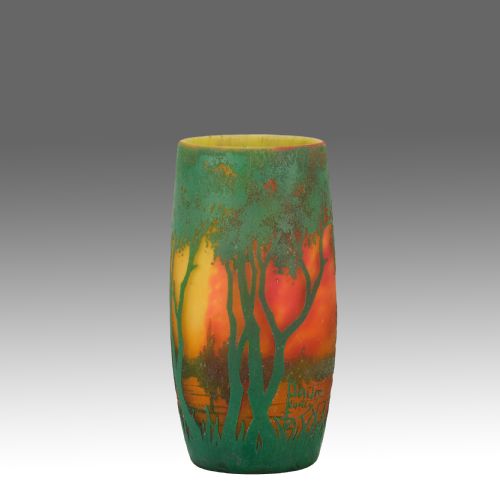
When you search for daum nancy cameo glass, you encounter sophisticated vessels shaped by French glassmakers during the Art Nouveau and Art Deco periods. These works primarily take the form of vases, table lamps, and decanters and jugs.
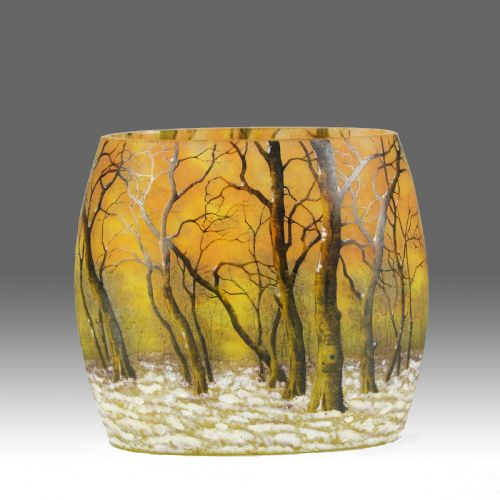
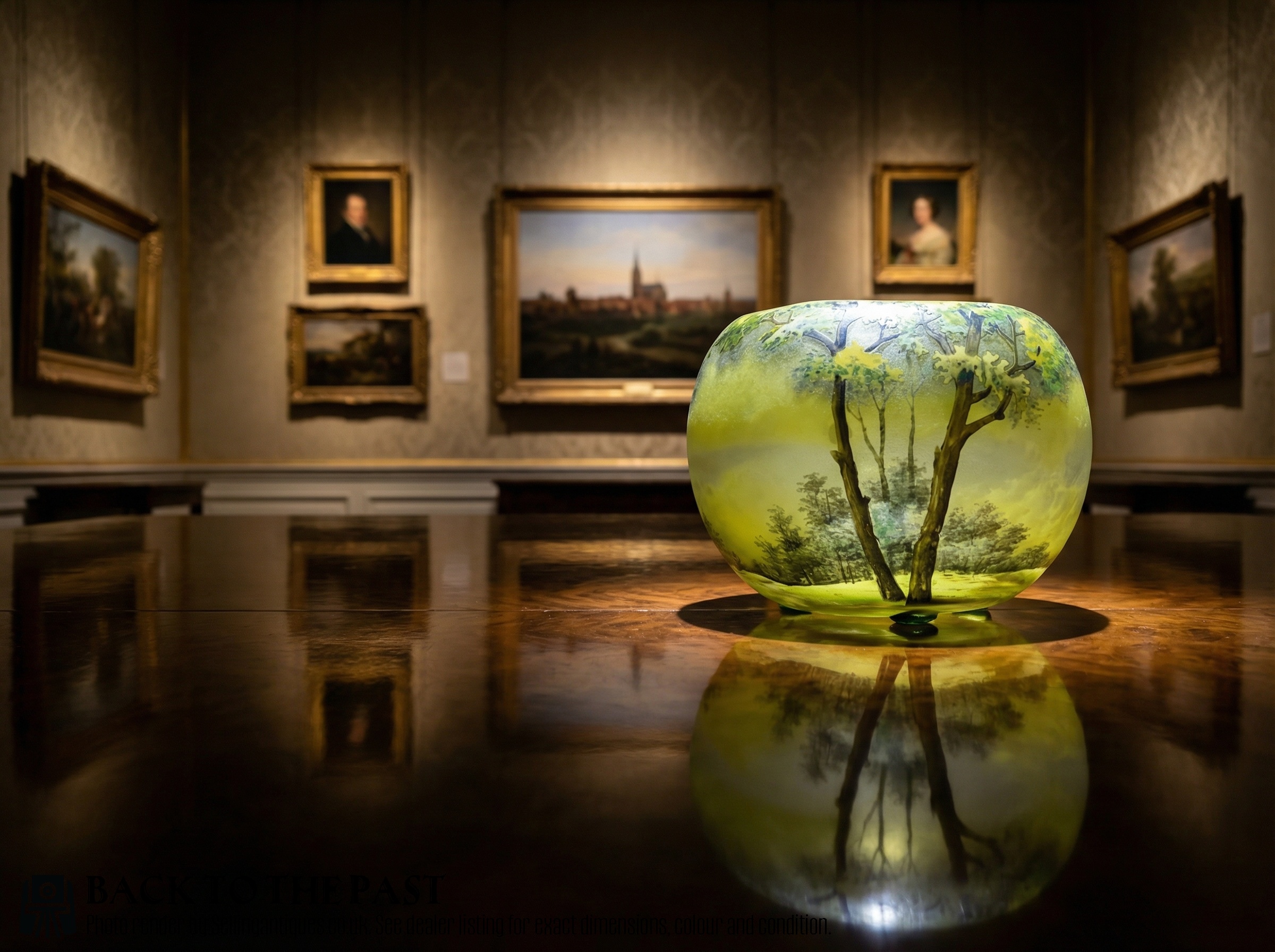
The pieces you are most likely to meet on this page date from around nineteen hundred. They display naturalistic subjects such as winter landscapes, sweet pea flowers, montbrecia, and blackberries.
How they were made
Makers utilised blown glass combined with acid-etched cameo techniques to build up layered depths of colour. Molten material was worked to form multiple strata before acid ate away the surface to reveal intricate motifs.
Detailing was frequently enhanced with enamel or powdered glass inclusions to enrich the textures of florals and landscapes. Bronze mounts occasionally supported larger vessels and table lamps.
Listings span the periods nineteen ten, nineteen twenty, nineteen ninety, and nineteen hundred, predominantly featuring cameo glass and enamel.
What varies in quality
Quality rests upon the depth of the acid-etching and the complexity of the glass layers. Pieces featuring multiple coloured strata and hand-enamelled touches demand greater skill than simpler two-layer designs.
The artistic ambition of the subject matter also separates standard production from exceptional examples. Detailed winter landscapes and botanical studies command attention through their precise rendering of light and shadow.
Daum Frères·Daum Nancy
The Daum Nancy Cameo Glass Glossary
- Cameo Glass
- Glass vessels formed with multiple coloured layers where portions are carved or acid-etched away to create a raised design. This technique imitates carved stone cameos.
- Acid-Etched Glass
- A method where hydrofluoric acid eats into unprotected areas of the glass surface to create frosted textures and relief designs. It allowed makers to achieve precise tonal gradations.
- Enamel
- Opaque glass paint applied to the surface of a vessel and fired in a kiln to fuse permanently. It added fine polychrome details to landscapes and floral scenes.
- Art Nouveau
- A decorative style popular around nineteen hundred characterised by flowing organic lines and botanical motifs. It heavily influenced the flora and landscape designs seen on these vessels.
- Art Deco
- A later style emerging by nineteen twenty favouring geometric abstraction and stylised forms. It marks the transition away from naturalistic floral subjects.
Daum Nancy Cameo Glass: Frequently Asked Questions
What is daum nancy cameo glass?
These works are decorative French glass vessels created primarily around the turn of the twentieth century. They combine multi-layered glass with acid-etching and enamelling to depict natural scenes.
Artisans in Nancy produced everything from miniature vases to large table lamps and jugs. Each piece reflects the organic aesthetic of the period through botanical and landscape subjects.
How do I date these pieces?
Dating relies on the stylistic markers of the design, moving from organic floral motifs of the Art Nouveau period towards geometric Art Deco forms. Signatures and factory marks etched into the glass also provide chronological context.
Most examples found here originate from the nineteen hundreds, capturing the height of the Nancy school. Earlier works tend to feature detailed naturalism, while later items embrace stylised geometry.
How were these vessels used?
They served primarily as ornamental display objects to showcase wealth and artistic taste in refined interiors. Vases held cut flowers, while jugs and decanters functioned on dining tables.
Table lamps provided ambient illumination through glowing cameo glass shades. Their dual function as sculpture and lighting made them popular in bourgeois homes.
How do I care for my glass?
Gentle dusting with a soft dry cloth preserves the fragile enamelled and etched surfaces. Avoid harsh chemical cleaners or abrasive materials that could damage the outer layer.
Display pieces away from direct sunlight to protect coloured glass from fading over time. Handle table lamps and jugs with care to protect original bronze components and stoppers.