


Dark Wood Trinket Boxes
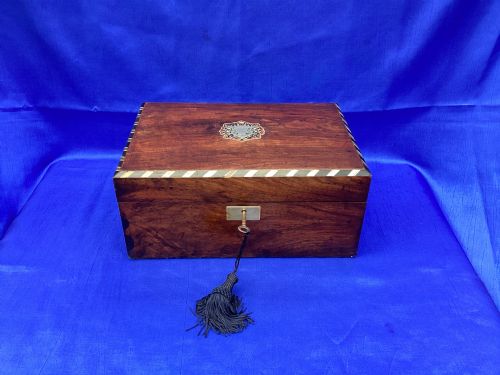
Dark wood trinket boxes bring together rich timbers and intricate brass or mother of pearl details to hold small valuables on a dressing table.
Dark Wood Trinket Boxes
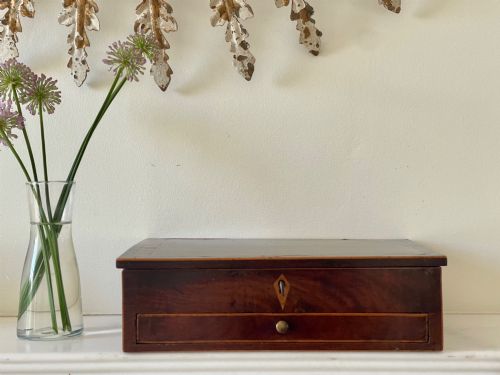
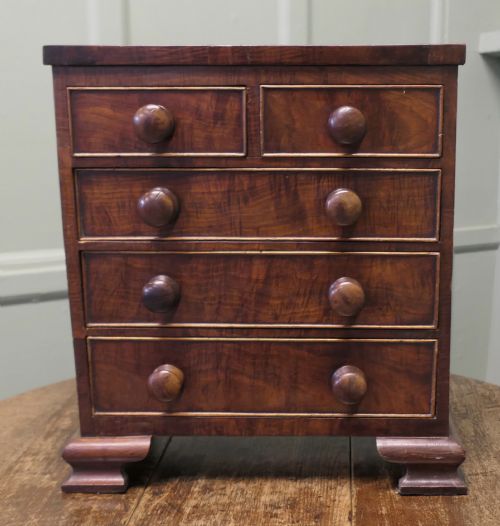
Dark wood trinket boxes appear across several centuries, with the 19th Century and Victorian eras providing the largest number of surviving examples. Makers fashioned these pieces from dense timbers such as rosewood, mahogany, coromandel and ebony.
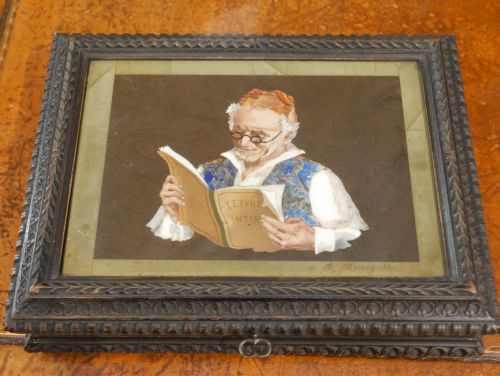
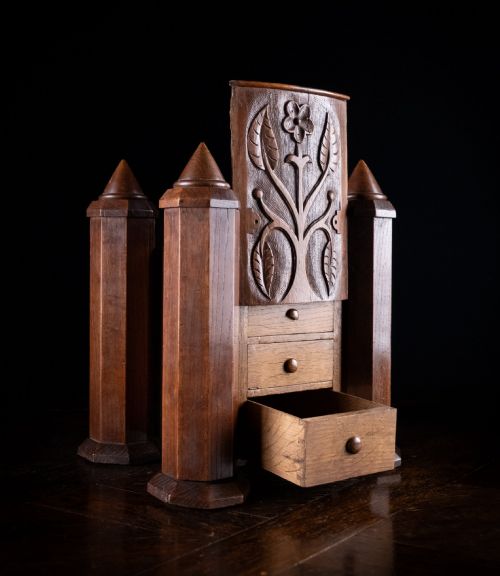
The assortment includes specialised forms like jewellery boxes, tea caddies, glove boxes, vanity boxes and snuff boxes alongside simpler decorative caskets. Many items reflect distinct regional traditions, from English Tunbridge Ware and Scottish treen to Black Forest carvings and Anglo-Indian work.
Materials and construction
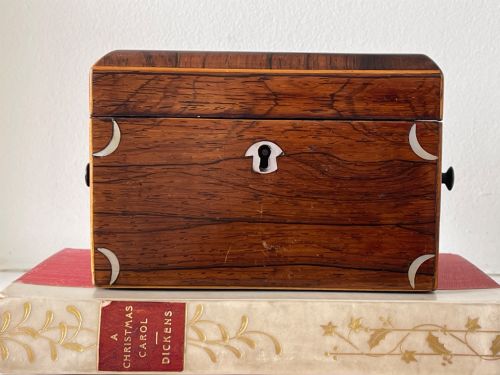
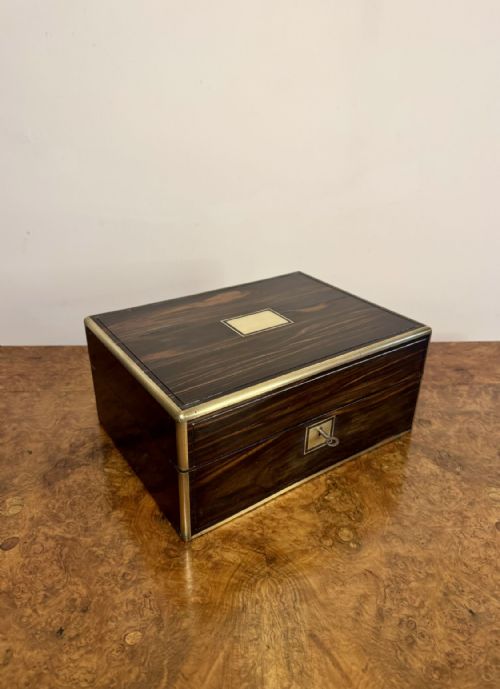
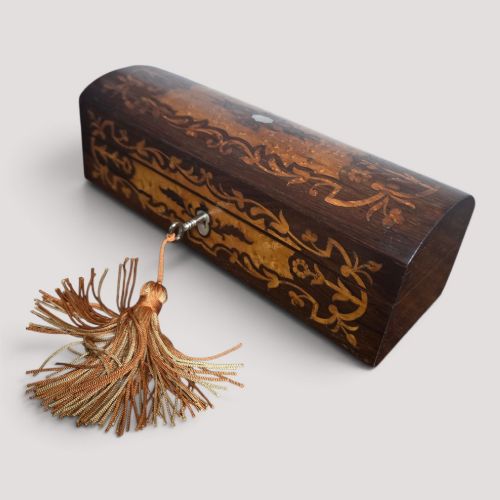
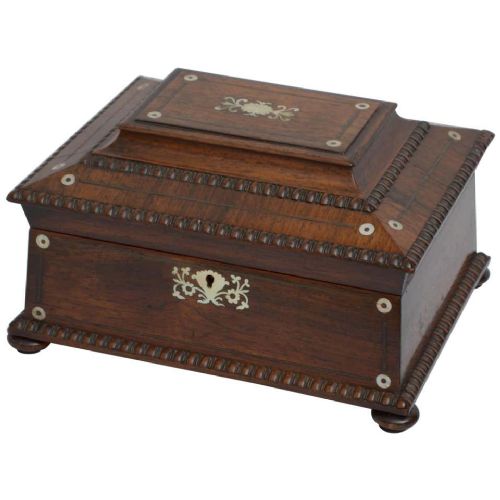
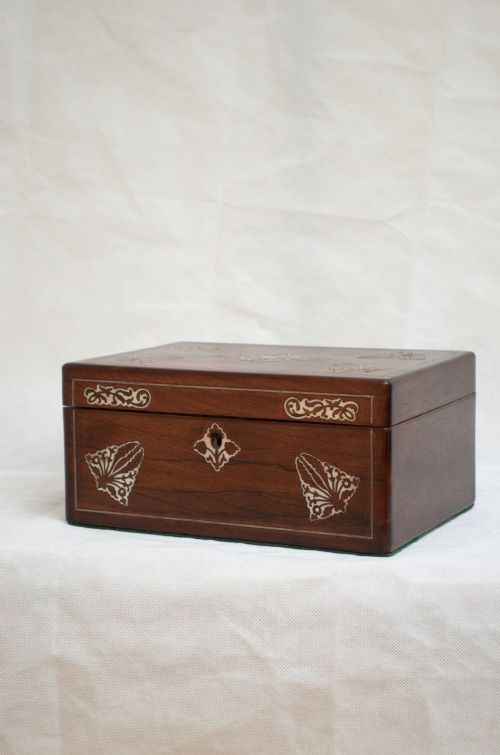
Craftsmen utilised hardwoods like rosewood, mahogany and coromandel as the primary body material, often applying flame veneers to create striking grain patterns. They combined these dark timbers with contrasting inlays of brass, mother of pearl and lighter woods using marquetry and Tunbridge Ware techniques.
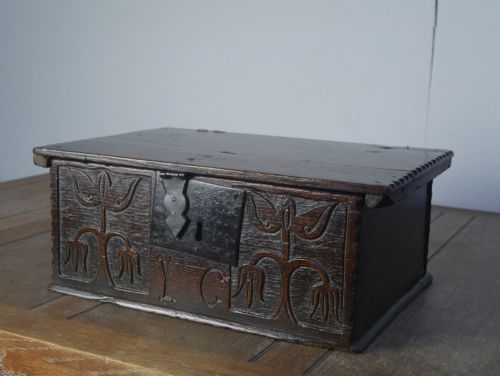
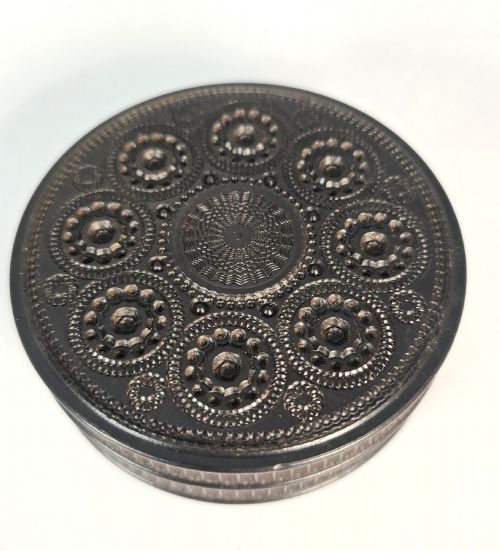
Many items incorporate specialised surface treatments, including engine turning on small snuff boxes, chip carving on folk art pieces, and deep relief work on Black Forest and Anglo-Indian boxes. Interiors frequently feature fitted trays and linings of paper or velvet to protect small keepsakes.
Dark Wood Trinket Boxes Retail Price Guide 2026
Typical asking prices for dark wood trinket boxes among the pieces listed under this phrase on Sellingantiques today, from the lower quarter to the upper quarter. They describe what is for sale here now, not the wider market.
Some Victorian owners stored miniature treasures in apprentice pieces scaled down by hopeful woodworkers proving their mastery.
Evaluating craftsmanship
Quality rests upon the selection of timber and the precision of the joinery and inlay work. Fine specimens display crisp brass stringing, tight marquetry and well-fitted interior trays that move smoothly within the carcase.
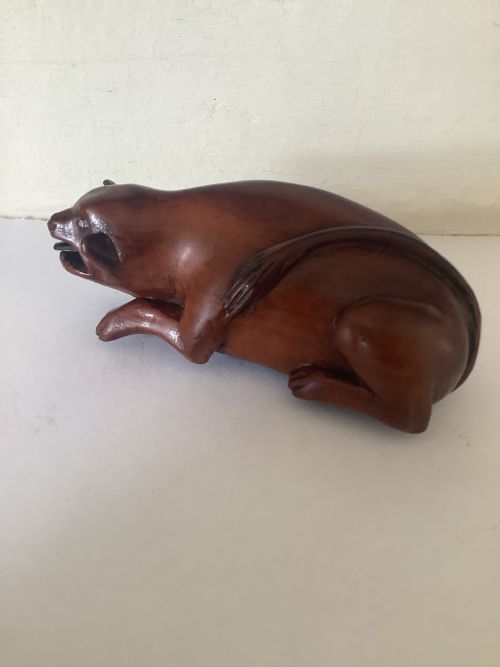
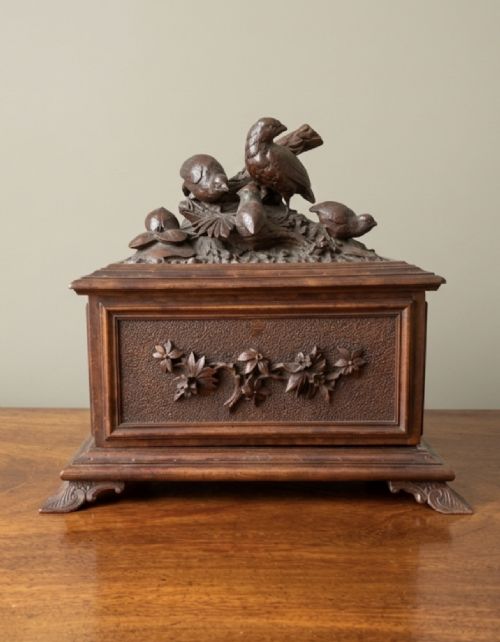
The depth and skill of the carving distinguish standard utilitarian pieces from exceptional examples, particularly in Black Forest and folk art items where hand-carved details define the character of the box.
Edmund Nye
The Dark Wood Trinket Boxes Glossary
- Tunbridge Ware
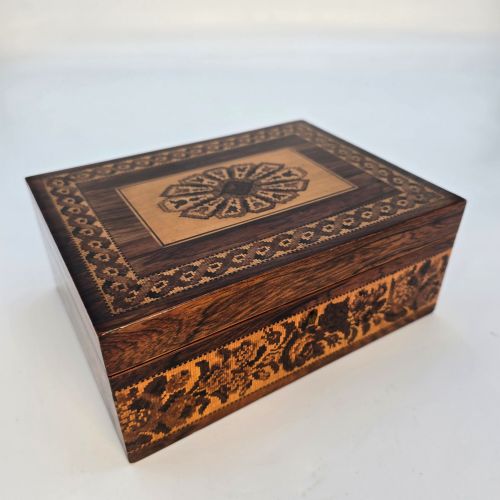
- A type of woodworking originating from Kent involving tiny mosaic tiles made from differently coloured woods to form geometric or pictorial patterns.
- Marquetry
- Decorative veneer applied to wood furniture and boxes in geometrical patterns, pictorial scenes or scrolls using various thin wood strips.
- Engine turned
- A method of mechanical ornamentation applied to wood or metal using a lathe to produce intricate geometric patterns.
- Treen
- Small handmade wooden household objects and trinkets created before the mass production era.
- Coromandel
- A dense, heavy timber with dark stripes imported from Asia, highly prized by 19th-century cabinet makers for luxury boxes.
Dark Wood Trinket Boxes: Frequently Asked Questions
How are dark wood trinket boxes dated?
Dating relies upon timber choice, hardware style, construction methods and decorative motifs. Regency and Georgian examples often feature understated brass inlay and simpler rectangular or circular forms.
Victorian pieces frequently utilise heavier rosewood or coromandel bodies embellished with mother of pearl and complex fitted interiors. Comparing the lining materials and hinge types helps clarify the period of manufacture.
What were these boxes originally used for?
These receptacles served various domestic purposes depending on their internal layout and size. Gentlemen and ladies stored jewellery, watches, stamps, sewing accessories and personal trinkets inside them.
Smaller variants acted as snuff boxes or spice containers, while larger caskets accommodated tea leaves, gloves or correspondence.
How do I care for antique wood boxes?
Preservation requires stable environmental conditions away from direct sunlight and heat sources, which can cause wood to dry and veneers to lift. Dusting with a soft, dry cloth maintains the surface.
A light application of appropriate furniture wax occasionally helps nourish older timbers without building up residue.
How can I tell Tunbridge Ware apart from standard inlay?
Tunbridge Ware consists of a mosaic composed of thousands of minute wood blocks assembled to create a pictorial or geometric motif. Standard marquetry uses flat veneer sheets cut and fitted into a background.
Examining the surface with a magnifier reveals the individual end-grain squares characteristic of true Tunbridge mosaic work.