




Antique Indian Lacquerware
Antique Indian lacquerware brings vibrant hand-painted pattern and rich regional craftsmanship straight into a room through decorative bowls, tables, and lighting.
Antique Indian Lacquerware
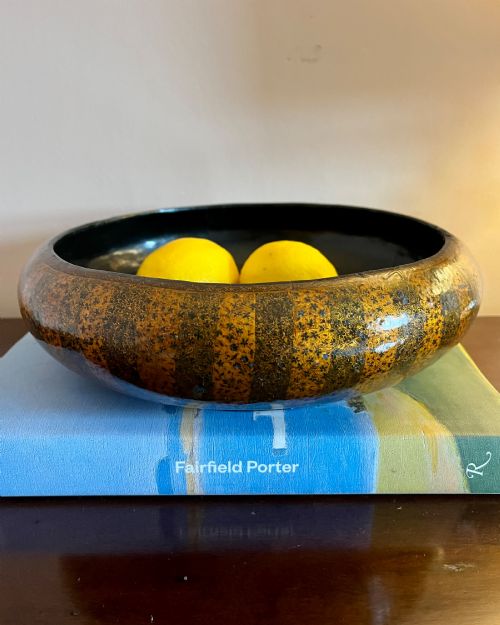
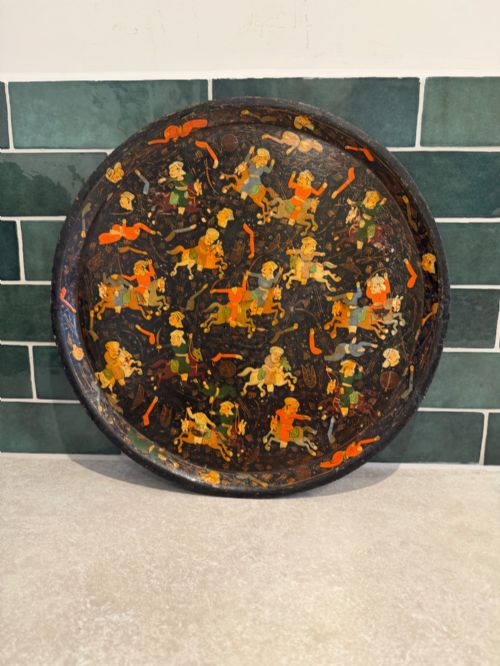
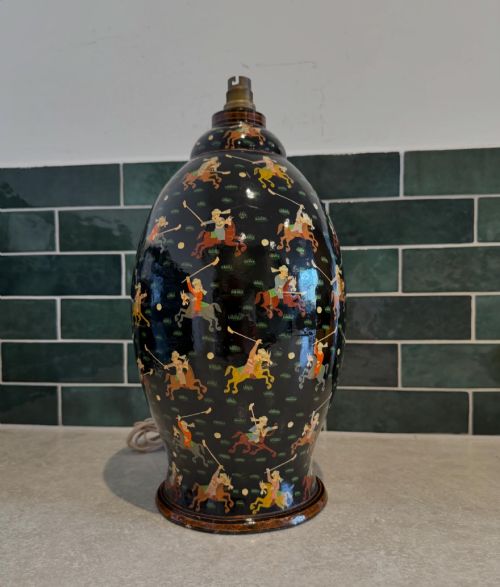
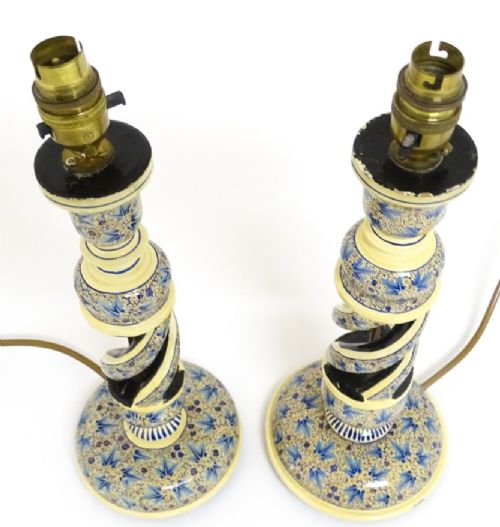
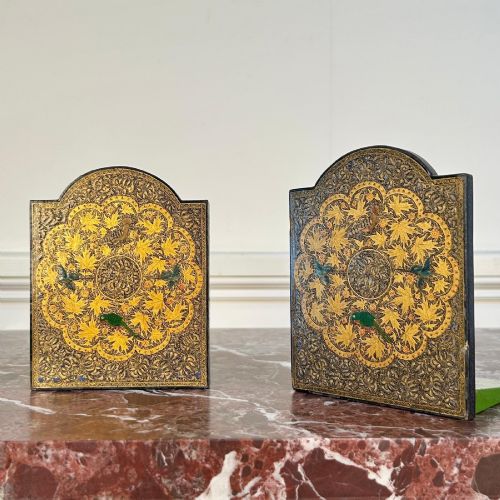
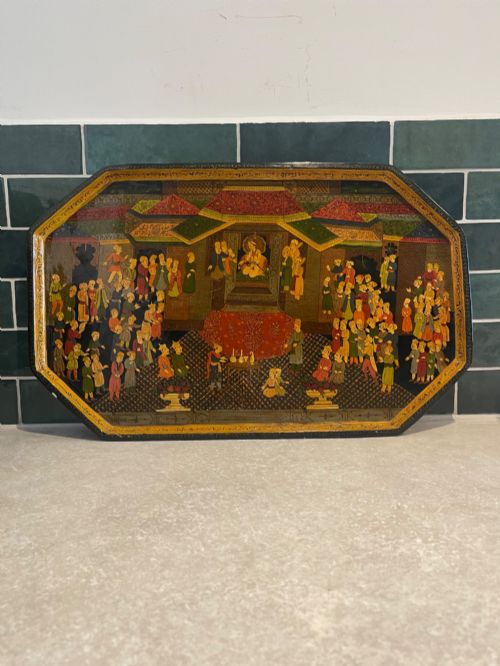
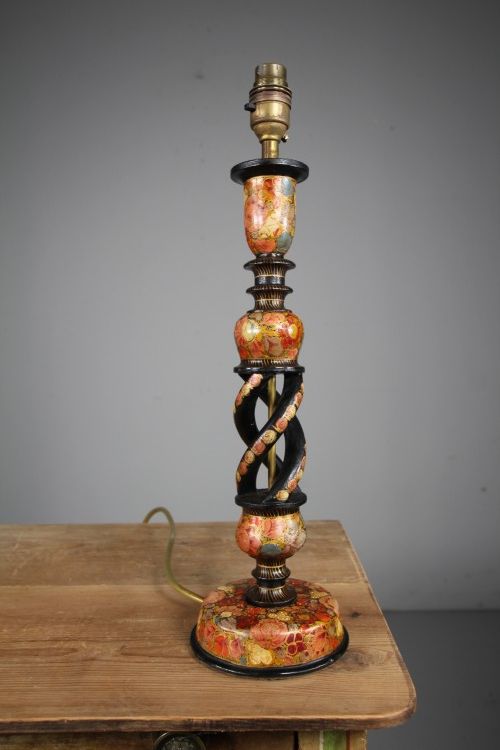
When someone searches for antique Indian lacquerware, they are looking at a striking group of decorative objects and furnishings spanning the nineteenth and early twentieth centuries. These pieces encompass table lamps, side tables, decorative bowls, bookends, trays, vases, lidded pots, and boxes produced across various regional traditions.
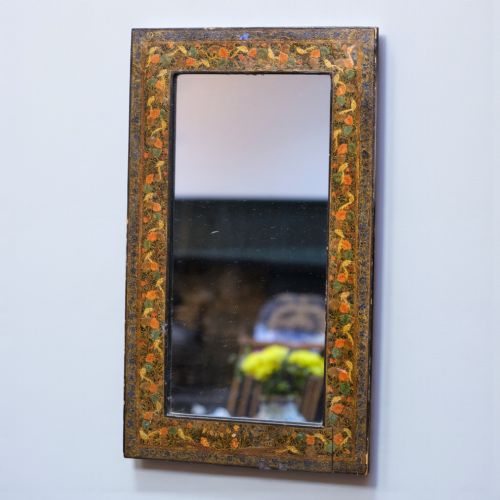
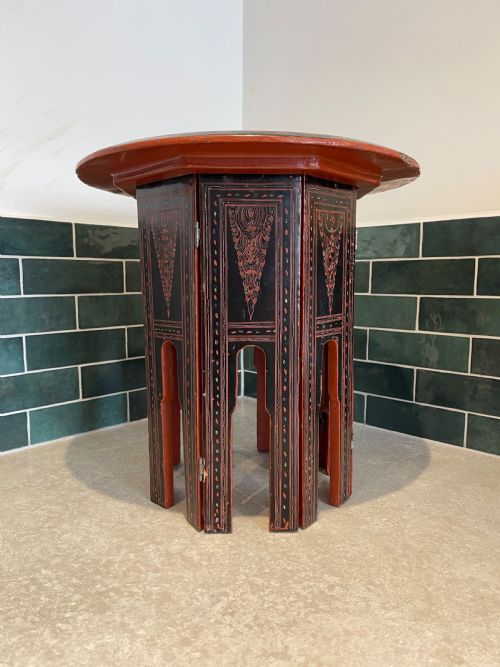
The version most commonly met on this page is Kashmiri in origin, frequently featuring detailed hand-painted birds, foliage, and traditional motifs upon wooden or papier-mache surfaces. Alongside Kashmiri production, the selection includes Burmese colonial items such as lacquered tables reflecting distinct nineteenth and early twentieth-century aesthetics.
The forms range widely from functional lighting and small occasional furniture to intricate vessels designed for display rather than heavy utility. Buyers encounter items dating from the Victorian and Edwardian eras up to the nineteen-twenties and thirties, each showing the distinctive hand of regional artisans.
How these pieces were made
The construction of these items relies heavily on wood and papier-mache as structural bases, shaped into vessels, trays, and furniture forms. Artisans then applied layers of lacquer to create smooth, protective surfaces capable of holding intricate painted designs.
Pigment and paint bring the distinctive visual character to each piece, rendered through careful hand-painting that depicts flora, fauna, and geometric patterns. Additional elements such as fabric, brass, and alternative lacquered finishes appear across specific regional styles like Anglo-Indian and Kashmiri work.
Antique Indian Lacquerware Retail Price Guide 2026
Typical asking prices for indian lacquerware among the pieces listed under this phrase on Sellingantiques today, from the lower quarter to the upper quarter. They describe what is for sale here now, not the wider market.
An unusual set of four graduated round Kashmiri boxes waits patiently for someone to nest them together.
What varies in quality
Quality in these pieces rests upon the precision and complexity of the hand-painted decoration, where finer examples display exceptional detail in birds, foliage, and borders. The crispness of the underlying papier-mache or wooden form also distinguishes superior items from simpler production.
The preservation of the original pigment and lacquer surfaces determines much of the visual strength, with untouched painted details commanding greater interest. Furthermore, the coherence of regional styles - whether Kashmiri craftsmanship or Burmese colonial work - influences the overall character of the piece.
The Antique Indian Lacquerware Glossary
- Papier-mache
- A composite material consisting of paper pieces or pulp, sometimes reinforced with cloth, stuck together with glue or other adhesive and shaped into forms before drying and lacquering.
- Lacquer
- A clear or coloured varnish made from shellac or resin that is applied in multiple coats to wood or papier-mache and dried to produce a hard, durable finish.
- Anglo-Indian
- A descriptive term for art, furniture, and decorative objects made in India during the British period, often blending British forms with traditional Indian craftsmanship.
- Kashmiri
- Pertaining to the region of Kashmir, known for a distinct tradition of hand-painted lacquerware on wood and papier-mache featuring birds, flowers, and traditional motifs.
- Colonial
- Pertaining to decorative objects and furniture produced during the period of British rule in regions like Burma, combining local materials with contemporary Western utility.
Antique Indian Lacquerware: Frequently Asked Questions
What is antique Indian lacquerware?
Antique Indian lacquerware comprises decorative items and small furnishings finished with protective lacquer coatings and intricate hand-painted designs. The selection includes bowls, trays, tables, and lighting.
These objects largely date from the nineteenth and early twentieth centuries, reflecting regional traditions such as Kashmiri craftsmanship and Burmese colonial production.
How do I care for lacquerware?
Lacquerware requires gentle treatment to protect the painted surfaces and delicate wooden or papier-mache bases. Keep pieces away from direct sunlight, excessive moisture, and rapid temperature fluctuations.
Dusting lightly with a soft, dry cloth is usually sufficient for maintenance. Avoid chemical cleaners and abrasive materials entirely.
Where were these pieces made?
The pieces listed originate primarily from regional workshops in Kashmir, celebrated for intricate painted papier-mache and wooden items. Other examples reflect Burmese colonial production.
Anglo-Indian styles also appear, demonstrating the exchange of decorative forms between British and local makers during the nineteenth and early twentieth centuries.
How do I identify different periods?
Dating relies on stylistic markers associated with Victorian, Edwardian, and early twentieth-century periods. Lighting fixtures often indicate later adaptations through rewiring for modern use.
Materials such as papier-mache, wood, and specific pigment palettes help align pieces with nineteenth-century Kashmiri traditions or nineteen-twenties Burmese items.
Were these items meant to be functional?
Many pieces served practical household roles, including side tables, table lamps, lidded pots, and bookends. Others, such as decorative trays and bowls, functioned primarily as visual ornaments.
Even functional items received elaborate hand-painted decoration, bridging the gap between utility and display.