

Dark Wood Throne Chair
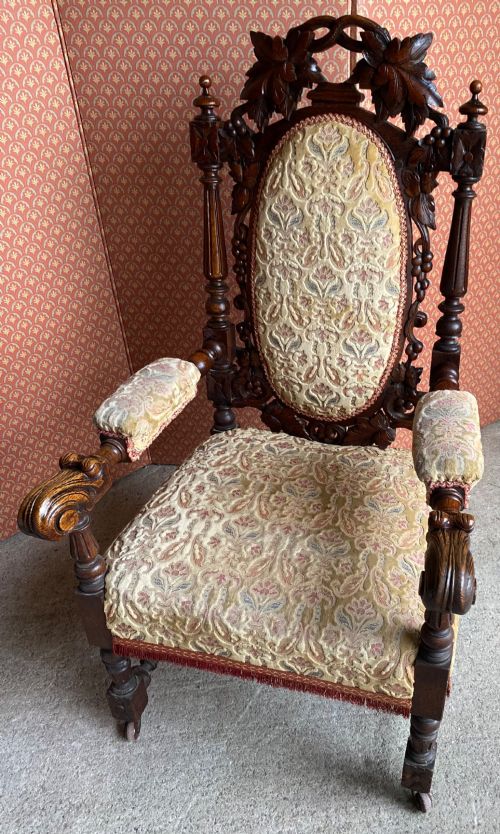
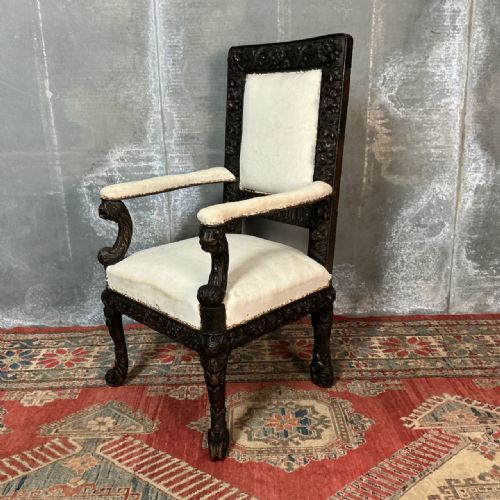
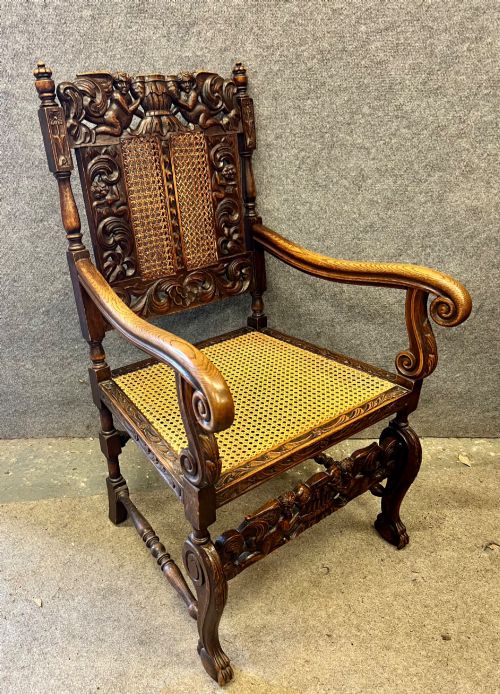
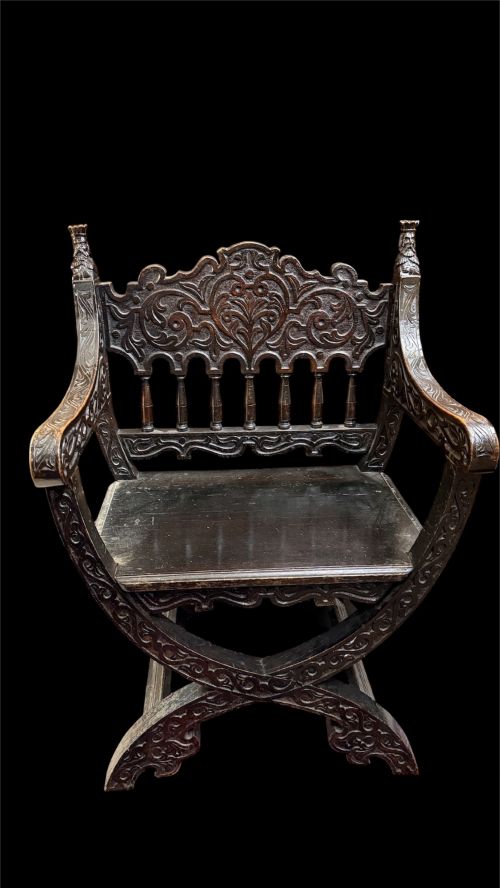
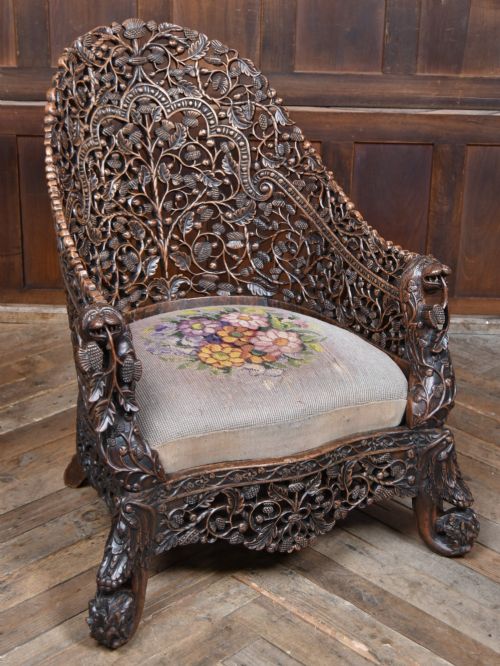
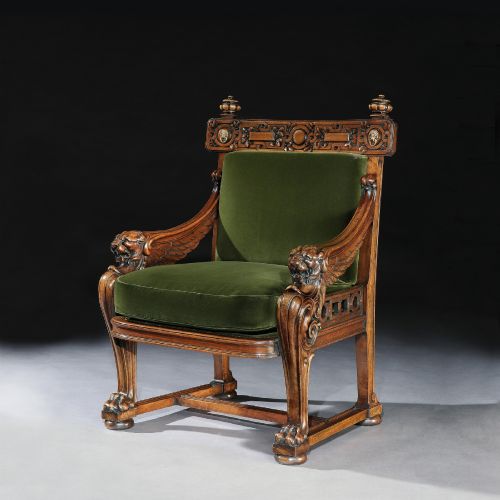
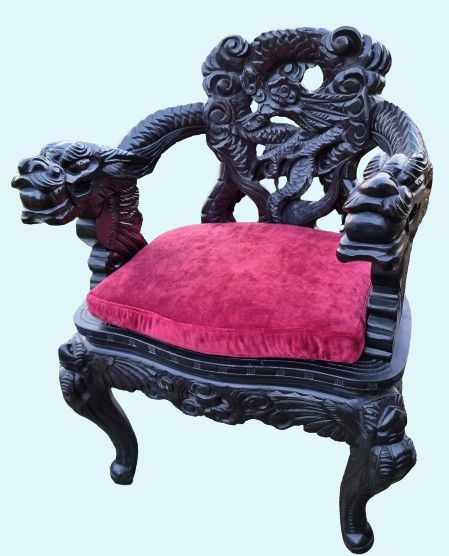
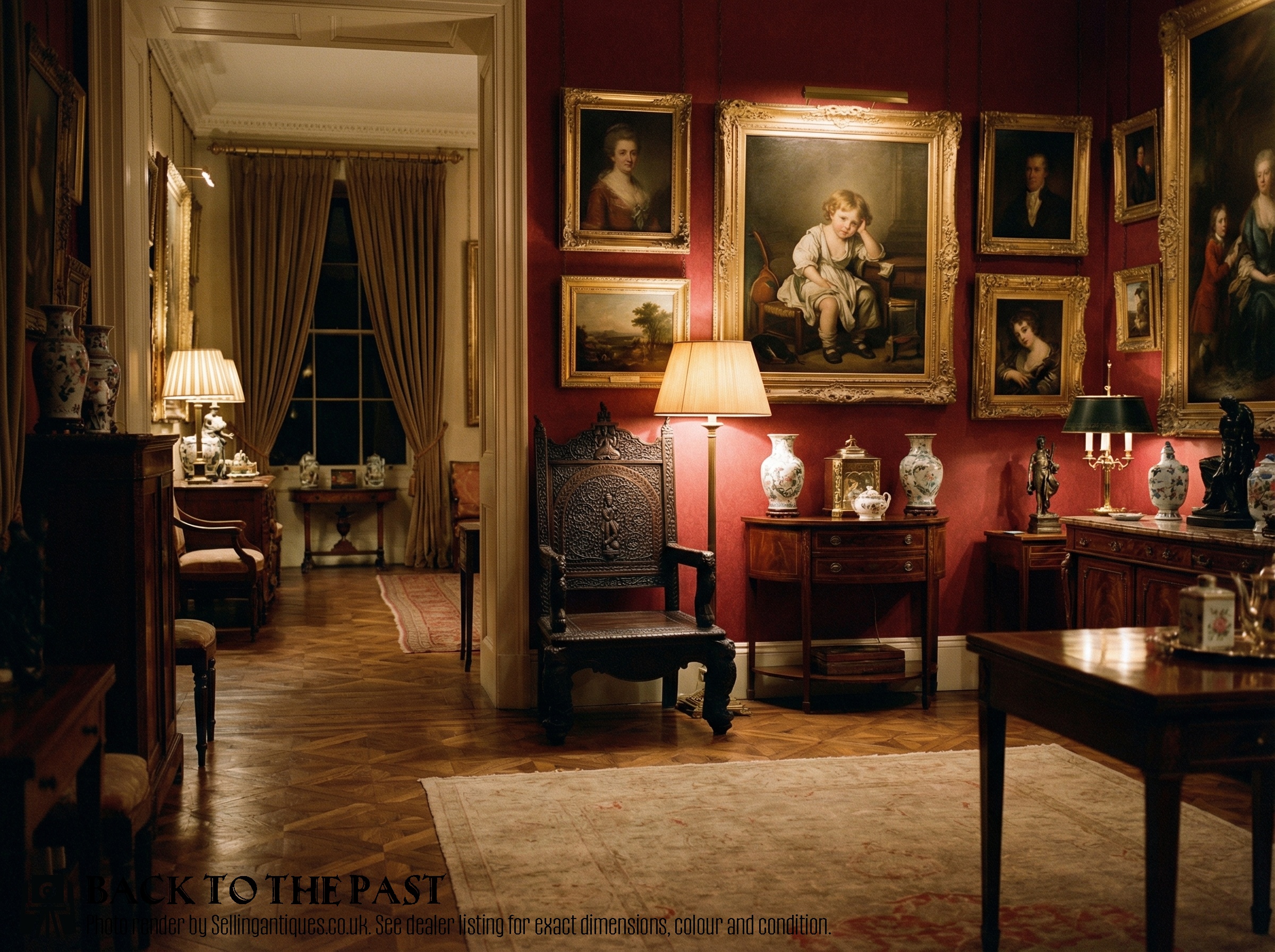
A dark wood throne chair commands attention in a room, offering heavy timber construction and carved detail from centuries past.
Dark Wood Throne Chair
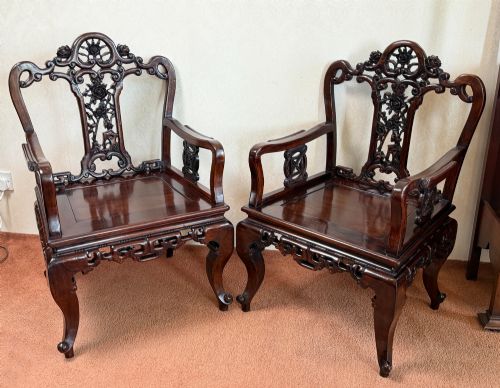
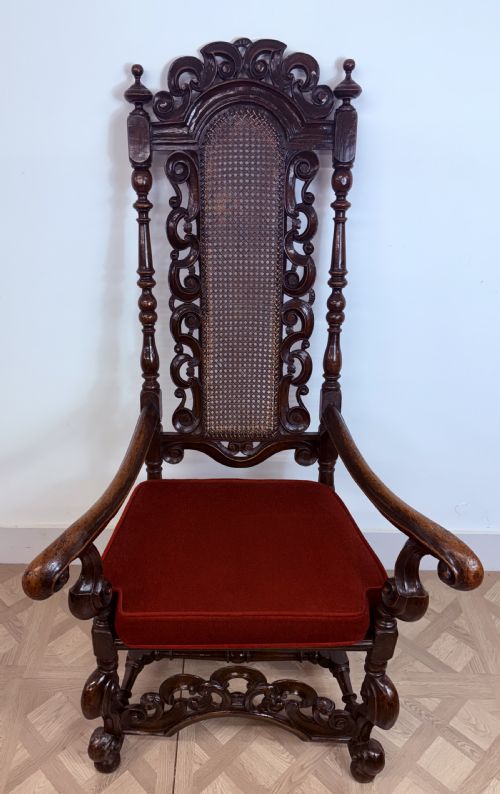
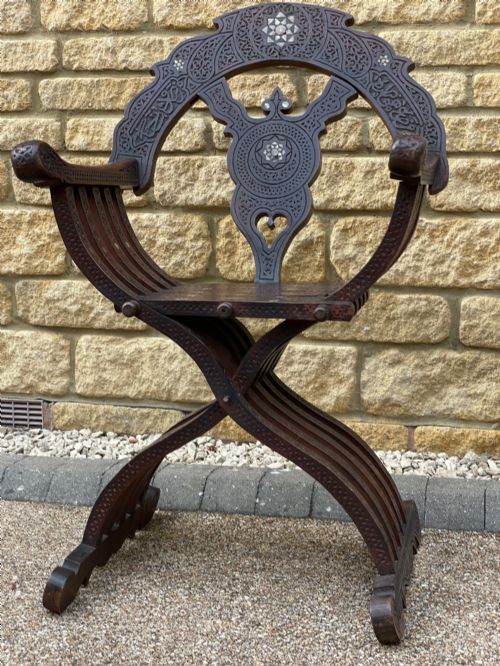
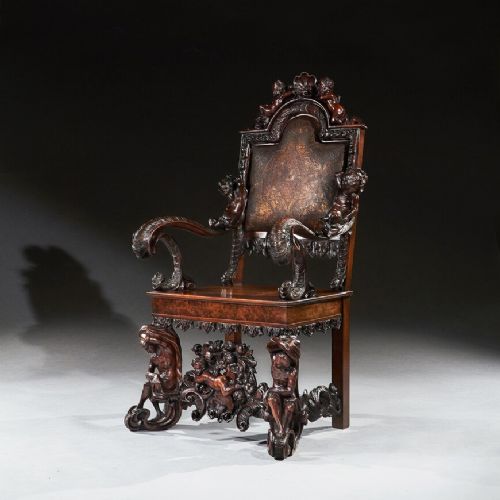
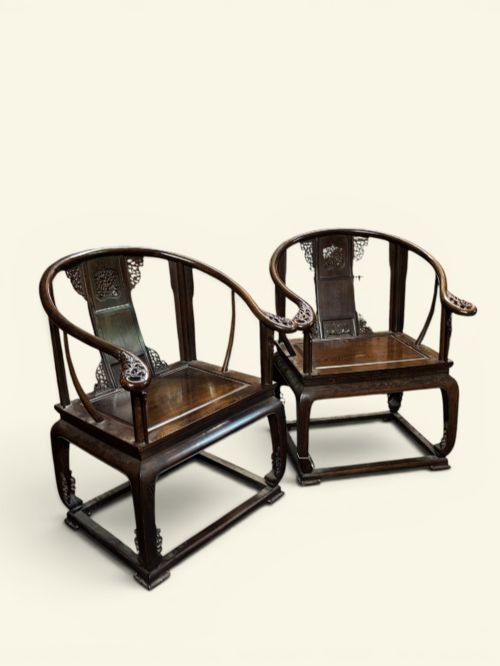
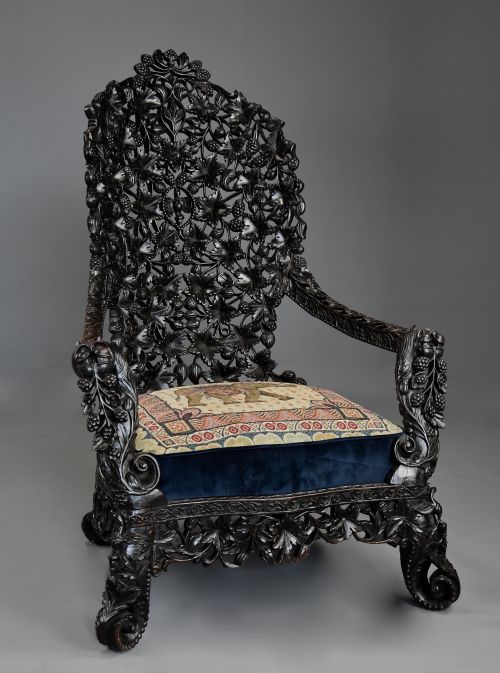
A dark wood throne chair is a substantial seating piece built from dense timbers such as oak, walnut, rosewood, and hardwood. These pieces draw on historical styles spanning the seventeenth through the nineteenth centuries, including Jacobean, Gothic Revival, and Qing Dynasty aesthetics.
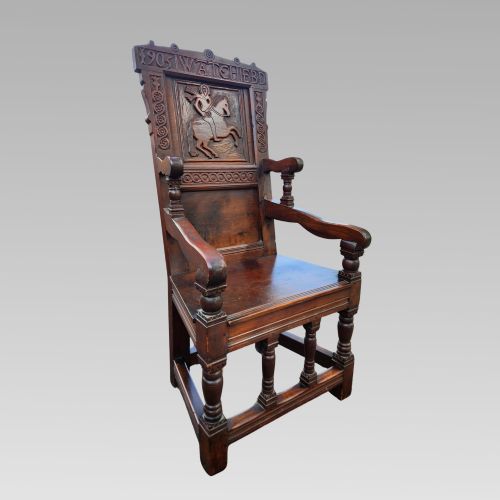
Buyers encounter heavy wainscot forms, high-backed armchairs, and elaborately carved ceremonial seats originating from English, Chinese, Italian, and Indian workshops. Many examples utilise traditional joinery and heavy panel construction to achieve an imposing architectural presence.
The selection ranges from sturdy seventeenth-century oak designs to nineteenth-century revival pieces and intricate Asian hardwood seats. Each variation reflects the regional woodworking traditions and decorative tastes of its period.
Materials and construction
Carpenters relied on structural hardwoods like English oak, European walnut, and exotic oriental timber, often joined using traditional mortise and tenon techniques. Surfaces received deep hand-carving, turning, and occasional inlay work such as mother-of-pearl or contrasting woods.
Upholstered variants incorporate leather or heavy fabric secured with brass tacks, while wooden panel seats utilise pegged framing to accommodate timber movement over time. Finish application typically involved natural oils and waxes that darkened the grain with age.
Dark Wood Throne Chair Retail Price Guide 2026
Typical asking prices for dark wood throne chair among the pieces listed under this phrase on Sellingantiques today, from the lower quarter to the upper quarter. They describe what is for sale here now, not the wider market.
One child's lambing chair in fruitwood offers miniature domestic comfort from the seventeenth century.
Distinctions in quality
Depth and precision of the hand-carved ornamentation separate standard functional seating from exhibition pieces, particularly in figural work and complex foliage. The choice of dense, highly figured timber rather than plain utility wood dictates the original status of the chair.
Structural integrity depends on the retention of original pegged joints and the stability of heavy wood frames against atmospheric shifts. Pieces maintaining their primary finish and unmodified structural components command greater regard among collectors.
The Dark Wood Throne Chair Glossary
- Wainscot chair
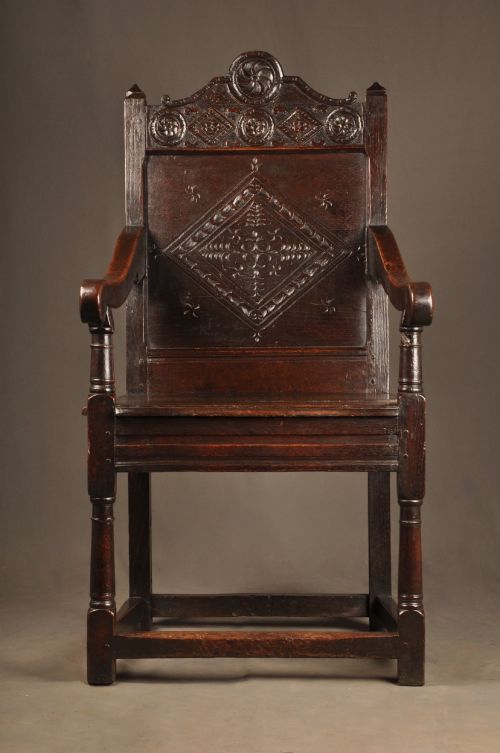
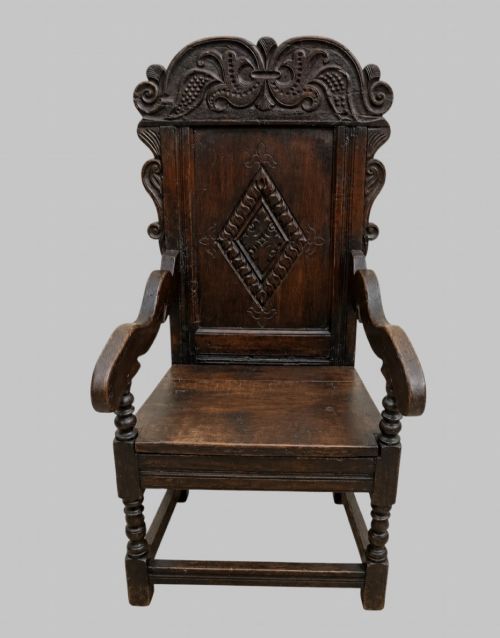
- A solid wooden armchair constructed with panelled backboards, originating in the sixteenth and seventeenth centuries. Carpenters built these heavy seats using framed oak panels instead of upholstered cushioning.
- Hongmu
- A traditional Chinese term designating dense, dark red or black hardwoods utilised for fine furniture making. Artisans valued these heavy timbers for their ability to hold crisp, intricate relief carving.
- Turner's chair
- An early form of seating assembled entirely from turned wooden spindles and members. Joiners constructed these rigid chairs by interlocking cylindrical components rather than using solid panels.
Dark Wood Throne Chair: Frequently Asked Questions
What is a wainscot chair?
A wainscot chair is an early wooden armchair built with solid panelled backs and substantial armrests. These heavy oak pieces date predominantly to the seventeenth century and reflect domestic joinery traditions.
Craftsmen constructed them without upholstery, relying on solid timber panels and pegged joints for structural support. Their design evolved from wooden wall panelling of the period.
How do I date a dark wood chair?
Dating relies on examining the timber species, joinery methods, and the style of the hand-carving present on the frame. Seventeenth-century examples typically display pegged oak construction and linear strapwork.
Later nineteenth-century revival pieces often incorporate machine assistance alongside hand-finishing, utilising denser exotic hardwoods or walnut. Comparing the wear patterns on the seat helps confirm age.
Where were throne chairs placed?
Throne chairs served as prominent seats of authority in domestic halls, civic chambers, and temple spaces. Their imposing height and heavy carving denoted the status of the occupant.
In British homes, they stood at the head of the dining table or beside the hearth in large reception rooms. Asian examples functioned similarly as ceremonial seating within official halls.
Are these chairs comfortable to use?
Most antique throne chairs prioritise architectural presence and upright posture over modern cushioned comfort. Their rigid wooden seats and high straight backs encourage an upright seating position.
Many examples feature carved armrests and solid panels designed for formal reception rather than lounging. Adding loose squab cushions is a common method for everyday use.