
Dark Wood Storage Cupboard
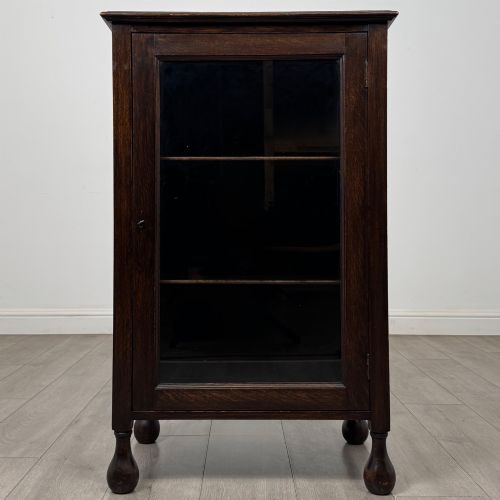
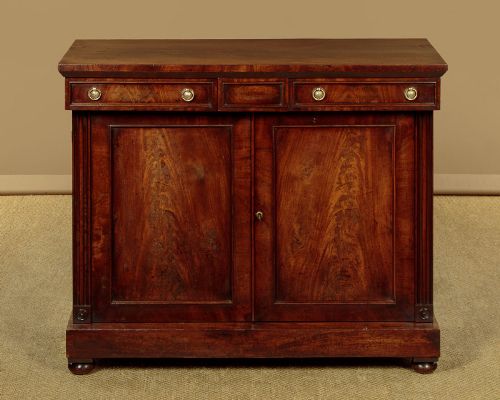
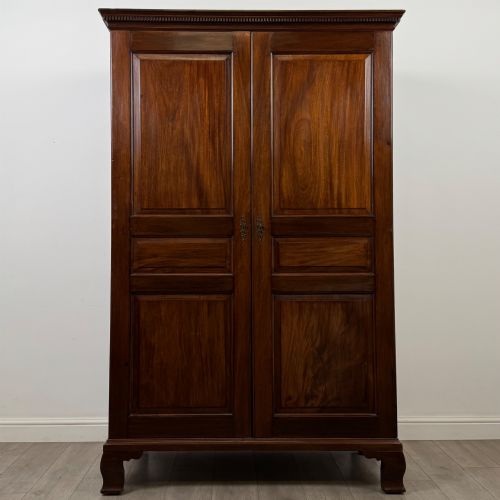
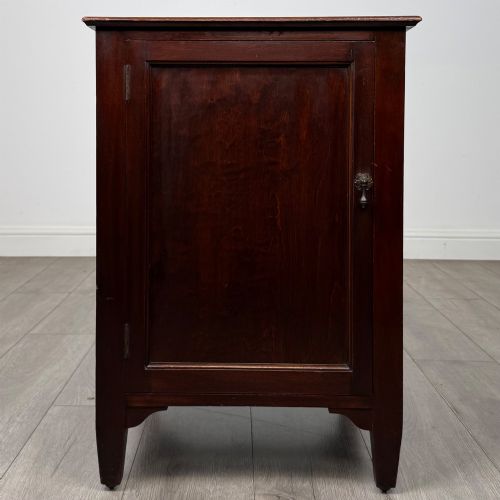
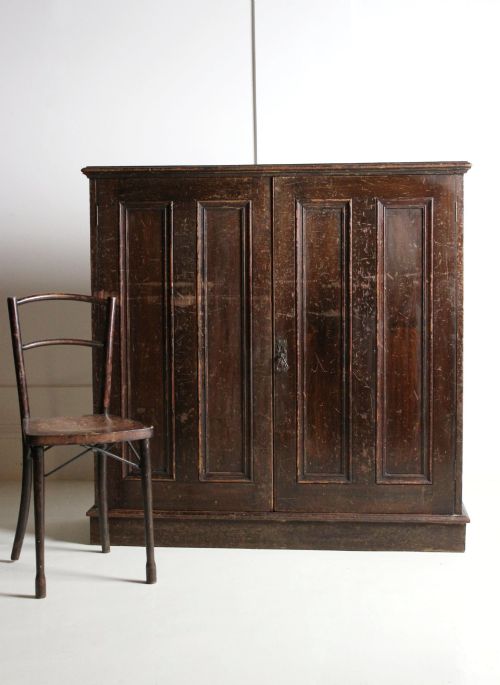
A dark wood storage cupboard organises a room with deep timber tones, offering enclosed shelving across Georgian, Victorian and Edwardian forms.
Dark Wood Storage Cupboard
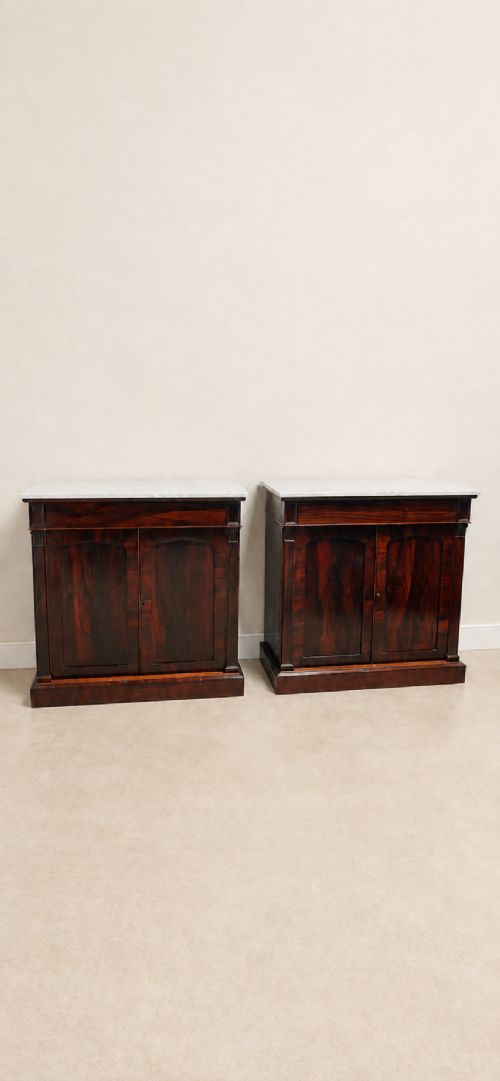
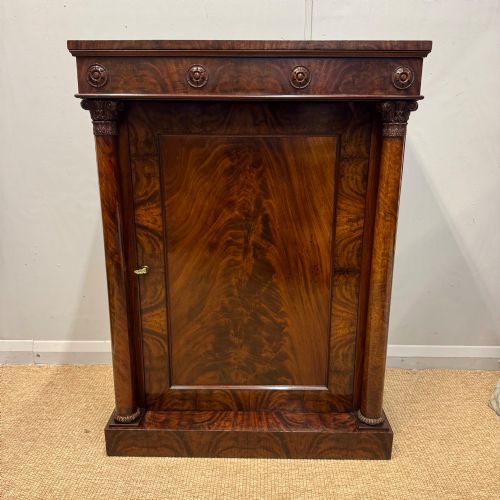
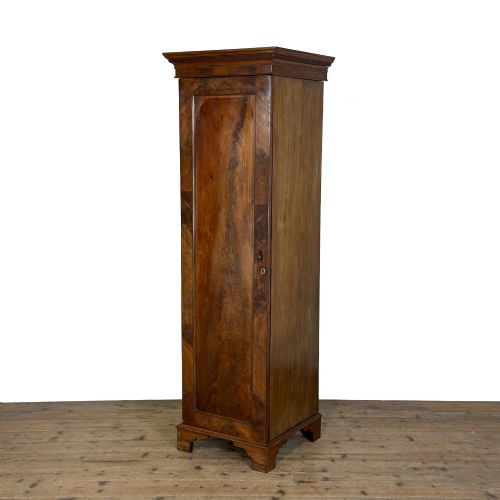
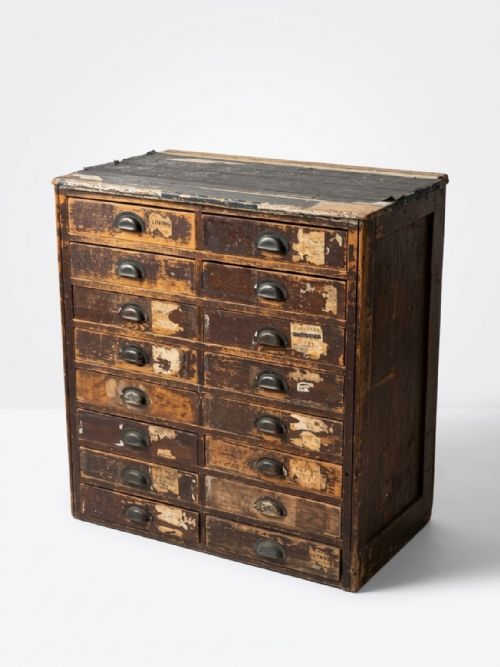
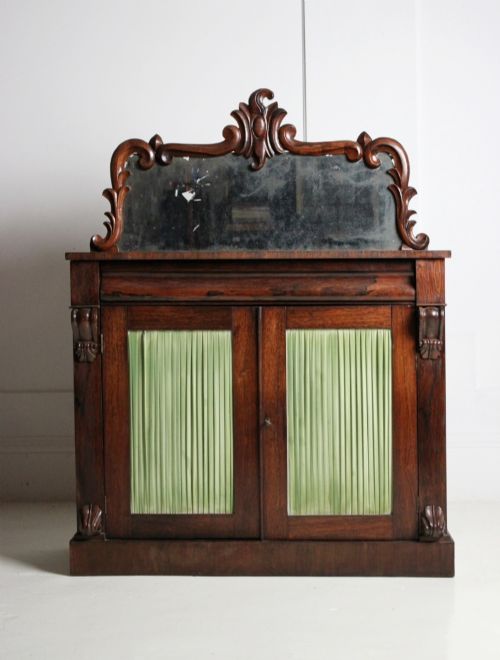
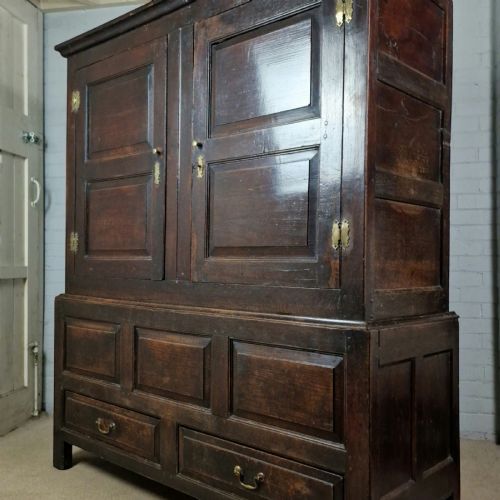
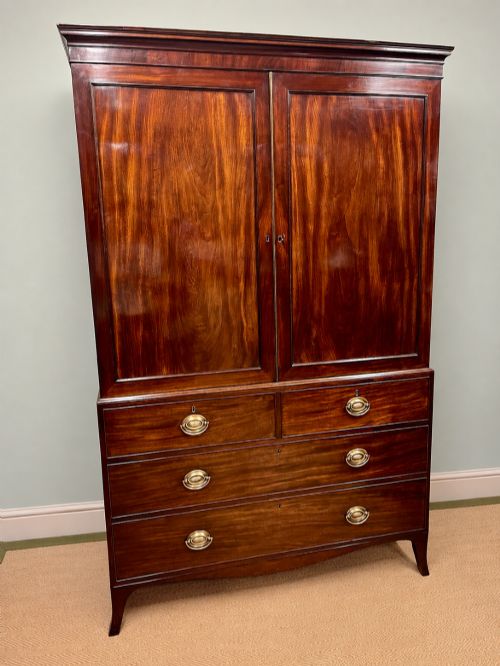
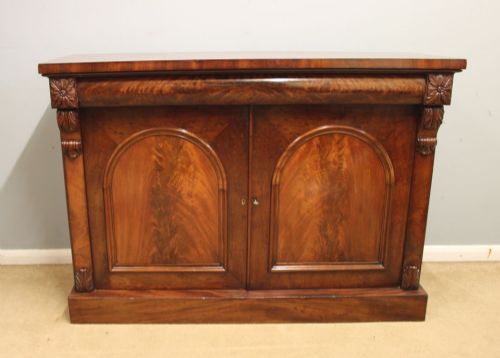
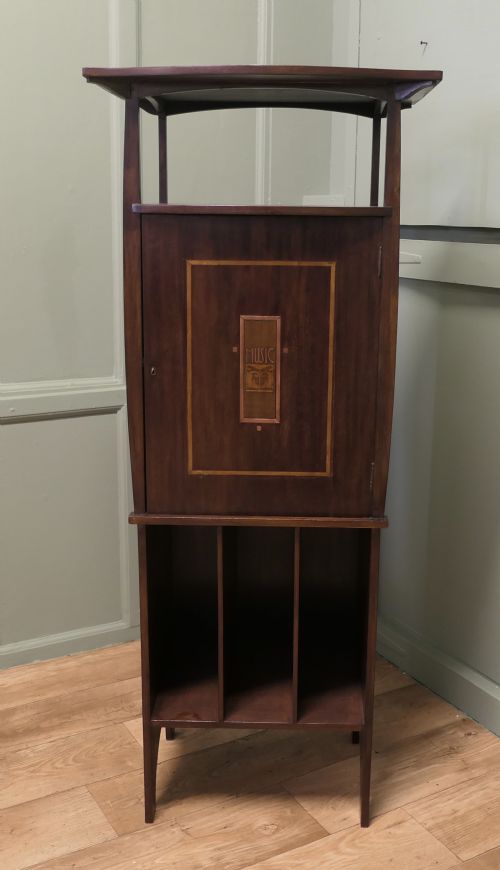
A dark wood storage cupboard encompasses a diverse range of functional brown furniture designed to keep belongings out of sight. When searching for a dark wood storage cupboard, buyers encounter forms such as linen presses, chiffoniers, corner cabinets, sideboards and bookcases dating from the eighteenth century through to the early twentieth century.
The pieces on this page originate from distinct stylistic periods including Georgian, Regency, Victorian, Edwardian and Arts and Crafts movements. Cabinets range from compact bedside units and wall-hanging corner cupboards to substantial floor-standing bookcases and panelled hall wardrobes.
Timbers such as mahogany, oak and rosewood dominate the selection, often enriched with brass hardware, glass panels, or subtle satinwood inlay. Makers and designers span traditional workshops to specific firms like JS Henry, reflecting shifts in domestic storage needs across generations.
Assessing craftsmanship and condition
Quality in these storage pieces rests upon the selection of timber grain, particularly in figured mahogany and burr walnut veneers where matching creates visual symmetry across doors and drawers. Superior examples maintain original surface patination and tight joinery without extensive timber replacement.
Internal construction reveals the maker's hand through secondary woods used in drawer linings, hand-cut dovetails and the smooth operation of doors and tambour mechanisms. Finer pieces incorporate thoughtful proportions, balanced hardware and restrained decorative carving or inlay that complements the primary timber.
GM Elwood·JS Henry
The Dark Wood Storage Cupboard Glossary
- Linen press
- A tall storage piece comprising upper shelving enclosed by doors set above a base of wider drawers. Originally designed for storing household textiles flat.
- Chiffonier
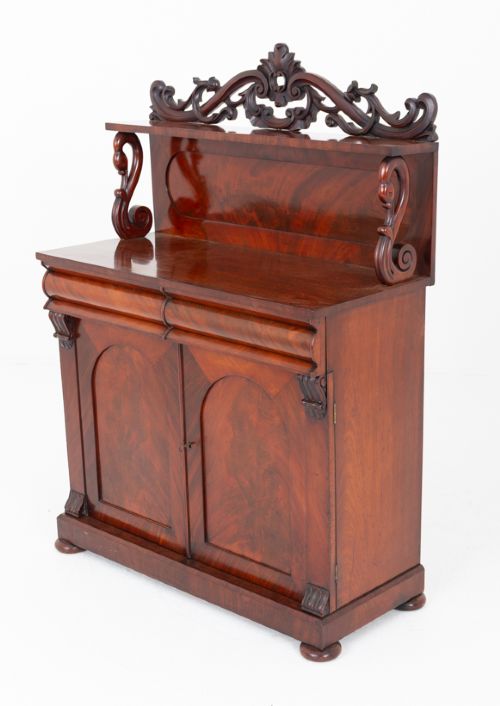
- A compact sideboard or low cabinet developed during the Regency and Victorian periods, usually featuring enclosed lower shelves and sometimes a raised mirror or back shelf.
- Tambour
- A flexible door constructed from narrow vertical strips of wood glued to a canvas backing, allowing it to slide smoothly around a curved track.
- Patina
- The deep lustre and surface texture acquired by timber through age, handling and polishing over many decades. It indicates authentic historical wear.
Dark Wood Storage Cupboard: Frequently Asked Questions
Where do I put a corner cupboard?
Wall-hanging and floor-standing corner cupboards suit unused room angles, turning awkward junctions into practical display or storage space. They work effectively in dining rooms, hallways or sitting rooms where wall space is limited.
Ensure the mounting wall or floor is secure enough to bear the weight of dense hardwood construction. Positioning them away from direct heat sources protects the antique timber from drying out and splitting.
How do I clean dark wood furniture?
Dust the timber regularly with a soft, dry cloth to prevent particles from settling into the grain or dulling the wax finish. Avoid modern silicone sprays that build up and attract further dirt.
Apply a traditional beeswax sparingly to nourish the wood and maintain its deep lustre. Buff gently with a clean cloth after application to bring out the natural grain.
What is the difference between a chiffonier and a sideboard?
A chiffonier is typically smaller than a sideboard and gained popularity during the Regency and Victorian eras for smaller reception rooms. It often includes enclosed lower cupboards and a raised tier or shelf on top.
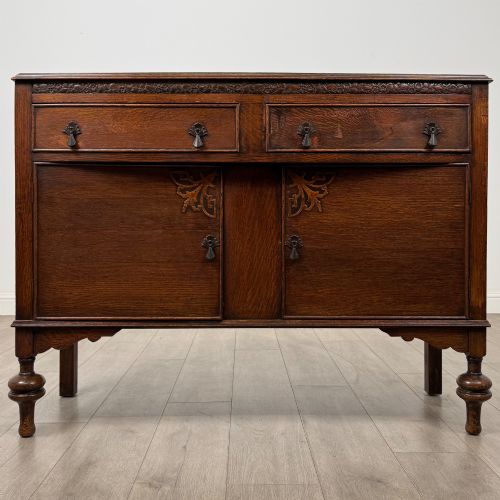
Sideboards are generally larger dining room pieces designed for serving food and storing heavy tableware. Both utilise dark hardwoods like mahogany or rosewood but serve distinct spatial functions.
How do I date a wooden cabinet?
Examine the construction methods, such as hand-cut dovetails in drawers and the choice of secondary woods used inside the carcass. Architectural styles like Gothic Revival, Regency curves or Georgian bracket feet also provide clear chronological markers.
Hardware style and the presence of original locks or makers' marks help narrow the decade of manufacture. Comparing the timber patination and joinery with known period examples confirms the age.