


Dark Wood Sewing Stand
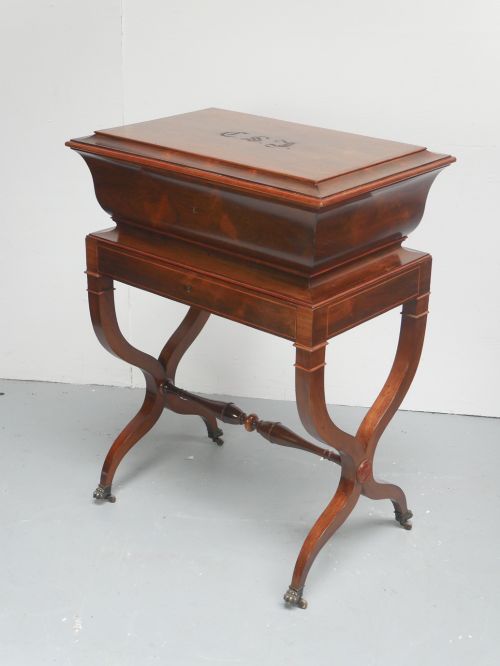
These dark wood sewing stand pieces are fine Regency and Victorian work tables designed for needlework and domestic crafts, offering practical elegance for the home.
Dark Wood Sewing Stand
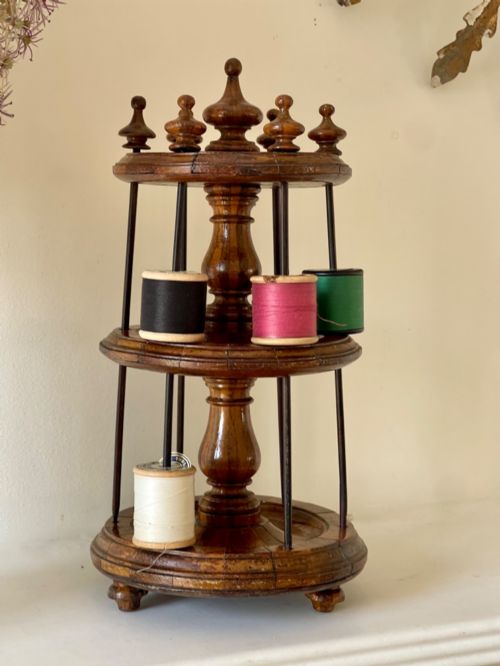
A dark wood sewing stand serves as a dedicated piece of furniture for holding sewing accessories, threads, and crafting materials within domestic spaces. Buyers searching this phrase encounter refined tables and boxes that combine utility with decorative presence.
The selections on this page span the Regency, William IV, and Victorian periods, showcasing traditional forms from English and French workshops. Examples include sewing tables, work tables, and teapoys that double as lamp tables or side tables.
Rosewood and mahogany dominate the materials, often complemented by fabric, velvet, or needlepoint tapestry components. These pieces reflect the craftsmanship of the nineteenth century, when furniture for needlework was both functional and status-enhancing.
How dark wood sewing stand pieces were made
Cabinet makers utilised dense tropical timbers like rosewood and mahogany, selecting them for rich grain patterns and durability. These woods were shaped into turned wood supports and sturdy frames capable of bearing fitted compartments.
Interior storage often involved delicate compartments lined with fabric, silk cotton, or velvet to house sewing accessories securely. Brass hardware and turned elements provided structural stability and subtle decorative contrast against the dark timber.
Listings feature pieces from the Regency, William IV, and Victorian periods, constructed primarily from mahogany and rosewood.
What varies in quality
Quality rests in the selection of timber veneers and the precision of the joinery within the work boxes and stands. Superior examples display carefully matched rosewood or mahogany grains across the primary surfaces and lids.
Lesage
The Dark Wood Sewing Stand Glossary
- Rosewood
- A heavy, durable timber with distinctive dark grain patterns used extensively in Regency and Victorian cabinet making. It yields a polished finish prized for fine work tables.
- Teapoy
- A small stand traditionally used for holding tea canisters, often adapted in the nineteenth century to function as a work box or sewing table.
- Needlepoint Tapestry
- A form of canvas work embroidery used historically to adorn the tops of crafting stands and work tables. It demonstrates the domestic needlework skills of the period.
- Work Table
- A specialised piece of furniture featuring internal compartments and a fabric bag or box for storing sewing materials. These tables combined crafting utility with elegant reception room styling.
Dark Wood Sewing Stand: Frequently Asked Questions
What is a dark wood sewing stand used for?
These stands functioned primarily as organised storage for needlework, threads, and crafting accessories during the nineteenth century. They provided a dedicated surface for sewing while keeping tools neatly concealed within fitted compartments.
Today, they serve equally well as side tables, lamp tables, or decorative accents in living spaces. Their compact proportions make them versatile additions to modern interiors.
Are these stands suitable for daily use?
These antique pieces accommodate light daily use as side tables or occasional surfaces for holding small items. Their internal compartments remain practical for organising modern crafting supplies or desk accessories.
Care should be taken to protect polished rosewood and mahogany surfaces from moisture and heat. Treating them with the respect due to nineteenth-century furniture ensures their longevity.
What materials are used in these pieces?
The primary structural materials are dense tropical hardwoods, specifically mahogany and rosewood. These timbers provide both strength and deep, rich colouration suitable for formal rooms.
Interior components frequently incorporate turned wood, brass hardware, and soft textiles such as velvet, silk cotton, and needlepoint tapestry. These contrasting materials add texture and functional utility to the storage compartments.