




Dark Wood Serving Tray
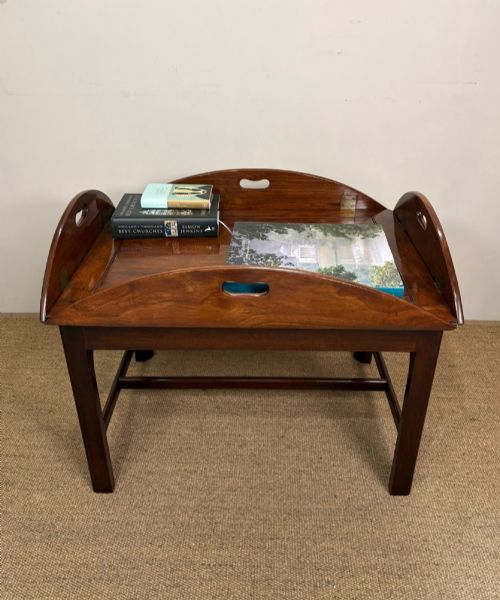
These dark wood serving tray examples bring centuries of functional utility and rich grain into the modern interior.
Dark Wood Serving Tray
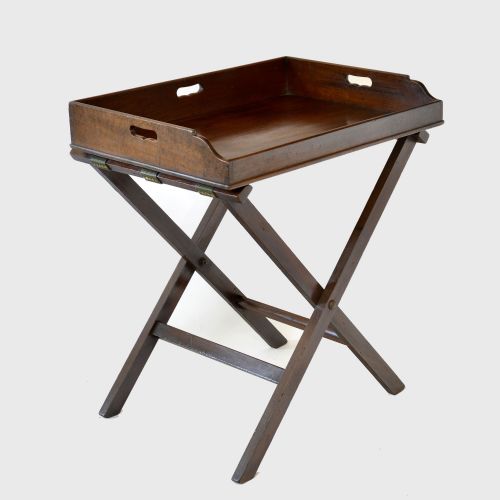
A dark wood serving tray encompasses formal butler trays on folding stands, tea platters, and rotating lazy susans originating from the eighteenth century through to the early twentieth century. Buyers seeking this search phrase encounter substantial pieces built for domestic service, hospitality, and display across Georgian, Victorian, and Edwardian periods.
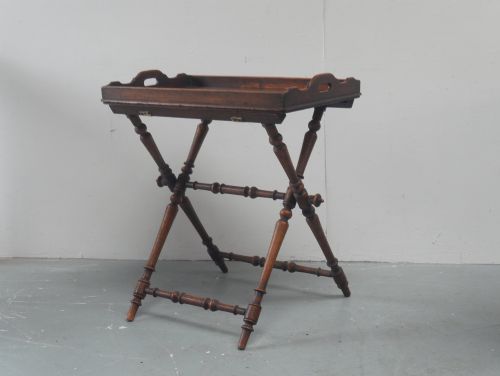
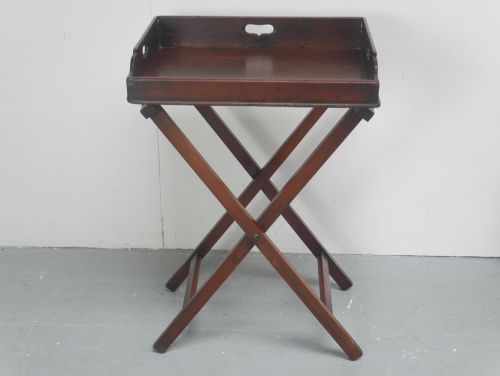
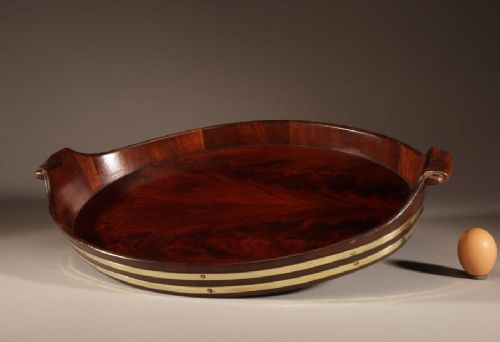
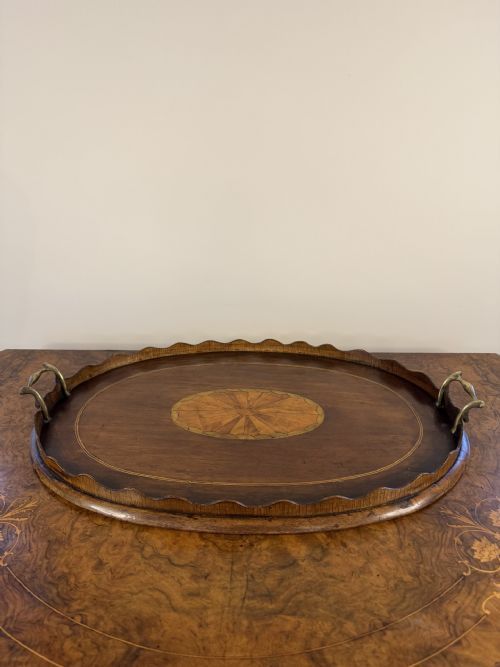
The selections span traditional English country workshops and colonial trade routes, producing items in forms ranging from oval galleried platters to multi-tiered dumb waiters. Mahogany and oak dominate the offerings, frequently accompanied by dedicated folding stands that convert portable trays into side tables.
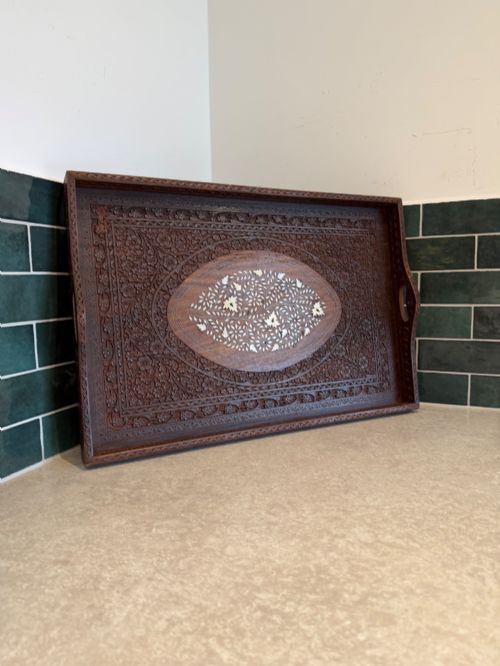
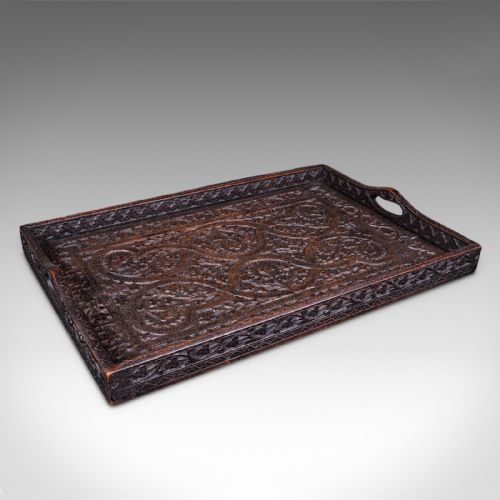
Origins stretch from domestic English cabinet makers to Anglo-Indian workshops and Kashmiri carvers, introducing regional timber varieties like teak and walnut alongside traditional European hardwoods. Pieces function equally well in contemporary settings as coffee tables, drinks stands, and functional serving accessories.
Distinctions in Quality and Craftsmanship
Quality rests in the selection of timber figures, the crispness of hand-carved galleries, and the structural integrity of folding stands or Coopered joints. Superior examples exhibit tightly fitted brass hardware and undisturbed patination developed through generations of handling.
Lesser pieces show replacement elements, mismatched stands, or lack the refined proportions and tactile weight found in documented Georgian and Victorian productions. The integration of original stands with corresponding trays elevates the integrity of the piece significantly.
The Dark Wood Serving Tray Glossary
- Butler tray
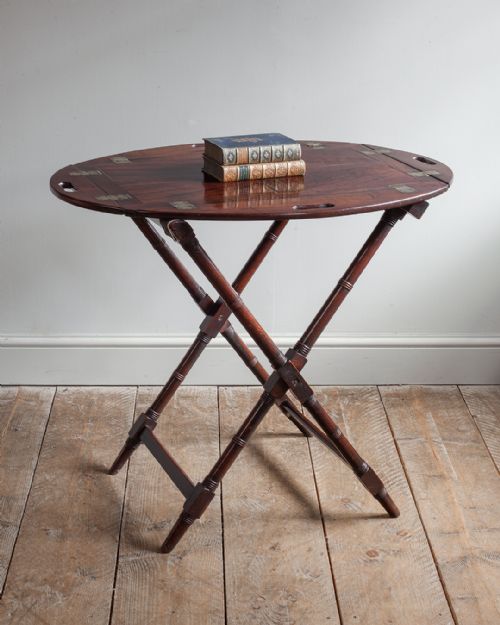
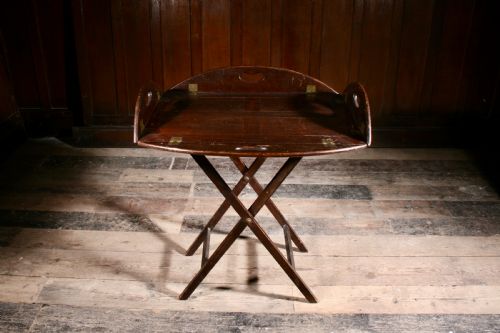
- A portable rectangular or oval serving tray, frequently featuring hinged sides that fold down to form a flat surface, often paired with a folding X-frame stand.
- Galleried
- A tray finished with a raised rim or pierced border designed to prevent items from sliding off during transport.
- Coopered
- Constructed using vertical wooden staves fitted tightly together with curved sides, similar to barrel-making techniques.
- Dumb waiter
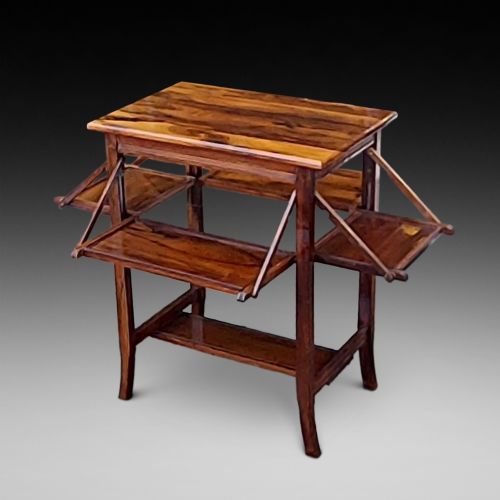
- A multi-tiered serving stand or revolving table utilised in dining rooms to hold dishes without requiring additional servants.
- Lazy susan
- A revolving tray placed on a table or stand to allow easy sharing of food and condiments across guests.
Dark Wood Serving Tray: Frequently Asked Questions
How were butler trays originally used?
Servants used butler trays to transport food and tea from kitchens to reception rooms, resting the removable tray upon a collapsible wooden stand once inside.
In contemporary interiors, these sturdy folding assemblies serve as portable coffee tables or cocktail stations that adapt easily to changing room layouts.
What is a dumb waiter?
A dumb waiter is a tiered wooden stand designed to hold plates, glassware, and serving dishes during formal meals without constant staff attendance.
These freestanding revolving pieces combine utility with sculptural presence, offering multiple levels of display surface in a compact footprint.
How do I distinguish Georgian trays from later copies?
Georgian and early nineteenth-century pieces display dense, heavy mahogany timbers, hand-cut dovetails, and genuine patination accumulated over centuries of service.
Later Victorian and Edwardian iterations often introduce decorative inlay, lighter secondary woods, or machine-assisted joinery that reflects changing industrial tastes.
Can these trays be used as coffee tables?
Many trays resting on dedicated stands sit at an ideal height to function as low cocktail or coffee tables in modern living spaces.
The original folding mechanism allows the entire assembly to be repositioned or stored flat when floor space is required.