


Dark Wood Oriental Altar Table
A dark wood oriental altar table brings centuries of ritual craftsmanship into a modern interior as a commanding architectural console.
Dark Wood Oriental Altar Table
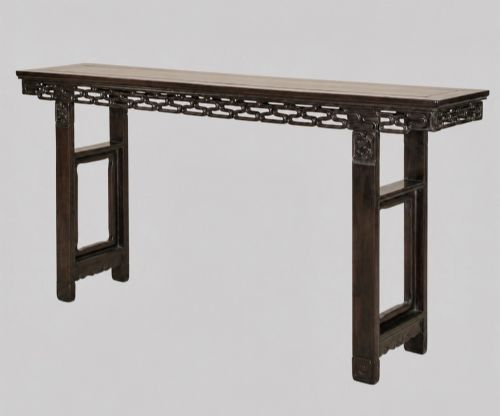
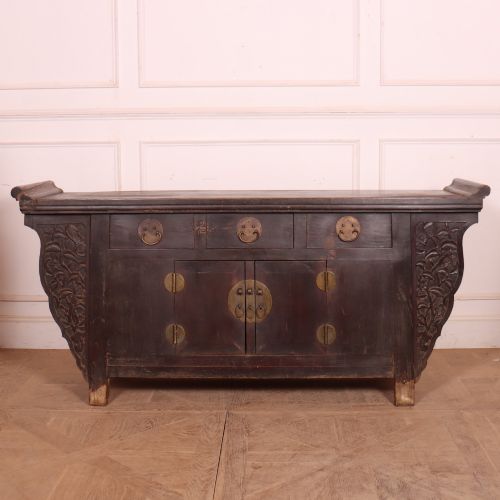
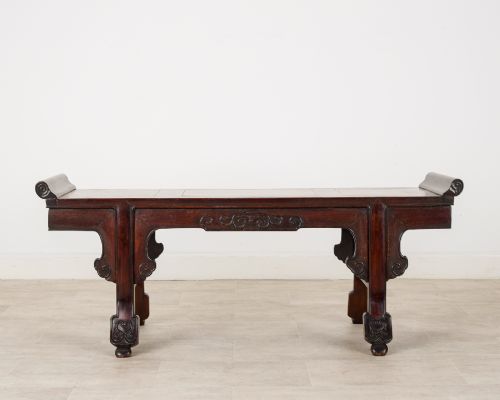
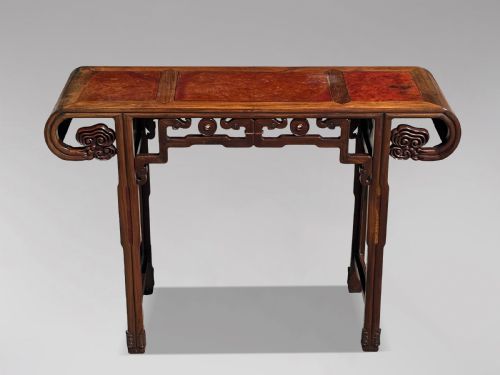
When you search for a dark wood oriental altar table, you encounter substantial ritual furniture originating from Chinese workshops, primarily dating across the eighteenth and nineteenth centuries. These pieces were originally designed for ceremonial use in homes or temples, featuring elongated proportions and distinct upturned ends.
The version you are most likely to meet on this page is a nineteenth-century hardwood or elm example, often categorized under Qing Dynasty styles or Chinese provincial regional designs. They function brilliantly today as hallway consoles, narrow sideboards, or dramatic display surfaces.
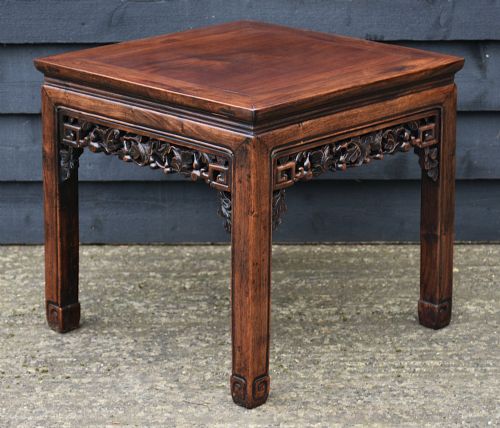
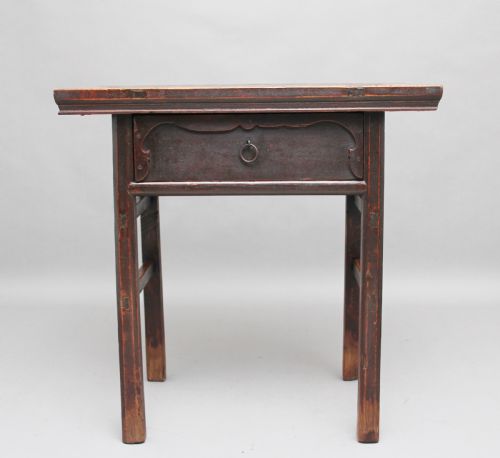
Beyond the standard altar table format, the selection includes related low tables, corner leg tables, and plank-top trestle forms executed in dense timbers. Their architectural presence stems from traditional joinery and balanced proportions rather than applied ornamentation.
How they were made
Makers constructed these tables using dense hardwoods such as hongmu, rosewood, and elm, selected for their structural stability and rich grain patterns. Timber selection dictated whether a piece received a smooth polished finish or structural carved detailing.
Traditional joinery methods allowed frames to fit together securely without metal nails, accommodating the natural expansion and contraction of solid wood planks. Brass elements occasionally appeared on associated hardware or decorative mountings to accent the dark timber surfaces.
Listings feature pieces spanning the eighteenth century through to the early twentieth century, constructed from hardwoods, elm, and brass.
What varies in quality
Quality rests significantly in the density and choice of timber, distinguishing heavy hongmu and rosewood examples from more utilitarian elm pieces. Finer tables exhibit superior weight, tighter grain structure, and deeper natural colour tones.
The precision of the joinery and the restraint of the carving separate superior regional workshops from basic production. Well-executed tables maintain crisp lines in their flanged ends and aprons, showing deliberate proportion rather than heavy-handed decoration.
The Dark Wood Oriental Altar Table Glossary
- Hongmu
- A dense, heavy tropical hardwood prized in Chinese furniture-making for its deep red-brown colour and fine polish. It provides exceptional structural strength.
- Elm
- A resilient native timber utilised extensively in regional Chinese provincial tables and cabinets. It displays a distinctive interlocking grain pattern.
- Qing Dynasty
- The imperial dynasty spanning from the seventeenth to the early twentieth century. It produced the majority of the carved hardwood altar tables seen today.
- Trestle table
- A table construction featuring a horizontal plank top supported by upright side frames or legs. This form offers stable support without corner obstructing legs.
Dark Wood Oriental Altar Table: Frequently Asked Questions
How do I style an altar table?
Place the table against a clear wall in a hallway or living room to let its linear silhouette stand out. Keep the surface styling minimal to highlight the proportions and wood grain.
Avoid overcrowding the top with small objects so the architectural upturned ends remain visible. A single large ceramic vessel or lamp works well as a focal point.
Are these tables solid wood?
Traditional Chinese tables were built entirely from solid timbers like elm, rosewood, or hongmu without modern manufactured board veneers. Joinery relied on interlocking wood joints to hold frames securely together.
This solid construction gives older tables substantial weight and durability. Seasonal humidity changes can cause natural movement in the heavy planks over time.
What is a flange on a table?
The flange refers to the upturned ends commonly found on the top surface of traditional ritual tables. This architectural feature originally prevented ritual objects from sliding off.
On domestic tables, the flanged ends frame the silhouette and create a distinct horizontal boundary. They define the visual character that separates altar forms from standard console tables.
How do I date an antique table?
Dating relies on assessing the timber species, the wear patterns on the feet, and the complexity of the regional carving style. Pieces from the eighteenth century often show greater simplicity and deeper patination than late nineteenth-century versions.
Examine the underside and joints for hand-cut marks and construction methods consistent with Qing Dynasty workshops. Comparing the proportions to documented regional typologies helps narrow down the period.