
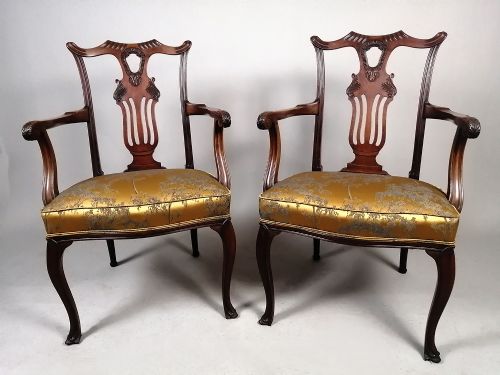
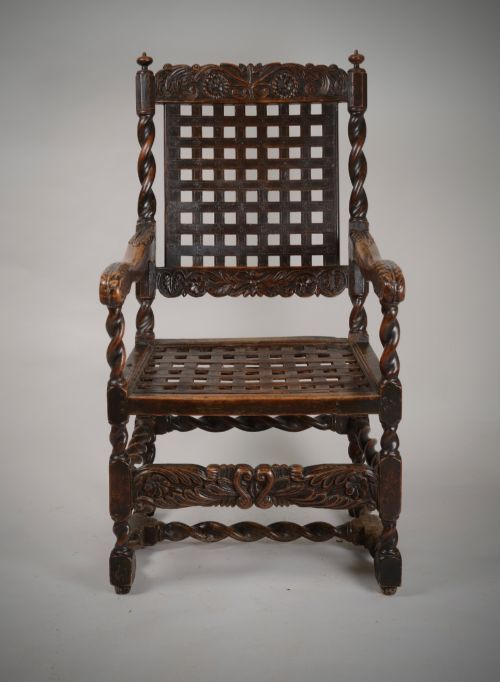
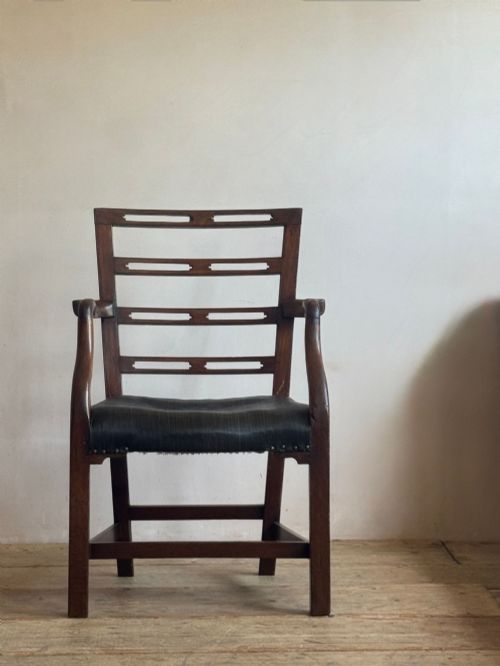
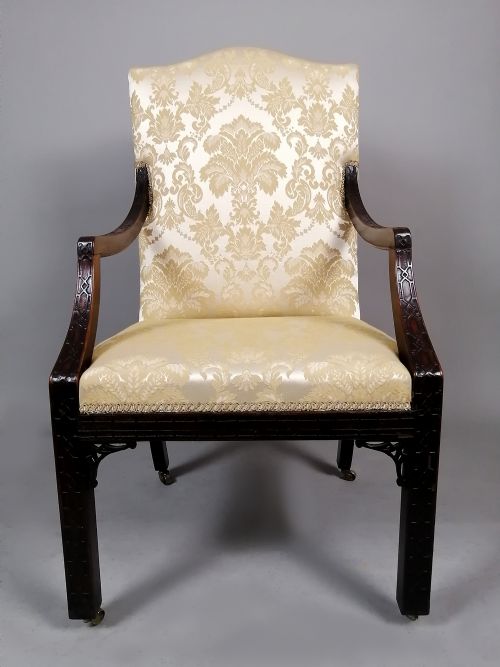
Dark Wood Open Chair
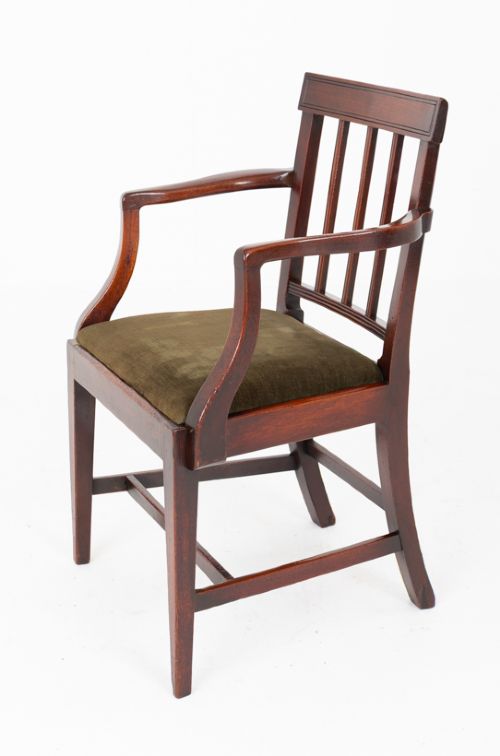
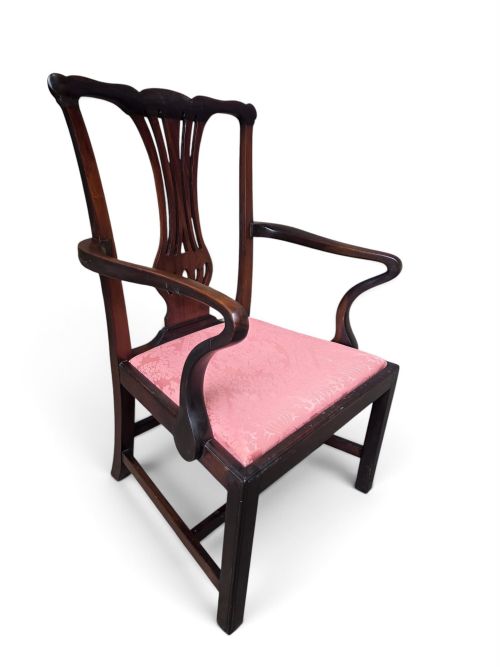
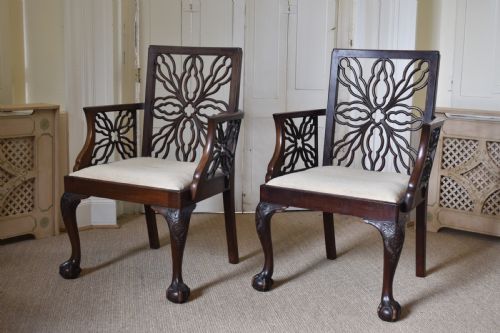
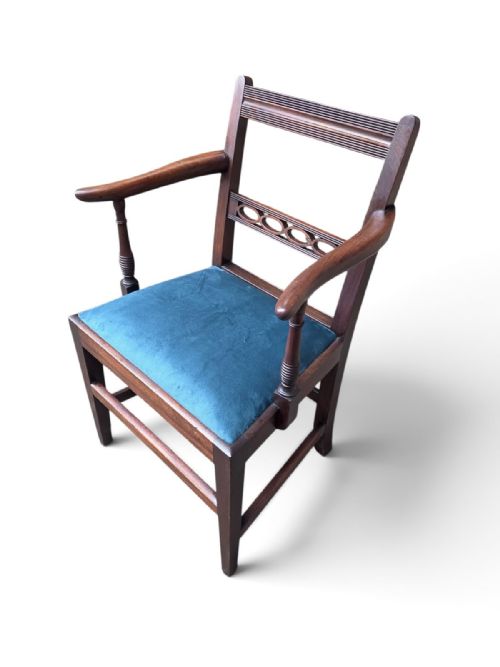
A dark wood open chair brings substantial presence and traditional craft into a room, offering both practical seating and architectural weight.
Materials and construction methods
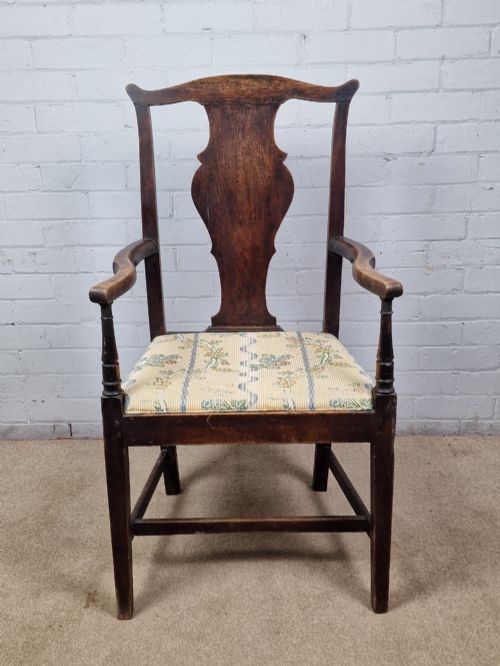
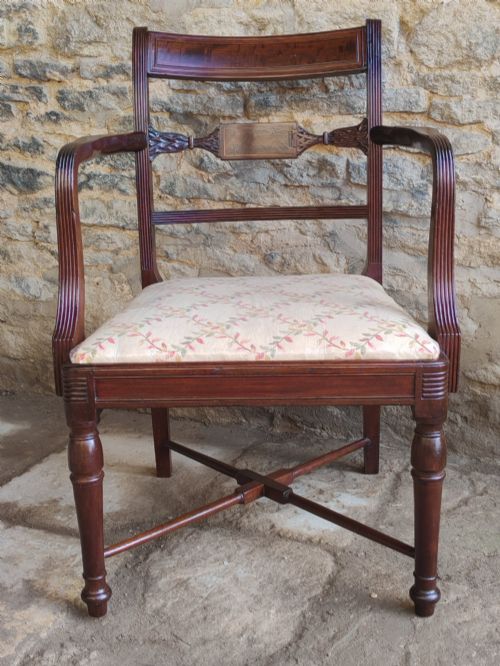
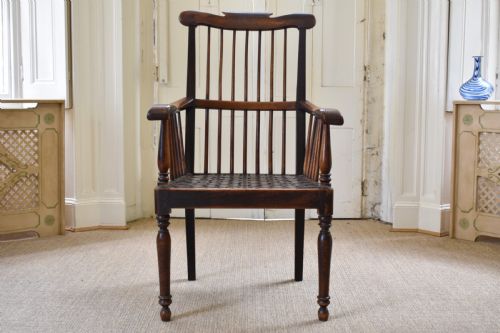
Construction relies heavily on dense hardwoods such as mahogany, oak and walnut, chosen for their structural strength and capacity to hold detailed carving. Joinery techniques involve traditional mortise and tenon joints, augmented by turned spindles, bobbin turnings and curved woodwork.
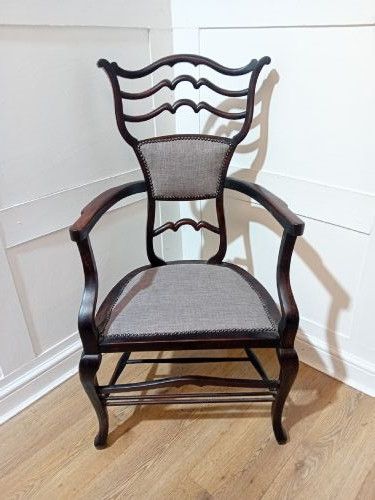
Upholstery elements integrate fabrics, velvet, brass details and needlepoint tapestry panels into specific models, while others rely entirely on exposed timber frames and rush seating. Carving, piercing and inlay define the decorative vocabulary across different periods and regional workshops.
Assessing quality in construction and design
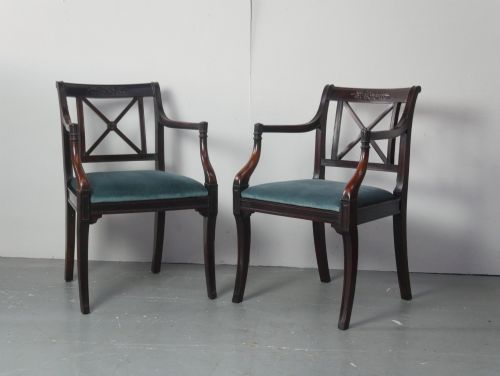
Quality separates pieces through the crispness of hand-carved details, the selection of figured timber veneers and the structural integrity of the frame joints. Superior examples exhibit balanced proportions and harmonious integration of stylistic motifs, such as lyre backs or pierced splats.
The integrity of the original timber framework and the retention of period components dictate the standing of an individual chair. Subtle refinements in turning, joinery precision and surface finish distinguish exceptional workshop production from standard commercial output.
Listings feature timbers including mahogany, oak, walnut, laburnum, elm, teak and padouk across multiple centuries.
Mellier and Co
The Dark Wood Open Chair Glossary
- Carver chair
- An armchair, typically designed for the head of a dining table or as a companion to smaller side chairs. These pieces feature open arms and substantial wooden frames.
- Wainscot armchair
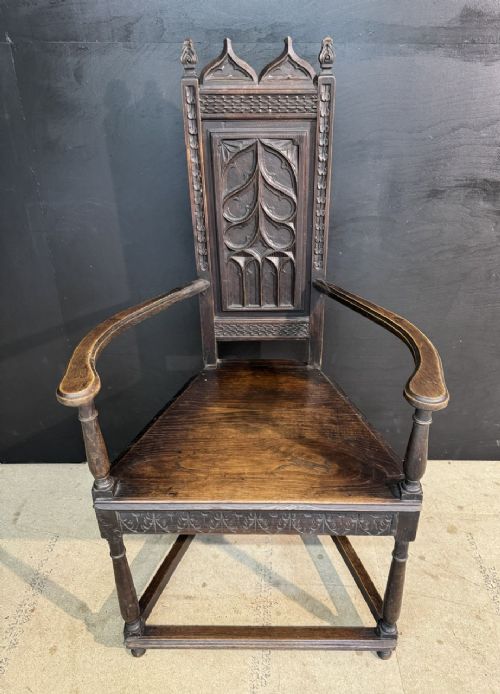
- An early wooden armchair constructed primarily from oak, featuring panelled backs and solid armrests. This heavy form originates in sixteenth and seventeenth-century domestic interiors.
- Splat
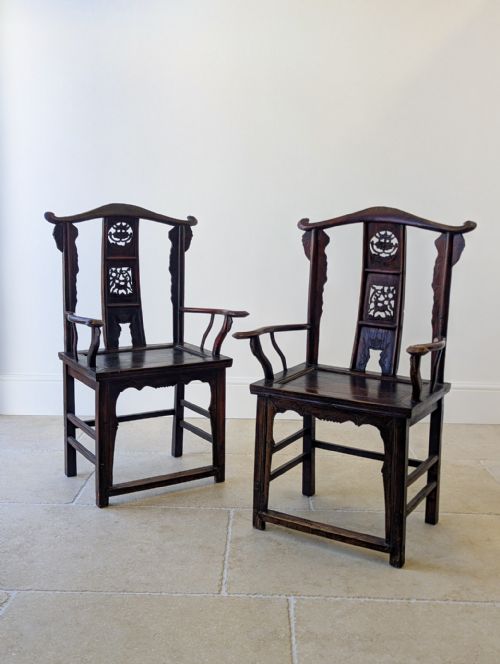
- The vertical central strip of wood in the back of a chair, often shaped, pierced or carved. Chippendale designs frequently utilise intricately carved splats.
- Lyre back
- A chair back featuring a central wooden splat shaped in the precise outline of a classical lyre. This motif appears frequently in Regency and nineteenth-century seating.
- Padouk
- A dense tropical hardwood displaying a reddish-brown colour, utilised in Anglo-Indian and colonial furniture manufacture. It provides exceptional stability and fine carving capabilities.
Dark Wood Open Chair: Frequently Asked Questions
What is a dark wood open chair?
A dark wood open chair is a seating item featuring an exposed timber frame made from materials like mahogany, oak or walnut, combined with open arms. These pieces encompass historical styles from seventeenth-century wainscot designs to twentieth-century revival pieces.
Such chairs function as standalone armchairs, desk seats or dining carvers. Their open construction showcases the underlying woodwork and joinery traditions of various periods.
How do I identify a Georgian chair?
Georgian chairs typically feature robust mahogany construction, sophisticated carved details on the splats and knees, and classically inspired proportions. Styles within this bracket often incorporate Chippendale or Hepplewhite influences.
Examining the construction methods and timber patination helps confirm the eighteenth-century origins. These pieces often serve as focal points in traditional library and dining settings.
How were these antique chairs used?
These chairs served multiple domestic functions, including seating at dining tables, desks and reading areas. Armchairs provided status and comfort for the head of the household or guests in formal rooms.
Working models were constructed to withstand daily use while reflecting the social standing of the owner. Their robust timber frames ensured longevity across generations of use.
How do I care for dark wood furniture?
Caring for dark wood involves maintaining stable indoor humidity levels and keeping pieces away from direct heat sources and sunlight. Gentle dusting with a dry cloth preserves the finish without harming the historic surface.
Avoiding harsh chemical polishes protects the natural patination built up over centuries. Periodic application of appropriate wax maintains the lustre of mahogany, oak and walnut frames.