
Dark Wood Hallway Mirror
A dark wood hallway mirror anchors an entrance with rich grain and practical utility, offering a traditional greeting for visitors.
Dark Wood Hallway Mirror
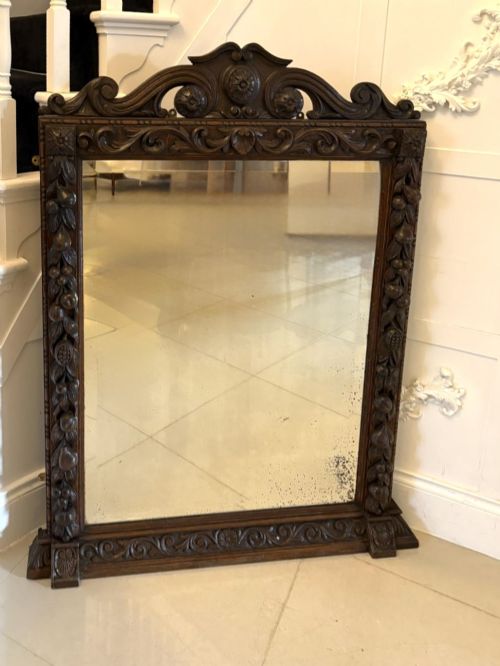
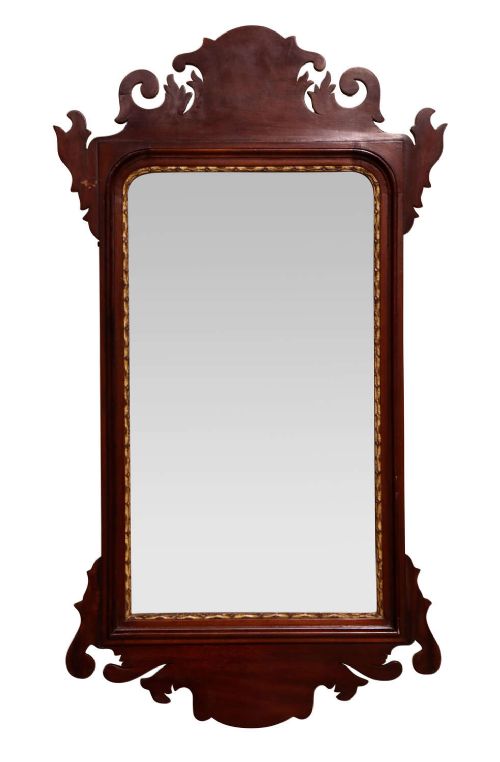
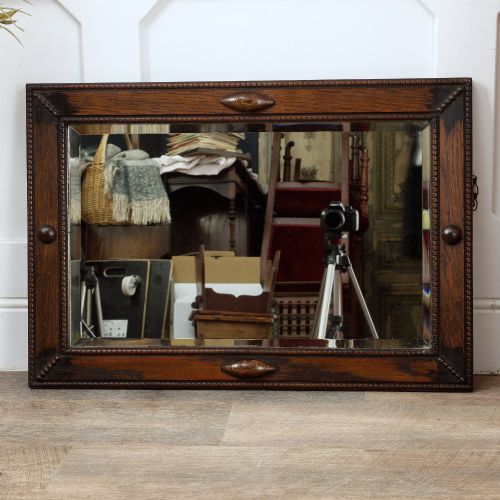
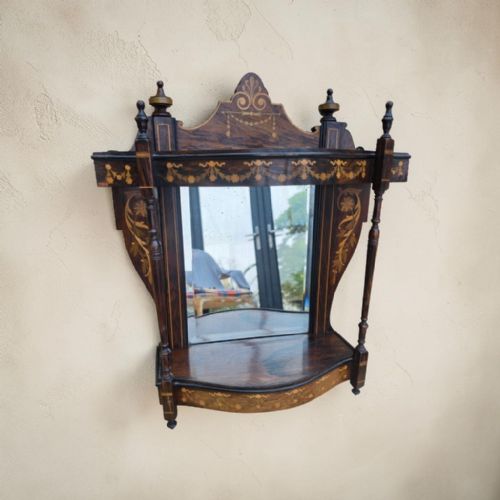
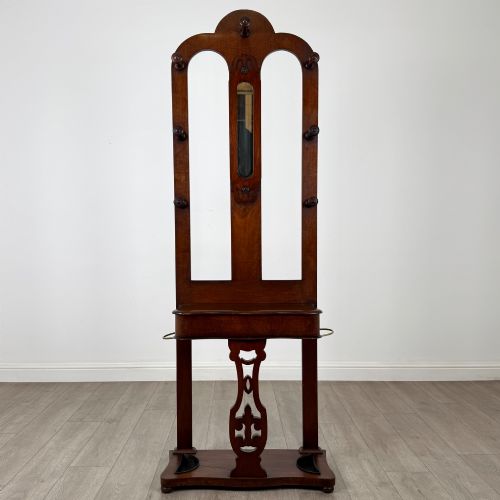
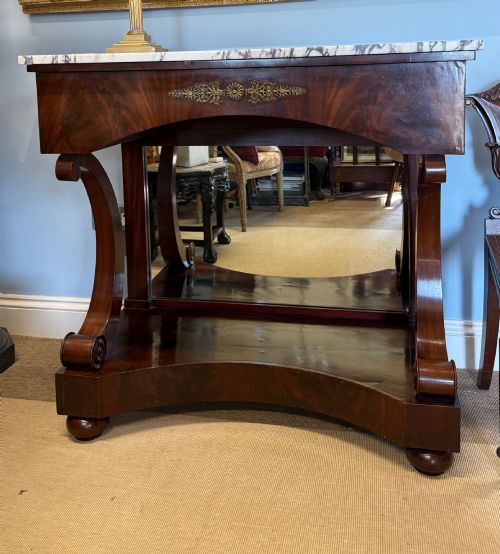
A dark wood hallway mirror combines a reflective glass plate with a timber frame designed for an entrance space, drawing from 19th Century, Victorian, Georgian, Edwardian, and 1920s periods. The selection on this page ranges from simple wall-hanging frames to elaborate hall stands, console tables with mirror backs, and pieces fitted with coat hooks, shelves, or valet compartments.
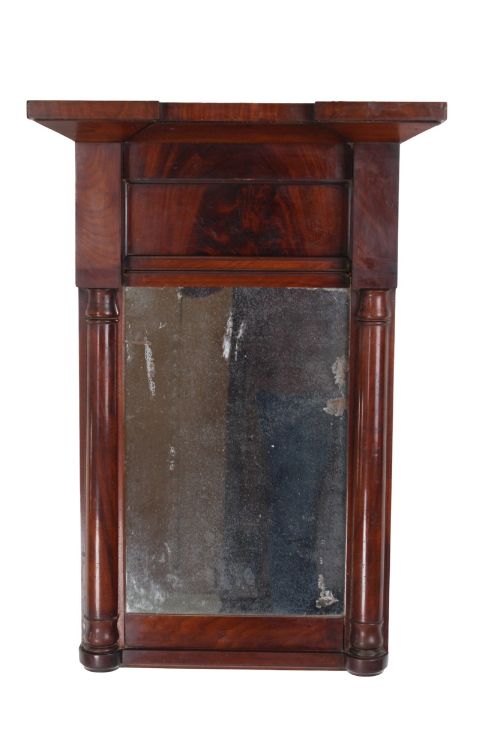
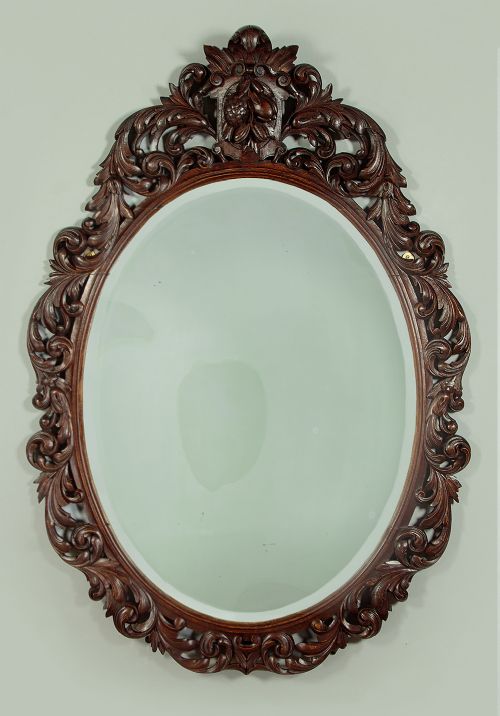
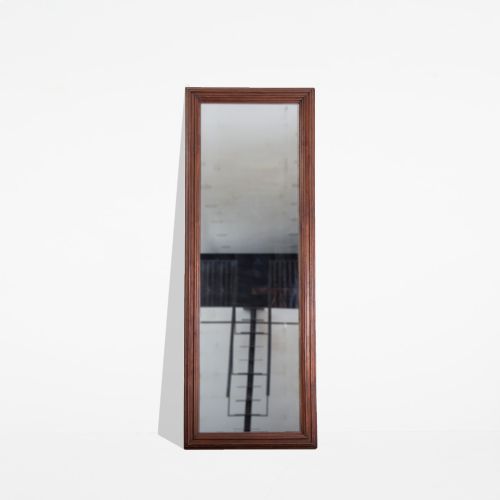
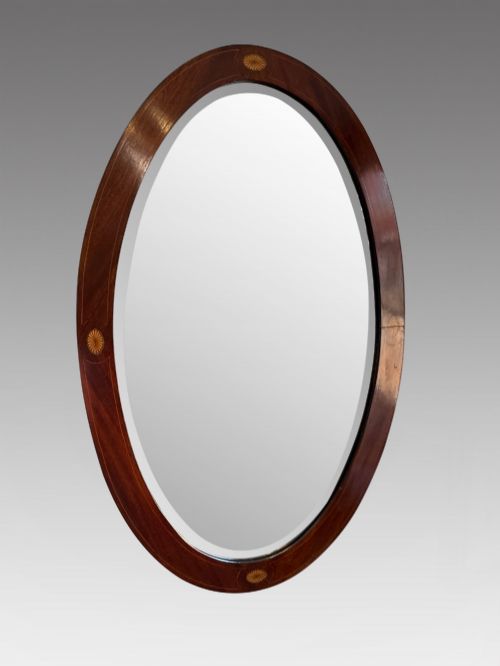
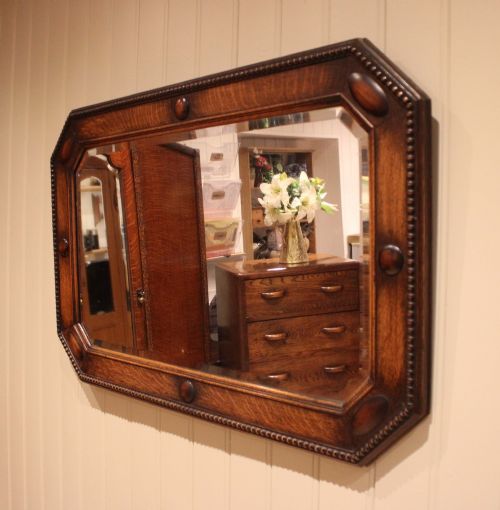
Mahogany and oak dominate the timber choices, frequently seen alongside walnut and rosewood in styles spanning Victorian, Regency, Edwardian, and Art Deco. Buyers will encounter rectangular wall mirrors, oval cushion frames, and large overmantle designs intended to suit narrow corridors and reception halls alike.
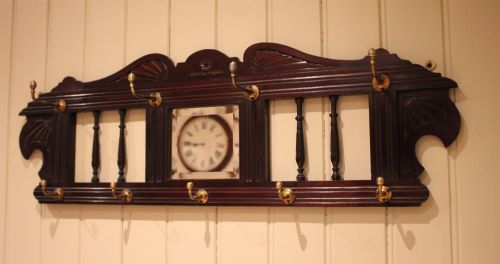
Many examples integrate functional elements such as brass hooks, marble shelves, or umbrella stands, reflecting their original purpose in period domestic interiors. These hybrid forms serve both practical storage needs and decorative functions within domestic entryways.
How they were made
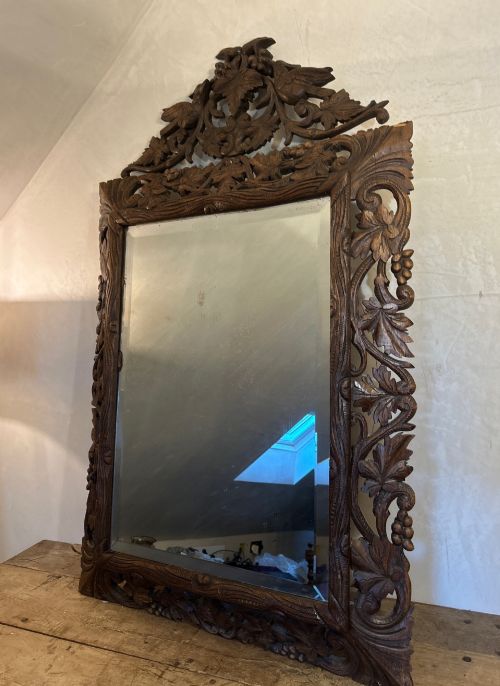
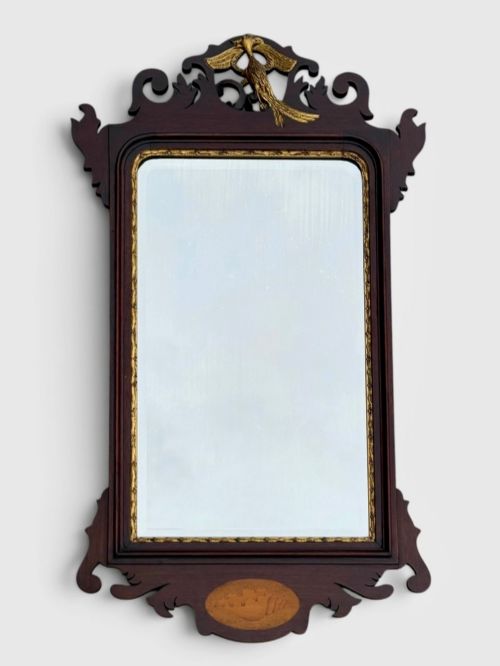
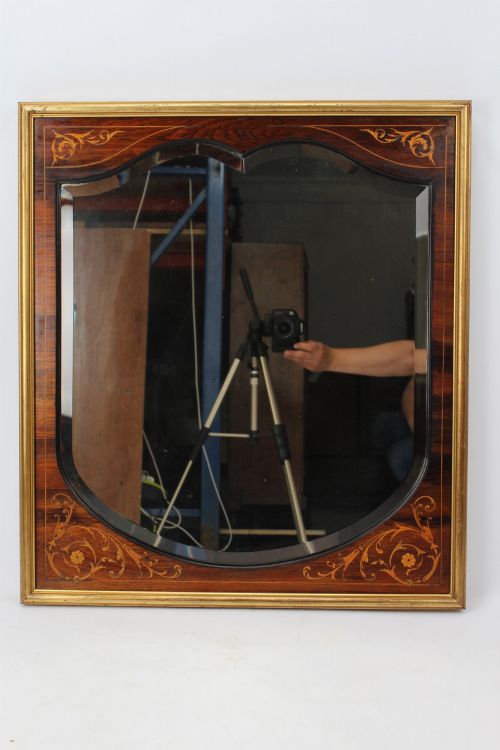
Frames are constructed from dense hardwoods like mahogany, oak, walnut, and rosewood, often shaped through carving, fretwork, or veneer application over secondary timbers. Joinery methods typical of the 19th and early 20th centuries ensure structural rigidity, while parcel gilding or inlay work adds decorative contrast to the dark timber surfaces.
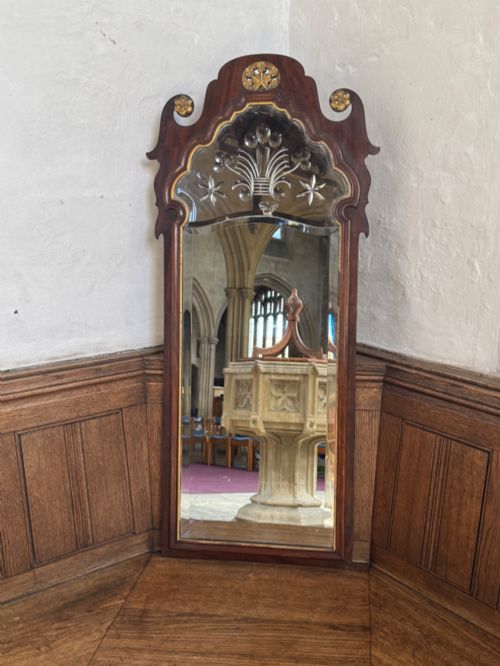
Glass plates are set within the timber frames, sometimes featuring bevelled edges, reverse cut details, or armorial crests carved directly into the surrounding wood. Metal components such as brass coat hooks or mounting brackets are securely integrated to support hanging garments and accessories.
Listings span the 19th Century, Victorian, Georgian, Edwardian, and 1920s eras, uniting functional hall stands with decorative wall mirrors.
What varies in quality
Quality rests in the depth of the timber carving, the crispness of fretwork details like Ho Ho birds or armorial crests, and the integration of auxiliary functions such as marble shelves and brass hooks. Superior examples demonstrate careful selection of figured wood grain and robust structural joinery that withstands daily use in an entryway.
The preservation of the original mirror glass plate and the subtlety of applied decorative elements, such as parcel gilding or inlay, distinguish standard production pieces from finer workshop outputs. Well-proportioned frames with balanced ornamentation command attention through refined craftsmanship rather than sheer scale.
The Dark Wood Hallway Mirror Glossary
- Pier mirror
- A tall, narrow mirror designed to hang on the wall between two windows, often placed above a matching console table or pier cabinet.
- Overmantle mirror
- A wide mirror intended to be hung above a fireplace mantelpiece, though frequently adapted for use in grand hallways.
- Fretwork
- Thin wood or timber panels cut into decorative openwork patterns, commonly found on Chippendale style frames from the Victorian era.
- Console table
- A table fixed to a wall or supported by front legs, frequently paired with a mirror back in entrance halls.
- Bevelled plate
- A glass mirror plate whose outer edges are angled and polished to create a framed optical border.
- Valet
- A compartment or integrated fixture designed to hold small personal items such as keys, coins, or calling cards in a reception hall.
Dark Wood Hallway Mirror: Frequently Asked Questions
How do I style a dark wood hallway mirror?
Position the mirror at eye level above a narrow console table or hall stand to balance the dark timber tones with natural light from doorways. Pairing the wood frame with polished brass hooks or a marble shelf enhances both the historical character and the daily utility of the entrance space.
Keep surrounding wall colours light to let the rich grain of mahogany, oak, or walnut stand out without overwhelming a compact corridor. Adding complementary brass or bronze accessories ties the metalwork of the hooks and frame together.
Were these mirrors originally used just in hallways?
While many examples on this page are designated as hall mirrors or incorporate coat racks and umbrella stands for entryways, similar frames served multiple domestic functions. Pier mirrors and overmantle designs were frequently placed in reception rooms, bedrooms, or parlours depending on the layout of the house.
Pieces featuring built-in shelves, valet compartments, or marble tops were specifically tailored for reception halls where visitors were received and outdoor garments were deposited. The presence of brass hooks and umbrella wells points directly to this transitional hallway role.
How can I tell the difference between Victorian and Edwardian pieces?
Victorian dark wood mirrors often feature heavier, deeply carved ornamentation, dense mahogany or walnut timbers, and elaborate motifs such as armorial crests or French Renaissance Revival styling. The craftsmanship tends toward robust, dark-toned grandeur with substantial framing and complex fretwork.
Edwardian pieces generally exhibit lighter oak construction, simpler lines, and restrained inlaid details that reflect a shift toward airier domestic interiors. While both eras utilised dark timber, Edwardian designs frequently prioritise functional integration like cloakroom hooks and smaller shelf spaces.
What is a pier mirror and how is it used?
A pier mirror is a tall, vertical glass plate in a fitted frame designed specifically for the wall space between two windows. In period homes, this placement maximised the reflection of natural light into deeper hallways and reception rooms.
These mirrors were often paired directly with console tables or pier cabinets placed underneath them to create a unified architectural furnishing. Their slender proportions make them well suited for narrow wall spaces where a wide horizontal mirror would overwhelm the room.