

Dark Wood Frame
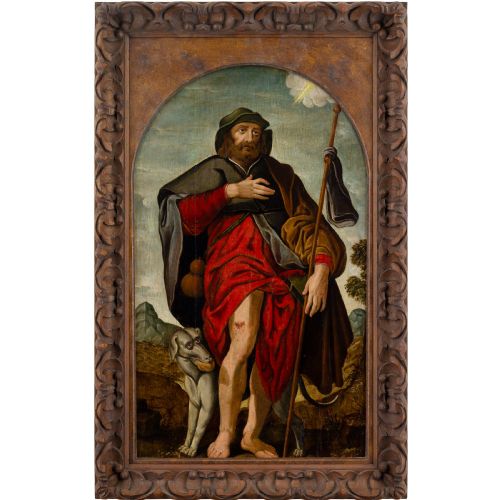
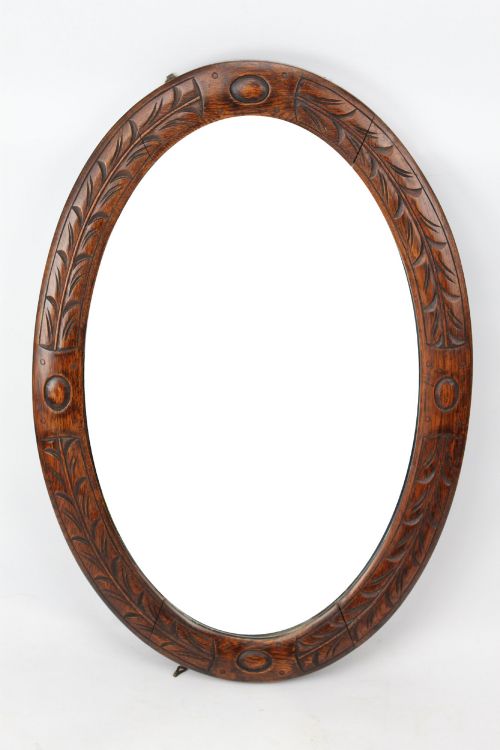
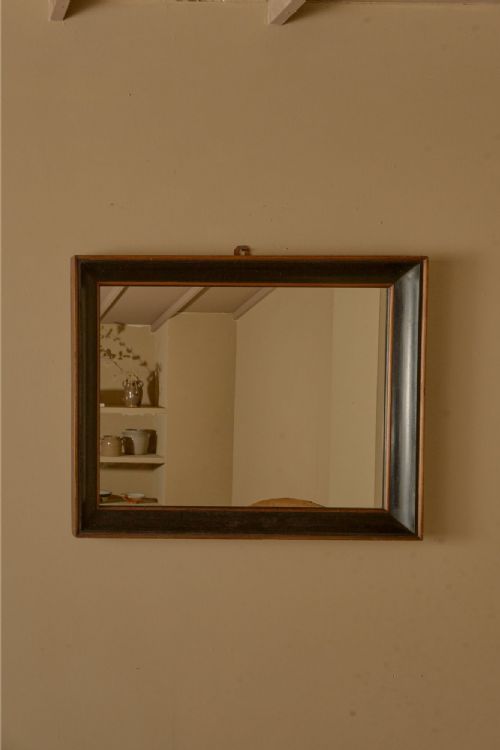
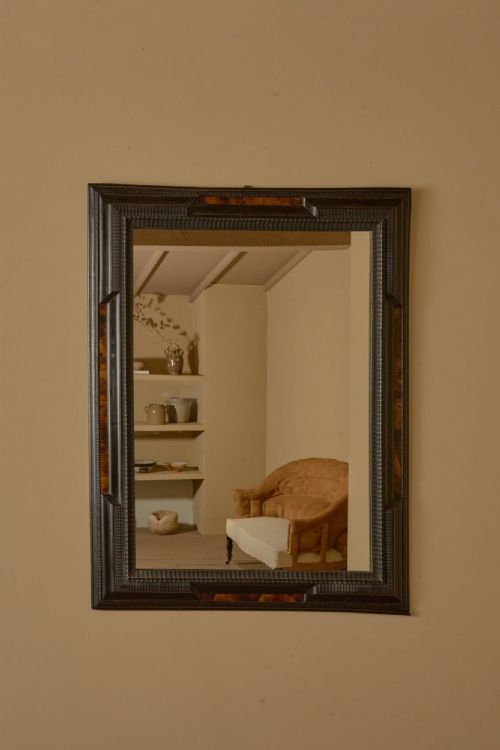
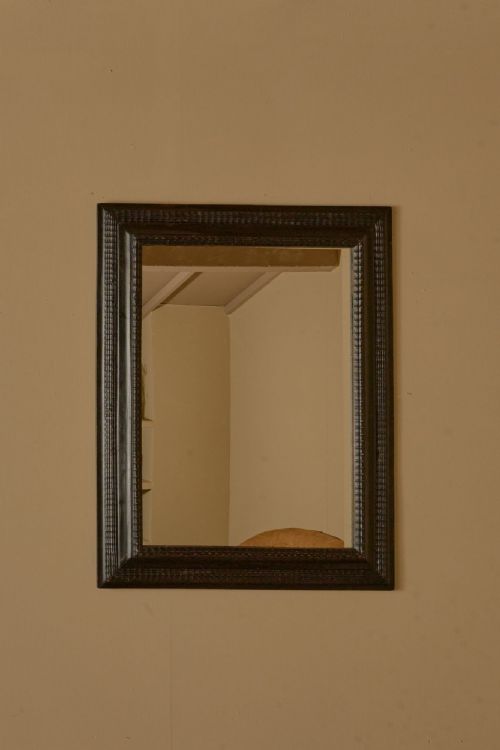
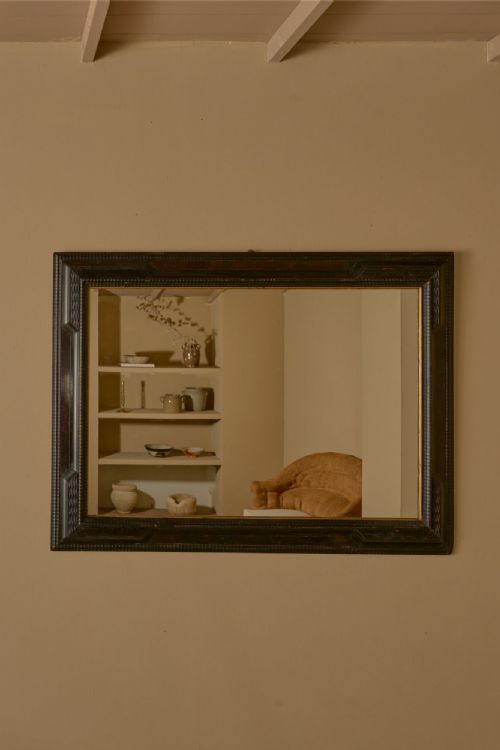
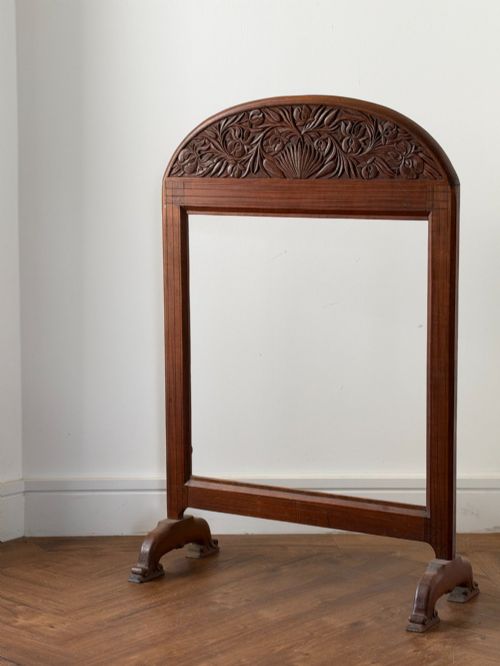
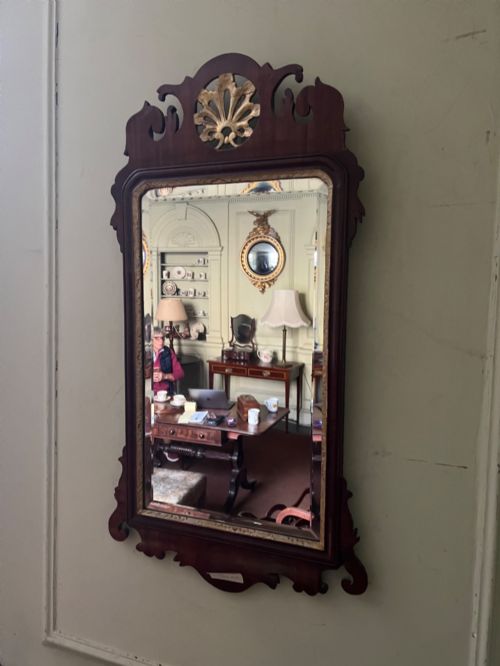
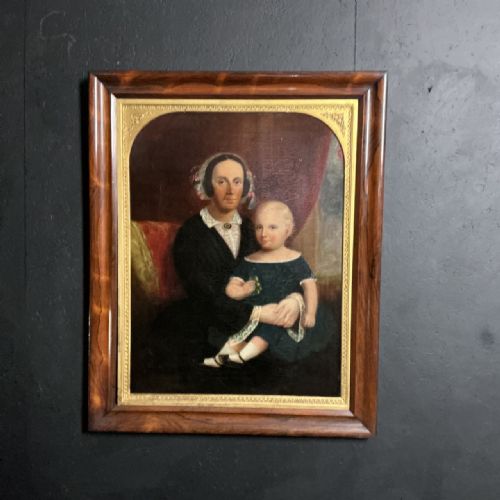
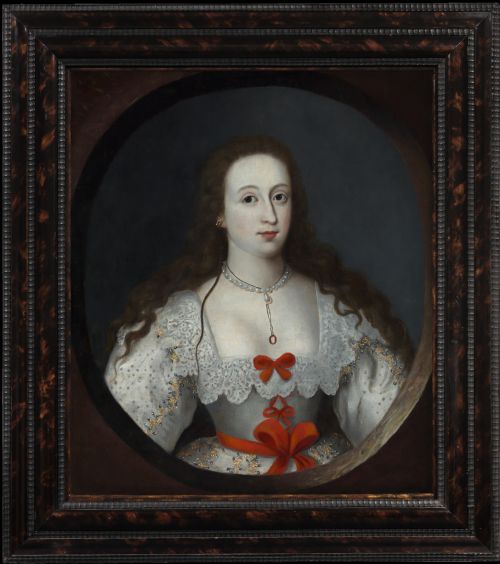
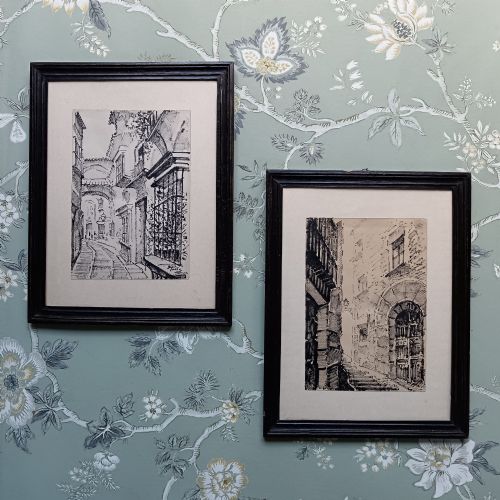
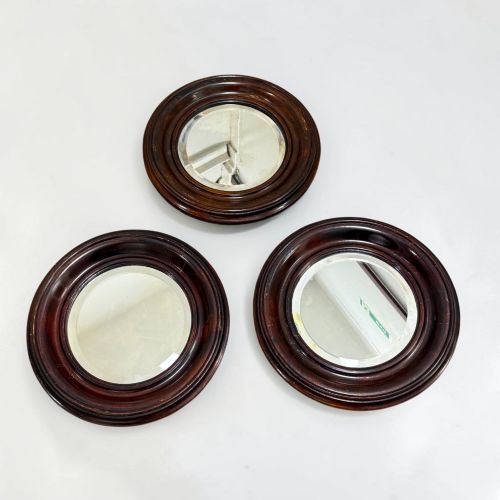
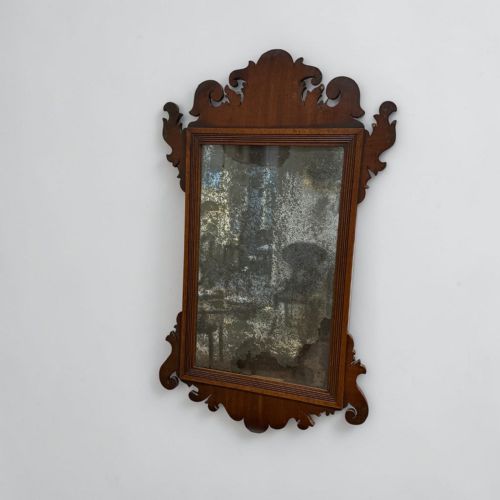
A dark wood frame encloses mirrors, portraits and paintings with substance, bringing depth and grain to the wall.
Dark Wood Frame
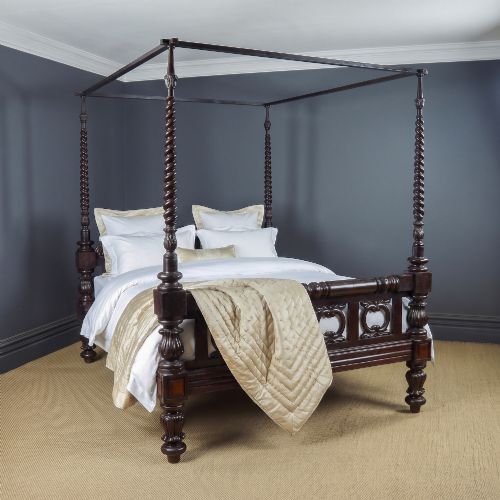
A dark wood frame houses oil paintings, mirrors and prints across periods ranging from the seventeenth century through to the twentieth. These pieces draw the eye through rich tones of mahogany, walnut, oak and rosewood.
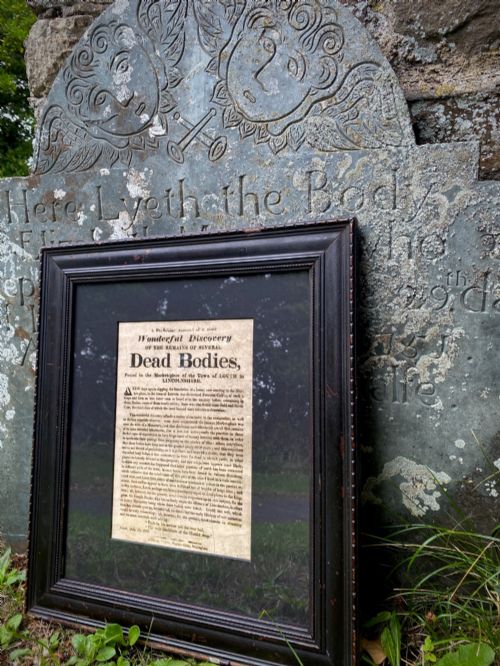
The selection here includes wall mirrors, coaching tables, portrait oils and reverse glass mezzotints. Wall mirrors and framed oil paintings dominate the pieces found on this page.
Origins span English, Dutch, Italian, Anglo-Indian and French workshops, showing diverse regional interpretations of styles like Victorian, Georgian, Edwardian and Regency.
Materials and Construction
Carpenters and joiners utilised dense hardwoods including mahogany, walnut and oak, often shaping them with hand tools. Timber selection dictated the weight and grain pattern visible across the finished surface.
Carving, fretwork and marquetry decoration required steady hands and sharp chisels, producing intricate borders and scrolls. Gilding, brass elements and mother-of-pearl inlay sometimes complemented the dark timber.
Glass panels incorporated bevelled edges, while canvas and panel supports carried oil paint, pastel or engraving work.
Dark Wood Frame Retail Price Guide 2026
Typical asking prices for dark wood frame among the pieces listed under this phrase on Sellingantiques today, from the lower quarter to the upper quarter. They describe what is for sale here now, not the wider market.
Racing pigeons make an unexpected appearance recorded in oil paint on an antique panel.
Judging Quality and Execution
Superior examples show crispness in carved details like fretwork birds or floral scrolls, where lesser pieces rely on softer, blurred moulding. The depth and warmth of the polished grain reveal the care taken during finishing.
Construction methods signal standard, from tightly joined mitres and solid timber backs to simpler assembly techniques. Original glass and untouched surfaces elevate a piece above later replacements.
The harmony between the artwork or mirror plate and its surround dictates visual balance, separating thoughtful compositions from rushed pairings.
The Dark Wood Frame Glossary
- Fretwork
- Thin wood cut into decorative patterns using a fretsaw. This technique creates openwork designs seen on Georgian wall mirrors.
- Marquetry
- Inlaid patterns of wood veneer applied to furniture and frames. Craftsmen fit contrasting timber pieces together to form geometric or floral motifs.
- Mezzotint
- A printmaking process of the intaglio family where tones are worked from dark to light. This method achieves rich gradations of shade.
- Bergere
- A type of enclosed upholstered armchair with a wooden frame. Canework or upholstery fills the sides.
- Ormolu
- Gilded bronze mounted onto furniture and frames. This decorative detail adds metallic contrast against dark timber.
Dark Wood Frame: Frequently Asked Questions
How do I date a dark wood frame?
Dating relies on combining the timber type, construction method and style indicators such as carved motifs or bevelled glass edges. Examining the backboards and fixings provides further clues regarding age.
Comparison with documented examples from periods like the Georgian or Edwardian eras helps narrow down the decade of manufacture.
Are these frames made from solid wood?
Many pieces utilise solid hardwoods like mahogany, walnut and oak, whilst others employ veneers applied over secondary woods. Timber choice depended on the desired grain and structural requirements.
Close inspection of edges and corners reveals whether the grain runs continuously through solid sections or shows veneer seams.
How should I hang a heavy wooden mirror?
Wall mirrors require secure fixings anchored directly into wall studs or heavy-duty masonry plugs. The weight of the timber and glass demands robust picture wire or brackets.
Checking the integrity of the frame joints ensures the structure supports its own weight safely once suspended.
Can I mix different wood tones in one room?
Combining various dark woods like walnut, mahogany and oak adds visual texture to an interior scheme. The shared depth of dark tones allows different timbers to sit comfortably together.
Balancing placement across the space prevents any single piece from dominating the room.