


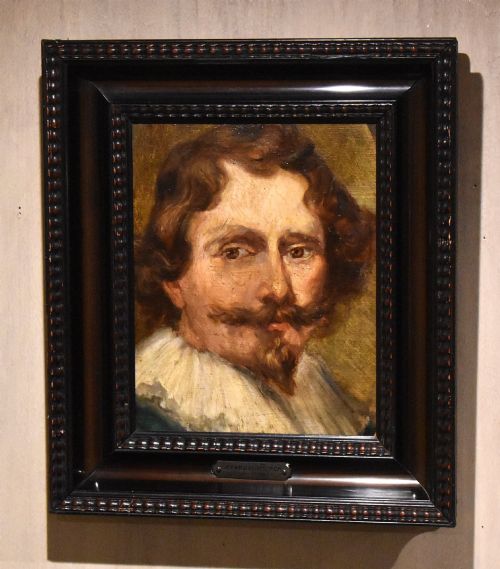

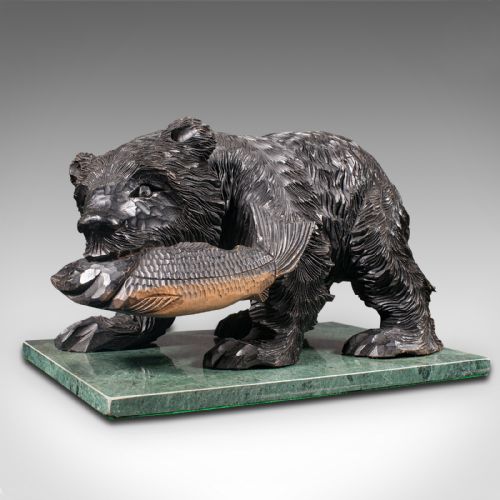



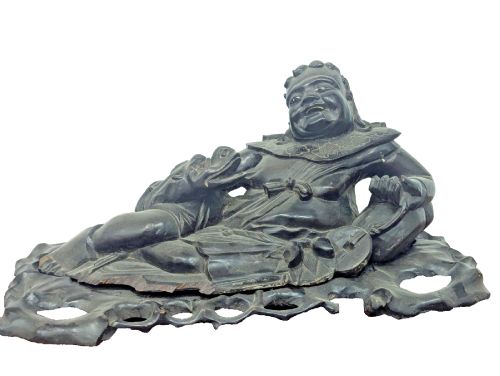
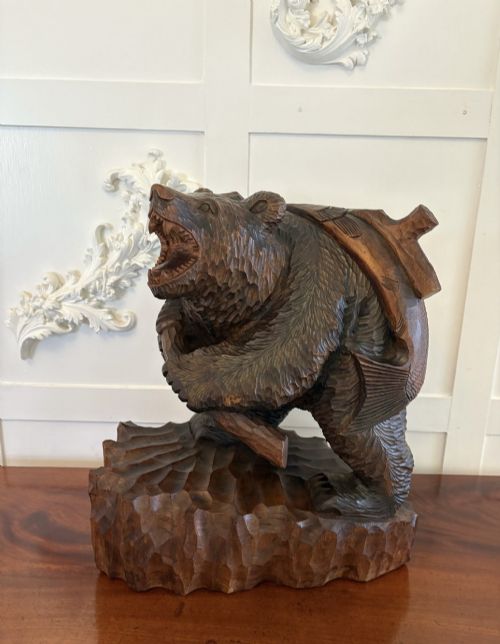
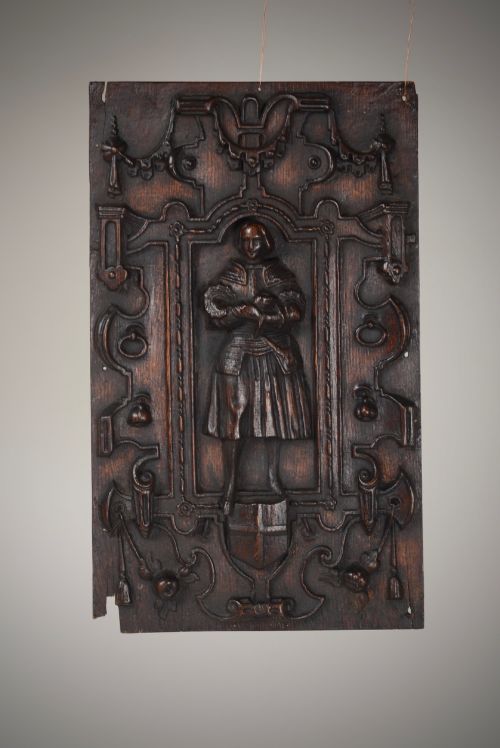

Dark Wood Figure
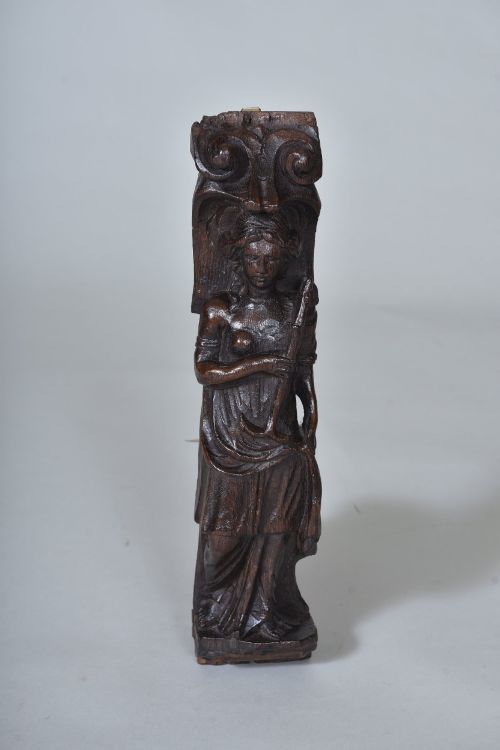
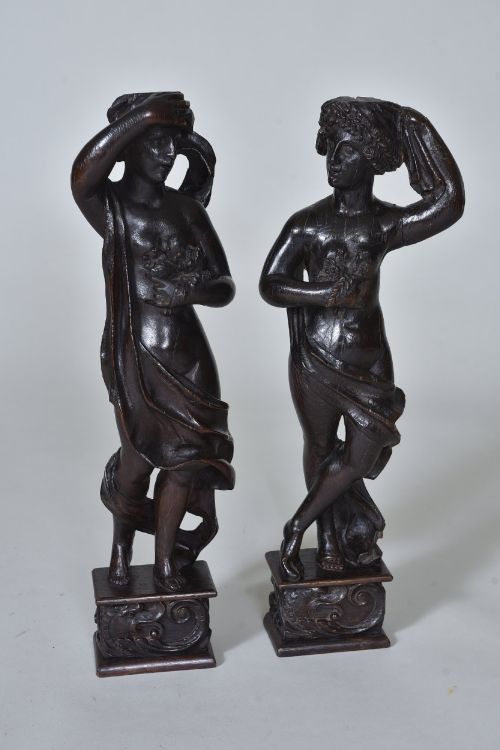
A dark wood figure brings centuries of sculptural craft into a room, holding the marks of hand-carving from European, Asian and African traditions.
Dark Wood Figure
A dark wood figure encompasses carved sculptures, devotional objects and tribal art spanning from the seventeenth century through to the art deco period. These works range from European oak carvings and Black Forest animals to African tribal relics and Asian hardwood deities.
The versions most commonly met on this page include nineteenth-century Black Forest bears and owls, early twentieth-century Chinese hardwood sculptures, and seventeenth-century oak panels or religious carvings. Each piece reflects the specific wood-working traditions and regional styles of its origin.
Collectors encounter diverse forms, from standing guardian figures and fertility carvings to architectural panels and decorative bookends. The unifying thread is the use of dark timber, oak, mahogany, linden and hardwood as a medium for sculptural expression.
How they were made
Carvers utilised dense timbers such as oak, mahogany, linden and general hardwood, selecting materials that allowed for deep, crisp detailing. These woods were shaped using hand chisels and gouges, leaving subtle tool marks across the surfaces of panels and freestanding sculptures.
Listings feature timbers including oak, mahogany, linden and various hardwoods across the seventeenth, eighteenth, nineteenth and early twentieth centuries.
What varies in quality
The fidelity and depth of the carving separate standard workshop pieces from master works, particularly in the rendering of musculature, drapery and facial expression. Sharp undercut details and confident handling of the timber grain show superior sculptural competence.
The integrity of the timber and the preservation of the original surface patina dictate the standing of a dark wood figure. Pieces retaining their early finish without heavy modern intervention display the true character of the material.
The Dark Wood Figure Glossary
- Black Forest
- A nineteenth-century style of wood-carving originating in Switzerland and Germany, known for realistic animals and figures carved from linden wood.
- Hardwood
- Timber from broad-leaved deciduous trees, offering the density and fine grain required for intricate sculptural work.
- Byeri
- A reliquary guardian figure associated with the Fang people of Gabon, traditionally placed above containers holding ancestral bones.
- Lokapala
- A Buddhist or Daoist guardian king, frequently rendered in large-scale hardwood carvings from China.
- Patina
- The surface sheen and colour developed on wood through age, handling and application of wax over many years.
Dark Wood Figure: Frequently Asked Questions
How do I date a dark wood figure?
Dating relies on tool marks, timber choice, and stylistic conventions associated with periods like the seventeenth century or the Edwardian era. Examining the natural ageing and patination of the wood helps confirm the era of creation.
Changes in carving techniques and regional workshop practices also provide clear indicators of age. Comparing the piece to documented examples from the same tradition narrows down the timeline.
Where were these figures placed in historic interiors?
Historic figures often stood on pedestals, within bookcases, or served as architectural overdoors and panel inserts. Devotional items occupied private altars or domestic shrines.
Larger sculptures functioned as focal points in halls or libraries, while smaller carvings decorated desks and mantelpieces. Their placement depended entirely on whether the object was devotional, decorative or architectural.
How should I care for carved dark wood?
Maintain a stable room environment away from direct heat sources and strong sunlight to prevent the timber from splitting. Dust gently with a soft brush and avoid modern chemical polishes.
Occasional applications of microcrystalline wax help protect the surface patina without building up a heavy residue. Keeping the humidity steady preserves the structural integrity of the carving.
What is the difference between folk art and workshop carvings?
Folk art figures usually display regional character and vernacular techniques created outside formal guild traditions. Workshop pieces often follow strict academic styles with highly refined anatomical proportions.
Anonymity is common in both, but workshop pieces frequently show standardised execution compared to the singular expression of folk carvings.