




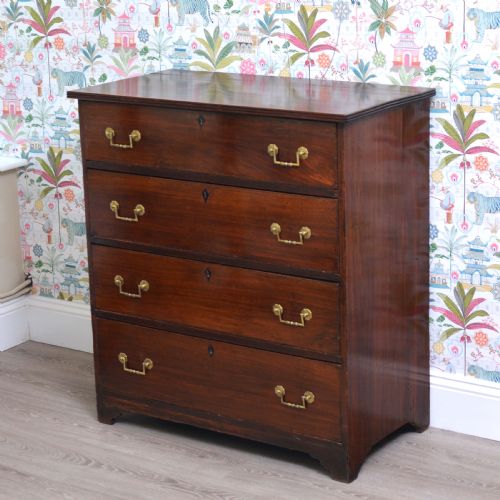
Dark Wood Dresser Unit
A dark wood dresser unit is a practical storage piece built from timber like oak and mahogany, offering both surface display and deep drawer capacity.
Dark Wood Dresser Unit
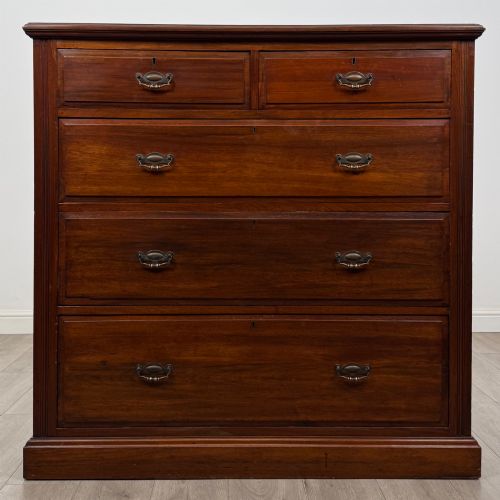
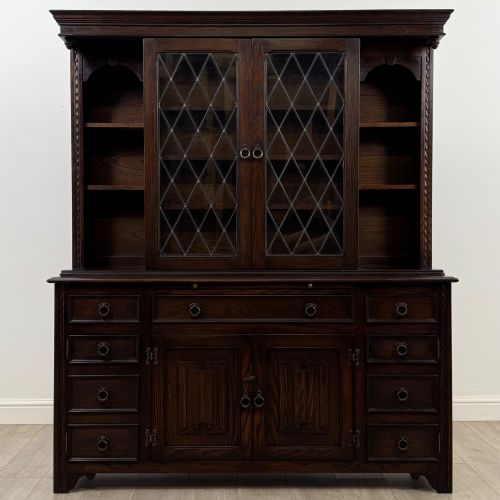
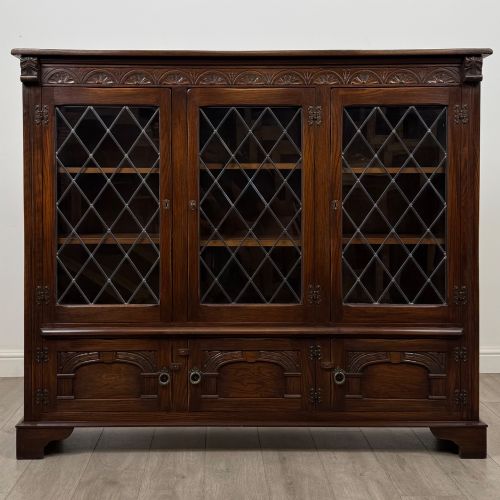
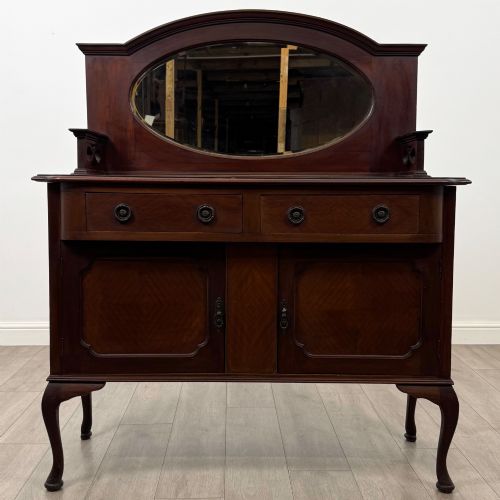
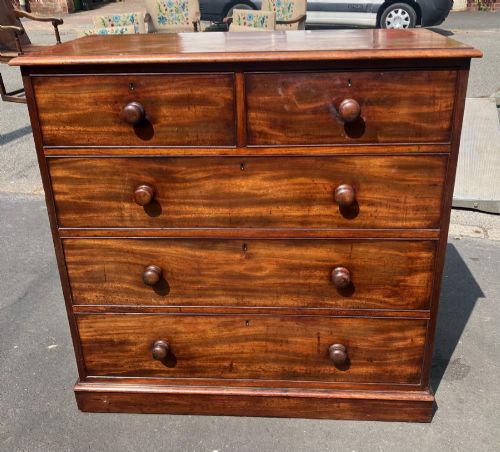
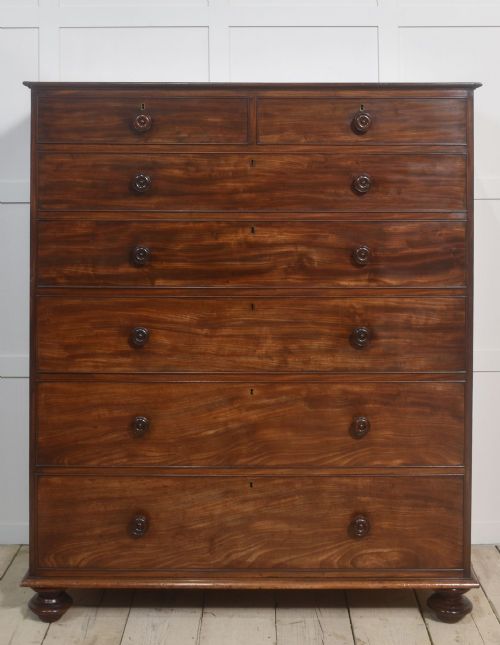
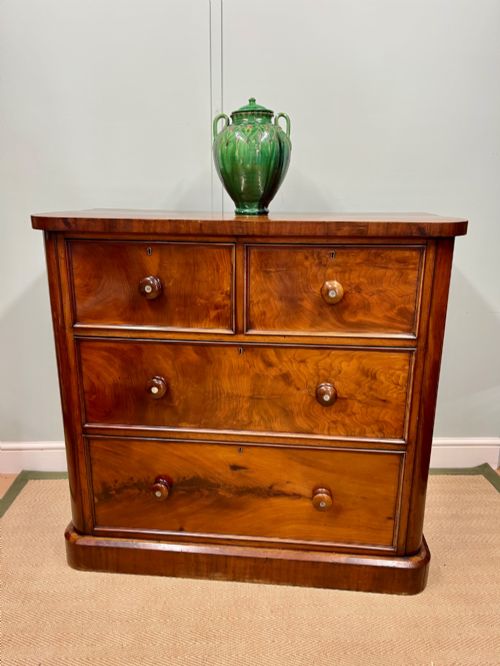
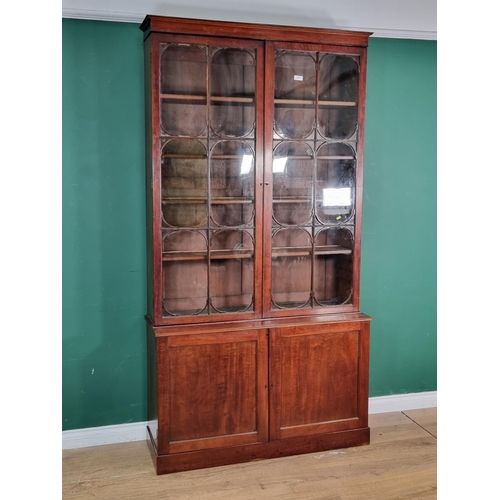
When buyers search for a dark wood dresser unit, they encounter a range of heavy timber storage furniture spanning the Victorian, Edwardian, and 1930 periods. These pieces include sideboards, display cabinets, bookcases, and chests of drawers constructed from solid woods and veneers.
The versions most commonly met on this page are mahogany and oak items, varying from simple side cabinets to grand breakfront bookcases and multi-wood Gothic style pieces. Origins stretch across English, French, and Anglo-Indian traditions, reflecting diverse regional cabinet-making practices.
Forms serve practical domestic functions, whether storing dining linen in a sideboard or displaying books behind glass panels. Each format uses distinct construction methods appropriate to its intended room and era.
How they were made
Makers utilised primary structural timbers such as oak, mahogany, and padauk, often pairing solid frames with flame mahogany or multi-wood veneers on visible surfaces. Carved ornamentation added depth to drawer fronts and cabinet doors.
Hardware elements like brass handles and iron fittings secured drawers and doors, while glass panels were integrated into display cabinets and bookcases. Lead occasionally secured specialist window panes within taller units.
Some chests of drawers hide secret compartments behind the top moulding, designed for securing small valuables away from prying eyes.
What varies in quality
Quality depends heavily on the selection of timber and the precision of the veneer work, where superior examples display symmetrical grain patterns like flame mahogany across large surfaces. Solid oak framing and crisp, deep carving distinguish finer workshops from standard production.
The integration of secondary materials such as brass and glass reveals the overall standard of construction, ensuring that doors hang true and drawers run smoothly within their carcases.
The Dark Wood Dresser Unit Glossary
- Flame mahogany
- A veneer cut from the fork of the mahogany tree to create a distinctive flickering flame pattern. It was favoured by cabinet makers for grand drawer fronts.
- Breakfront
- A piece of furniture where the central section projects forward from the flanking sections. This configuration is frequently seen on large bookcases and sideboards.
- Palisander
- A dense tropical hardwood resembling rosewood, often utilised in continental furniture production. It provides a dark, heavily figured surface.
- Padauk
- An exotic timber known for its deep reddish-brown colour and durability, utilised in colonial cabinet making. It yields heavy, robust furniture.
- Jacobean Revival
- A style of decoration referencing seventeenth-century English design with heavy geometric mouldings and dark oak. It experienced popularity in later revival periods.
Dark Wood Dresser Unit: Frequently Asked Questions
How do I clean dark wood?
Dust surfaces regularly with a soft, dry cloth to prevent the buildup of abrasive particles. Avoid silicone polishes that can damage older finishes over time.
Apply a traditional beeswax sparingly if the timber appears dry, buffing gently to maintain the natural sheen of the wood.
Are these units suitable for modern rooms?
The rich tones of oak and mahogany provide a grounding element in contemporary interior schemes. Their traditional utility translates well into modern living spaces for storage.
Consider the scale of the room before placing large breakfront bookcases or deep sideboards to ensure comfortable movement around the piece.
How do I date a mahogany chest?
Examine the drawer construction and timber choice for clues regarding the manufacturing period. Earlier pieces often feature hand-cut dovetails and solid secondary woods inside the drawers.
Surface finishes and handle styles also indicate the era, transitioning from plain Georgian brasses to ornate Victorian pulls and Edwardian detailing.