
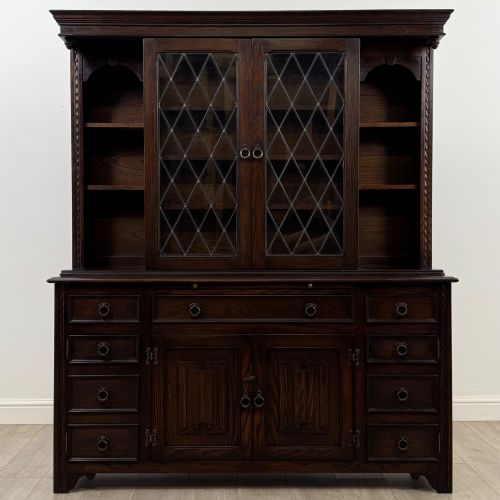
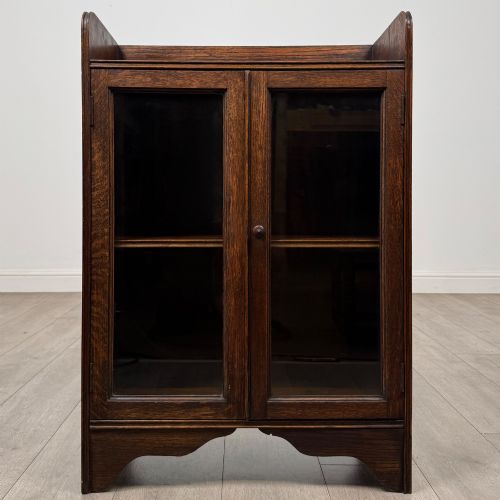
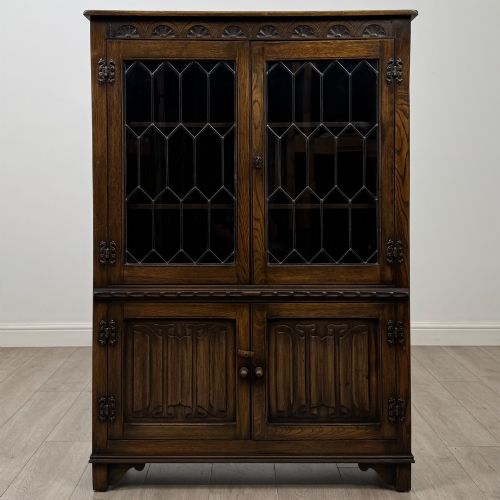
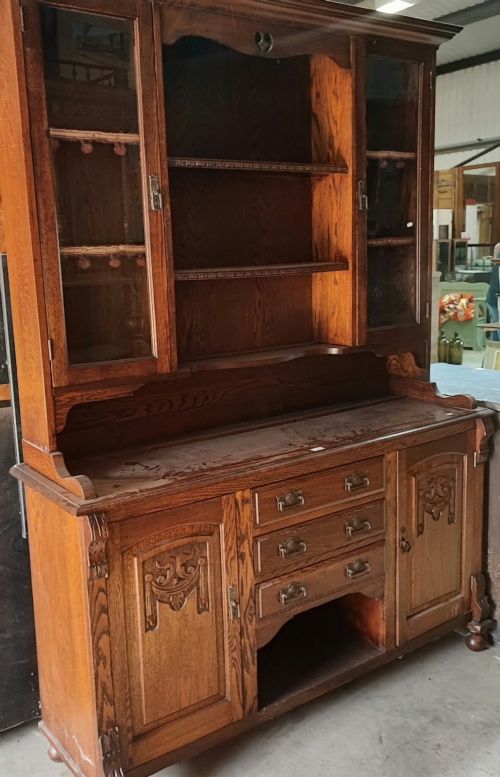




Traditional Oak China Cabinet
A traditional oak china cabinet brings solidity and warmth to a room, storing your best china safely behind glass.
Traditional Oak China Cabinet
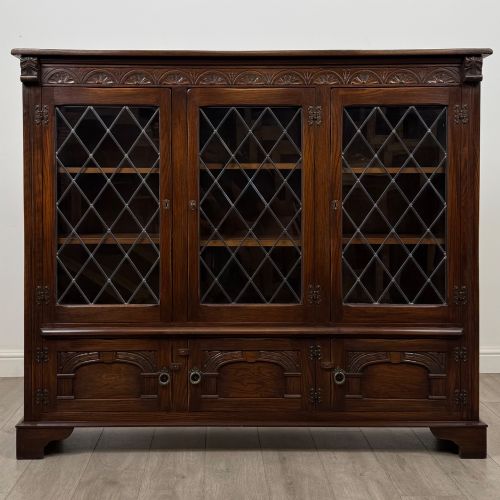
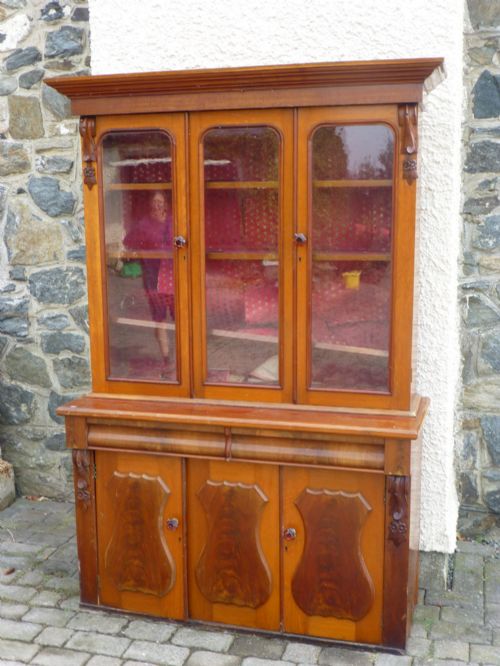
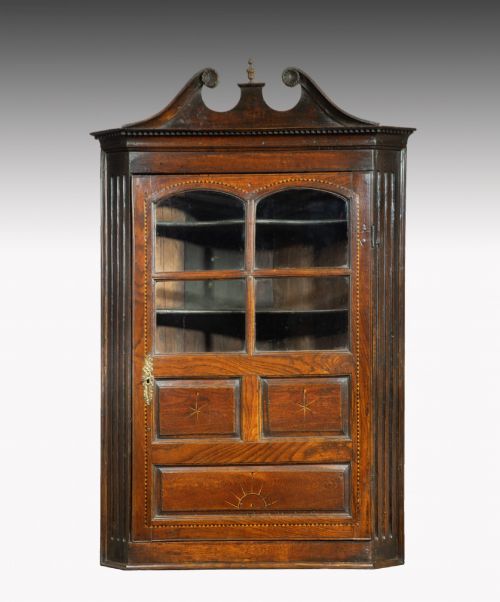
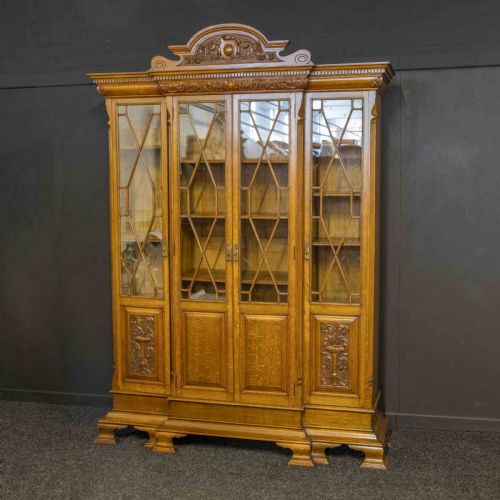
When you search for a traditional oak china cabinet, you encounter sturdy storage furniture built to display porcelain and silver while keeping dust at bay. The pieces on this page span several centuries and styles, taking the form of dressers, corner cupboards, and dedicated display cabinets.
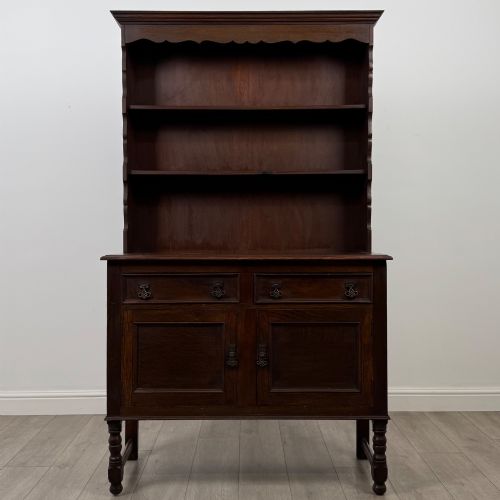
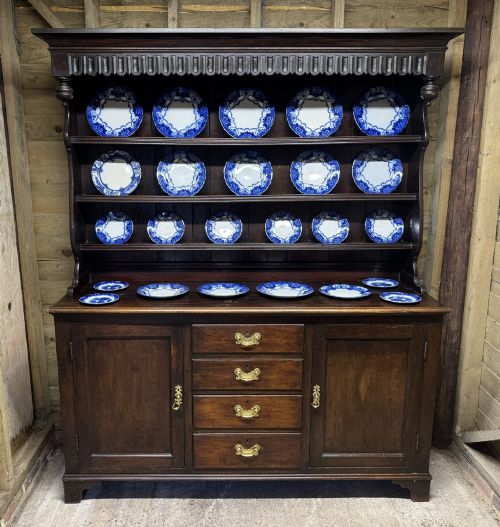
Edwardian examples and nineteenth-century Welsh vernacular pieces dominate the selection, often featuring glazed upper doors or open plate racks. You also find eighteenth-century Georgian designs and robust revival styles like Jacobean and Tudor.
These items originate largely from English workshops and Welsh households, serving practical roles in kitchens and dining rooms. The enduring appeal lies in the heavy timber construction and the clear visibility offered for displayed collections.
How they were made
Cabinet makers relied on solid oak planks for the main structures, sometimes introducing mahogany accents or tiger oak figuring to create visual contrast. Joinery methods relied on traditional pegging and framing techniques to support the heavy weight of timber and glass.
Doors and shelving incorporate panes of glass held by wooden glazing bars, whilst metal fittings such as brass hinges and iron handles secure the doors. Lead cames occasionally appear in the construction of the windows, adding structural support and decorative division to the glass panels.
The listings on this site span multiple centuries, ranging from eighteenth-century Georgian and 1750 pieces to Edwardian and 1920 productions in oak, glass, and brass.
What varies in quality
The distinction between standard utility furniture and superior examples rests upon the selection of timber and the ambition of the carving. Rich grain patterns, such as tiger oak, and detailed relief work on the cornices and panels elevate certain pieces above plain workshop output.
Proportion and structural integrity also dictate the standing of a cabinet, with balanced breakfront designs and well-fitted glazed doors representing higher craftsmanship. The integration of mahogany crossbanding or specialised hardware points to a more considered commission.
The Traditional Oak China Cabinet Glossary
- Breakfront
- A piece of furniture where the central section projects forward from the flanking wings. This architectural layout creates depth and shadow across the front elevation.
- Glazing bar
- A narrow wooden strip holding panes of glass within a sash or door. These strips divide the window into smaller segments.
- Welsh dresser
- A traditional kitchen and dining room storage unit featuring base cupboards surmounted by open shelves or glazed cabinets. Families used the upper tiers to display pewter and ceramic plates.
- Tiger oak
- Quarter-sawn oak timber displaying distinct medullary rays that resemble tiger stripes. Cabinet makers prized this figuring for decorative drawer fronts and panel inserts.
- Linenfold
- A style of wood carving that mimics the appearance of folded fabric or linen. Artisans frequently applied this motif to panelled cupboard doors during revival periods.
Traditional Oak China Cabinet: Frequently Asked Questions
What is a traditional oak china cabinet?
A traditional oak china cabinet is a storage unit built primarily from oak timber, featuring glass doors or open shelving to display porcelain and tableware. These pieces range from upright display cabinets to kitchen dressers and corner cupboards.
Originating across the eighteenth, nineteenth, and early twentieth centuries, they combine utility with regional styles such as Welsh vernacular and Georgian cabinet making.
How were these cabinets used?
Households utilised these cabinets in dining rooms and kitchens to store and exhibit valuable ceramic dinner services, glassware, and silver. The enclosed shelving kept dust away from everyday and ceremonial tableware.
Open plate racks on dresser tops allowed ceramic plates to stand upright for easy access and visual display, serving both practical and decorative purposes in the home.
How do I live with one?
Living with an oak cabinet involves balancing its substantial weight and dark timber tones within your modern or traditional interior lighting. Placing the piece away from direct sunlight protects the timber finish and the stored ceramics.
Regular polishing with appropriate wax maintains the lustre of the oak, whilst the interior glass benefits from simple cleaning to keep displayed china clearly visible.
How do I tell periods apart?
Distinguishing between periods depends on observing construction details, timber characteristics, and stylistic revivals present in the woodwork. Eighteenth-century pieces often display simpler, functional lines, whereas nineteenth-century and Edwardian examples frequently incorporate revival motifs like Jacobean carving or tiger oak figuring.
Examining the type of hinges, the cut of the wood, and the assembly methods provides further clues to whether a cabinet dates to the Georgian era or the early twentieth century.