




Dark Wood Child Chair
These dark wood child chair pieces offer smaller proportions crafted from timber, bringing historical domestic seating into modern rooms.
Dark Wood Child Chair
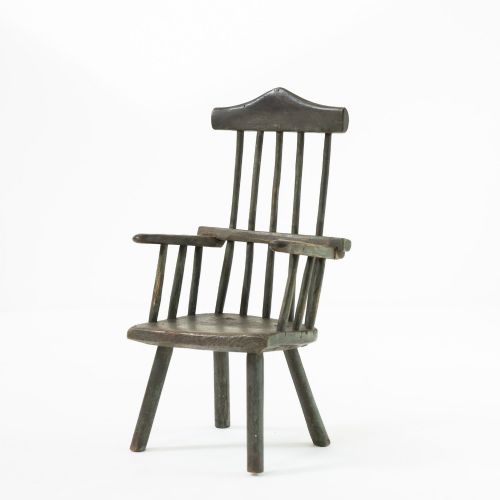
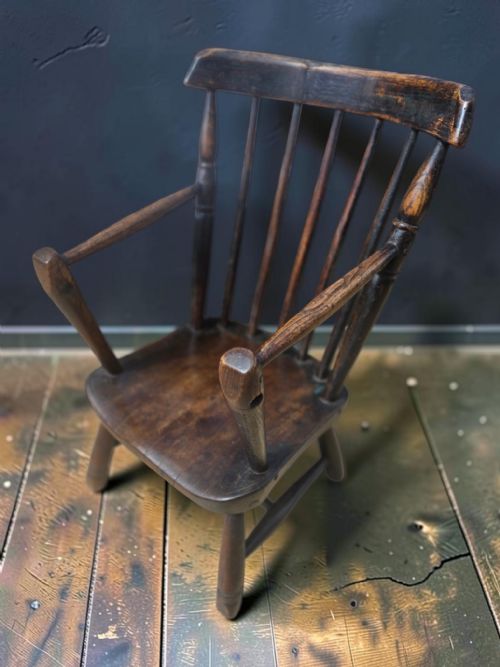
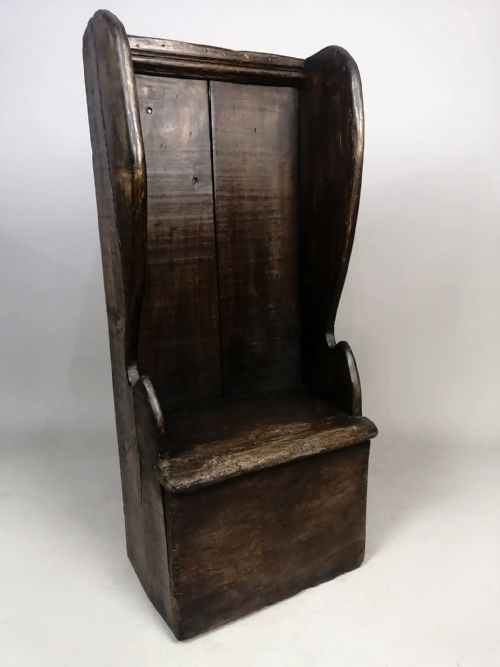
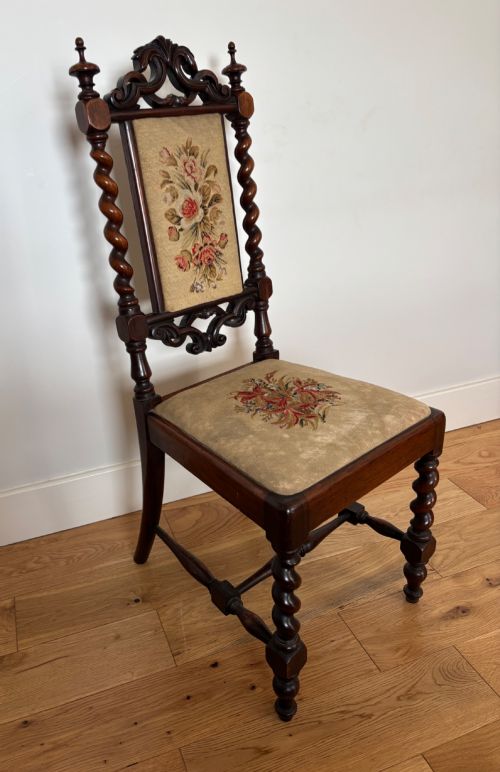
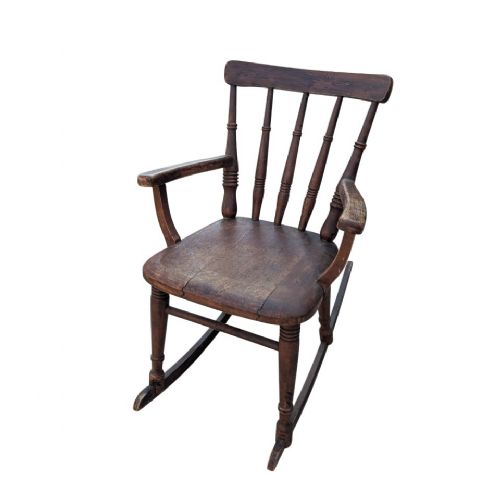
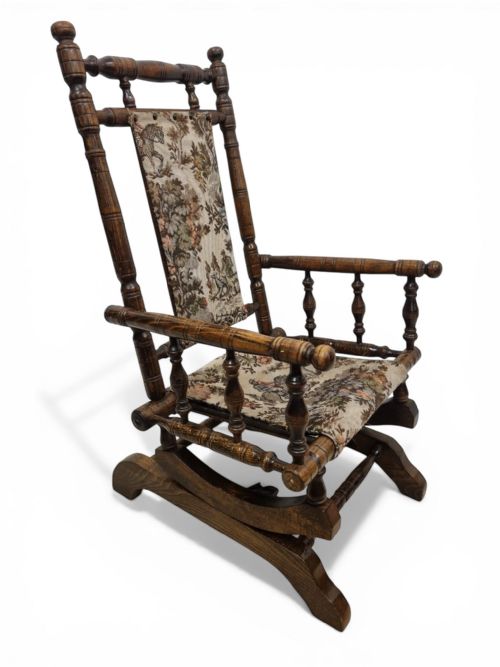
When you search for a dark wood child chair, you find a variety of small-scale domestic seating spanning several centuries. The selection includes Windsor chairs, rocking chairs, high chairs, lambing chairs, commode chairs, and correction chairs produced in regional vernacular and formal styles.
You meet pieces originating from Georgian, Victorian, and Edwardian periods, alongside earlier examples and later twentieth-century designs. These range from simple stick-back armchairs to sophisticated mahogany designs with stands.
The forms reflect historical needs for children's seating, utilising local timbers and traditional regional woodworking traditions. Makers adapted adult furniture types into smaller dimensions for domestic use.
How they were made
These chairs utilise a range of native and imported timbers, prominently featuring mahogany, elm, ash, oak, fruitwood, beech, and rosewood. Craftsmen selected these woods for their strength, grain, and suitability for bending or turning.
Construction techniques include Windsor framing, stick-back assembly, and traditional joinery. Seats often incorporate solid timber, rush, cane, or tapestry upholstery to provide support.
Regional workshops and vernacular makers shaped these pieces using hand tools, lathe-turned spindles, and steam-bent components. Structural integrity depended on pegged joints and solid framing.
Dark Wood Child Chair Retail Price Guide 2026
Typical asking prices for dark wood child chair among the pieces listed under this phrase on Sellingantiques today, from the lower quarter to the upper quarter. They describe what is for sale here now, not the wider market.
What varies in quality
Quality appears in the selection of timber and the execution of joinery, distinguishing sturdy regional work from refined urban pieces. Well-chosen grain and solid construction ensure lasting stability.
The sophistication of the design and the preservation of original surfaces separate standard examples from finer specimens. Original cane, rush, or upholstery adds distinct character to surviving pieces.
The Dark Wood Child Chair Glossary
- Windsor chair
- A chair built with a solid wooden seat into which the legs and back spindles are direct-inserted. This construction provides robust structural support.
- Vernacular
- Objects made by regional craftsmen following local traditions rather than strict academic style guidelines. These pieces often display idiosyncratic local construction methods.
- Stick back
- A chair back constructed from turned or cleft wooden spindles socketed directly into the seat. This method typifies many folk art and country pieces.
- Commode chair
- A seating item enclosing a chamber pot within the frame beneath a removable seat. These served domestic nursery needs.
- Correction chair
- A specialist Victorian chair designed with a tall back and strict posture support. These aimed to enforce upright sitting habits for children.
Dark Wood Child Chair: Frequently Asked Questions
How were these child chairs used?
These chairs served daily domestic functions in nurseries and family living spaces, providing children with correctly proportioned seating for meals, resting, or play.
Specialist forms like high chairs elevated infants to table height, while rocking chairs and commode chairs fulfilled specific domestic requirements.
How do I date a child chair?
Dating relies on observing construction methods, timber choices, and stylistic markers associated with periods such as the Georgian or Victorian eras.
Turned components, joinery techniques, and existing upholstery or seat materials offer further clues to the decade of manufacture.
Can I use these chairs today?
These historical chairs can be placed in modern interiors as decorative objects or functional items, depending on their structural condition.
Collectors often display them alongside other period furniture to showcase historical domestic woodworking.