



Dark Wood Cherub Sculpture
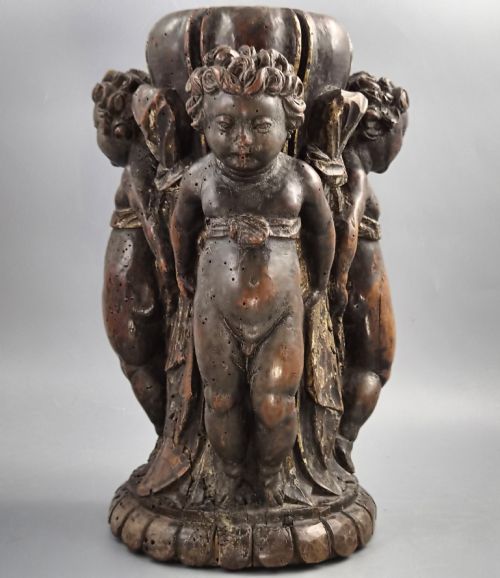
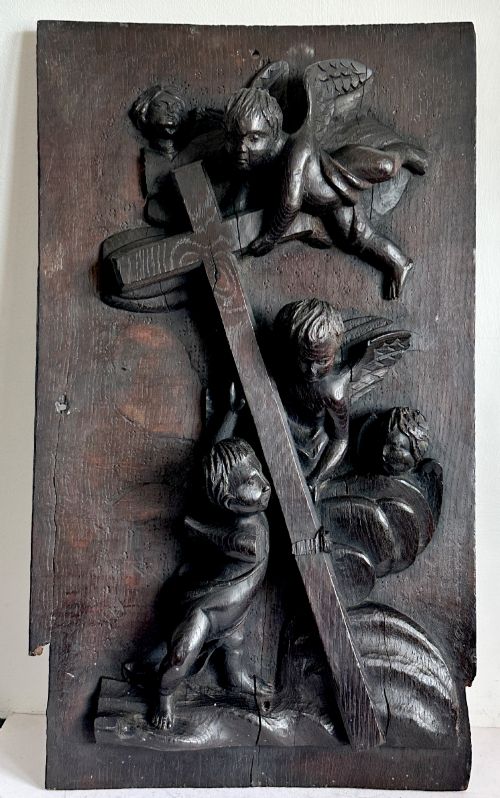
A dark wood cherub sculpture brings lively celestial presence to a room, ranging from robust seventeenth century oak panels to expressive eighteenth century walnut torchieres.
Dark Wood Cherub Sculpture
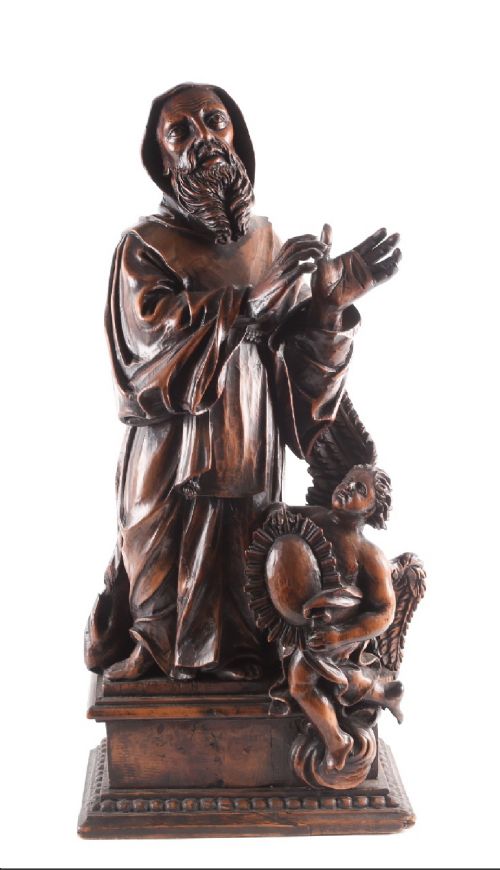
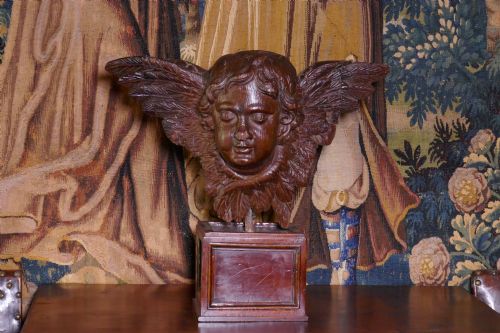
A dark wood cherub sculpture encompasses architectural fragments, wall reliefs, figures on stands, and sculptural torchiere bases featuring winged putti and angelic forms. Buyers seeking a dark wood cherub sculpture encounter works spanning the seventeenth century through the nineteenth century, reflecting Baroque and Renaissance revival movements.
The evidence shows forms ranging from monumental seventeenth century oak overdoor panels to eighteenth century Venetian walnut torchiere bases with three putti and nineteenth century lime wood figures. These pieces originate primarily from British and continental workshops, taking the form of architectural salvage, wall carvings, and freestanding decorative figures.
Most examples rely on dense timbers like oak and walnut, though leathermache and bronze appear alongside carved lime wood and hardwood. Collectors find these angelic figures integrated into architectural woodwork, ecclesiastical fittings, and domestic decorative carvings.
How they were made
Carvers shaped these figures using traditional hand gouges and chisels on seasoned hardwoods such as oak, walnut, and lime wood. The resulting surface relief ranges from high-relief wall carvings to fully rounded sculptural forms intended for pedestals and torchiere bases.
Alternative construction methods include moulded leathermache for architectural decorations and cast bronze mounted on inlaid wood bases. Artisans relied on the natural grain and deep tones of the timber, frequently leaving the carved wood unfinished or dark-stained to accentuate the muscular contours of the putti.
Even three centuries later, these chubby wooden infants continue to peer down from overdoor panels with expressions of perpetual surprise.
What varies in quality
The choice of material and depth of relief also dictate the character of the piece, with dense sixteenth and seventeenth century oak and walnut retaining sharper sculptural edges over centuries. Attribution to named makers, such as Edward Pearce, elevates certain architectural panels significantly above anonymous workshop output.
Master Carver Edward Pearce
The Dark Wood Cherub Sculpture Glossary
- Putti
- Plaster, stone, or carved wood figures of chubby male infants, often winged, originating from classical art and heavily utilised in Baroque sculpture. They represent divine messengers and animate architectural woodwork.
- Torchiere
- A tall stand designed to carry a light, often featuring elaborate carved bases supported by figures or putti. These Venetian and continental pieces anchor grand architectural schemes.
- Leathermache
- A composite material made from pulp or paper combined with glue and pressed into moulds to create lightweight architectural decorations. It offered an economical alternative to carved wood during the eighteenth century.
- Term
- A pillar or pedestal tapering towards the base, surmounted by a carved bust, head, or cherubic figure. Such architectural supports bridge structural joinery and figurative sculpture.
- Overdoor
- A decorative panel placed directly above a doorway, frequently carved with deep relief scenes involving angels or putti. These architectural elements dominated seventeenth century English and continental interiors.
Dark Wood Cherub Sculpture: Frequently Asked Questions
Where were dark wood cherub sculptures placed originally?
These sculptures served primarily as architectural elements within grand domestic interiors and ecclesiastical buildings. They appeared above doorways, supporting torchiere bases, or integrated into wall paneling.
Over time, collectors removed many of these elements for display as standalone wall reliefs, sculptures, and decorative carvings in varied interior settings.
How do I date a carved oak cherub panel?
Dating relies on tool marks, timber density, and stylistic markers associated with seventeenth and eighteenth century craftsmanship. Early English and continental Baroque panels display deep, confident chisel work and heavy heartwood oak.
Later nineteenth century revival pieces often exhibit cleaner mechanical precision and softer lime wood or alternative hardwoods without the deep patination of true age.
Are putti and cherubs the same thing?
Art historical terminology distinguishes between classical putti, which represent secular winged infants, and biblical cherubim, though the terms merged during the Renaissance and Baroque periods. Both forms populate these dark wood sculptures with similar energetic poses.
Sculptors of the seventeenth and eighteenth centuries utilised these angelic motifs interchangeably to convey movement and spiritual presence in architectural settings.
How should I clean a historic wood carving?
Historic wood surfaces require minimal intervention, typically limited to gentle dusting with a soft, dry brush. Moisture and modern chemical polishes damage the delicate patina built up over centuries.
Allowing the natural dark wood and wax finish to breathe preserves the integrity of the original carving without stripping the historical surface.