

Carved Furniture Mount
A carved furniture mount is a decorative hardware element that brings distinct architectural character to period cabinetry and seating.
Carved Furniture Mount
When you search for a carved furniture mount, you look for decorative wooden or metal elements that accent larger items like cabinets, chests, and tables. The pieces available on this page span several centuries, reaching from the seventeenth century through the Victorian era and into the early twentieth century.
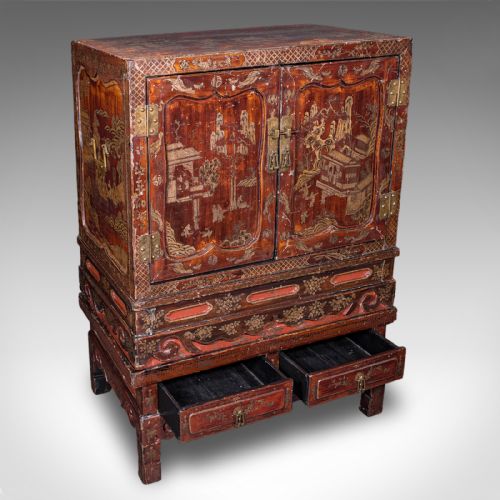
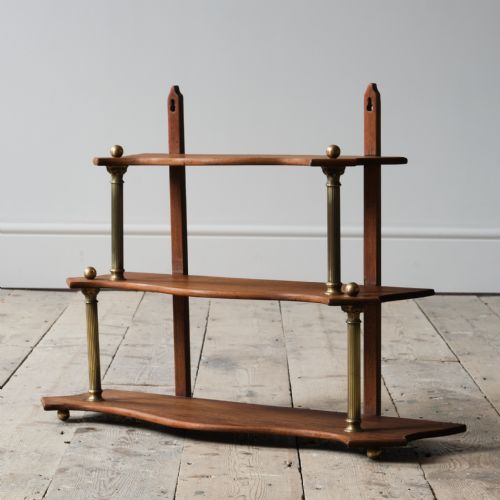
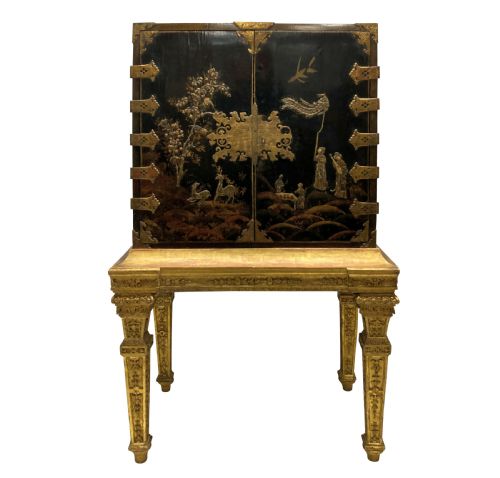
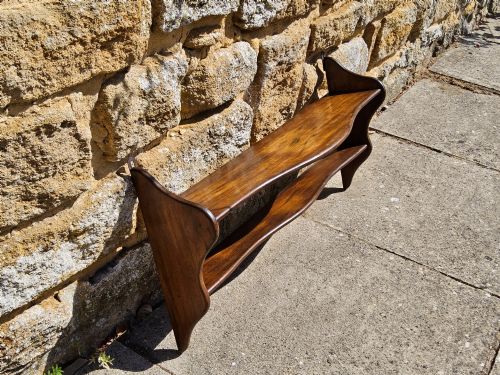
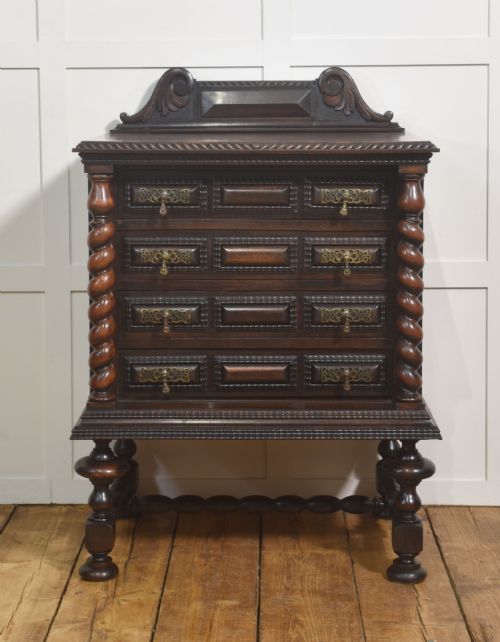
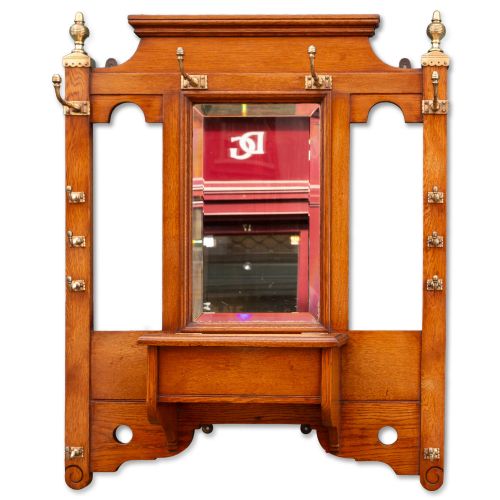
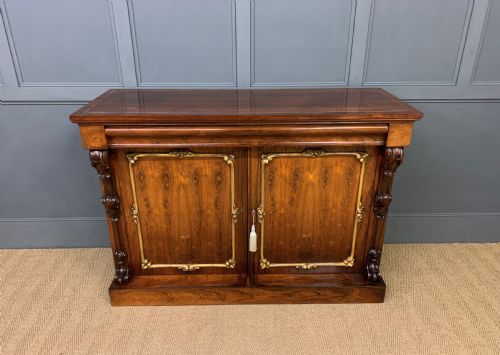
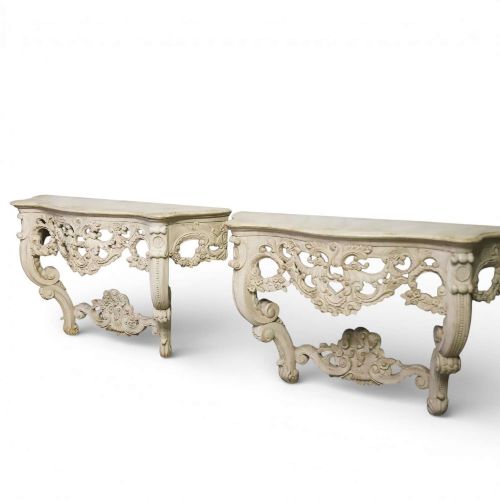
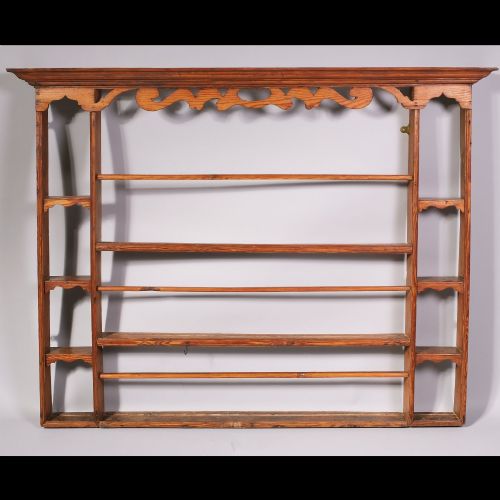
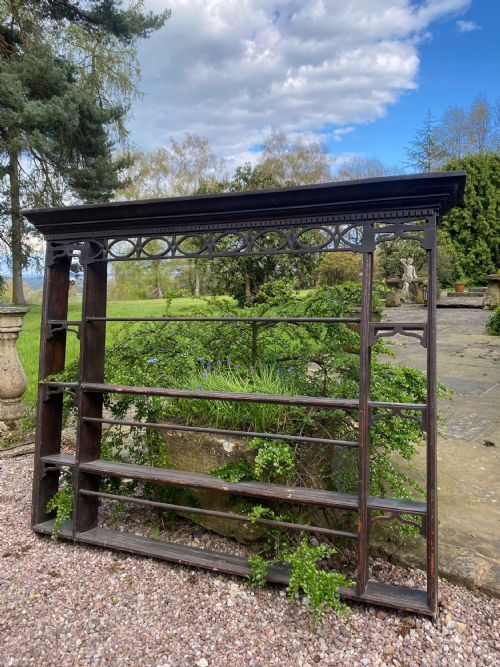
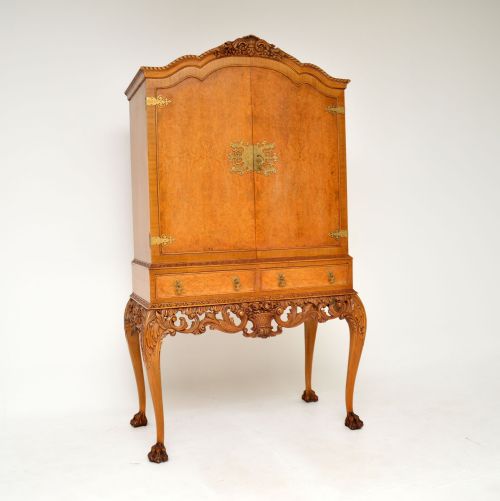
The selection includes various wooden forms alongside metal accents, appearing on items ranging from elaborate cabinets on stand to wall shelves and consoles. Makers such as Gabriel Viardot and James Shoolbred & Co. contribute to the diverse aesthetic range recorded in these listings.
Materials and construction methods
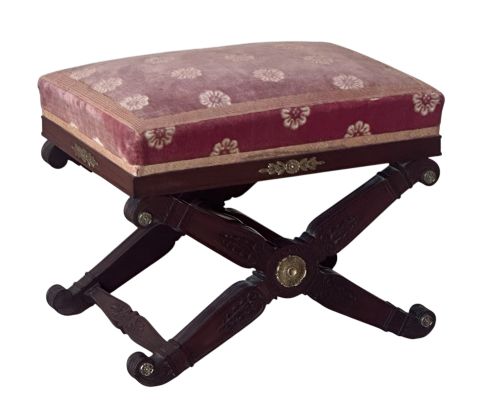
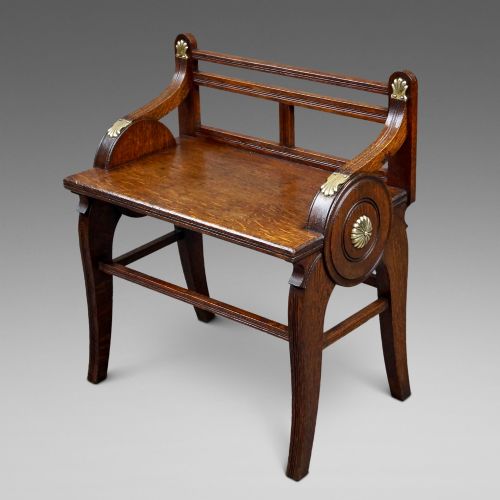
The items listed utilise traditional timbers including oak, mahogany, walnut, pine, and satinwood, frequently paired with brass and ormolu mounts. Cabinetmakers shaped these materials through hand-carving and joinery techniques suited to each specific period style.
Surface treatments involve polish, lacquer, paint, and parcel gilt finishes that highlight the natural grain and carved details of the wood. Metal components are cast and chased to complement the structural woodwork.
Listings feature items from the 17th, 18th, 19th, and early 20th centuries, utilising brass, oak, mahogany, walnut, and marble.
Assessing quality in mounts and furniture
Quality depends on the crispness of the hand-carved detail and the selection of figured timbers like burr walnut or rosewood. Superior examples demonstrate precise joinery and well-cast brass or ormolu hardware that integrates harmoniously with the primary material.
The distinction between standard production and finer execution lies in the depth of relief carving and the preservation of original surface finishes across periods from the seventeenth to the twentieth century.
Gabriel Viardot·James Shoolbred & Co.
The Carved Furniture Mount Glossary
- Ormolu
- Gilded bronze used for decorative mounts and furniture hardware. It provides a bright metallic contrast to darker woods like mahogany and walnut.
- Bargueño
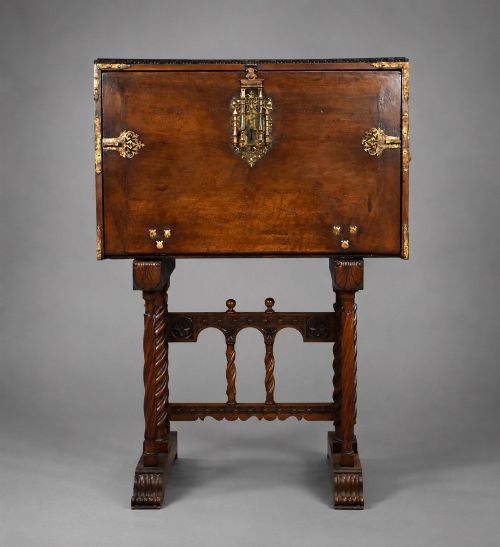
- A type of Spanish cabinet on a stand, originating in the seventeenth century. These pieces often feature elaborate internal compartments and decorative exterior mounts.
- Chinoiserie
- A European stylistic interpretation of Chinese art and design. This style appears on lacquered cabinets and stands from various periods.
- Japonisme
- The influence of Japanese art on Western design during the nineteenth century. It is associated with makers such as Gabriel Viardot.
- Bombe
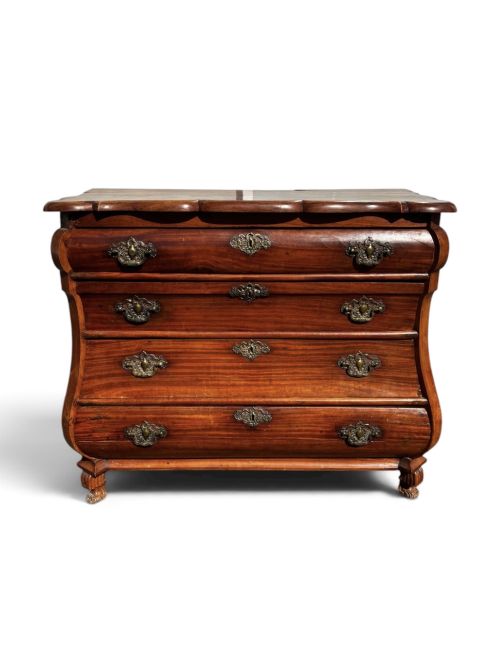
- A swelling, convex shape characteristic of certain eighteenth-century chests of drawers and commodes. It requires advanced woodworking skill to construct from solid timber or veneers.
Carved Furniture Mount: Frequently Asked Questions
What is a carved furniture mount?
A carved furniture mount is a decorative wooden or metal element applied to cabinetry, chests, and seating to enhance their architectural appearance.
These pieces reflect the specific decorative styles of their period, ranging from seventeenth-century Spanish designs to nineteenth-century revival pieces.
How do I identify the period of these pieces?
Period identification relies on observing the primary materials, construction techniques, and stylistic characteristics recorded in the listings.
Examinations of timber types like oak, walnut, or mahogany, alongside finishes such as lacquer or parcel gilt, help place an item within eras like the Victorian period or the eighteenth century.
How were these items used originally?
Mounts and related decorative woodwork served to embellish functional furniture such as cabinets, commodes, tables, and wall shelves.
They added structural reinforcement and visual hierarchy to domestic interiors across Europe.
How do I care for antique wooden furniture?
Care involves maintaining stable indoor humidity and temperature to prevent the wood from cracking or warping.
Regular dusting with a dry cloth and sparing application of appropriate polish preserves the original surface finishes.