


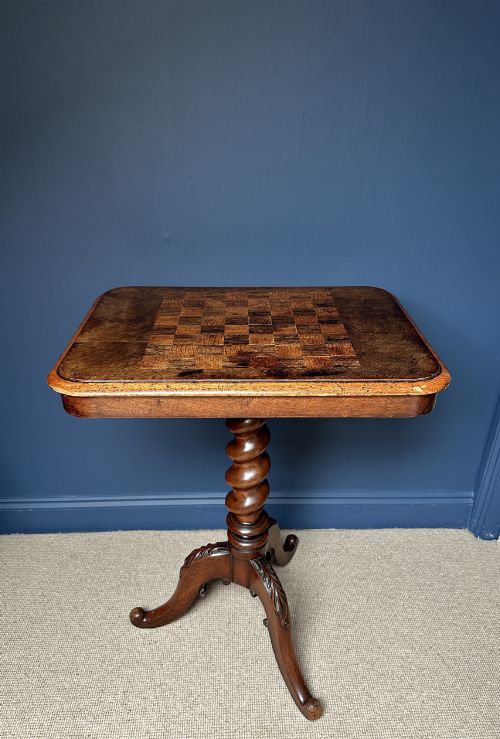


Dark Walnut Work Table
These dark walnut work table examples bring rich timber and practical form together, offering a solid surface and internal storage for daily use.
Dark Walnut Work Table
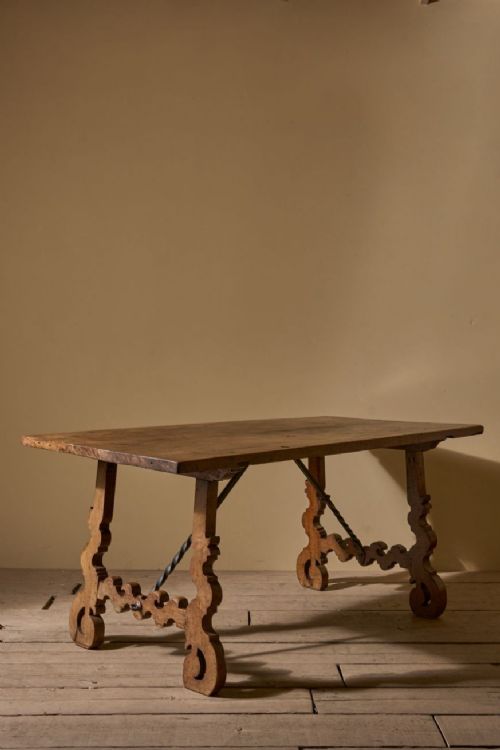
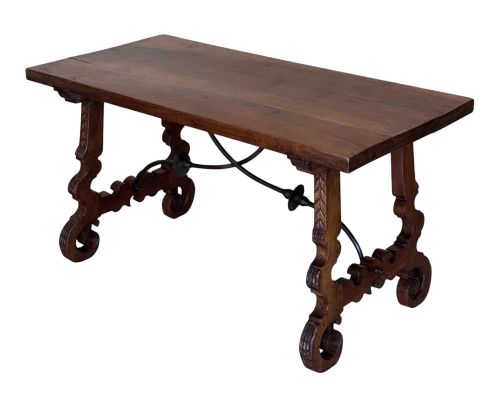
A dark walnut work table combines a sturdy timber surface with compartments designed for tasks such as sewing or writing. The pieces seen here span centuries of regional design, ranging from early continental examples to nineteenth-century English forms.
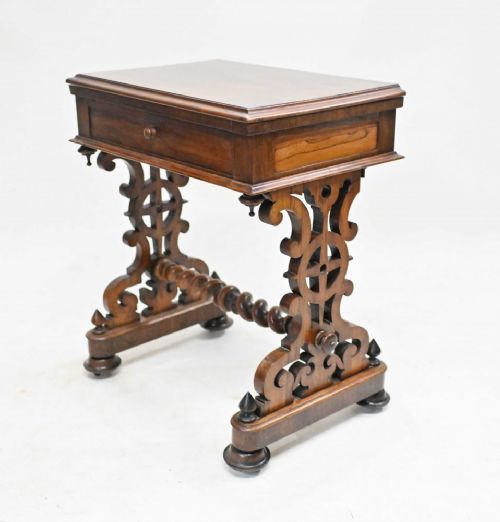
Buyers will most frequently encounter Victorian sewing and games tables alongside continental provincial pieces. These items serve well in modern interiors as occasional desks or side surfaces with hidden depth.
How they were made
Makers utilised solid walnut, burr walnut, and fruitwood, often selecting dense timbers for durability and rich grain patterns. Iron and brass hardware provided structural reinforcement and functional fittings for drawers and folding leaves.
Construction methods relied on traditional joinery techniques suited to heavy hardwoods. Surfaces received simple finishes to highlight the natural dark tones and figure of the timber over decades of use.
Dark Walnut Work Table Retail Price Guide 2026
Typical asking prices for dark walnut work table among the pieces listed under this phrase on Sellingantiques today, from the lower quarter to the upper quarter. They describe what is for sale here now, not the wider market.
Listings feature walnut, burr walnut, and fruitwood across periods from the seventeenth century through to the nineteen-twenties.
What varies in quality
Quality rests in the selection of timber and the integrity of the original construction rather than decorative excess. Finer examples display carefully matched grain patterns across the top and well-fitted internal compartments.
The treatment of the timber surface dictates visual depth, with genuine age showing through a warm, undisturbed patina. Simpler provincial pieces rely on honest structural proportions rather than intricate detail.
The Dark Walnut Work Table Glossary
- Walnut
- A hard, dark timber valued for its rich grain and stability in furniture making. It forms the primary material for the tables listed here.
- Fruitwood
- A dense, light timber often used alongside walnut for secondary framing or contrasting details. It provides strength and a fine texture.
- Patina
- The surface sheen and colour developed by wood over years of handling and exposure. It indicates age and proper maintenance.
- Occasional table
- A small, movable table designed for specific minor tasks or placement beside seating. These pieces offer flexible utility in a room.
Dark Walnut Work Table: Frequently Asked Questions
What is a dark walnut work table used for?
These tables served historical purposes like sewing, needlework, and small-scale writing tasks, often incorporating boxes or bags beneath the top.
Today, they function effectively as compact desks or decorative side surfaces in living spaces and studies.
How do I identify a Victorian work table?
Victorian examples frequently feature fitted interiors with compartments for sewing implements, chess boards, or small drawers beneath the surface.
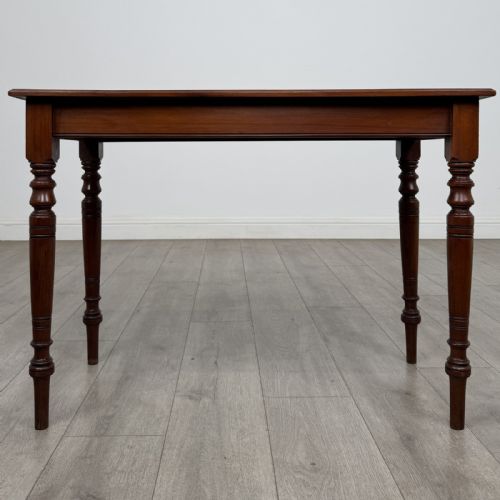
They often display turned legs and darker finishes characteristic of nineteenth-century English and continental workshops.
Are these tables suitable for everyday use?
The sturdy construction of solid walnut and fruitwood makes these pieces durable enough for daily placement and light tasks in a modern home.
Their compact proportions also allow them to fit easily into smaller rooms as functional surface areas.
What is the difference between provincial and formal styles?
Provincial tables emphasise simple, robust construction and practical utility, reflecting regional traditions without excessive ornamentation.
Formal pieces often incorporate more refined turning, intricate inlays, or specialised hardware suited to urban parlours.