




Dark Walnut Flintlock
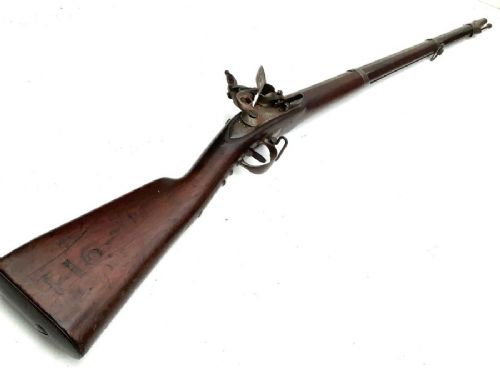
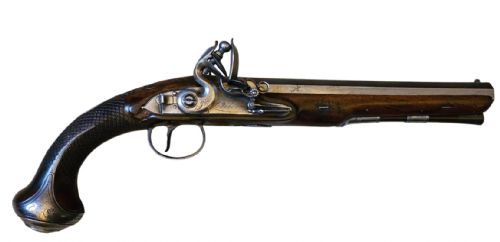
These dark walnut flintlock pieces are tactile fragments of martial history, sought after for their robust mechanical heritage and rich timber stocks.
Dark Walnut Flintlock
When you search for dark walnut flintlock, you encounter historic firearms ranging from heavy military muskets to refined civilian pocket and holster pistols. The selection spans periods from the seventeenth century through the Georgian era and Napoleonic times, capturing centuries of practical gunsmithing.
Most examples you meet here are military or domestic sidearms, including British Brown Bess muskets, French service pieces, and regional European variants. These arms served foot soldiers, cavalrymen, and private citizens alike, offering a tangible link to past conflicts and travel.
Originating from British, French, Italian, Belgian, and Ottoman workshops, these pieces showcase diverse national designs and locking mechanisms. The inventory includes heavy sea service pistols, blunderbusses, and officer duelling arms housed in dark timber stocks.
Materials and construction
Gunmakers utilised dense walnut wood for stocks, providing the necessary strength to withstand the violent forces of the ignition mechanism while offering a deep, rich grain. This timber was shaped and carved to fit the barrel and lock snugly, often accented with brass furniture or silver wire inlay.
Metal components relied on forged steel and iron for barrels, lockplates, and internal springs, requiring precise blacksmithing to ensure reliable sparks. Brass and silver appeared frequently on mounts, trigger guards, and decorative sideplates, adding contrasting metallic tones to the dark wooden builds.
Mail coach inspectors clearly needed stout persuasion on hand, judging by the specialised overcoat pistols made just for their line of work.
Evaluating quality and execution
Quality in these firearms rests upon the crispness of the lock mechanism, the integrity of the walnut stock, and the presence of maker signatures or proof marks. Finer pieces display refined casting on brass furniture and subtle gilt inlay on barrels, marking them out from standard utilitarian issue.
The degree of original finish and the preservation of carved details dictate the standing of a piece within its period. Untouched conditions and legible maker inscriptions elevate specific arms, separating standard field weapons from higher grade officer or presentation items.
T. Potts·Sargant & Son·Dumarest·Barber of Newark
The Dark Walnut Flintlock Glossary
- Flintlock
- A firearm ignition mechanism that uses a flint struck against a steel frizzen to create sparks that ignite the gunpowder charge. This system dominated military and civilian arms for centuries.
- Brown Bess
- The colloquial term for the British land pattern flintlock musket that served the British Empire for over a century. It remains one of the most recognisable military longarms.
- Holster Pistol
- A large handgun designed to be carried in a saddle holster by cavalrymen or travellers. These pieces prioritised stopping power and durability over concealment.
- Blunderbuss
- A muzzle-loading firearm with a flared barrel designed to scatter shot at close range. It saw extensive use by coach guards and naval personnel.
- Proof Mark
- An official stamp applied to a firearm barrel after passing pressure tests to guarantee safety. These marks help historians verify origin and date.
Dark Walnut Flintlock: Frequently Asked Questions
What is a flintlock pistol?
A flintlock pistol is a muzzle-loading handgun that ignites gunpowder using a spark produced when a flint strikes a steel plate. They served as primary personal defence weapons before the invention of percussion caps.
These sidearms were widely carried by military officers, travellers, and highwaymen during the seventeenth, eighteenth, and nineteenth centuries.
How do I identify a Georgian musket?
Georgian muskets typically feature walnut stocks, steel barrels, and brass or iron furniture characteristic of late eighteenth and early nineteenth-century British military production. Maker stamps and proof marks near the breech often provide specific manufacturing details.
Many bear inspection marks or regimental numbers that help date their service during the Napoleonic conflicts or earlier revolutionary campaigns.
Were these pistols used in combat?
Many of these pieces saw active service with military forces, naval personnel, or militia units across Europe and beyond. Military issue arms were built for rugged field use during extended campaigns.
Other variants served civilian roles, protecting coach passengers or private citizens from highway robbery during the Georgian era.
How should I care for a walnut stock?
Walnut stocks benefit from stable environmental conditions with moderate humidity to prevent the historic wood from drying out or splitting. Gentle cleaning with appropriate conservation wax preserves the aged finish without altering the timber.
Keep the steel and brass components lightly oiled to halt corrosion while maintaining the untouched character of the metal.
What distinguishes an officer pistol?
Officer pistols generally exhibit finer craftsmanship, better balance, and superior finishing compared to standard enlisted men's sidearms. They often include decorative brass furniture, silver wire inlay, or more refined lock mechanisms.
Private purchase items reflected the personal taste and budget of the individual officer who commissioned them for active service.