
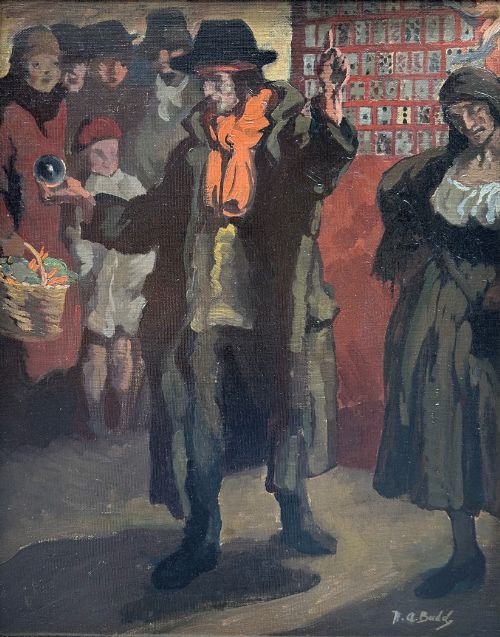
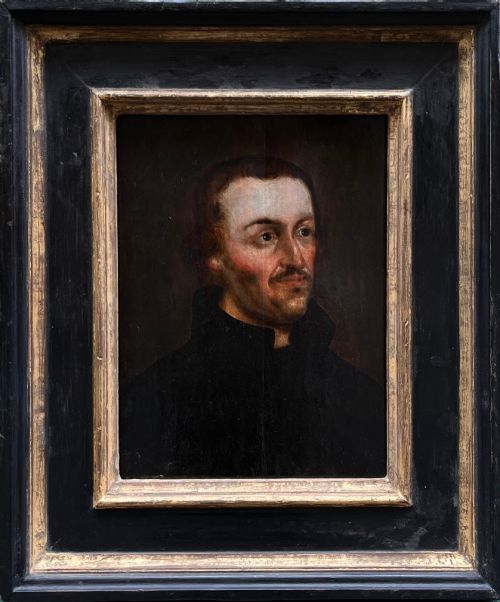
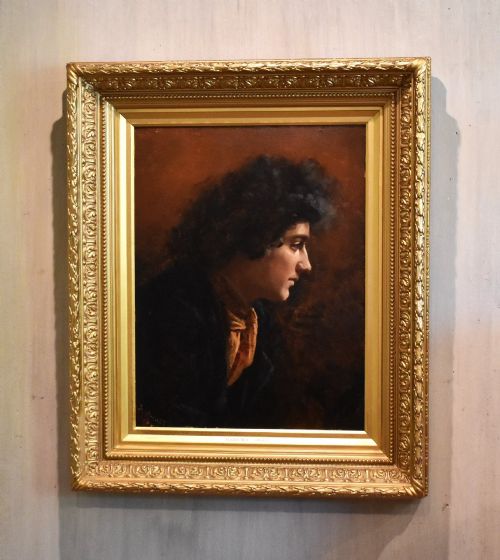
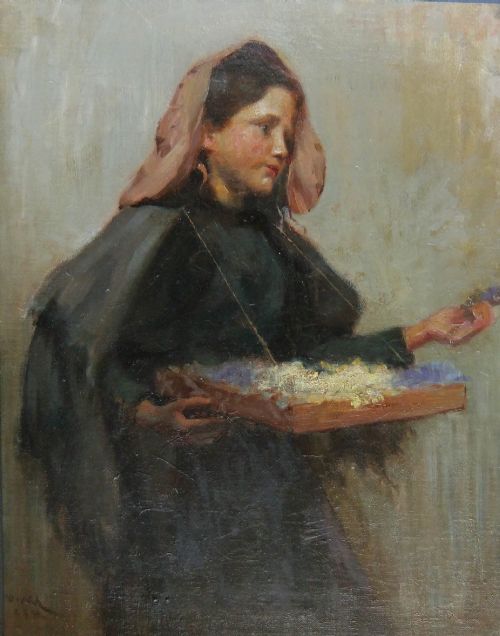
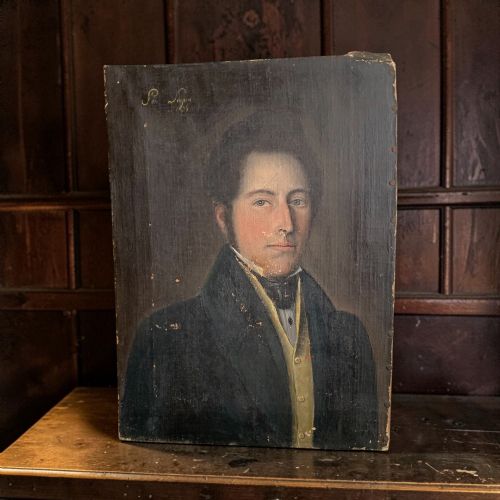
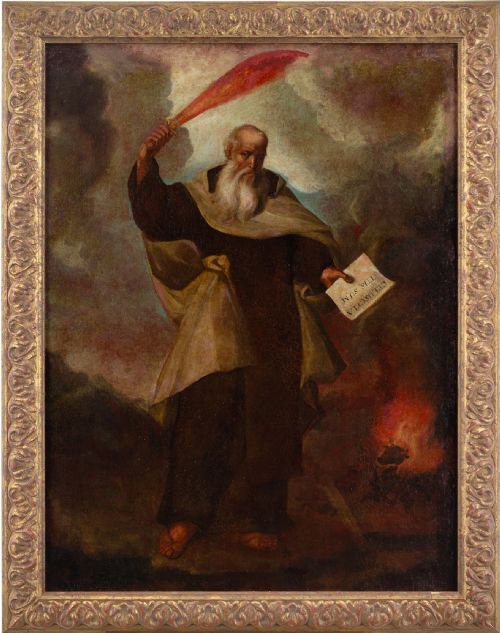


Dark Tone Portrait Painting
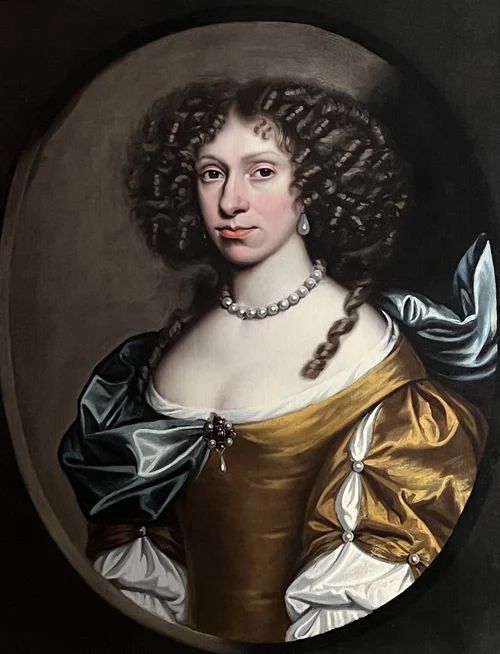
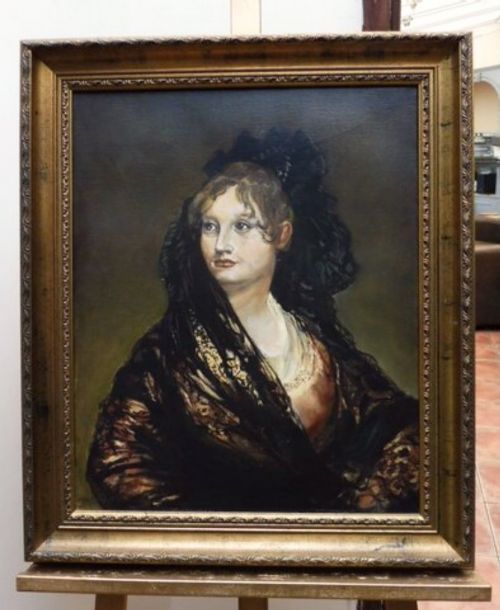
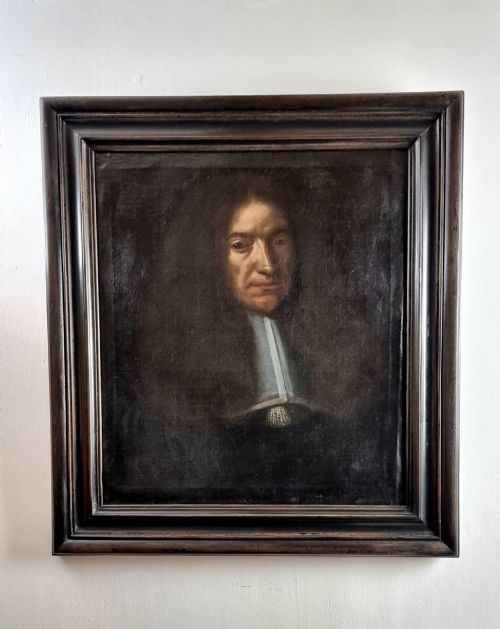
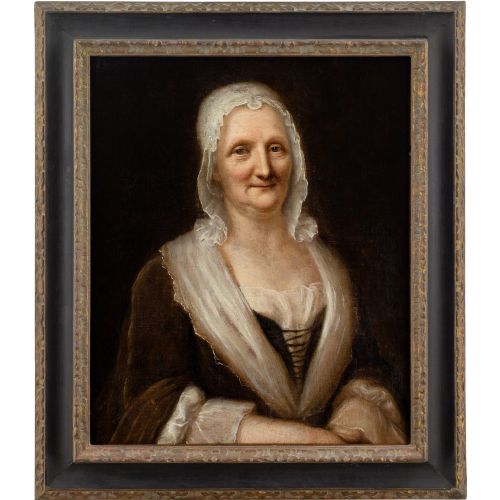
A dark tone portrait painting draws the eye through shadow and subdued light, capturing faces from centuries past with profound gravity.
Dark Tone Portrait Painting
A dark tone portrait painting presents human subjects emerging from deep backgrounds, following traditions established in earlier centuries. These artworks range from formal depictions of judges and merchants to intimate studies of anonymous sitters.
The selection encountered here spans multiple periods, including seventeenth-century works from British, French, and Spanish schools, alongside later nineteenth and twentieth-century interpretations. Canvases and wooden panels preserve these solemn expressions and atmospheric lighting schemes.
Subjects include specific historical figures, fictional characters, and genre scenes, executed with varying degrees of formality. The common thread uniting these works is a restricted palette that prioritises shadow, depth, and psychological intensity.
How they were made
Painters applied oil paint to prepared surfaces of canvas or wood, building up rich layers of pigment to achieve deep shadows and subtle facial illumination. Giltwood and gesso frames often complement these works, adding structural definition to the composition.
Listings feature oil paintings on both canvas and wood spanning from the seventeenth century through the Edwardian period.
What varies in quality
Skill in handling shadow and light dictates the visual strength of each piece, distinguishing masterly anatomical understanding from more rigid execution. The sensitivity of brushwork in rendering skin tones and textiles reveals the hand of a trained artist.
Condition plays a central role, as the stability of the canvas or wood panel and the integrity of the oil paint layers affect longevity. Original frames and documented attributions add historical weight to specific works.
DAVID SCOUGALL·Francisco José de GOYA y Lucientes·Herbert Ashwin Budd·Florence Small·William Watt Milne·C.E. Howson·Andrew Young·Bartolome' Murillo·Thomas Beach·Roberto Venturi·Ralph Hedley·John Phillip·John Partridge·Abraham Van Blyenberch·George Hayter·Robert Ker Porter·Frank Samuel Eastman
The Dark Tone Portrait Painting Glossary
- Chiaroscuro
- The use of strong contrasts between light and dark to give a three-dimensional volume to figures and objects. This technique forms the foundation of dark tone portrait painting.
- Canvas
- A heavy woven fabric used as a surface for oil painting, stretched across a wooden frame before application. It provides flexible support that accommodates centuries of pigment expansion.
- Gesso
- A white paint mixture consisting of a binder mixed with chalk, gypsum, or pigment, applied to wood panels. It creates a smooth, absorbent base for oil painting.
- Genre painting
- The pictorial representation of scenes or events from everyday life, typically depicting ordinary people in domestic or public settings. These works focus on narrative rather than formal portraiture.
- School
- A group of artists sharing a similar style, time period, or geographic origin, often following the teachings of a master. Attributions to a specific school indicate regional working methods.
Dark Tone Portrait Painting: Frequently Asked Questions
What defines a dark tone portrait?
These works utilise deep shadows and restricted lighting to focus attention on the subject's face and hands. The background remains obscured or subdued to heighten the psychological impact.
Such compositions draw inspiration from seventeenth-century masters who favoured dramatic contrasts over bright, uniform illumination.
How are wooden panels distinguished from canvas?
Wooden panels offer a rigid support for oil paint, often found in earlier centuries before stretched canvas became standard practice. They require stable environmental conditions to prevent warping over time.
Canvases provide a slightly textured woven surface that absorbs pigment differently, accommodating larger formats with greater ease.
Where were these paintings created?
Originating across various European regions, these works reflect the distinct stylistic traditions of British, French, Spanish, and German schools. Artists worked within localized workshops and academies.
Subjects often reflect the social hierarchies and cultural values of the specific country and era in which the artist operated.
How should these oil paintings be displayed?
Protecting the surface from direct sunlight and maintaining stable room humidity preserves the integrity of the oil paint and wood or canvas support. Heavy giltwood frames require secure wall fixings due to their substantial weight.
Positioning the piece where directional lighting can emulate the intended chiaroscuro effect enhances the visual depth of the shadows.