

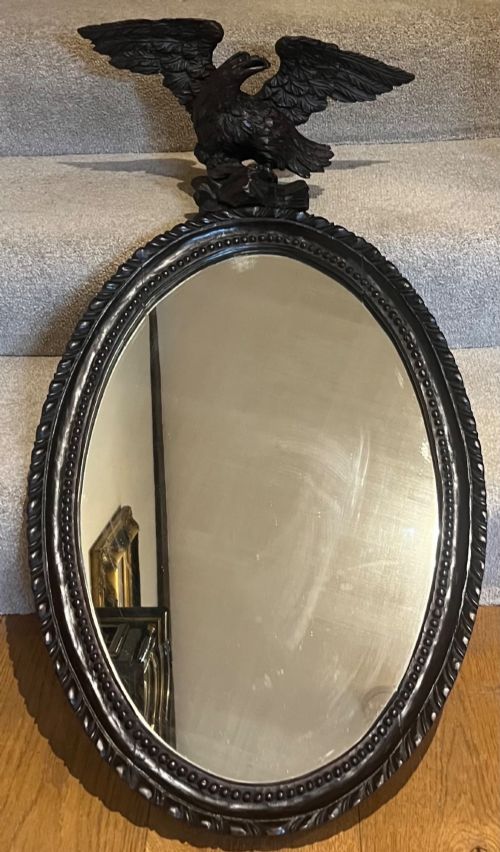


Dark Timber Wall Frame
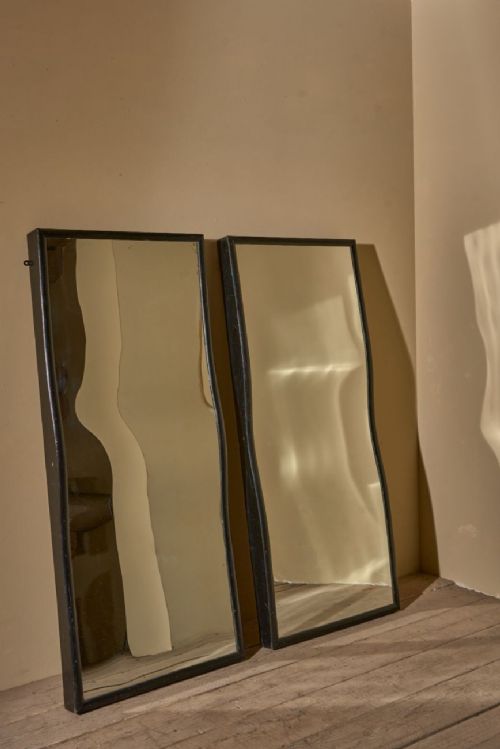
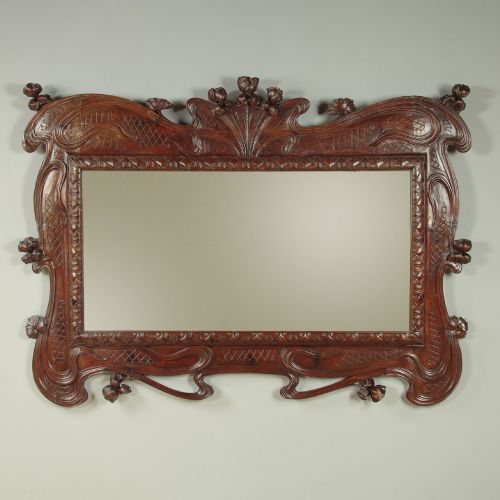
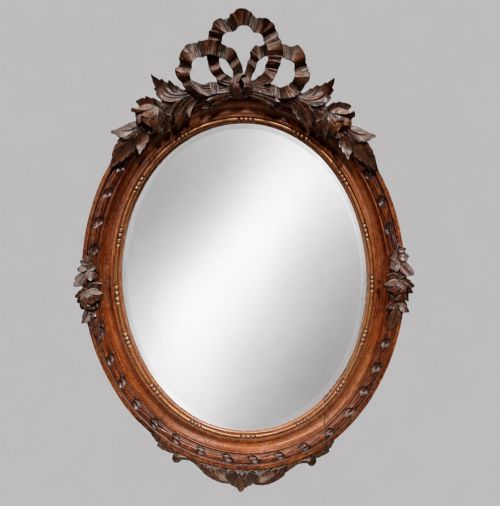
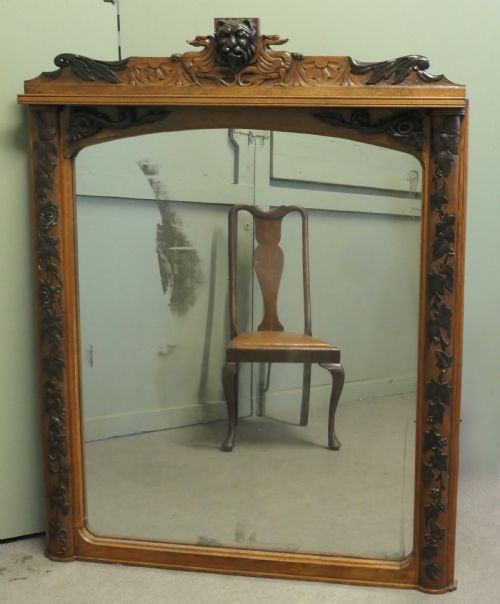
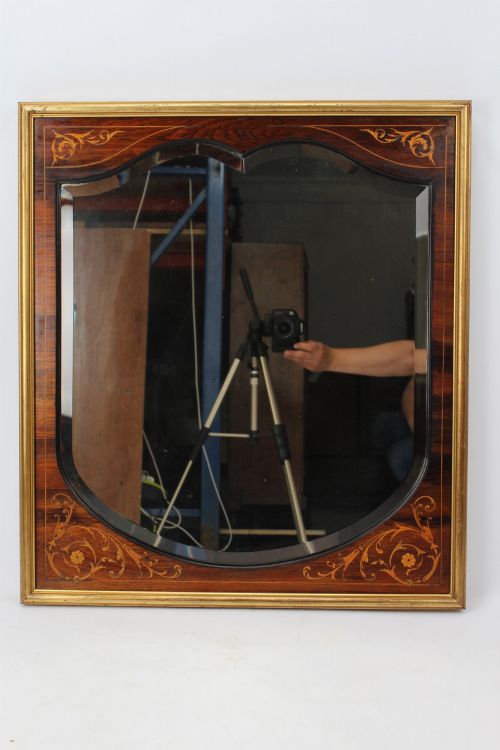
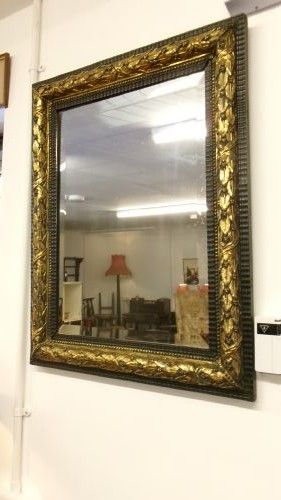
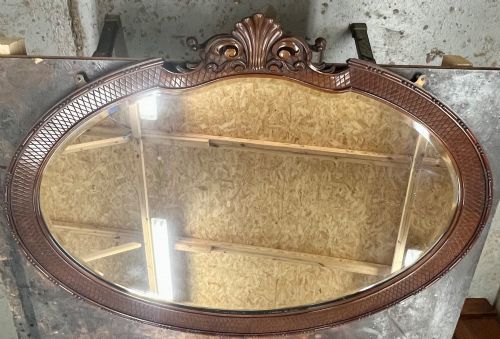
A dark timber wall frame brings depth and character to a room, holding everything from oil paintings to mirrors.
Dark Timber Wall Frame
When you search for a dark timber wall frame, you encounter objects built to mount upon vertical surfaces, enclosing glass, canvas, or paper. These items serve both practical and decorative functions within domestic interiors.
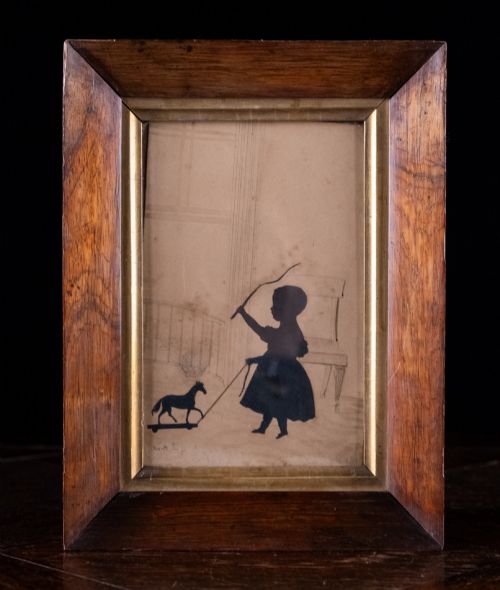
The selections on this page span several centuries, drawing heavily upon 19th-century production. Oak, walnut, and rosewood dominate the physical forms, often shaped into mirrors or picture housings.
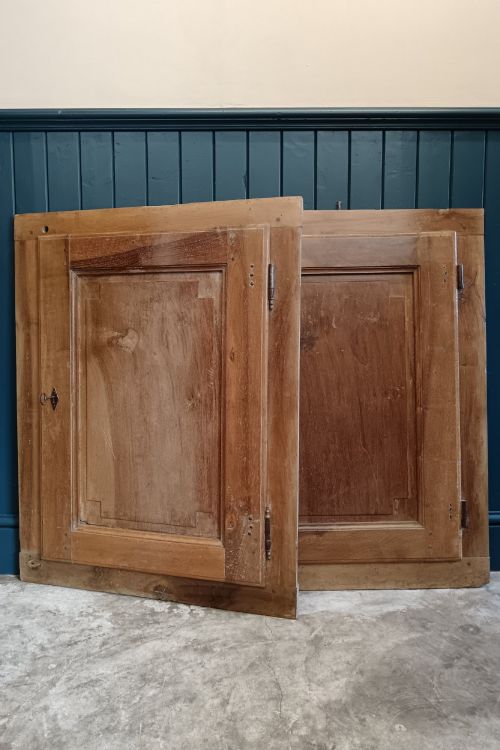
Makers utilised various regional styles, ranging from British Victorian designs to continental European carvings. The resulting assortment includes cushion frames, architectural salvage, and carved wall plaques.
How they were made
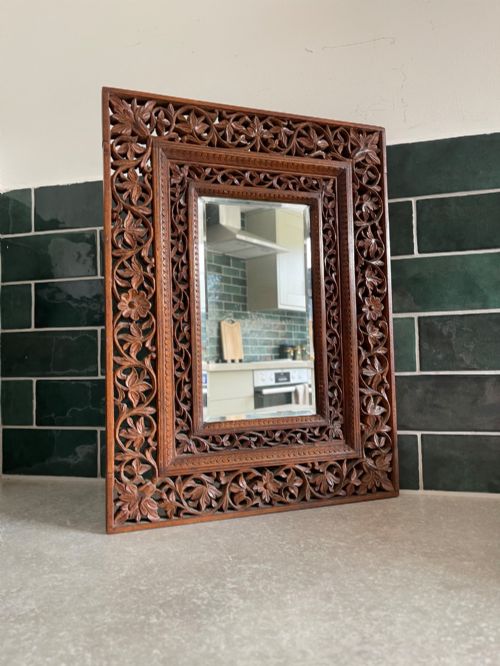
Constructed primarily from timber such as oak, rosewood, and walnut, these items rely on traditional joinery methods. Artisans shaped the wood using hand tools, frequently employing deep relief carving to create elaborate surface patterns.
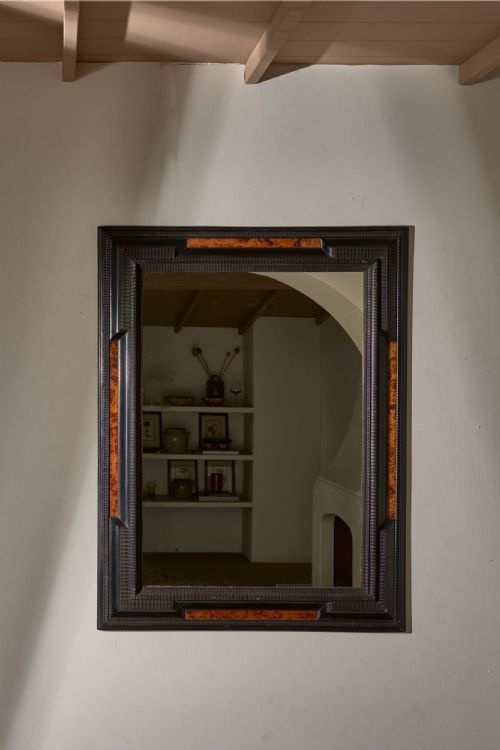
Finishes vary according to period and regional workshop practices, incorporating ebonised treatments, faux tortoiseshell effects, and natural wax polishes. Glass and canvas elements are secured within these wooden housings using period fixings and backing boards.
Listings feature 19th-century items produced in oak, rosewood, and walnut, alongside earlier examples from the 17th and 18th centuries.
What varies in quality
The standard of carving distinguishes superior examples from simpler utilitarian pieces. Crisp detail in foliage, figures, or geometric motifs indicates skilled hand execution rather than mechanical production.
Material selection and structural preservation also determine the calibre of a piece. Stable timber joints and well-maintained original surfaces retain greater integrity than heavily altered or compromised examples.
Augustin Edouart·Christoffel Bisschop·C W Tuck·Cornelis Van Der Voort
The Dark Timber Wall Frame Glossary
- Cushion frame
- A frame profile featuring a rounded, convex section that projects outward from the wall. This style gained popularity during the 17th century and reappeared in later revival periods.
- Ebonised
- Wood treated with a chemical stain or dark pigment to imitate the dense, black appearance of ebony. This finish frequently appears on Victorian and continental frames.
- Overmantle mirror
- A large wall mirror designed specifically to hang above a fireplace mantelpiece. These pieces often feature wide timber borders and substantial proportions.
- Black Forest
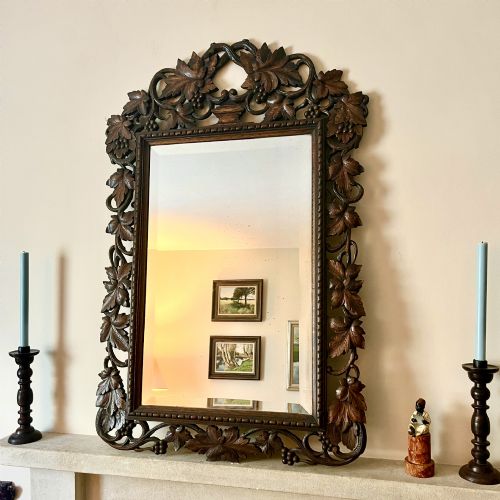
- A style of wood carving originating from the Brienz region of Switzerland, characterised by naturalistic depictions of animals and foliage in deep relief. Such items are typically rendered in dark timber.
- Reverse print on glass
- An image painted or printed directly onto the rear side of a glass panel, viewed through the front. This technique produces a characteristic glossy surface finish.
Dark Timber Wall Frame: Frequently Asked Questions
How do I hang a heavy wooden wall frame safely?
Substantial timber frames require secure fixings anchored directly into wall studs or masonry using appropriate wall plugs and steel screws.
Weight distribution matters, so ensure the hanging wire or integrated mounting brackets are rated to support the heavy load of timber and glass.
How do I clean antique timber frames?
Dust the wood regularly with a dry, soft cloth to prevent particulate buildup within carved recesses. Avoid commercial liquid polishes that can degrade aged wax or varnish finishes.
If cleaning is necessary, use a barely damp cloth followed immediately by a dry one, keeping moisture away from any exposed mirror foil or canvas edges.
How can I tell a Victorian frame from a Georgian one?
Georgian frames often display restrained classical proportions, subtle mouldings, and lighter timber treatments such as inlaid walnut. They tend to reflect the architectural symmetry of the 18th century.
Victorian pieces frequently embrace heavier dimensions, darker ebonised finishes, and more exuberant carved ornamentation influenced by Gothic or Renaissance revival movements.
What is an overmantle mirror used for?
An overmantle mirror hangs above a fireplace to reflect light around a room and create a sense of expanded space. Their wide horizontal formats suit the proportions of traditional chimney breasts.
These pieces often act as the primary decorative focal point within a domestic interior, complementing surrounding woodwork and architectural mouldings.