


Dark Timber Plant Stands
Dark timber plant stands elevate greenery upon mahogany, oak, rosewood and walnut, bringing nineteenth century and Edwardian craftsmanship into domestic interiors.
Dark Timber Plant Stands
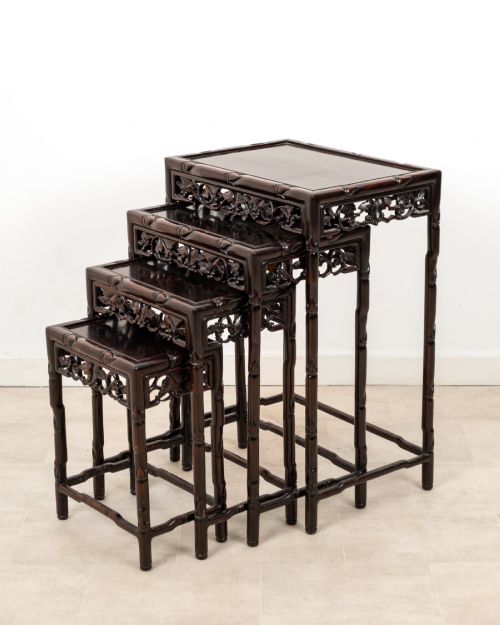
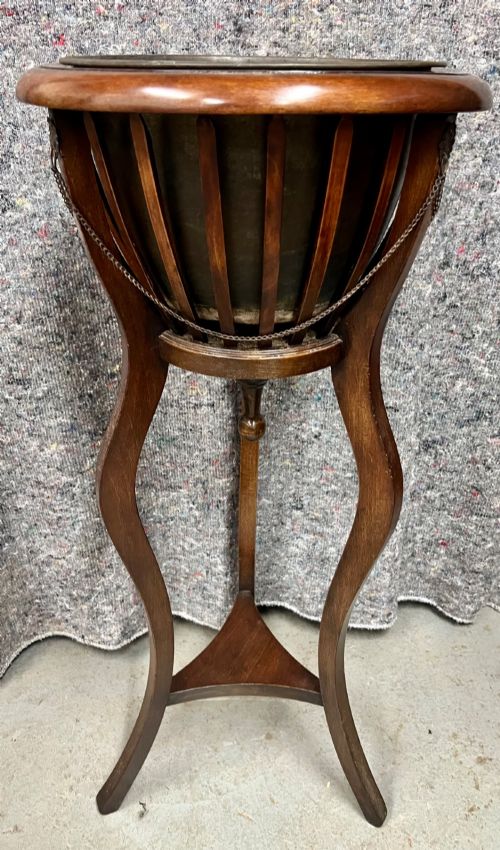
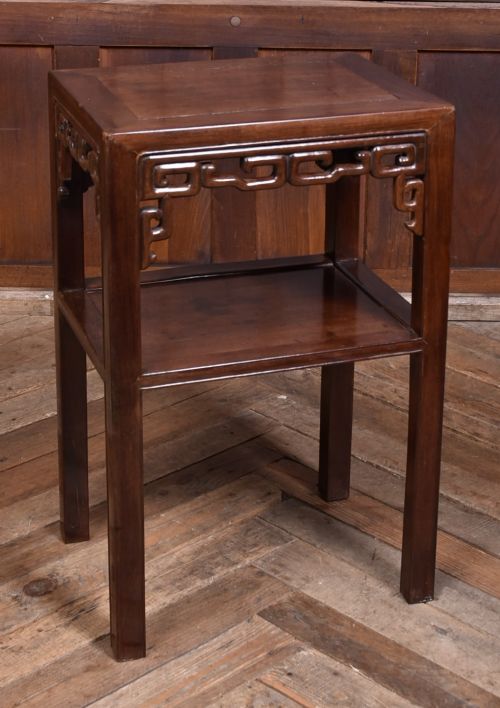
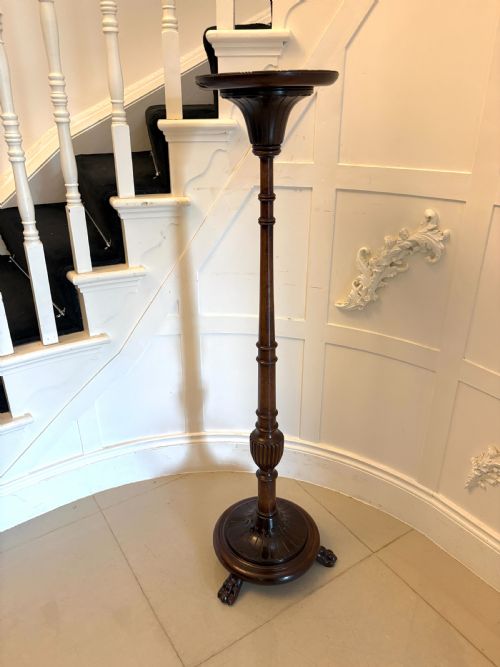
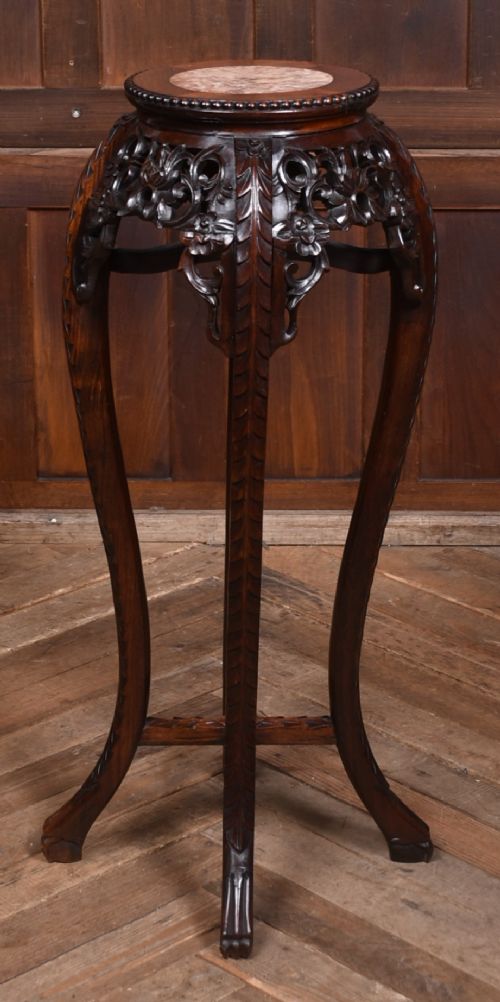
Dark timber plant stands encompass pedestals, torchieres, jardiniere stands and vase tables designed to display foliage, urns and decorative objects within a room. Buyers searching this phrase meet a diverse selection ranging from British Victorian and Edwardian examples to Chinese export pieces and Anglo-Indian designs.
Origins span domestic workshops in Britain alongside international traditions, particularly Chinese Qing dynasty and nineteenth-century export production. These varied geographical sources introduce distinct carving motifs, from classical columns to intricate botanical and animal reliefs.
Materials and construction methods
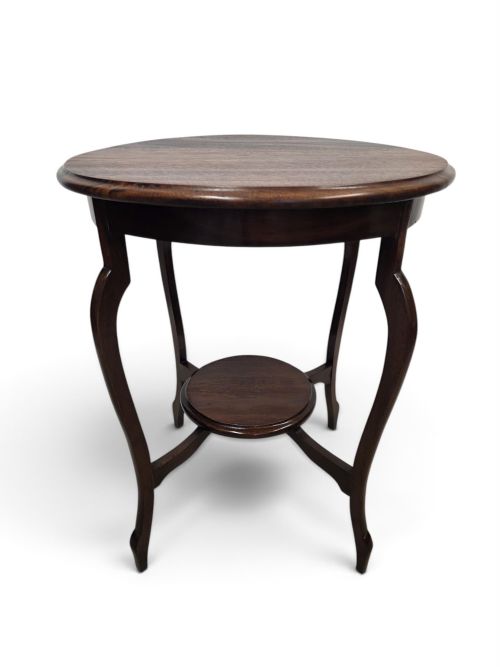
Makers utilised heavy hardwoods such as mahogany, oak, walnut, rosewood and teak to ensure structural stability for supporting weighty planters and stone tops. These dense timbers tolerated deep relief carving, intricate turning on lathes and stable joinery without warping under vertical loads.
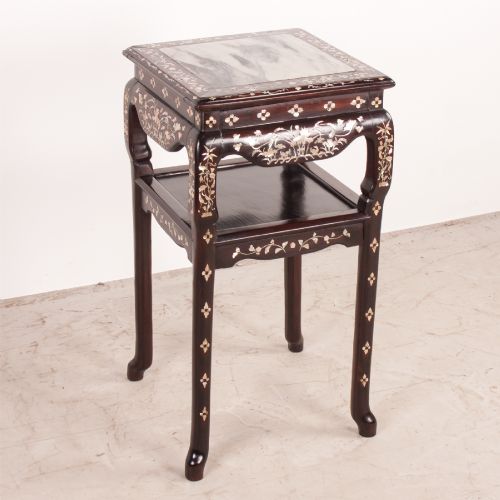
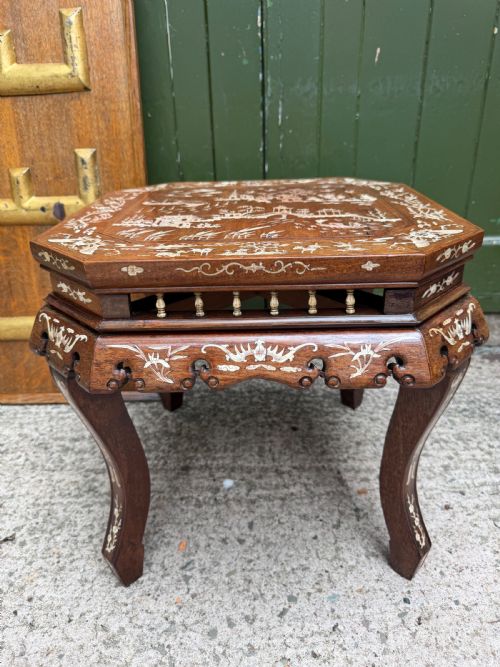
Surface embellishment combined hand carving with specialist inlays, including mother-of-pearl set into hardwood panels and contrasting marble inserts fitted flush into table tops. Timber surfaces received wax or polish finishes that enhanced the natural grain of the wood while protecting against water splashes from potted plants.
Dark Timber Plant Stands Retail Price Guide 2026
Typical asking prices for dark timber plant stands among the pieces listed under this phrase on Sellingantiques today, from the lower quarter to the upper quarter. They describe what is for sale here now, not the wider market.
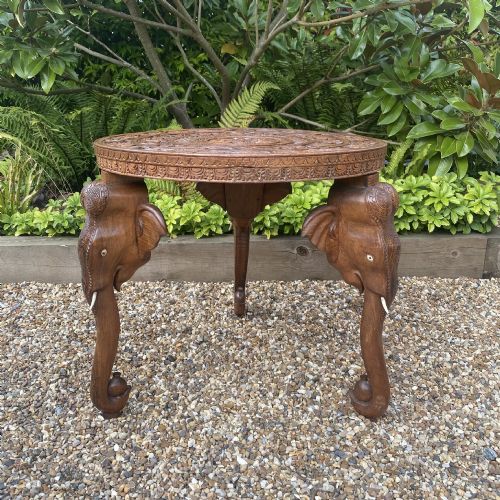
Elephants occasionally double as furniture when an Anglo-Indian table arrives with solid rosewood trunks forming the structural base.
Distinctions in quality and execution
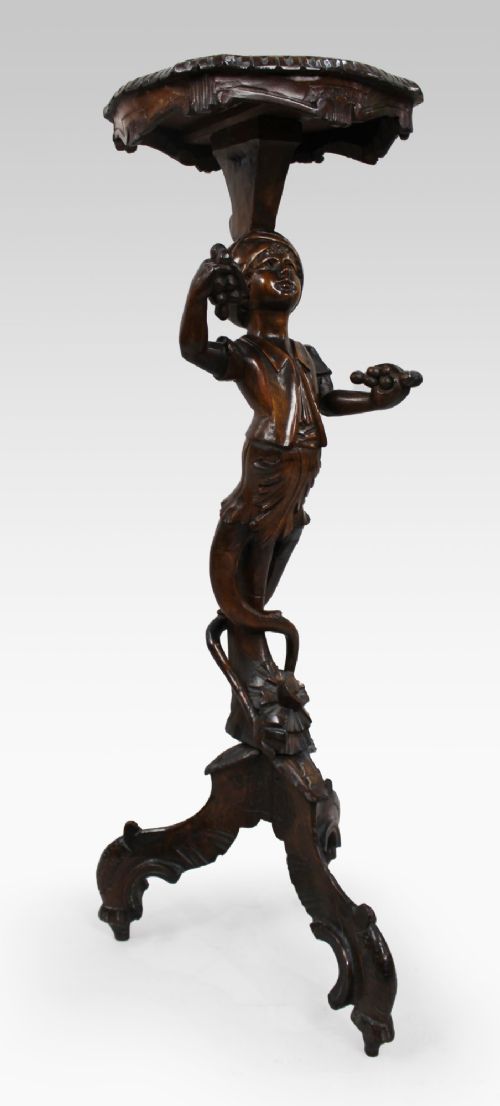
Superior examples demonstrate crisp, deep hand carving where botanical motifs, figural supports or fluted columns retain sharp edges and anatomical definition. Lesser pieces exhibit shallow, mechanised tooling that lacks the tactile depth found in bespoke workshop output.
Structural integrity separates utilitarian supports from fine display pieces, with top-tier stands utilising robust tenon joints and balanced tripod bases that prevent tipping under eccentric loads. The selection of timber also dictates quality, favouring dense, figured hardwoods over stained secondary woods.
Liberty of London
The Dark Timber Plant Stands Glossary
- Torchere
- A tall, slender stand designed specifically to hold a light source or a decorative plant. These elevated supports often feature columnar shafts and tripod bases for stability.
- Jardiniere stand
- A specialised piece of furniture built to hold a large ornamental flower pot or planter. They frequently incorporate waterproof inlays such as marble or tiled surfaces.
- Hongmu
- A traditional Chinese term translating to red wood, used to describe dense, dark tropical hardwoods prized for fine furniture. These timbers accept intricate carving and take a high natural polish.
- Caryatid
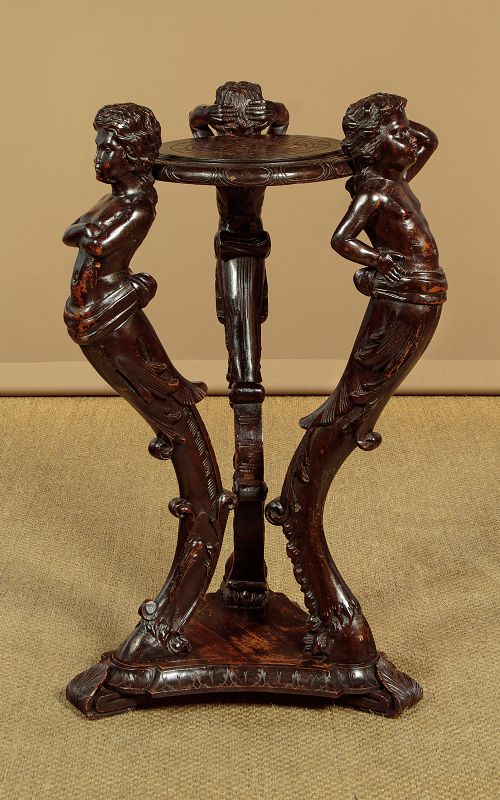
- A sculpted female figure serving as an architectural support taking the place of a column or pillar. In plant stands, these figures form the central stem or pedestal shaft.
- Tripod base
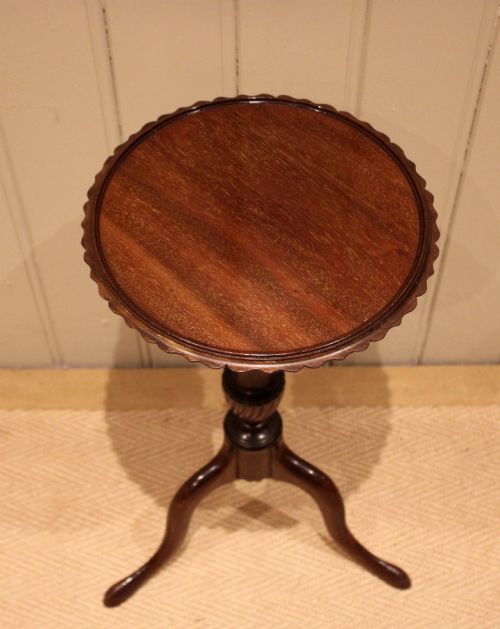
- A three-legged support structure commonly found on nineteenth-century tables and pedestals. This configuration ensures firm contact on uneven floors without rocking.
Dark Timber Plant Stands: Frequently Asked Questions
What is a plant stand?
A plant stand is an elevated piece of furniture designed to hold potted greenery, bringing foliage to eye level and protecting flooring from moisture.
These pieces range from simple tripod tables to ornate carved pedestals and marble-topped vase stands originating from various global traditions.
How do I date a stand?
Dating relies on examining the timber species, joinery techniques, tool marks and stylistic motifs characteristic of periods like the Victorian era or Edwardian years.
Secondary indicators include the presence of hand-cut screws, traditional polish types and the specific wear patterns associated with nineteenth-century workshop production.
Where should I place it?
These stands suit corners, window spaces or hallway perimeters where they display trailing plants, heavy ceramics or bronze sculptures without obstructing walkways.
Because many feature marble tops or treated wood surfaces, they safely accommodate watering without damaging the underlying timber frame.
What woods were used?
Maker workshops predominantly worked with dense hardwoods including mahogany, oak, rosewood, walnut, teak and elm.
Chinese export pieces frequently employ heavy hongmu or indigenous hardwoods, sometimes paired with contrasting marble panels or mother-of-pearl inlay.