

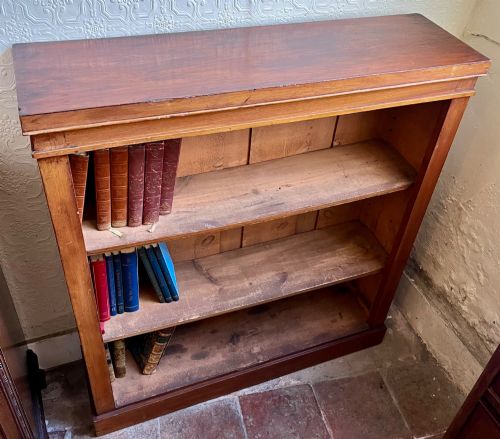
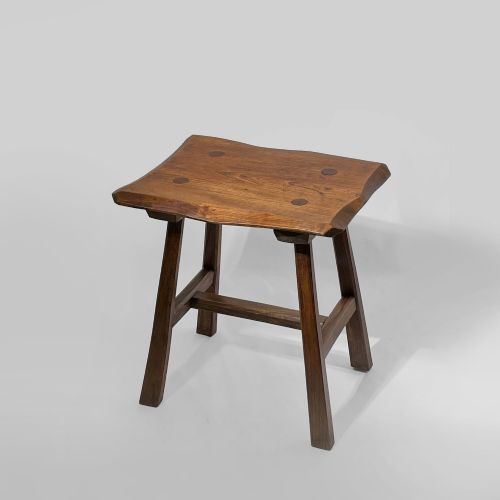


Dark Timber Low Stand
These dark timber low stand examples bring rich grain and compact form to any room, offering practical surface space with understated presence.
Dark Timber Low Stand
A dark timber low stand encompasses a variety of compact furnishings designed to sit close to the floor while providing sturdy display or storage surfaces. When exploring the category, buyers encounter diverse forms ranging from diminutive dwarf bookcases and occasional tables to versatile stools and plant stands. These pieces emerge from periods spanning the nineteenth century through the Edwardian era.
The assortment on this page reflects distinct stylistic traditions, including Victorian country vernacular, Anglo-Indian design, French provincial, and Chinese scholar pieces. Common configurations include open shelving units, round occasional tables, and low scholar stands intended for decorative objects or books. Each item serves a functional role while displaying the rich tones characteristic of older timber furniture.
Originating from workshops across Europe and Asia, these items demonstrate how artisans adapted low proportions for domestic utility and display. The selection balances European domestic vernacular with finely carved imported pieces made from dense exotic woods. Buyers find sturdy rustic forms alongside refined display shelves suitable for intimate interior spaces.
Materials and construction methods
Constructed from a variety of dense woods, these items utilise materials such as mahogany, rosewood, teak, elm, pine, and hongmu. Artisans selected these timbers for their structural stability, deep natural colour, and ability to take fine carved detail or smooth polished finishes.
Joinery techniques range from country vernacular turned wood construction to precise mortise and tenon joints found in Chinese scholar tables and European dwarf bookcases. Surfaces often feature applied wood veneer or hand-carved ornamentation that highlights the natural grain and dark patina of the primary material.
Dark Timber Low Stand Retail Price Guide 2026
Typical asking prices for dark timber low stand among the pieces listed under this phrase on Sellingantiques today, from the lower quarter to the upper quarter. They describe what is for sale here now, not the wider market.
Distinctions in craftsmanship and material selection
Quality in these pieces is evident in the density and choice of timber, distinguishing simple utility items from finely figured rosewood or dense hongmu scholar stands. Finer examples display meticulous hand-carving and balanced proportions that respect the natural limitations and strengths of the wood.
The integrity of the construction, from the turning of legs to the fitting of shelves and table tops, marks the difference between basic vernacular workshop output and superior cabinetmaking. Pieces retaining their original rich surface patina and sound structural joinery represent the higher tier of the range.
The Dark Timber Low Stand Glossary
- Hongmu
- A translation meaning red wood, used to describe dense, dark Asian hardwoods prized for scholar furniture and decorative stands.
- Jardiniere
- A decorative pot or stand designed specifically to hold plants and floral arrangements within interior spaces.
- Vernacular
- Everyday furniture built by local tradesmen following regional traditions rather than high academic design styles.
- Waterfall
- A tiered shelving format where each successive shelf steps back from the one below it.
- Dwarf
- A descriptive term for furniture items built noticeably lower and more compact than standard full-scale cabinet pieces.
Dark Timber Low Stand: Frequently Asked Questions
What is a dark timber low stand used for?
These low pieces function primarily as compact display surfaces for books, vases, plants, or decorative objects within living spaces. Their modest height makes them suitable for placing beside seating or beneath windows.
They also serve effectively as standalone display pieces in narrow hallways or corners where full-sized furniture would overwhelm the floor plan.
How do I identify a Victorian piece?
Nineteenth-century items often display denser timbers, darker patinas, and specific regional construction traits associated with the period. Look for traditional joinery methods and decorative carving styles typical of mid-to-late nineteenth-century workshop production.
Comparing the form and material to documented examples from the era helps confirm the period of origin.
Are these stands suitable for small rooms?
Their compact dimensions and low profile make these furnishings ideal for smaller rooms where floor space is at a premium. They provide functional surface area without blocking light or sightlines across the interior.
Placing a low stand beside a chair or in an alcove adds utility without cluttering the spatial balance of the room.
How should I care for dark wood surfaces?
Maintain the timber by keeping the pieces away from direct heat sources and strong sunlight that can dry out the wood. Regular dusting with a soft, dry cloth preserves the natural finish and patina over time.
Avoid using silicone-based polishes, opting instead for traditional beeswax applied sparingly when the wood appears dry.