


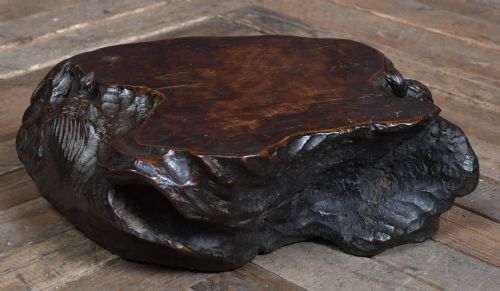


Dark Hardwood Bonsai Stand
These dark hardwood bonsai stand designs elevate natural forms with carved detail, bringing balanced proportion and historic craft to any room.
Dark Hardwood Bonsai Stand
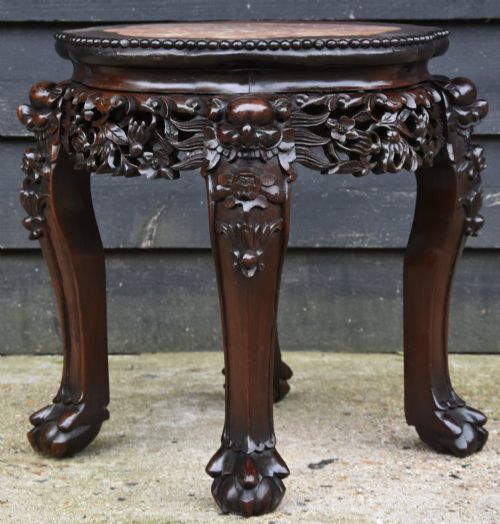
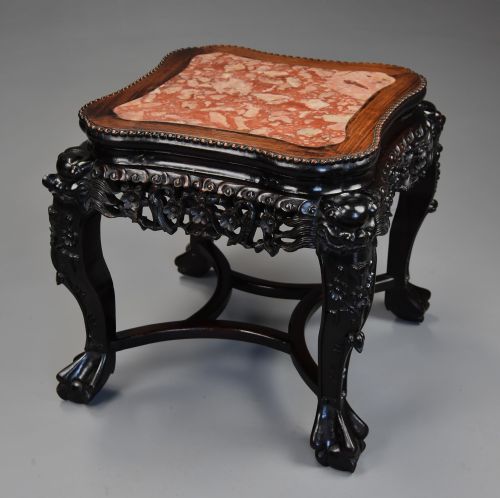
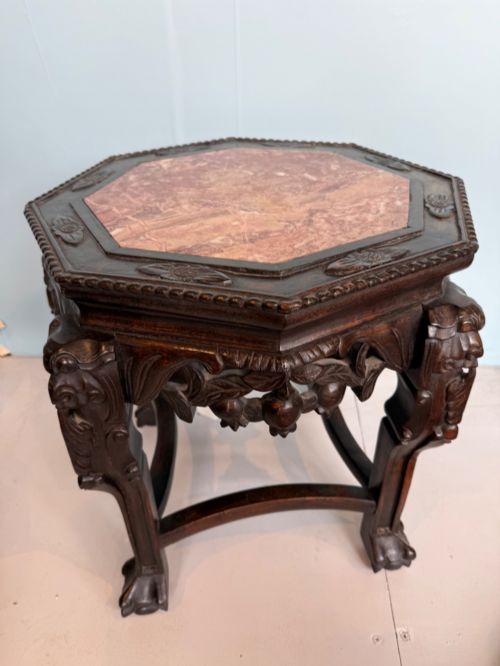
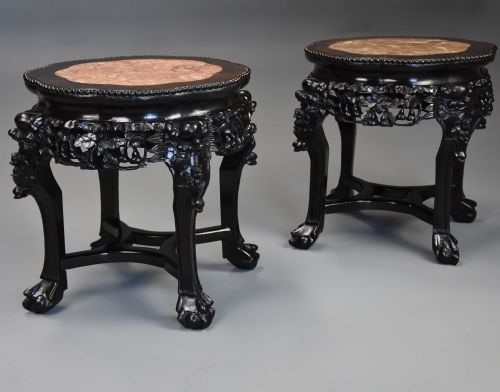
You will most frequently encounter low tables, shaped pot stands and pedestal formats on this page. They date mainly from the nineteenth century, including Victorian periods and the Qing Dynasty, often incorporating inset marble tops or intricate pierced carving.
How they were made
Maker workshops utilised dense exotic timbers including rosewood, hongmu, padouk, huali wood and ebonised wood. These heavy materials allowed artisans to carve deep, crisp relief details without compromising the stability of the load-bearing surface.
Construction techniques combined traditional joinery with hand-carved ornamentation, often integrating smooth rouge marble inset panels into the wooden frames. Surfaces received hand-rubbed finishes that brought out the natural grain and deep tone of the hardwood.
Dark Hardwood Bonsai Stand Retail Price Guide 2026
Typical asking prices for dark hardwood bonsai stand among the pieces listed under this phrase on Sellingantiques today, from the lower quarter to the upper quarter. They describe what is for sale here now, not the wider market.
What varies in quality
Quality rests in the depth and crispness of the hand-carved ornamentation, where superior examples display undercut foliage, animal motifs or geometric patterns with sharp relief. Lesser items rely on shallow stamping or plain surfaces with minimal artisan input.
The choice of timber and the precision of the joinery dictate the longevity and finish of the piece. Dense woods like hongmu and padouk hold finer details and tighter joints than softer substitute timbers.
Liberty of London
The Dark Hardwood Bonsai Stand Glossary
- Hongmu
- A traditional Chinese term for dense, dark hardwoods used in quality furniture and display stands. It translates literally as red wood and encompasses several heavy timber species.
- Padouk
- A durable, heavy tropical hardwood prized for its reddish-brown colour and stability. It accepts intricate hand-carving exceptionally well.
- Jardiniere stand
- A tall or low table specifically constructed to hold plant pots and floral arrangements. These stands often feature water-resistant inset tops like marble.
- Meiji period
- A Japanese era lasting from eighteen sixty-eight to nineteen twelve characterised by opening trade and highly detailed decorative arts. Pieces from this time show exceptional hand-carved imagery.
- Huali wood
- A prized fragrant hardwood species utilised in Chinese scholar's furniture. It exhibits a distinct grain pattern beneath a polished finish.
Dark Hardwood Bonsai Stand: Frequently Asked Questions
What is a dark hardwood bonsai stand used for?
These low tables and display bases elevate potted plants, ceramic vessels and scholar's stones to give them prominence in a room. By raising the object, the stand frames the silhouette and protects delicate surfaces from moisture.
Historically, they formed part of traditional interiors where specific placement signified appreciation for natural forms and fine craftsmanship. Today, they serve equally well as small lamp tables or occasional display surfaces.
How do I identify a Qing Dynasty stand?
Qing Dynasty stands typically exhibit dense dark timbers such as hongmu or padouk combined with traditional Chinese carved motifs. Look for pierced aprons, shaped legs and inset marble panels.
Many examples from this period date to the nineteenth century and reflect the export styles popular during late imperial trade. The weight of the timber and the depth of the carving provide further clues to their origin.
How do I care for antique hardwood furniture?
Maintain these stands by dusting them gently with a dry, soft cloth and keeping them away from direct heat sources and sudden humidity changes. Avoid silicone polishes that can build up over time and dull the natural grain.
Applying a traditional wax occasionally will nourish the dense hardwood and preserve the historic finish. Handle marble inserts with care during moving to prevent shifting in the frame.