



Dark Timber Desk Chair
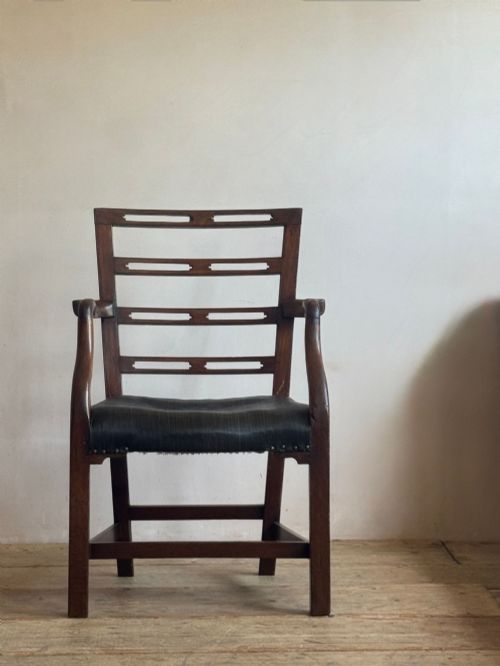
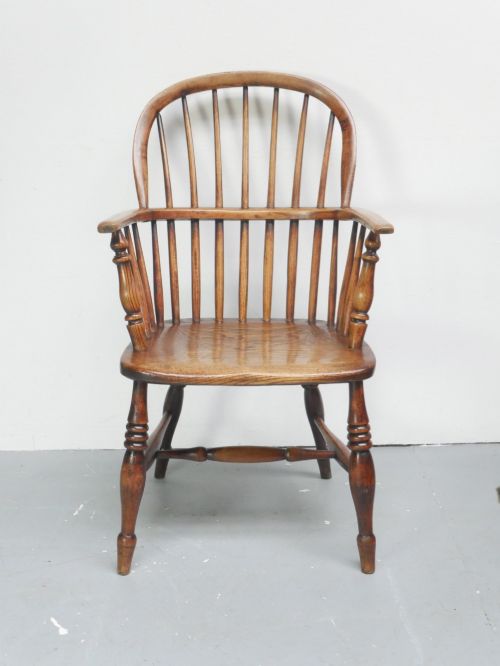
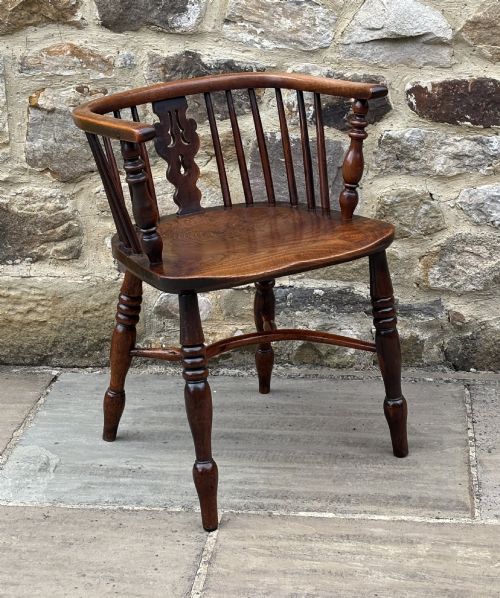
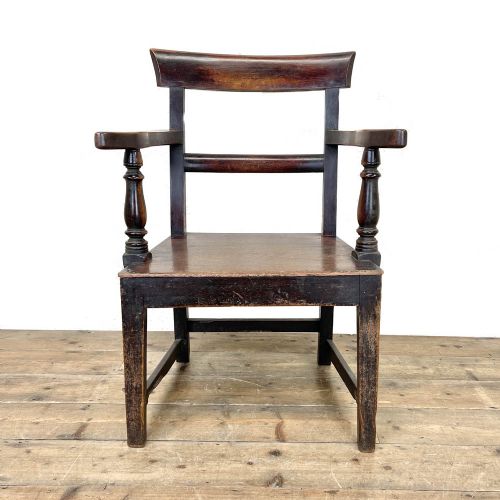
These dark timber desk chair examples offer sturdy seating in mahogany, elm, and oak, built for long hours at the workspace.
Dark Timber Desk Chair
A dark timber desk chair serves as a practical seat for a workspace, combining traditional form with robust construction. When searching for a dark timber desk chair, buyers encounter various historical iterations spanning the 17th century through the Edwardian period, alongside regional forms such as Windsor and provincial styles.
The selection ranges from revolving desk chairs dating to the 19th century to turned beech clerk's stools and carved armchairs. These pieces utilise woods such as mahogany, elm, oak, beech, and padouk, often shaped into armchairs, side chairs, and corner chairs.
Construction and materials
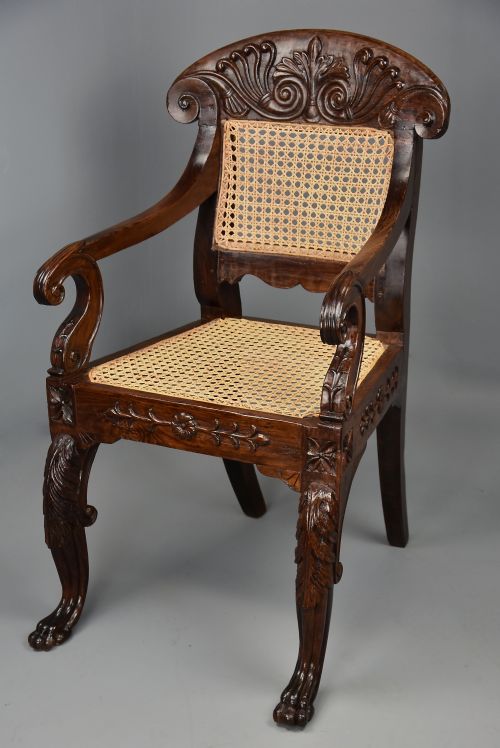
Carpenters built these chairs using solid dark timbers like mahogany, elm, oak, and padouk, frequently employing turned spindles, ladder-backs, and carved details. Joinery techniques varied from traditional pegging in earlier 17th-century pieces to robust framing in Victorian and Edwardian examples.
A solitary clerk's stool stands ready to support endless hours of ledger entries with its humble turned beech legs.
Assessing quality in dark timber seating
Quality in a dark timber desk chair rests upon the selection of timber, the crispness of any carved or turned ornamentation, and the structural integrity of the frame. Denser hardwoods like mahogany and padouk offer greater durability compared to softer or more utilitarian woods.
The Dark Timber Desk Chair Glossary
- Padouk
- A dense tropical hardwood displaying a rich red-brown or dark coloration, utilised in carved chairs originating from Anglo-Indian, Burmese, and Ceylonese workshops.
- Carver chair
- An armchair, typically heavier and more decorative than surrounding dining or side chairs, often positioned at the head of a table or used at a desk.
- Corner chair
- A chair designed to fit into the corner of a room, featuring a diagonal seat plan and a continuous curved armrest supported by multiple turned posts.
- Clerk's stool
- A tall, utilitarian seating form raised on turned legs, designed for working at a high standing desk or sloping ledger desk.
Dark Timber Desk Chair: Frequently Asked Questions
How do I identify a 19th century desk chair?
Nineteenth-century desk chairs often incorporate revolving mechanisms, turned beech framing, or solid mahogany structures reflecting Victorian or Regency influences.
Examine the construction methods and timber grain to determine the age and probable regional origin of the piece.
What woods were used for antique desk chairs?
Commonly utilised timbers include mahogany, elm, oak, beech, and padouk. Each wood offers distinct weight, grain patterns, and colouration depending on the period and style.
Hardwoods like mahogany and oak provided strength for heavy daily office use.
Are Windsor chairs suitable for a desk?
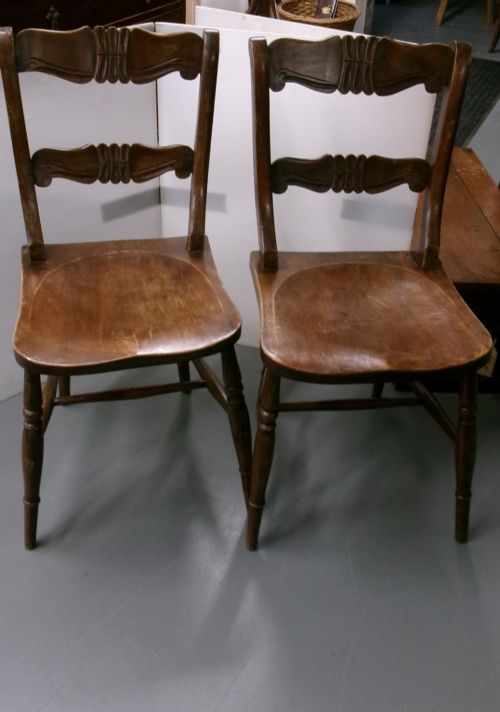
Windsor chairs provide ergonomic wooden seats and supportive spindle backs, making them a traditional choice for writing tasks. Their sturdy elm or yew construction ensures lasting stability.
Many provincial and Scottish examples offer comfortable proportions for modern workspaces.