
Dark Timber Bench
A dark timber bench brings substantial history and practical seating into a room, spanning centuries of craftsmanship from country houses to workshops.
Dark Timber Bench
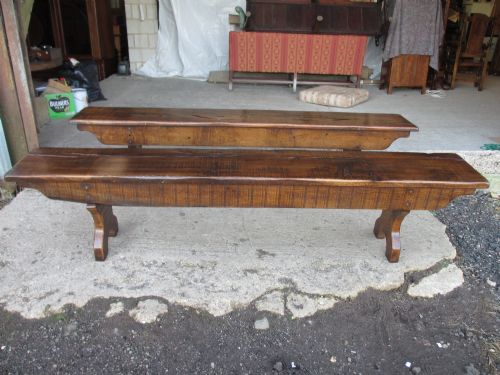
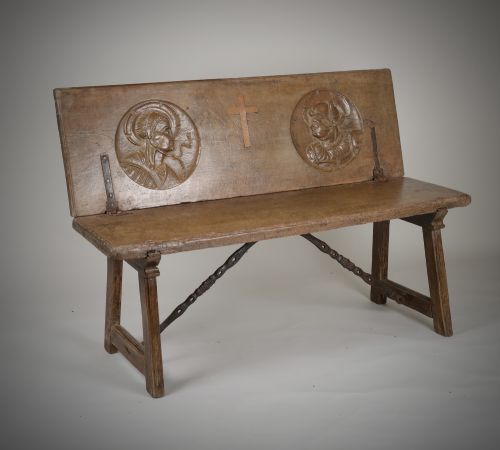
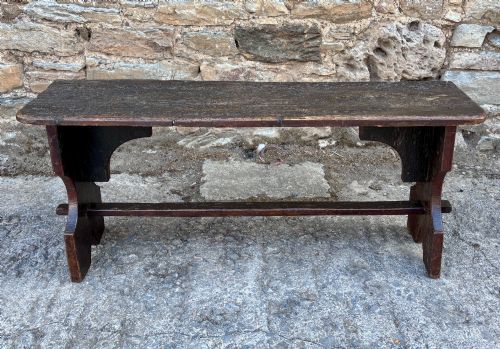
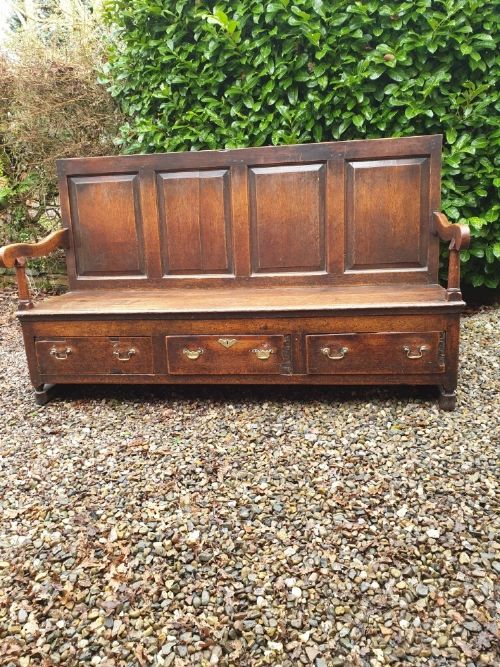
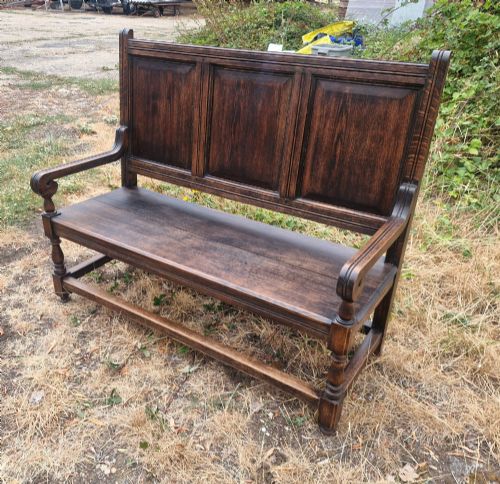
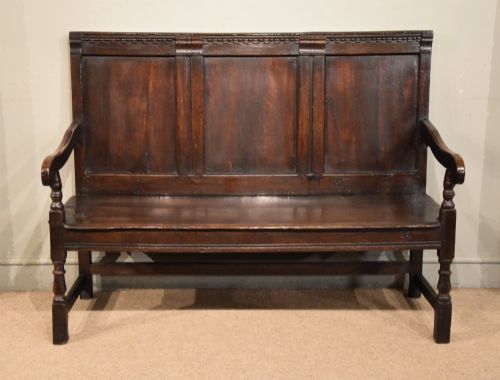
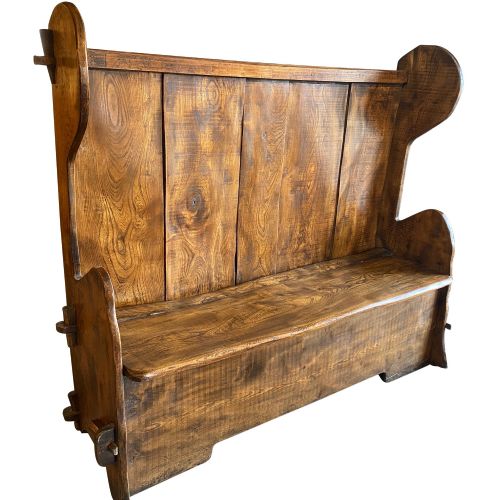
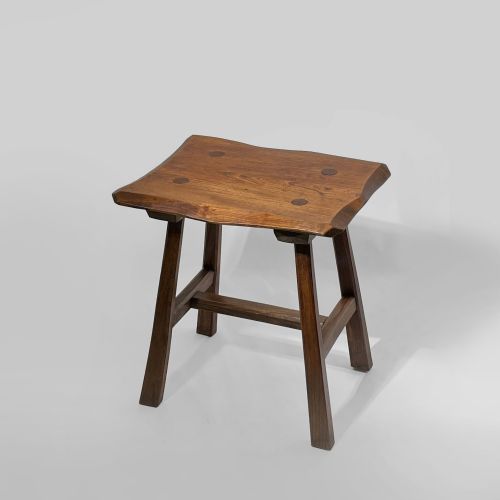
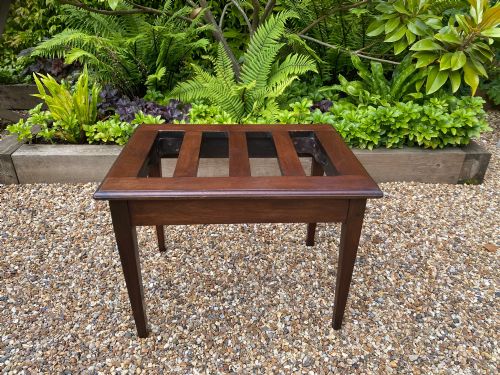
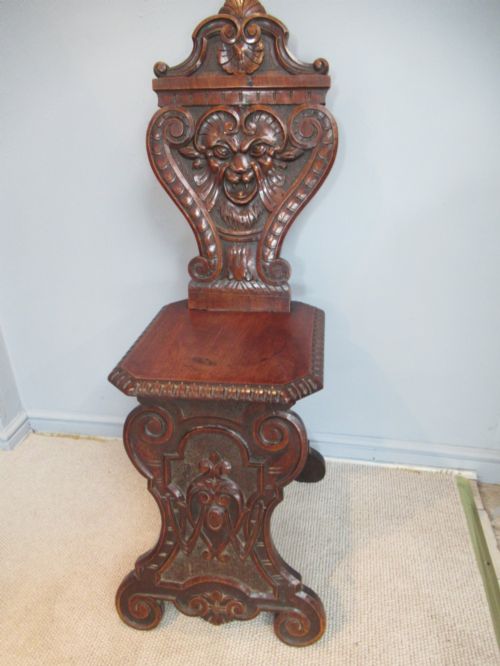
A dark timber bench encompasses a broad variety of historic seating forms, from high-back settles to simple trestle designs. Buyers searching for a dark timber bench encounter heavy oak hall seats, elm box settles with storage, and rustic garden pieces alongside utilitarian craft workbenches.
The material palette is dominated by solid timbers such as oak, elm, mahogany, and assorted hardwoods, often paired with iron or cast iron details. These pieces originate from diverse periods including the 16th, 18th, and 19th centuries, reflecting vernacular European traditions and global workshop designs.
Materials and Technique
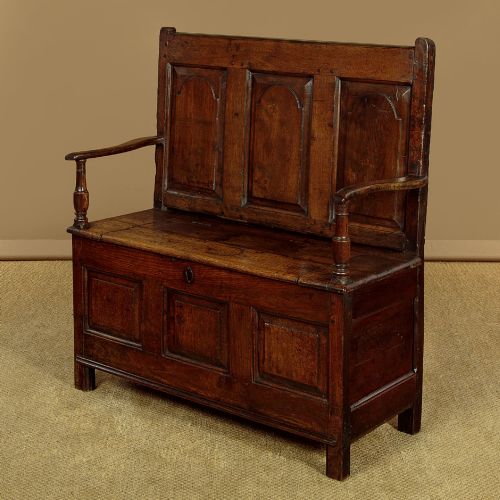
Construction relies heavily on durable timbers like oak and elm, shaped into robust boards and joined with traditional methods suited to heavy daily use. Many examples incorporate box compartments, lift-up lids, and shaped trestle ends that demonstrate straightforward domestic utility.
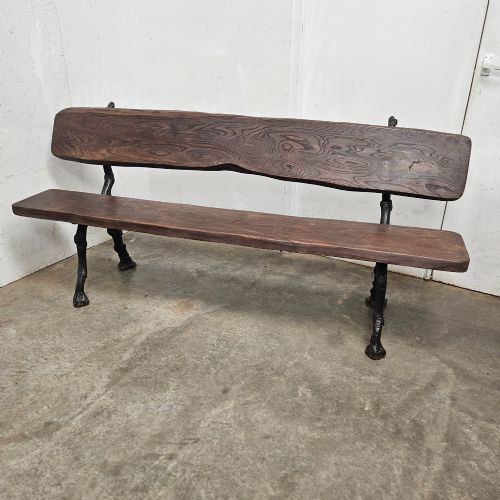
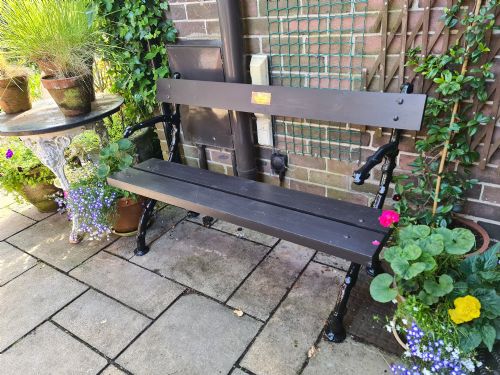
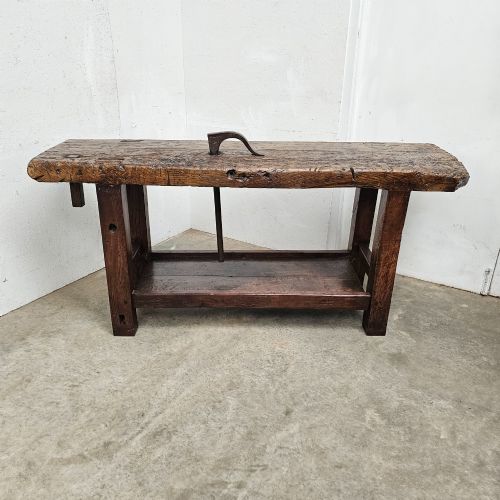
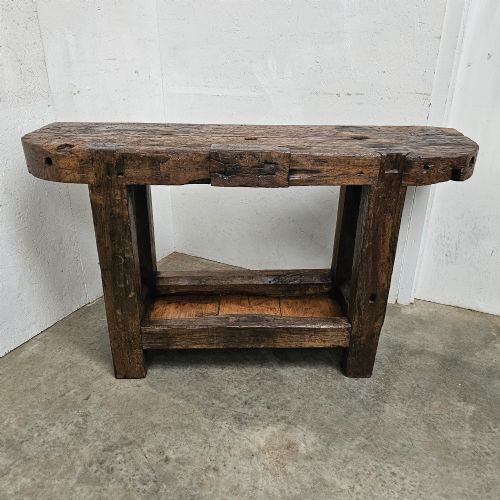
Industrial or garden variants integrate cast iron and wrought iron elements alongside timber planks, while workbenches add functional clamping bars and substantial vices. The surfaces show the marks of hand tools, adzes, and centuries of wear without relying on excessive decorative flourishes.
One French oak workbench stretches to an impressive eight and a half feet long.
Gradations in Quality
Quality rests upon the integrity of the timber, the weight of the construction, and the preservation of original patination. Early examples with integrated box storage or high panelled backs demonstrate greater joinery complexity than simple boarded forms.
The balance between utilitarian purpose and refined proportion dictates the distinction between standard workshop furniture and grand country house pieces. Original surface texture and uncompromised structural solidity separate ordinary utilitarian items from superior historic survivals.
The Dark Timber Bench Glossary
- Settle
- A wooden bench with a high back, solid arms, and frequently a box seat for storage. These items provided shelter from drafts in large historic halls.
- Trestle
- A structural support consisting of a horizontal beam fixed to two splayed legs. This method underpins many traditional tables and long benches.
- Box Settle
- A bench featuring an enclosed compartment beneath the seat accessed via a lift-up lid. It combines seating with domestic storage.
- Faux Bois
- An artistic imitation of wood grain executed in concrete, iron, or other materials. This technique appears often on 19th-century garden seating.
- Vernacular
- Architecture and furniture created by local artisans using regional materials for everyday use. These pieces prioritize function over academic stylistic rules.
Dark Timber Bench: Frequently Asked Questions
Where were settles used?
Historic settles stood near hearths in country houses and taverns to block cold drafts. Their high wooden backs and enclosed lower compartments kept occupants warm.
Over time, these versatile pieces moved into hallways and kitchens to store household items while offering robust seating.
How do I care for antique timber?
Keep wooden benches away from direct heat sources and drastic humidity changes to prevent the material from splitting. Natural wax applied sparingly maintains the dry sheen of historic surfaces.
Avoid modern chemical polishes that can soften the original patina built up over centuries of use.
Are workbenches used as seating?
Historic workbenches were constructed for manual trades with thick timber tops and integrated vices rather than domestic sitting. However, their substantial length and weathered character make them popular as console tables or low benches in modern rooms.
French craft variants often retain original clamping bars and tool wells.