



Dark Rosewood Bookshelf
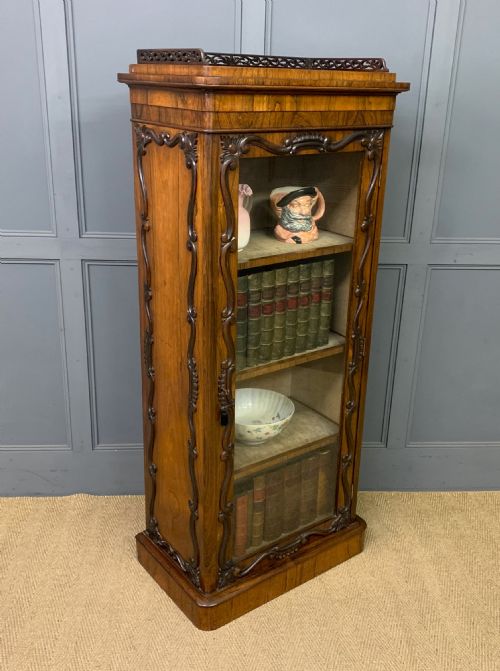
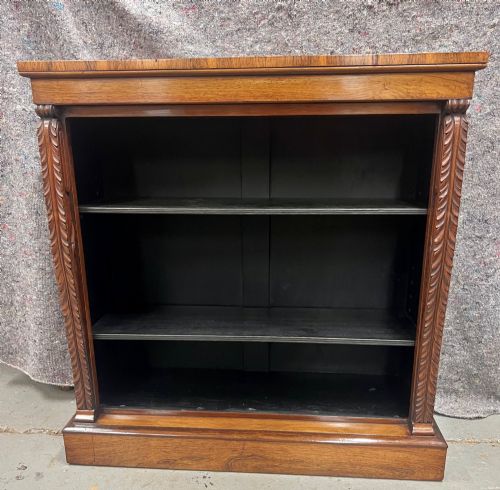
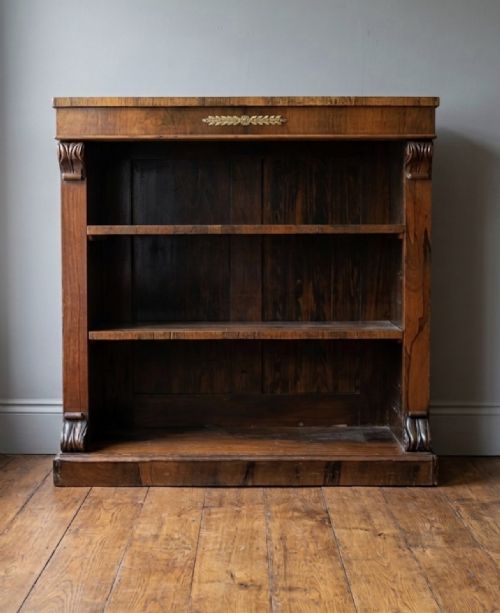
A dark rosewood bookshelf offers a rich, dense timber surface to hold volumes while bringing deep reddish-brown tones into a room.
Dark Rosewood Bookshelf
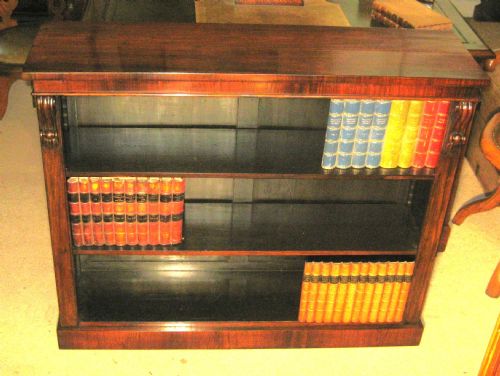
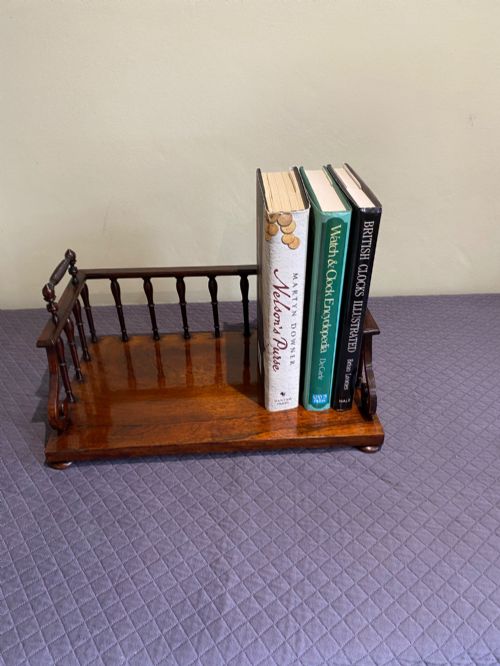
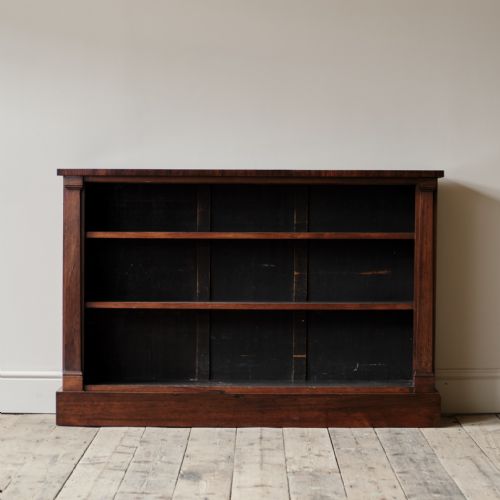
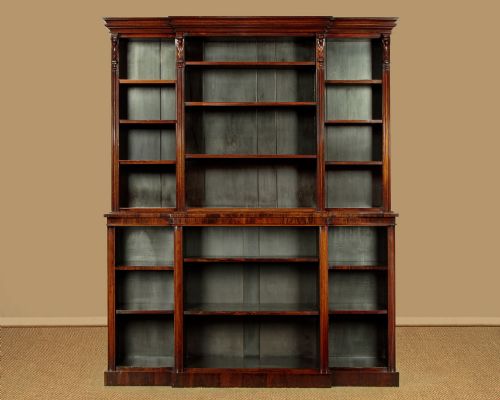
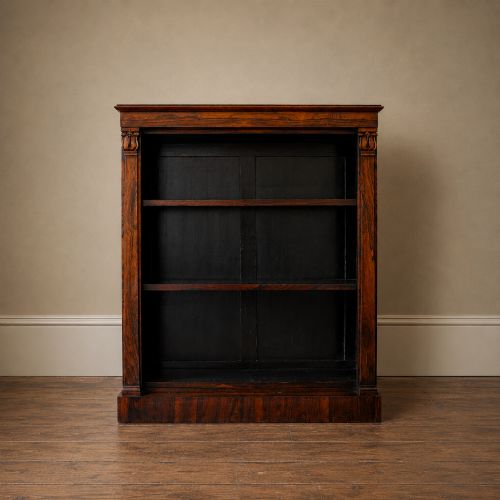
A dark rosewood bookshelf typically takes the form of an open bookcase, a tiered whatnot, or a wall-hung shelf designed to display and store books. These pieces emerge predominantly from nineteenth-century periods such as the Regency, Victorian, and Edwardian eras, spanning years from around eighteen-twenty up to the early twentieth century.
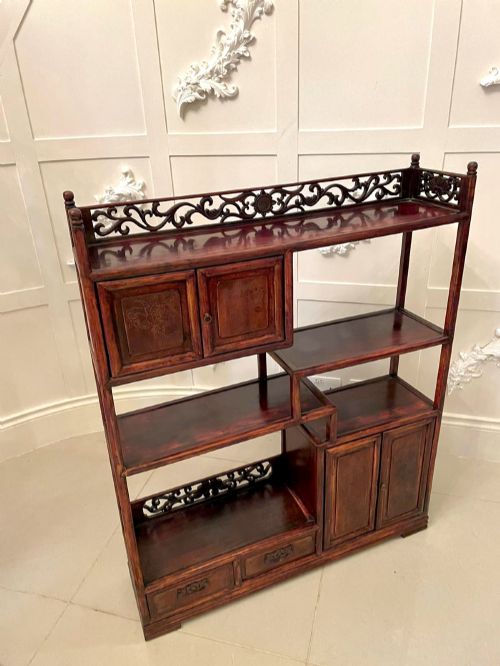
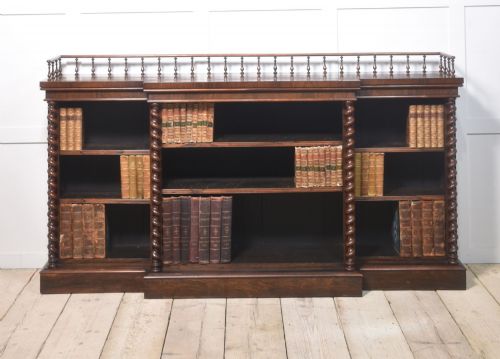
The version most commonly met on this page is the nineteenth-century open bookcase, frequently constructed with adjustable shelves and standing low to the ground. Alongside these, buyers encounter specialised storage forms including breakfront low bookcases, wall shelves, and multi-tiered etageres.
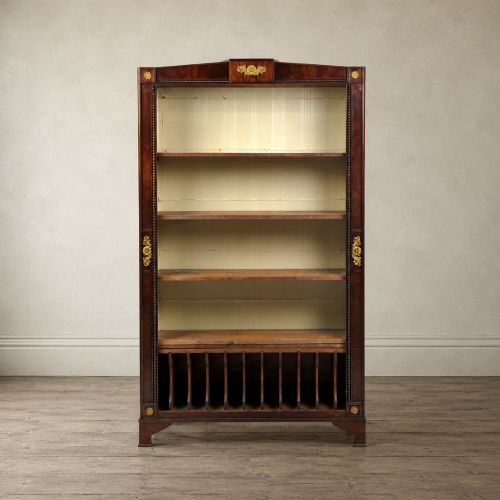
Origin influences form significantly, with English Regency and Victorian workshops producing architectural proportions, while French Empire and Chinese Qing styles introduce distinct regional carving and silhouette variations. Occasionally, makers utilise simulated paint finishes on timber or pair rosewood veneer with patinated marble tops.
Distinctions in construction and design
Quality separates pieces through the crispness of architectural mouldings, the selection and matching of timber veneers, and the sophistication of carved details like corbels. Finer examples show careful attention to internal mechanics, such as functional adjustable shelf ratchets.
Proportion and scale dictate the visual weight of the piece, with superior specimens maintaining balanced lines across breakfront or double-sided formats. The integration of secondary materials like marble tops or brass inlay reflects higher workshop ambition.
Materials recorded across the inventory include solid rosewood, rosewood veneer, brass, marble, glass, and painted wood.
James Winter·Samson and Son
The Dark Rosewood Bookshelf Glossary
- Breakfront
- A cabinet or bookcase whose central section projects forward from the flanking sides. This architectural arrangement creates depth and visual rhythm in larger room settings.
- Etagere
- A set of open shelves for displaying small objects or books, typically with multiple tiers supported by slender uprights. Originating in France, these pieces function well in drawing rooms.
- Whatnot
- A piece of furniture consisting of a series of open shelves supported by pillars, used for displaying ornaments or books. Victorian versions often feature delicate turning and fretwork.
- Waterfall bookcase
- A set of graduated open shelves where each tier steps back from the one below it, resembling a cascading waterfall. This style gains popularity during the Regency and Edwardian periods.
- Corbel
- A structural bracket projecting from a wall or upright to support a shelf or super-structure. Carved wooden versions often add decorative emphasis to nineteenth-century bookcases.
Dark Rosewood Bookshelf: Frequently Asked Questions
How do I style a dark rosewood bookshelf?
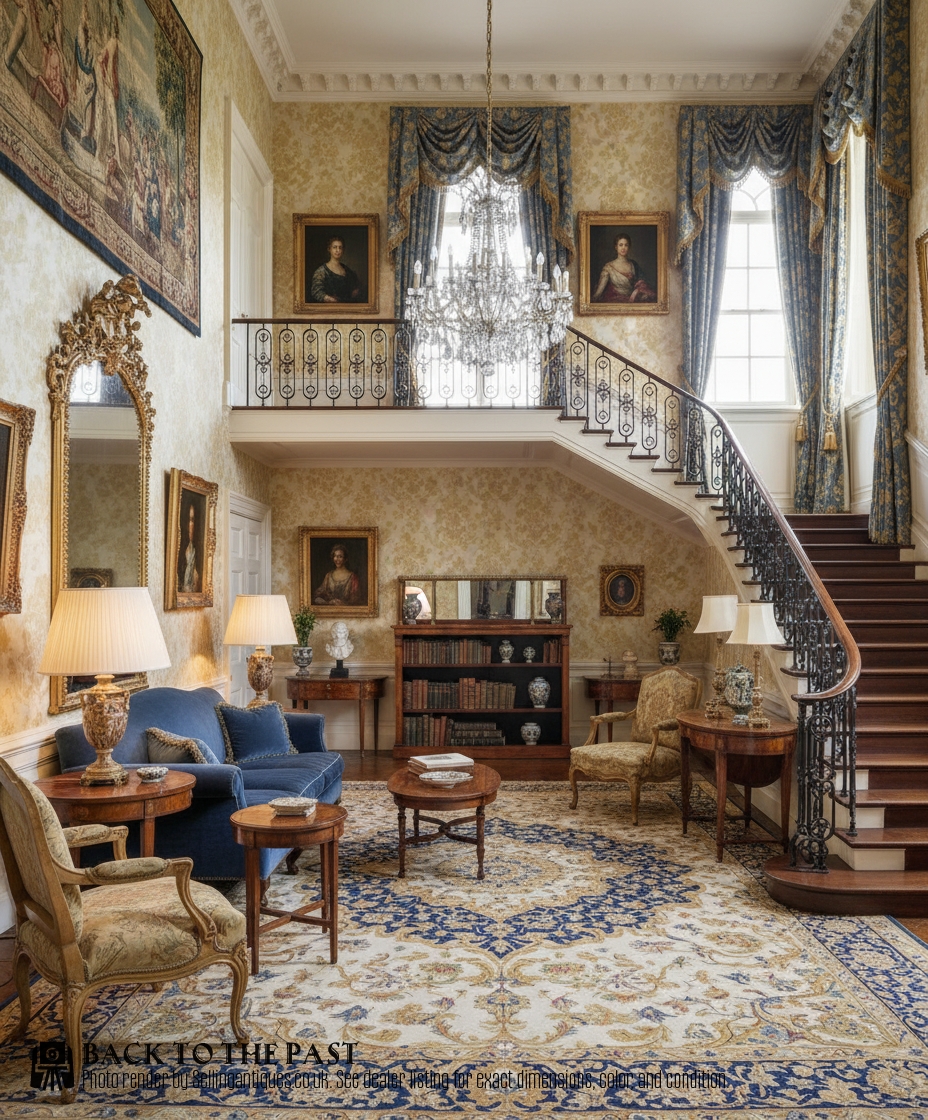
Pair the deep reddish-brown timber tones with neutral walls to let the dark grain stand out as a focal point in the room. Mix upright book rows with decorative objects on open shelves to balance the visual weight.
Ensure adequate natural light reaches the piece so the dense rosewood finish does not appear heavy in smaller or darker spaces.
Are shelves usually adjustable on these bookcases?
Many nineteenth-century open bookcases feature adjustable shelving systems, allowing you to alter shelf heights for varying book sizes. Cabinetmakers achieved this using wooden ratchets or brass track mechanisms.
Fixed shelves also appear frequently, particularly in smaller etageres, wall shelves, and specialised display cabinets where structural rigidity takes priority.
How do I identify a Regency period rosewood bookcase?
Regency pieces often display classical architectural influences, featuring clean lines, restrained brass inlay, and balanced proportions dating from the early nineteenth century. Cabinetmakers during this era favoured dark rosewood for its refined grain and deep colour.
Look for low profiles, breakfront configurations, and precise joinery that distinguish Regency output from later Victorian interpretations.