
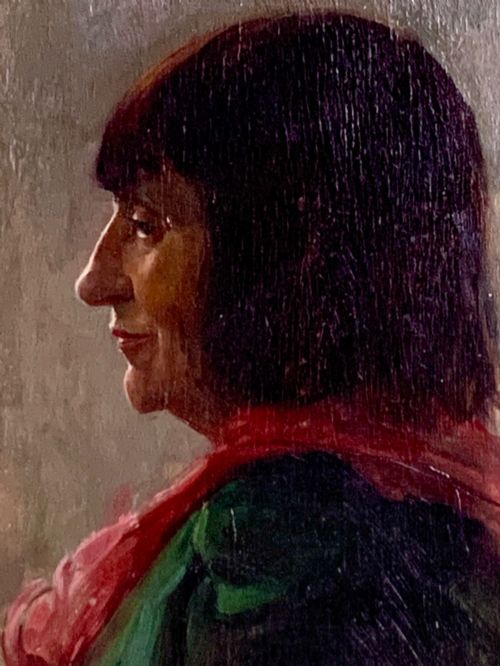


Dark Red Portrait Painting
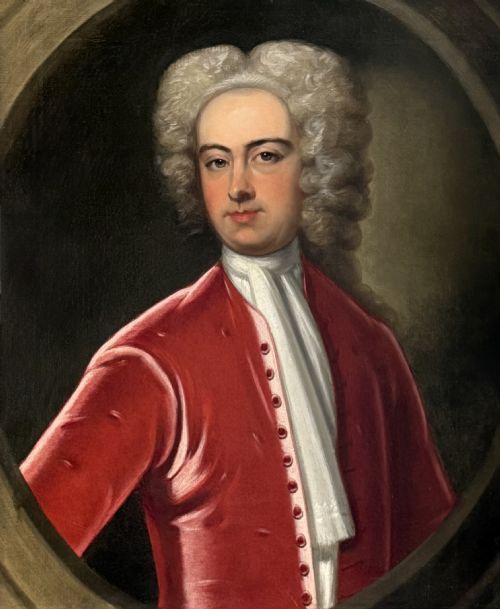
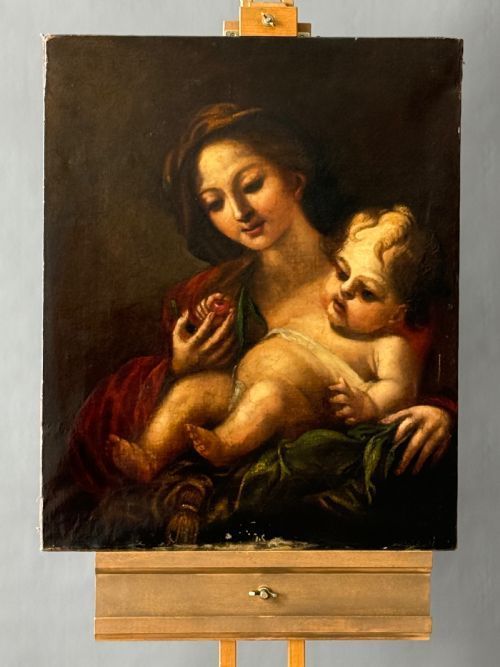
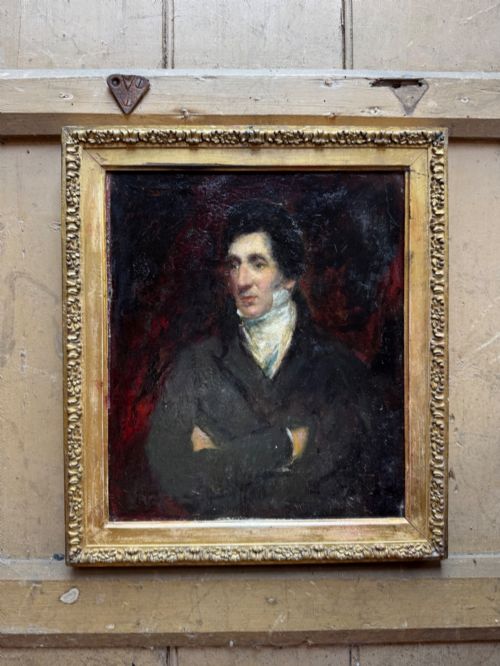
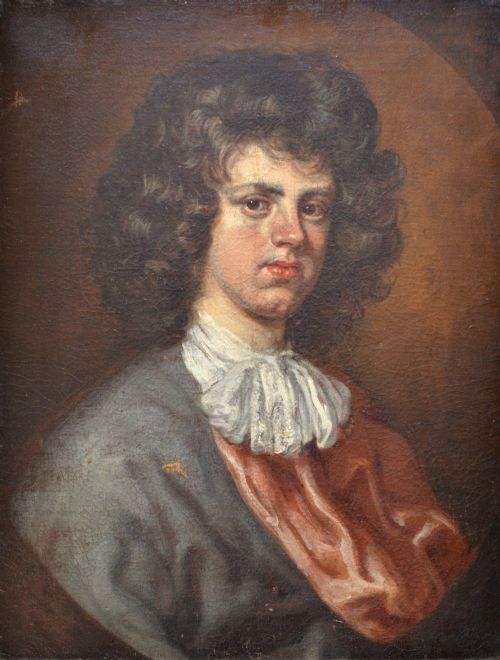
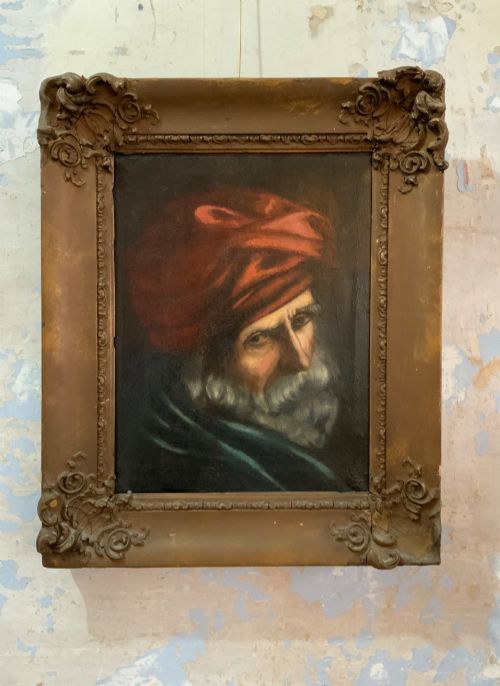
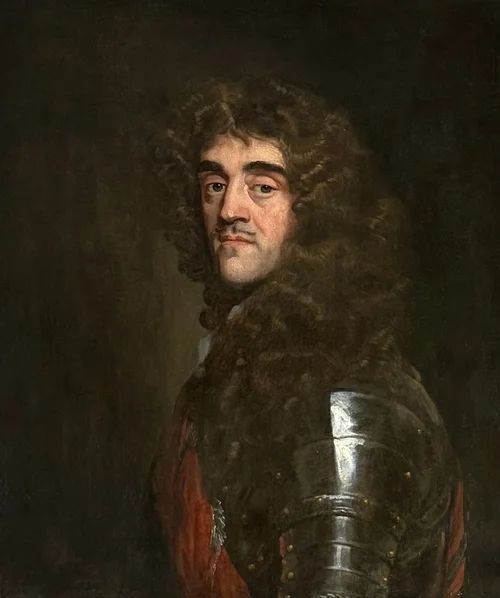
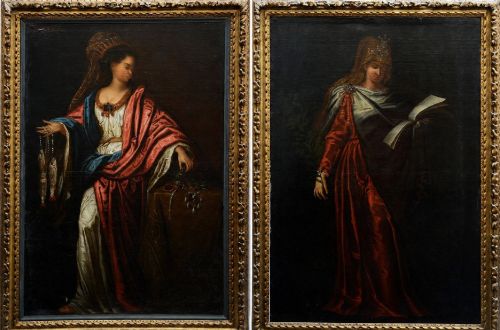
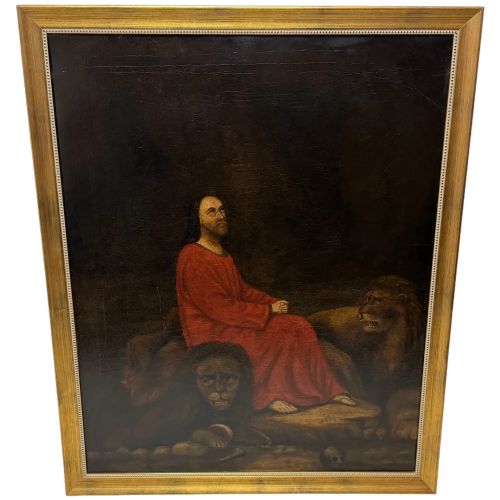
These dark red portrait painting examples bring together centuries of figurative work united by rich carmine and crimson tones.
Dark Red Portrait Painting
A dark red portrait painting captures human subjects set against deep crimson backgrounds or draped in russet garments. These works span the seventeenth century through to the early twentieth century, incorporating British, European and Oriental schools.
Most pieces on this page originate from the nineteenth and seventeenth centuries, taking the form of oil on canvas or wood panel. Subjects range from named gentlemen in armour to anonymous women wearing scarlet scarves and shawls.
Judgement of quality
The precision of brushwork in the subject's expression and clothing distinguishes standard decorative pieces from fine academic or circle portraits. Provenance and attribution to established schools or followers further elevate the standing of a canvas.
A solitary glass painting captures a quiet moment between a Japanese beauty and her cat.
Pierre Mignard·Mary Beale·John Greenhill·Thomas Hill·Takabatake Kasho·C.E. Howson·Henry William Pickersgill·Ralph Hedley·John Raphael Smith·Sir Thomas Lawrence·John Irvine·Frank Thomas Copnall·George Clint·John Jackson
The Dark Red Portrait Painting Glossary
- Oil on canvas
- Pigment mixed with drying oil applied to a woven fabric support. This combination provides flexibility and durability for large figurative compositions.
- Wood panel
- A rigid wooden support used primarily for earlier paintings before canvas became dominant. Artists valued its smooth surface for capturing fine details.
- Giltwood
- Timber carved and coated with gold leaf or gold paint. Frames made this way often accompany period oil paintings to complement the darker tones.
- Circle of
- A designation indicating the artist worked closely with a master and shared their specific style. It denotes proximity to a known hand without claiming a direct autograph signature.
Dark Red Portrait Painting: Frequently Asked Questions
What periods do these paintings cover?
The selection spans from the seventeenth century through the Georgian and Victorian eras up to the early twentieth century. Most pieces reflect traditional British and European portraiture.
Earlier examples often feature named gentlemen and religious figures, while later nineteenth-century works include domestic studies and military officers.
How should I hang an oil painting?
Oil paintings require stable indoor environments away from direct sunlight and excessive humidity. Proper picture wire and wall fixings suited to the weight of the giltwood frame are essential.
Keep canvases away from direct heat sources to prevent the wood panel or canvas from warping and the oil paint from cracking over time.
What is a portrait miniature?
A portrait miniature is a small-scale painting executed with immense precision, often intended to be carried or worn. These intimate pieces capture likenesses on a delicate scale.
They emerged from older traditions of manuscript illumination and share similar attention to fine detail and rich colour palettes.
How do I identify the school of a painting?
Attributions rely upon brush technique, subject matter, and stylistic comparisons with documented works from specific periods. Terms like follower or circle indicate an artist working in the manner of a recognised master.
Examining the canvas preparation and framing can also offer clues regarding the regional origin and date of execution.