


Dark Oil Painting Landscape
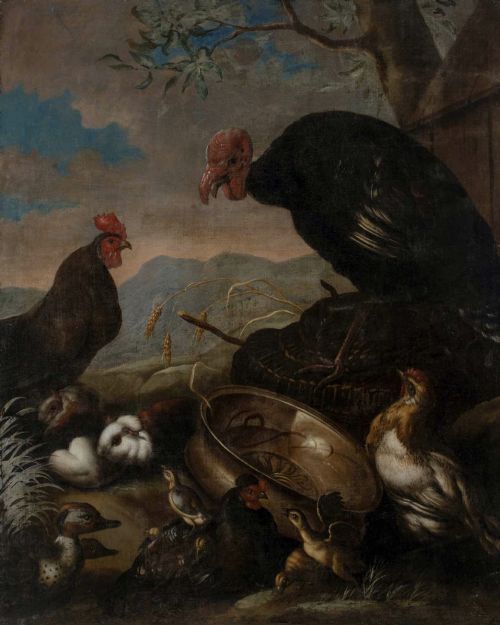
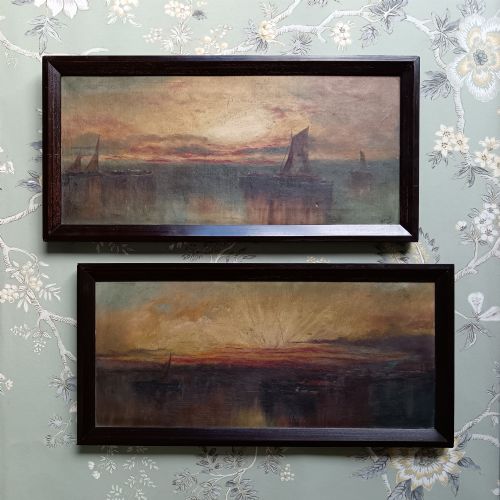
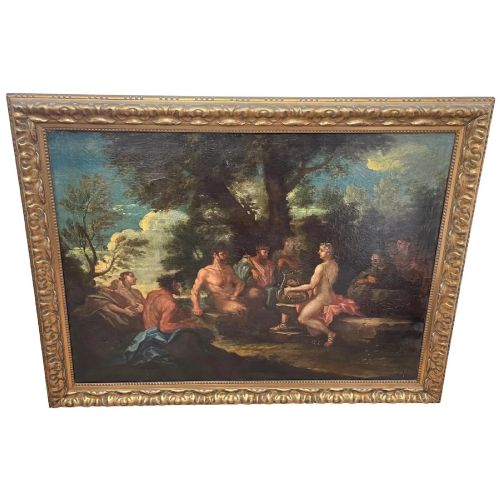
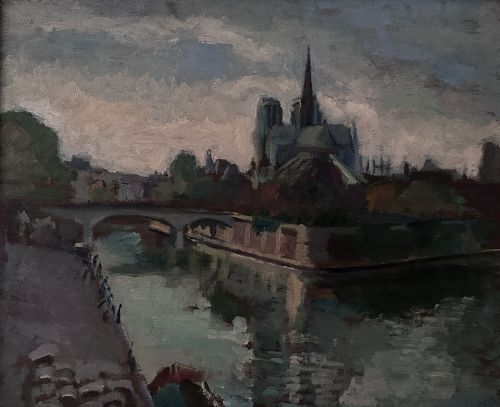
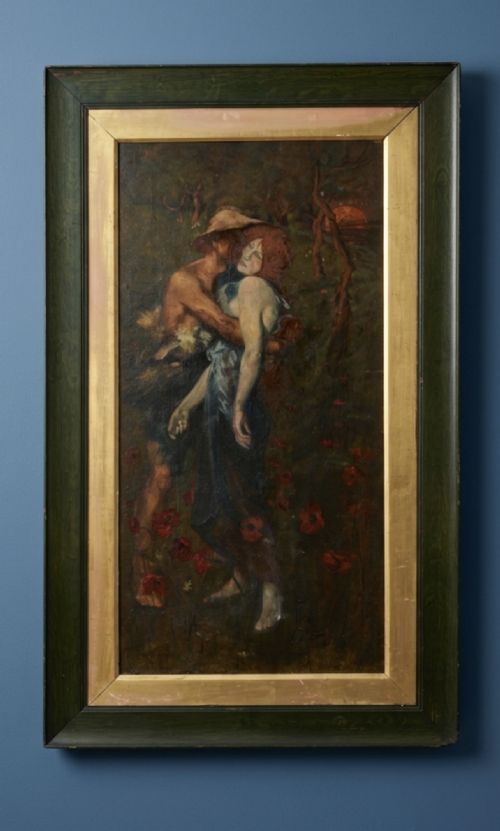
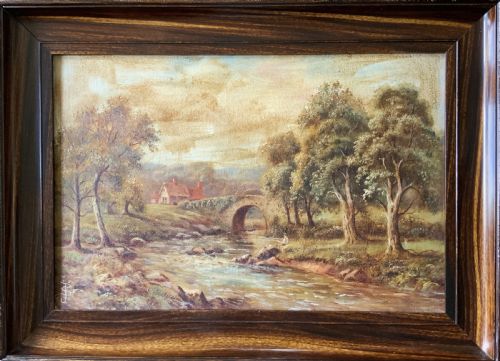
When you search for dark oil painting landscape, you are looking at atmospheric historical works executed in oil on canvas or wood, prized for their moody tonality and depth.
Dark Oil Painting Landscape
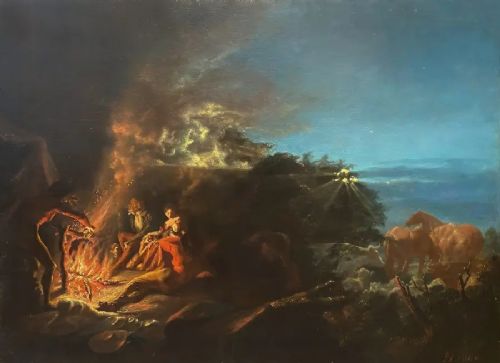
A dark oil painting landscape captures rural, coastal, or mountainous terrain through subdued palettes, heavy shadows, and dramatic light effects. When you examine this selection, you find works spanning from the seventeenth century through to the mid-twentieth century, encompassing British and continental schools.
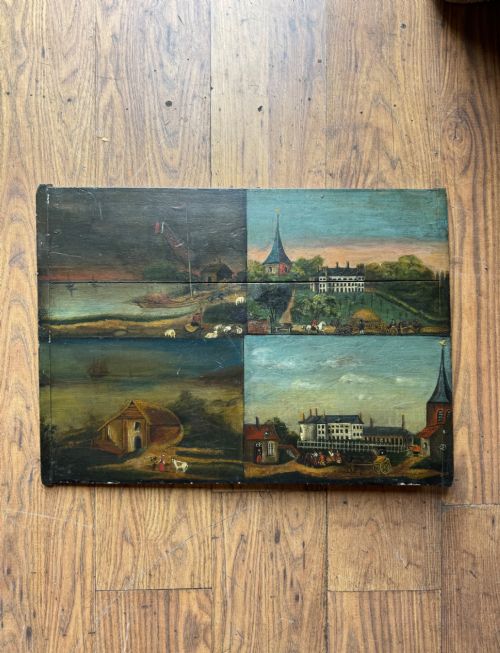
The most common formats you meet here are framed works on canvas and wood panel, depicting moonlit scenes, woodland settings, and stormy coastal views. These pieces range from provincial naive folk art to accomplished academic and regional school compositions.
How they were made
These works rely on oil paint applied to prepared surfaces of canvas or wood, frequently built up in translucent glazes to achieve deep shadows and atmospheric gloom. Artists utilised gesso to prime wooden panels and canvases, creating a stable ground that held rich pigment over centuries.
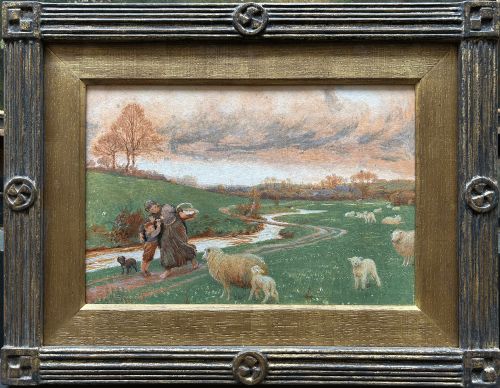
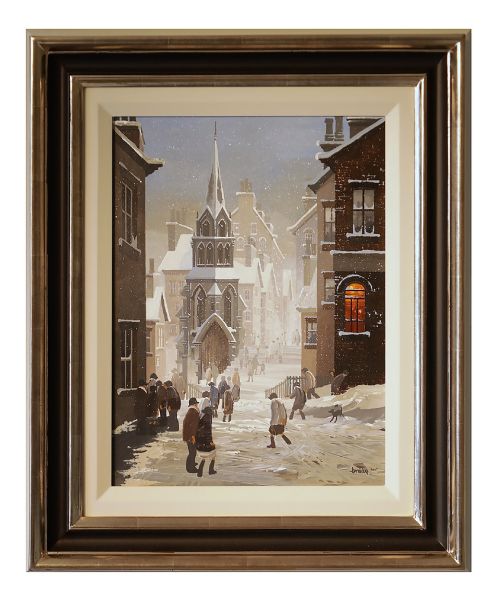
Frames often incorporate wood and gilt components, providing structural support and visual definition to the darker tones of the painted surface.
Framed paintings across this selection feature gilt and wood structures supporting regional, naive, and academic art styles.
What varies in quality
Quality rests in the handling of light and shadow, where superior brushwork achieves convincing atmospheric depth rather than flat darkness. The confidence of the composition and the subtlety of tonal gradation separate accomplished academic or school pieces from simpler provincial works.
The preservation of the original paint surface and the integrity of the canvas or wood support dictate the longevity and visual impact of the work.
Angelo Maria Crivelli·Albert Bierstadt·Frederick Walker·Brian Shields Braaq·Sydney Yates Johnson·Walter Meegan·George Cole·Ernest Higgins Rigg·Hubert Thornley·Thomas Rose Miles·Pierre Peltier·Stephen Elmer·Joseph Paul
The Dark Oil Painting Landscape Glossary
- Oil on canvas
- A painting technique where pigmented oil paint is applied to a woven fabric stretched across a wooden frame. This method allows for subtle blending of dark tones.
- Oil on wood
- A traditional painting support utilising wooden panels instead of canvas. It provides a rigid surface often seen in earlier periods.
- Gesso
- A plaster-like mixture applied to canvas or wood to prepare the surface for painting. It creates a smooth, absorbent ground for oil layers.
- Gilt
- A thin layer of gold leaf applied to picture frames. It adds decorative surface lustre around the painted image.
- Provincial
- Art produced in regional areas outside major metropolitan art centres. These pieces frequently display naive or direct stylistic qualities.
Dark Oil Painting Landscape: Frequently Asked Questions
How do I care for an old oil painting?
Keep the piece away from direct sunlight and fluctuating humidity to protect both the canvas and the wooden frame.
Dust the surface gently with a soft, dry brush and avoid using liquid cleaners on the paint.
How can I tell the period of a landscape?
Examine the stretcher bars, canvas weave, and framing materials for clues regarding the manufacturing date.
Stylistic conventions in handling foliage, figures, and atmospheric light also point toward specific centuries.
What is Dutch School painting?
Dutch School refers to artists working in the Netherlands who shared common stylistic approaches, particularly during the seventeenth century.
These works often emphasise naturalistic lighting, muted earth tones, and detailed textures in landscape and rural subjects.
Why are some landscapes so dark?
Artists utilised sombre palettes and chiaroscuro techniques to evoke drama, mystery, and nocturnal moods in their scenery.
Over time, certain pigments and varnishes can also darken naturally, deepening the overall tonality of the composition.