


Dark Oak Window Seat
A dark oak window seat brings solid timber and centuries of craft to a sunny bay, offering a sturdy perch built to last.
Dark Oak Window Seat
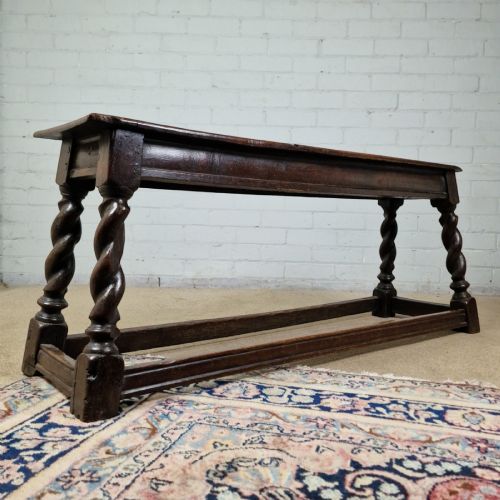
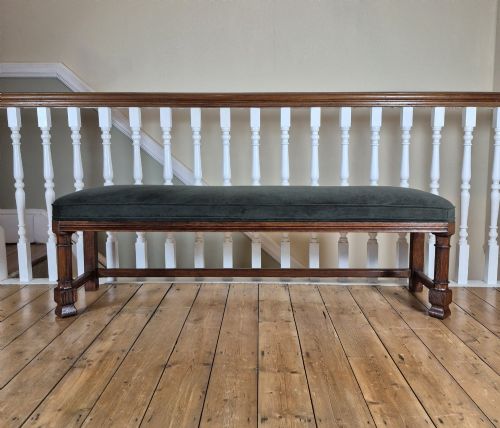
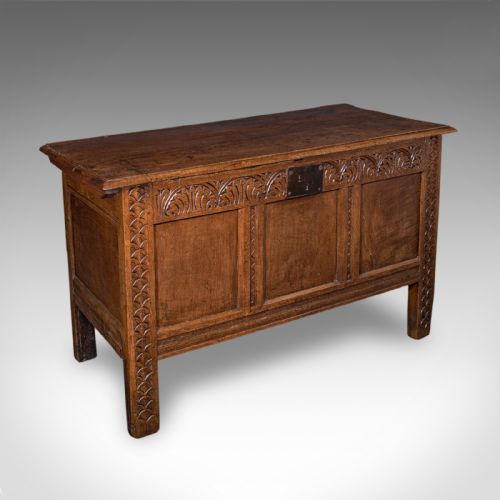
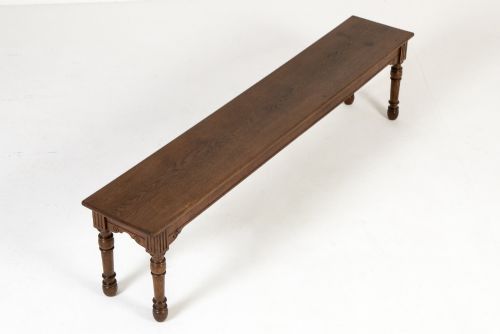
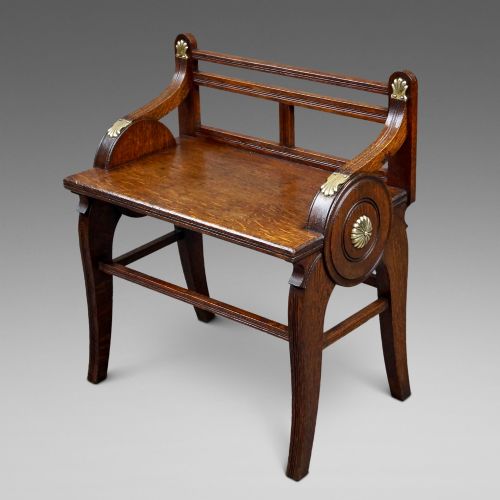
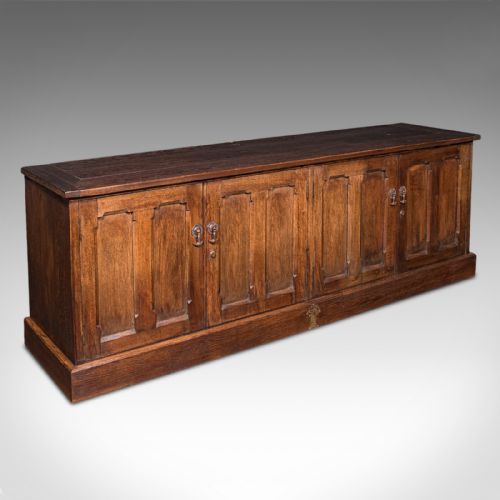
A dark oak window seat combines practical seating with sturdy timber construction, taking forms such as long stools, benches, and converted coffers or linen chests. These pieces originate from periods spanning the eighteenth and nineteenth centuries, incorporating styles like Gothic Revival, Jacobean Revival, and Arts and Crafts.
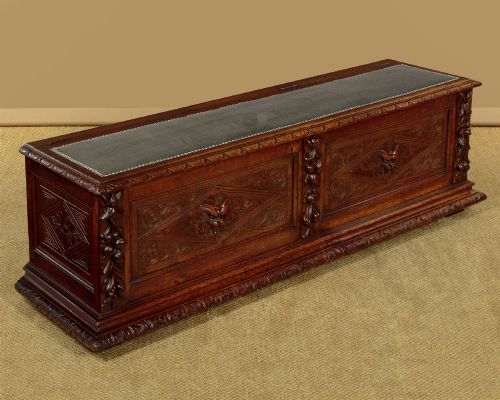
The version most commonly met on this page is a nineteenth-century oak bench or carved coffer adapted for use beneath a bay window. Buyers will also encounter longer stools and upholstered Victorian variants designed for placement in hallways or living spaces.
Makers and craftsmen utilised heavy native timbers to build these seats, often incorporating storage compartments beneath hinged lids or padded upper surfaces covered in velvet and leather. Each piece reflects the functional domestic requirements of its era, from simple country workshops to urban cabinet makers.
Judging Quality and Craftsmanship
Quality in a dark oak window seat rests on the selection of timber and the precision of the joinery. Superior examples display tightly fitted joints and substantial stock thickness without excessive secondary alterations.
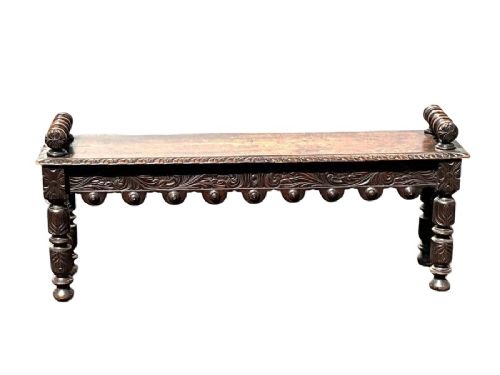
The depth and crispness of the carved ornamentation separate standard production pieces from finer workshop outputs. Carvings executed with sharp, deliberate chisel work maintain their definition across panels and legs.
The integrity of the structural frame determines how well the piece survives daily use. Well-preserved surfaces retain their original patination and honest signs of age rather than heavy modern refinishing.
Stylistic influences represented across the inventory include Gothic Revival, William III, Jacobean Revival, and Arts and Crafts.
James Shoolbred and Co.
The Dark Oak Window Seat Glossary
- Coffer
- A large wooden chest with a hinged lid, frequently utilised as a storage trunk and adapted over time to serve as a window seat.
- Gothic Revival
- A nineteenth-century design movement inspired by medieval architecture, characterised by pointed arches, trefoils, and heavy carved tracery.
- Arts and Crafts
- A design movement of the late nineteenth and early twentieth centuries emphasising handcraftsmanship, simple forms, and visible construction.
- Patina
- The deep gloss and surface character developed on aged timber through decades of handling, exposure to light, and polishing.
- Stool
- A backless seat raised on four legs, often produced in long formats suitable for placement at the foot of a bed or beneath a window.
Dark Oak Window Seat: Frequently Asked Questions
How do I date a dark oak window seat?
Dating relies on observing the joinery techniques, tool marks, and stylistic motifs present in the woodwork. Earlier pieces from the eighteenth century typically show hand-sawn boards and pegged mortise and tenon joints.
Nineteenth-century revival pieces often incorporate machine-sawn elements alongside period-appropriate hardware and decorative carving styles like Gothic or Jacobean.
Were these originally made as window seats?
Many pieces sold today as window seats started life as linen chests, coffers, or long hall benches. Cabinet makers and subsequent owners adapted these sturdy wooden forms to fit beneath low bay windows.
Purpose-built window seats do appear from the Victorian era onwards, particularly within larger Gothic Revival and Arts and Crafts interiors.
How should I care for dark oak furniture?
Maintain the timber by applying traditional beeswax periodically to nourish the grain and protect the surface from drying out. Avoid placing the seat in direct sunlight or beside heat sources, which can cause the oak to split.
Clean surfaces gently with a soft, dry cloth rather than modern liquid polishes that can damage the historical patination.