


Dark Oak Wall Rack
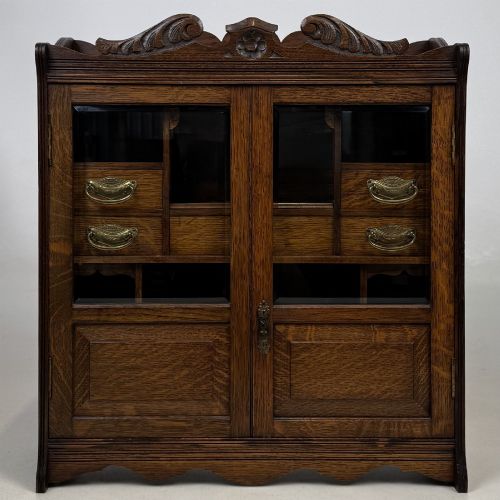
A dark oak wall rack brings timber storage onto the surface of a room, keeping plates, coats and pipes orderly.

Dark Oak Wall Rack
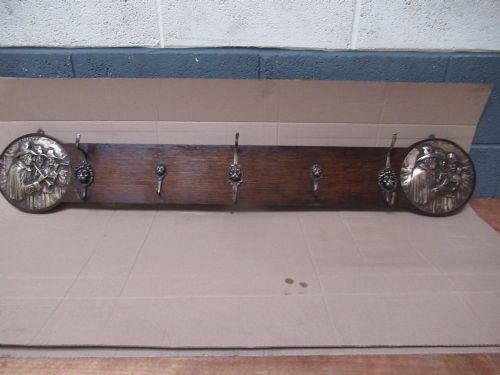
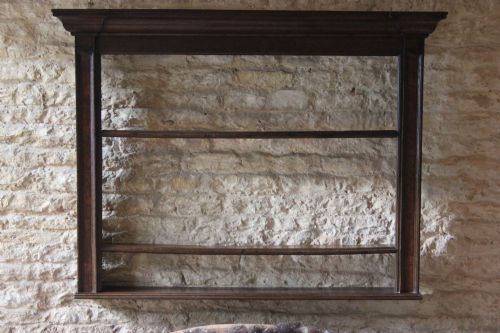
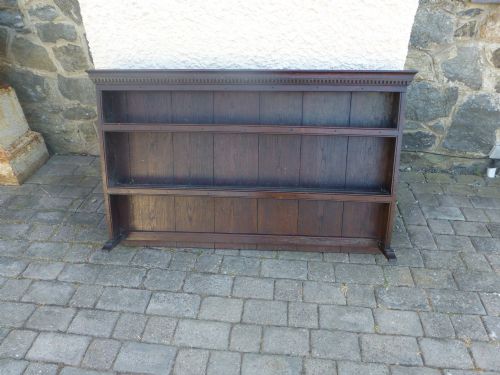
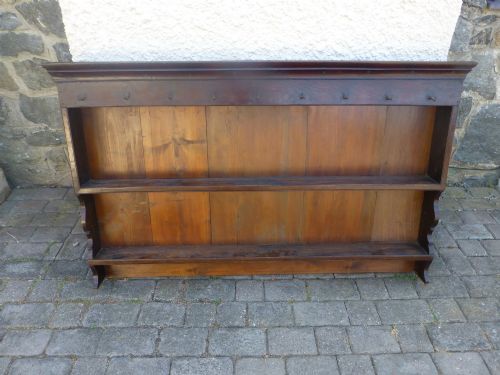
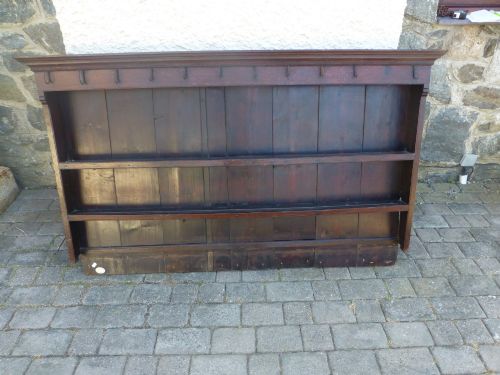
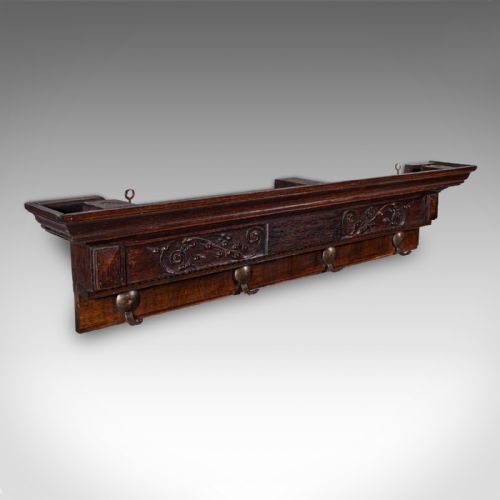
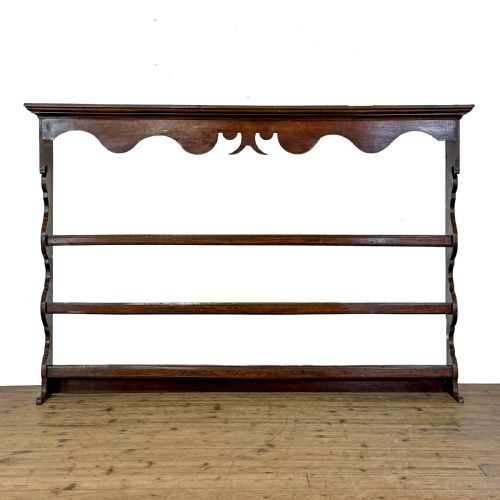
A dark oak wall rack organises domestic items upon vertical surfaces, combining timber frames with hooks, shelves or plate grooves. The dark oak wall rack most often appears as an eighteenth century delft plate rack or a nineteenth century coat and hat stand.
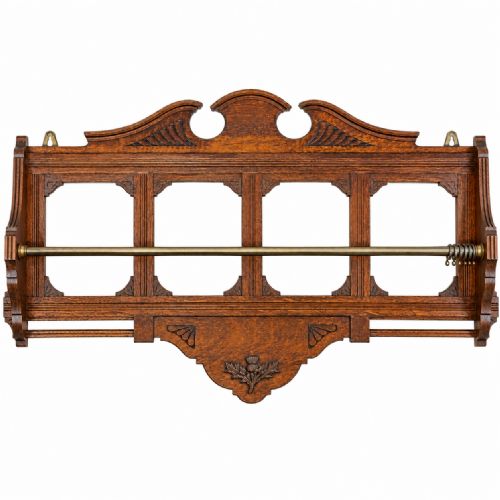
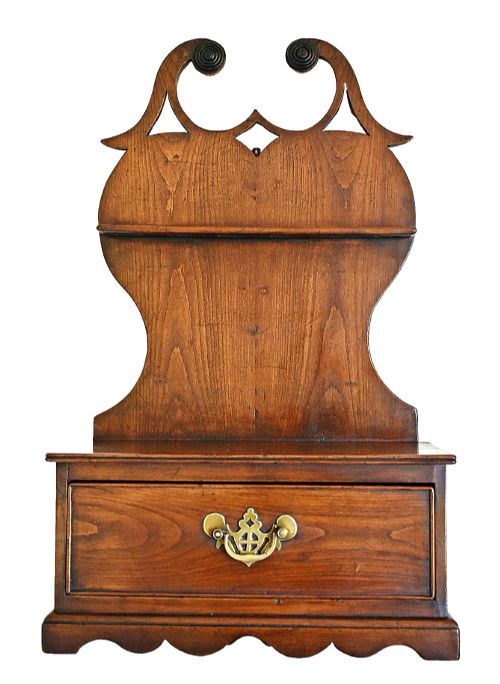
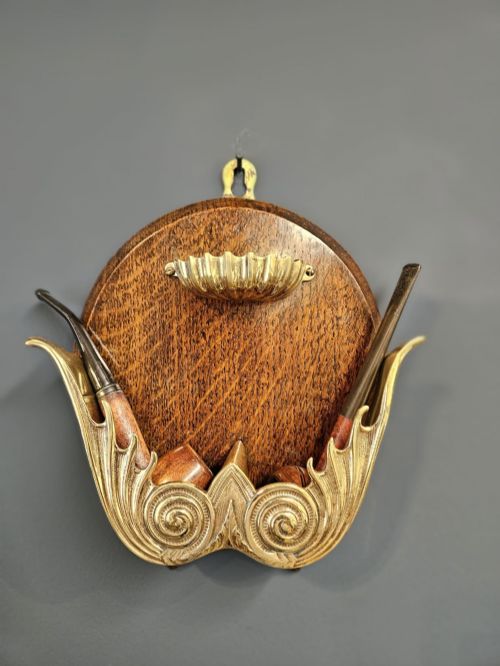
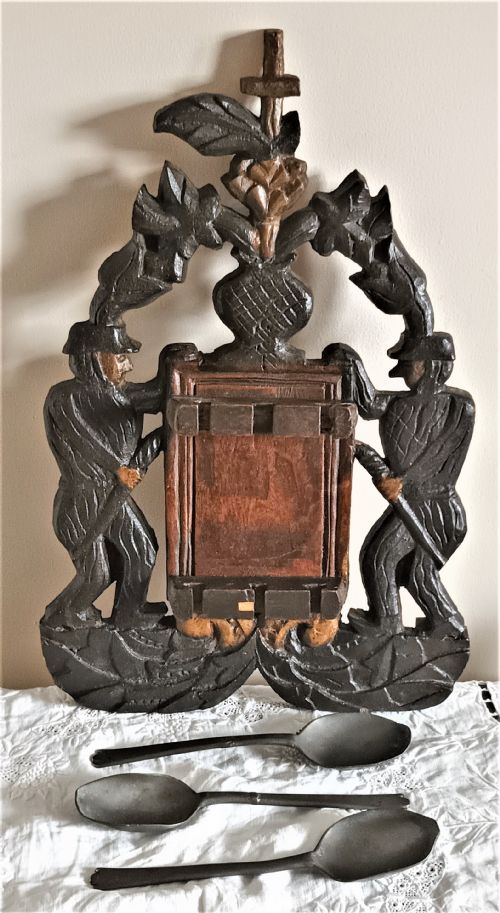
Makers shaped these pieces for specific domestic tasks, producing spoon racks, pipe racks and wall-hanging display shelves. Buyers encounter examples stretching from the seventeenth century through the Georgian and Victorian periods into the early twentieth century.
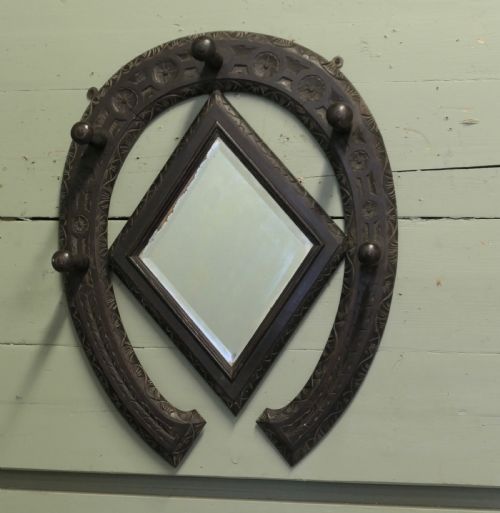
English country and Gothic Revival styles predominate among the listings, alongside utilitarian reception boards and hall mirrors. Each piece fixes to a wall to hold tableware, garments or small receptacles.
What varies in quality
The integrity of the timber framing and the depth of the oak patina set the standard across these pieces. Examples retaining original brass or iron hardware and uncompromised structural joints command greater regard.
Carved ornament and architectural details, such as Corinthian columns or shaped friezes, distinguish finer workshop production from simpler utilitarian wall shelving. Surface wear should align with the stated period without masking the original construction.
Dark Oak Wall Rack Retail Price Guide 2026
Typical asking prices for dark oak wall rack among the pieces listed under this phrase on Sellingantiques today, from the lower quarter to the upper quarter. They describe what is for sale here now, not the wider market.
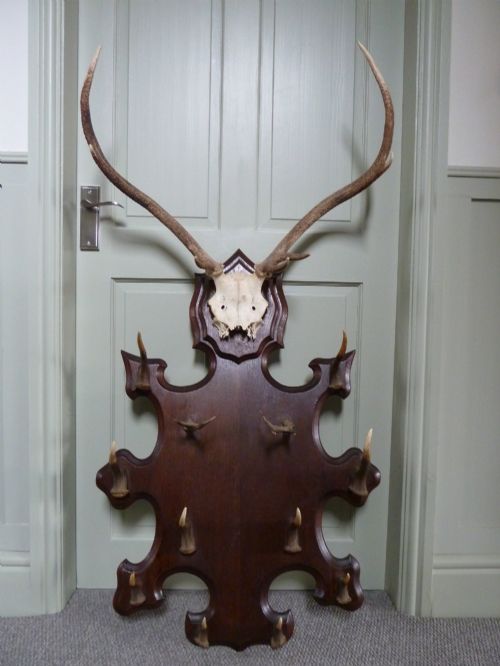
Several pieces incorporate actual stag horn and mounted antlers, bringing Victorian hunting lodge aesthetics directly into the hallway.
The Dark Oak Wall Rack Glossary
- Delft rack
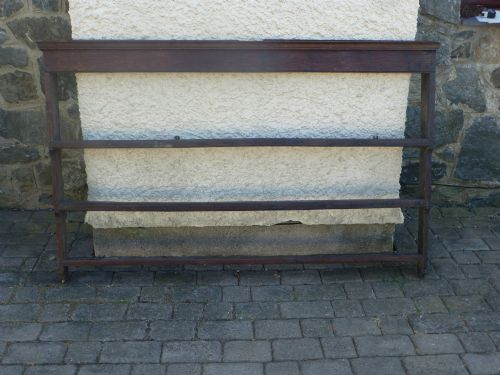
- A wooden wall-mounted frame designed specifically to display ceramic plates and platters upright. These racks feature grooved plate rails and protective retaining laths.
- Trefid spoon
- An early form of dining spoon with a broad, three-lobed terminal handle, frequently associated with seventeenth and eighteenth century pewter. These spoons fit directly into specialised slots on antique spoon racks.
- Pipe rack
- A wall fixture fitted with shaped wooden notches and pegs to hold smoking pipes securely. They often incorporate small shelving or enclosed compartments for tobacco.
- Gothic Revival
- An architectural and decorative style drawing on medieval forms, featuring pointed arches, tracery and heavy structural mouldings. This style appears frequently on nineteenth century hall stands and coat racks.
- Key board
- A wall-mounted board furnished with numerous small hooks to organise and display reception or hotel room keys. These boards are typically constructed from solid oak with carved shields or labels.
Dark Oak Wall Rack: Frequently Asked Questions
Where should I hang a wall rack?
These pieces require secure fixing to substantial wall studs or masonry to support the weight of heavy oak timber and stored items. Kitchens and dining rooms suit plate racks, whilst hallways accommodate coat and hat stands.
Position the rack at a practical height for daily access to hooks or shelves, ensuring adequate clearance below for garments or furniture.
How do I clean antique oak?
Maintain the timber surface by dusting gently with a dry, soft cloth to prevent grit accumulation. Avoid modern silicone polishes that degrade the aged finish over time.
Nourish dry oak occasionally with traditional beeswax applied sparingly and buffed thoroughly to preserve the natural lustre of the wood.
Can these racks hold heavy coats?
Most nineteenth century coat racks and hall stands feature robust iron or brass hooks secured directly into thick oak backing boards. They were built to withstand the weight of heavy woollen garments and cloaks.
Check that the structural backplates and wall fixings remain solid before loading the hooks with heavy winter wear.
How do I date an oak rack?
Examine the construction methods, such as hand-cut peg joints, tool marks and the type of secondary woods used in the backing boards. Georgian and earlier pieces display vernacular joinery distinct from later industrial production.
Hardware styles, including wrought iron hooks or cast brass fittings, provide further clues to whether a piece originates from the seventeenth, eighteenth or nineteenth century.