


Dark Oak Side Stool
A dark oak side stool brings honest, solid utility and centuries of timber character into a room.
Dark Oak Side Stool
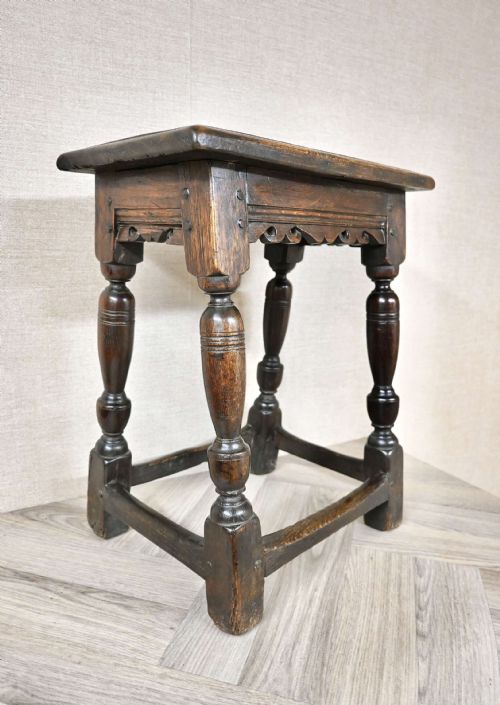
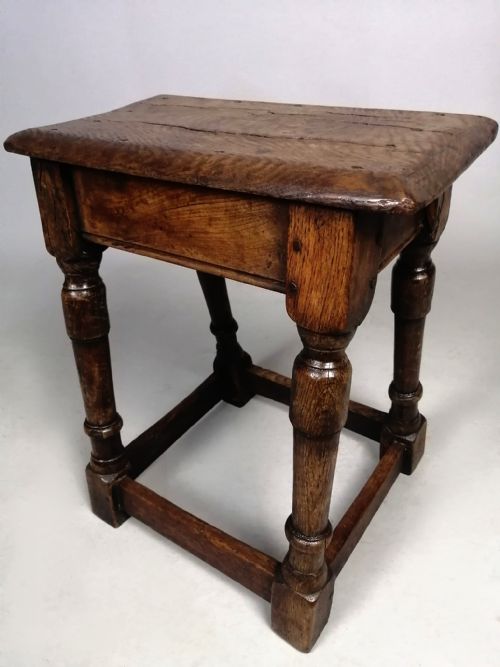
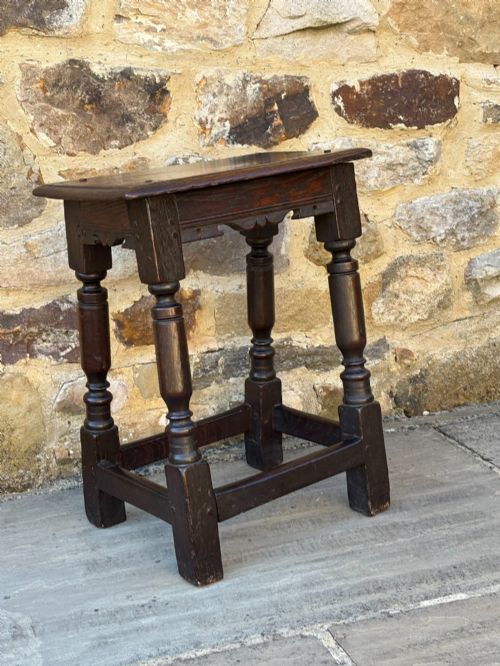
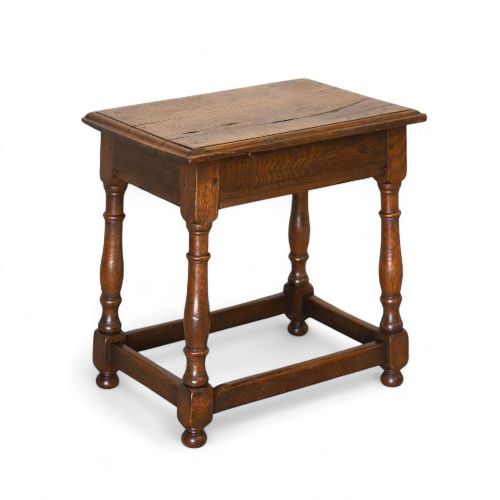
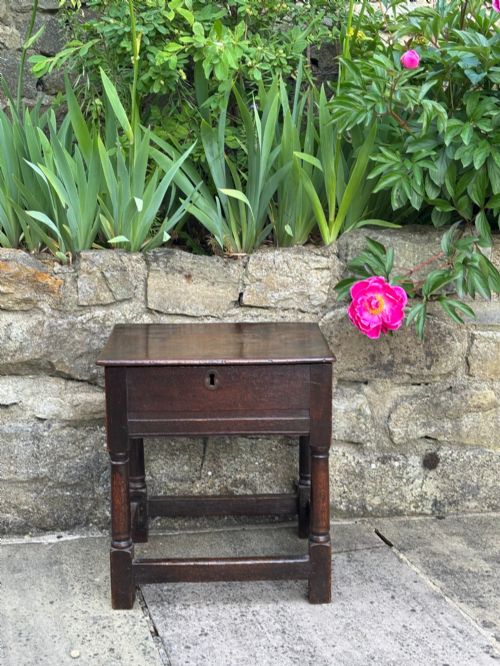
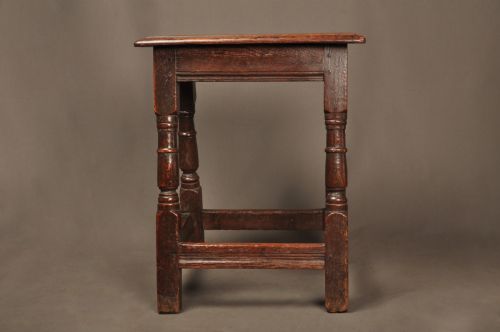
A dark oak side stool is a sturdy, compact seat or stand designed to fit unobtrusively against a wall or beside a chair. When you search for a dark oak side stool, you encounter pieces spanning from the seventeenth century through to later revival periods.
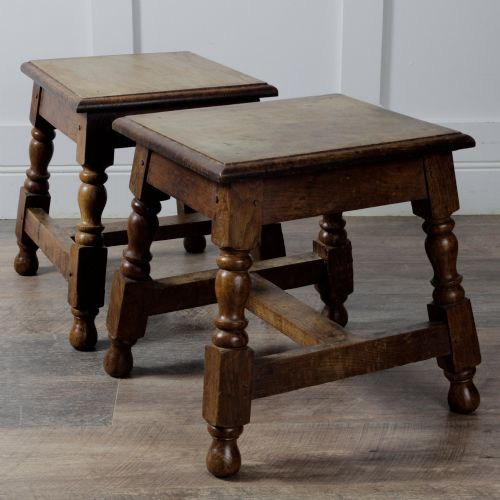
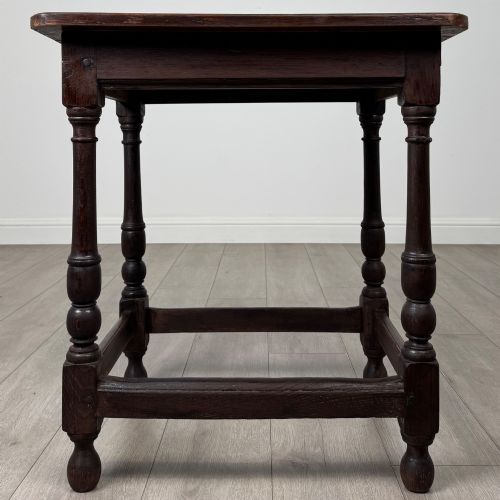
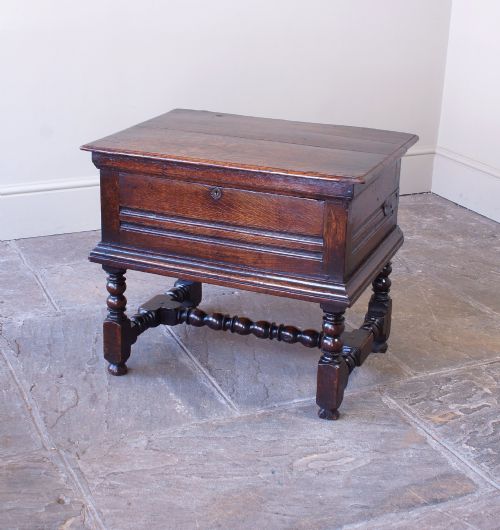
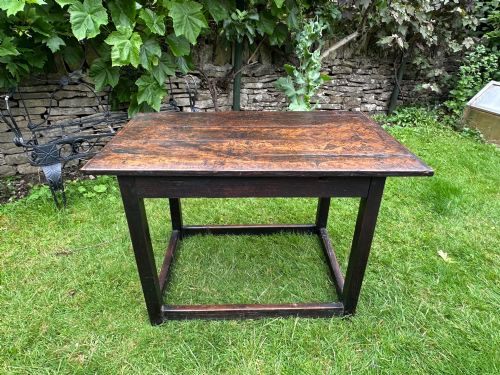
The most common forms on this page are joint stools and box stools constructed with pegged wooden joints. These items often feature plank tops and solid frames suited to daily seating or occasional placement.
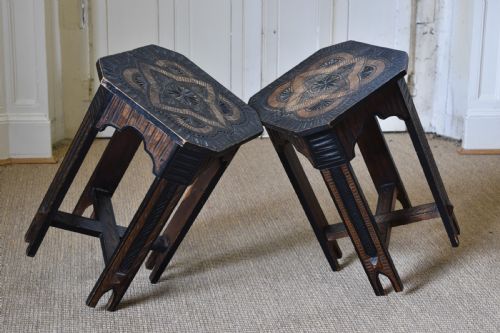
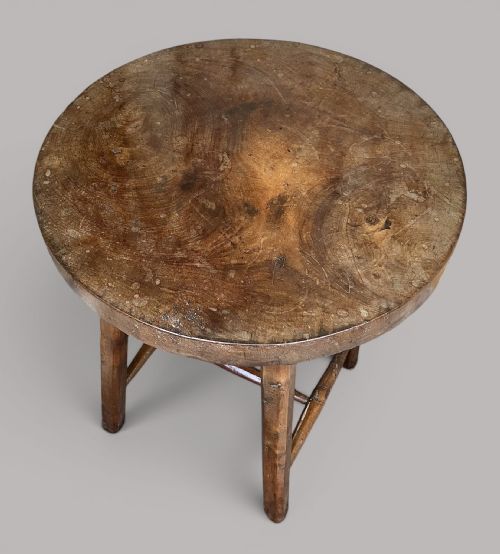
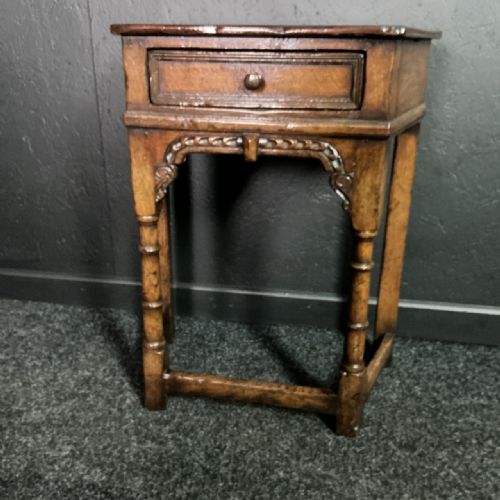
Examples appear in styles ranging from plain rustic country to formal Jacobean and Arts and Crafts designs. Provincial English workshops produced much of the surviving material, creating utilitarian furniture intended for hard use.
Assessing Quality and Character
Quality in these pieces rests upon the integrity of the original construction and the preservation of the timber. Untouched surfaces with deep, rich colour distinguish superior examples from heavily restored or later replacement items.
Proportion and the crispness of hand-carved detailing separate provincial utilitarian work from finer stylistic exercises. The presence of original pegging and genuine period patina elevates the standing of any piece.
The inventory bridges seventeenth-century vernacular pieces with Arts and Crafts revival experiments.
Jack Grimble·Liberty
The Dark Oak Side Stool Glossary
- Joint stool
- A sturdy wooden stool constructed with pegged mortise and tenon joints rather than turned legs alone. Carpenters originally built these for seating or to serve as small tables.
- Box stool
- A seat featuring a lidded compartment beneath the top surface for storage. These versatile pieces often functioned as close stools or small receptacles.
- Pegged construction
- A method of joining timber components using wooden dowels instead of metal fastenings. This technique accommodates the natural expansion and contraction of solid wood.
- Plank top
- A solid surface constructed from thick boards joined edge to edge. This style is typical of early provincial tables and benches.
- Bobbin turned
- Leg or stretcher turnings shaped to resemble a string of beads or bobbins. This decorative woodworking style became popular in the seventeenth century.
Dark Oak Side Stool: Frequently Asked Questions
How were dark oak side stools used originally?
These stools served multiple domestic purposes in early households, functioning as extra seats around a table, low platforms, or small bedside stands. Their sturdy build allowed them to double as steps or impromptu work surfaces.
In tighter spaces, box variants provided hidden storage for small household goods while offering a stable seat by the hearth.
How do I distinguish a seventeenth-century stool from a later revival piece?
Early pieces display tool marks, hand-split timber characteristics, and wear patterns consistent with centuries of handling. The grain structure and darkening of the oak develop a deep patina that nineteenth-century copies struggle to replicate.
Revival items often utilise machine-sawn timber and standardised joints, even when makers deliberately distressed the wood to simulate age.
Can I use an antique joint stool as a daily seat?
Solid oak joint stools remain remarkably robust and handle regular seating without structural strain. Their pegged frames absorb weight effectively when the timber remains sound.
Placing felt pads beneath the feet protects both the historic wood and modern flooring from unnecessary friction.
What maintenance do these dark wood surfaces require?
Historic timber thrives on minimal interference, requiring only an occasional dusting with a dry, soft cloth. Avoid modern silicone sprays or wet polishes that can penetrate open grain and soften old wax finishes.
Applying a traditional beeswax paste once a year feeds the dry oak and preserves its natural sheen.